| Prelims : Science & Technology + CA Mains : GS Paper 3 – Science & Technology, Energy Security, Nuclear Technology |
Prelims :
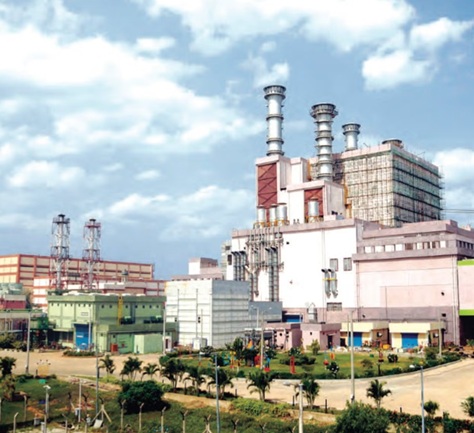
Q. Consider the following statements regarding Fast Breeder Reactors :
Which of the statements given above is/are correct ?
(a) 1 and 3 only
(b) 2 only
(c) 1 and 2 only
(d) 1, 2 and 3
Mains:
“Discuss the role of Fast Breeder Reactors in India’s nuclear energy programme. How do they contribute to energy security and sustainability?”
FAQsQ1. What is PFBR ? It is India’s Prototype Fast Breeder Reactor located at Kalpakkam. Q2. What does ‘criticality’ mean ? It refers to the stage when a nuclear reactor sustains a controlled chain reaction. Q3. Why are fast breeder reactors important ? They improve fuel efficiency and support long-term nuclear sustainability. Q4. Which stage of nuclear programme do they belong to ? Second stage of India’s three-stage nuclear power programme. Q5. Why is this development significant? It strengthens India’s energy security and technological capabilities in nuclear energy. |
| Prelims : Polity + Governance + CA Mains : GS Paper 2 – Governance, Judiciary, Public Administration |

Prelims :
Q. Which of the following best describes the objective of litigation policies introduced by governments ?
(a) Increase government participation in courts
(b) Reduce unnecessary litigation involving government entities
(c) Replace judiciary with administrative tribunals
(d) Eliminate all legal disputes
Mains :
“Government litigation is a major contributor to judicial pendency in India. Discuss how policies like the Rajasthan Litigation Policy 2026 can address this issue.”
FAQsQ1. What is Rajasthan Litigation Policy 2026 ? A policy aimed at reducing government-related litigation and improving grievance redressal. Q2. Why is it needed ? To reduce court pendency and resolve disputes efficiently. Q3. Who benefits from this policy ? Government employees, pensioners, and the judiciary. Q4. What is its key approach ? Resolving disputes at the departmental level before approaching courts. Q5. Why is it important for governance ? It promotes efficiency, accountability, and citizen-centric administration. |
| Prelims : Science & Technology + CA Mains : GS Paper 3 – Space Technology, Human Spaceflight, Innovation |
Prelims :
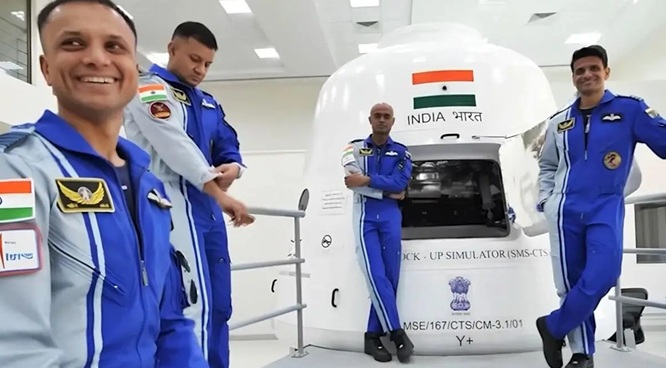
Q. Mission MITRA is related to :
(a) Missile technology testing
(b) Astronaut behavioural and performance study
(c) Satellite communication
(d) Climate monitoring
Mains :
“Discuss the importance of human factor studies such as Mission MITRA in the success of India’s human spaceflight programme.”
FAQsQ1. What is Mission MITRA ? A behavioural and performance study for astronauts conducted by ISRO. Q2. Where is it being conducted ? Leh, Ladakh. Q3. What is its main objective ? To study team coordination, stress response, and decision-making in extreme conditions. Q4. Which programme is it linked to ? Gaganyaan human spaceflight programme. Q5. Why is it important ? It helps prepare astronauts for real space missions, especially long-duration ones. |
|
Prelims : Environment + Ecology + CA |
Prelims :
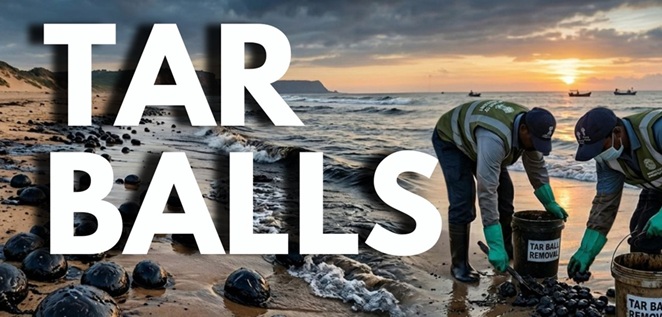
Q. Tar balls found on coastlines are primarily formed due to :
(a) Volcanic activity
(b) Weathering of crude oil in marine environments
(c) Coral reef degradation
(d) Plastic waste accumulation
Mains :
“Discuss the environmental and ecological impacts of tar balls on coastal ecosystems. Evaluate the need for regulatory measures to address this issue in India.”
FAQsQ1. What are tar balls ? They are lumps of weathered oil formed in marine environments. Q2. How do they reach the coast ? Through ocean currents and wave action. Q3. Why are they harmful ? They contain toxic substances that affect marine life and human health. Q4. Which regions in India are most affected ? The western coast, especially Gujarat to Goa. Q5. Why are draft rules important ? They provide a framework for managing and reducing coastal pollution caused by tar balls. |
| Prelims : Polity + Constitution + CA Mains : GS Paper 2 – Constitutional Bodies, Election Commission, Accountability |
Prelims :
Q. The Chief Election Commissioner of India can be removed in a manner similar to :
(a) President of India
(b) Supreme Court Judge
(c) Prime Minister
(d) Attorney General
Mains :
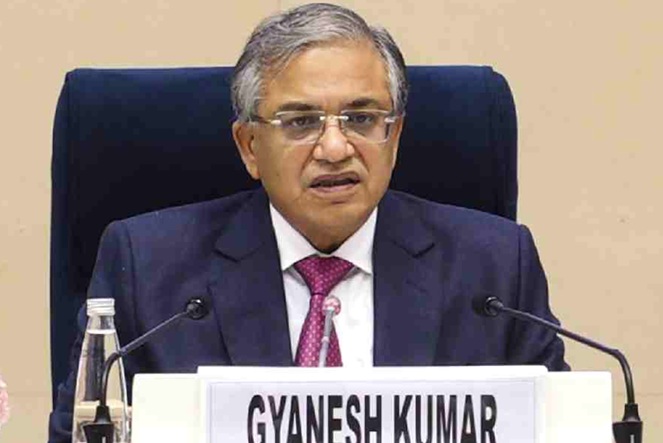
“Discuss the constitutional safeguards ensuring the independence of the Election Commission of India. Examine whether the current mechanisms are sufficient to ensure both independence and accountability.”
FAQsQ1. Who is the current Chief Election Commissioner ? Gyanesh Kumar. Q2. How can the CEC be removed ? Through a parliamentary process similar to the removal of a Supreme Court judge. Q3. Why is the removal process so stringent ? To ensure independence and prevent political interference. Q4. Which constitutional provision governs the Election Commission ? Article 324. Q5. Why is this issue important ? It relates to the independence and credibility of India’s electoral system. |

Our support team will be happy to assist you!

 Contact Us
  New Batch : 9555124124/ 7428085757
  Tech Support : 9555124124/ 7428085757