Prelims : Science & Technology + CA
Mains : GS Paper 3 – Science & Technology, Energy Security, Nuclear Technology |
Why in News ?
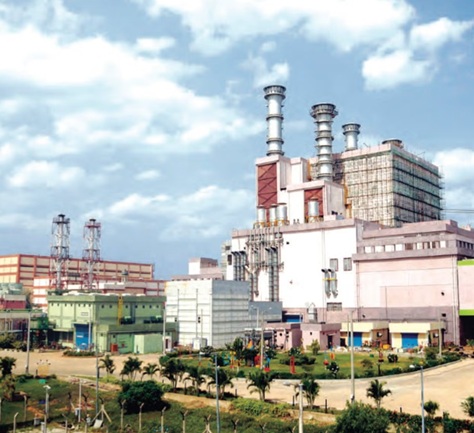
- India’s Prototype Fast Breeder Reactor (PFBR) at Kalpakkam has attained criticality, marking a major milestone in the country’s nuclear energy programme.
- This development signifies the successful initiation of a self-sustaining nuclear chain reaction, paving the way for the reactor’s gradual transition towards full power generation.
- The achievement has been highlighted as a significant step towards strengthening India’s energy security and technological self-reliance in the nuclear sector.
Background and Context
- India’s nuclear energy strategy is based on a three-stage nuclear power programme, designed to optimally utilise its limited uranium reserves and vast thorium resources.
- The Fast Breeder Reactor forms the second stage of this programme, acting as a crucial link between conventional uranium-based reactors and advanced thorium-based systems.
- The PFBR at Kalpakkam represents India’s first indigenously developed fast breeder reactor, reflecting decades of scientific research and engineering efforts in nuclear technology.
What is a Fast Breeder Reactor ?
- A Fast Breeder Reactor is a type of nuclear reactor that generates more fissile material than it consumes, thereby significantly enhancing fuel efficiency.
- It operates using fast neutrons without a moderator, which distinguishes it from conventional thermal reactors.
- The reactor typically uses mixed oxide (MOX) fuel, comprising plutonium and uranium, and plays a key role in recycling spent nuclear fuel.
- By converting non-fissile material into usable fuel, it ensures a sustainable and long-term nuclear energy cycle.
Key Features of the PFBR at Kalpakkam
- The PFBR has a capacity of 500 MWe, making it a technologically advanced component of India’s nuclear infrastructure.
- It has been designed and developed indigenously, demonstrating India’s capability in handling complex nuclear technologies.
- The reactor uses liquid sodium as a coolant, enabling efficient heat transfer and high-temperature operation.
- It is implemented by Bharatiya Nabhikiya Vidyut Nigam Limited (BHAVINI) under the Department of Atomic Energy.
Significance of Achieving Criticality
- Achieving criticality indicates that the reactor has entered an operational phase where a controlled nuclear reaction can be sustained, which is a prerequisite for electricity generation.
- It marks the transition from construction and testing to progressive power generation stages, eventually leading to full-capacity operation.
- This milestone places India among a select group of countries possessing advanced fast breeder reactor technology, enhancing its global technological standing.
Strategic Importance for India
- The PFBR significantly contributes to energy security by enabling better utilisation of nuclear fuel and reducing dependence on imported uranium.
- It plays a crucial role in advancing the second stage of the nuclear programme, which is essential for eventually harnessing India’s vast thorium reserves.
- The technology supports efficient recycling of nuclear waste, thereby reducing environmental impact and improving sustainability.
- As a source of clean and low-carbon energy, it aligns with India’s climate commitments and long-term energy needs.
Challenges and Concerns
- Fast breeder reactors involve complex technology and high capital costs, which can lead to delays and implementation challenges.
- The use of liquid sodium coolant requires advanced safety systems, as it is highly reactive in nature.
- Long gestation periods and regulatory requirements may slow down the scaling up of such technologies.
Way Forward
- Strengthen research and development in advanced nuclear technologies, particularly thorium-based reactors
- Ensure robust safety mechanisms and regulatory oversight
- Accelerate the expansion of nuclear energy capacity as part of a diversified energy mix
- Promote indigenous innovation to enhance technological self-reliance
Practice Questions
Prelims :
Q. Consider the following statements regarding Fast Breeder Reactors :
- They produce more fissile material than they consume.
- They use moderators to slow down neutrons.
- They are part of India’s three-stage nuclear programme.
Which of the statements given above is/are correct ?
(a) 1 and 3 only
(b) 2 only
(c) 1 and 2 only
(d) 1, 2 and 3
Mains:
“Discuss the role of Fast Breeder Reactors in India’s nuclear energy programme. How do they contribute to energy security and sustainability?”
FAQs
Q1. What is PFBR ?
It is India’s Prototype Fast Breeder Reactor located at Kalpakkam.
Q2. What does ‘criticality’ mean ?
It refers to the stage when a nuclear reactor sustains a controlled chain reaction.
Q3. Why are fast breeder reactors important ?
They improve fuel efficiency and support long-term nuclear sustainability.
Q4. Which stage of nuclear programme do they belong to ?
Second stage of India’s three-stage nuclear power programme.
Q5. Why is this development significant?
It strengthens India’s energy security and technological capabilities in nuclear energy.
|






 Contact Us
  New Batch : 9555124124/ 7428085757
  Tech Support : 9555124124/ 7428085757