New
Hindi Medium: (Delhi) - GS Foundation (P+M) : 6th July 2026, 6:00 PM Hindi Medium: (Prayagraj) - GS Foundation (P+M) : 5th July 2026, 8:00 AM English Medium: (Delhi) - GS Foundation (P+M) : 20th July 2026 English Medium: (Prayagraj) - GS Foundation (P+M) : 15th July 2026, 8:00 AM Hindi Medium: (Delhi) - GS Foundation (P+M) : 6th July 2026, 6:00 PM Hindi Medium: (Prayagraj) - GS Foundation (P+M) : 5th July 2026, 8:00 AM English Medium: (Delhi) - GS Foundation (P+M) : 20th July 2026 English Medium: (Prayagraj) - GS Foundation (P+M) : 15th July 2026, 8:00 AM

Current Affairs for 10 July 2026

Cancer in India: WHO Report Reveals 1 in 10 Indians at Risk before Age 75

Preliminary Examination 

GS Paper-I: Health, Human Diseases, Current Affairs, International Organizations (WHO, IARC).

GS Paper-II : Health Sector, Government Policies and Interventions, Issues Relating to Development and Management of Social Sector/Health.

GS Paper-III : Science & Technology (Health), Human Resource Development, Social Sector, Public Health and Healthcare Infrastructure.

Why in News ?

  • According to the WHO Global Status Report on Cancer 2026 and GLOBOCAN 2022, cancer is emerging as one of India's biggest public health challenges.
  • Nearly 1 in every 10 Indians is likely to develop cancer before the age of 75 years, while about 7 in every 100 Indians face the risk of dying from cancer before reaching that age.
  • Experts estimate that India's annual cancer cases could rise to 2.8 million by 2050.

Key Highlights

Indicator

Data

New cancer cases (GLOBOCAN 2022)

1.41 million

Cancer deaths (2022)

916,827

People living with cancer (5-year prevalence)

More than 3.25 million

Estimated new cases (2024)

Around 1.6 million

Estimated deaths (2024)

Around 900,000

Projected annual cases by 2050

Around 2.8 million

Lifetime cancer risk before age 75

1 in 10 Indians

Risk of dying from cancer before 75

7 in 100 Indians

Why Are Cancer Cases Rising in India ?

The increase in cancer cases is driven by multiple demographic, lifestyle and environmental factors.

1. Ageing Population

  • Life expectancy has increased significantly.
  • Since cancer is primarily an age-related disease, more elderly people mean more cancer cases.

2. Lifestyle Changes

  • Rising obesity
  • Unhealthy diets
  • Physical inactivity
  • Alcohol consumption
  • Tobacco use
  • Stressful urban lifestyles

3. Tobacco Consumption

  • Smoking is the leading cause of lung cancer.
  • Smokeless tobacco products such as gutkha, khaini and betel quid have made India one of the countries with the highest burden of oral cancer.

4. Air Pollution

  • Long-term exposure to polluted air increases the risk of lung and several other cancers.

5. Improved Diagnosis

  • Better screening and diagnostic facilities have increased cancer detection.
  • However, improved diagnosis alone does not explain the rapid rise in cases.

Major Types of Cancer in India

  • According to GLOBOCAN 2022:

Cancer Type

Estimated New Cases (2022)

Breast Cancer

192,020

Lip & Oral Cavity Cancer

143,759

Cervical Cancer

127,526

Lung Cancer

81,748

Oesophageal Cancer

70,637

Among Women

  • Breast cancer is the most common cancer.
  • Cervical cancer remains the second most common despite being largely preventable.

Among Men

  • Lip and oral cavity cancer is the leading cancer due to widespread tobacco consumption.

Emerging Concern

  • Colorectal cancer is increasing because of ageing, unhealthy diet and sedentary lifestyle.

Major Risk Factors

  • Tobacco use
  • Alcohol consumption
  • Obesity
  • Physical inactivity
  • Unhealthy diet
  • Air pollution
  • Ageing population
  • Family history
  • Viral infections such as Human Papillomavirus (HPV) and Hepatitis B

Importance of Prevention

Health experts believe that a significant proportion of cancers can either be prevented or detected early.

Key Preventive Measures

  • Strong tobacco control
  • HPV vaccination
  • Routine screening for breast, cervical and oral cancers
  • Healthy diet
  • Regular physical activity
  • Limiting alcohol consumption
  • Awareness of early warning signs
  • Timely diagnosis

Why Early Diagnosis Matters

  • Many cancer patients in India reach hospitals only after the disease has advanced.
  • Late diagnosis results in :
    • Lower survival rates
    • Higher treatment costs
    • More complicated treatment
    • Poor quality of life

Challenges Before India's Healthcare System

  • According to the WHO Global Status Report on Cancer 2026 :
    • Around 45% of cancer patients face financial hardship.
    • More than half experience mental health challenges.
    • Caregivers suffer emotional, social and financial stress.
    • Many families experience catastrophic healthcare expenditure.
    • Large disparities exist in access to cancer care between urban and rural areas.
    • Access to essential cancer medicines remains unequal.

Government of India Initiatives

  • National Programme for Prevention and Control of Non-Communicable Diseases (NP-NCD)
  • Ayushman Bharat–Pradhan Mantri Jan Arogya Yojana (AB-PMJAY)
  • Ayushman Arogya Mandirs for screening and early detection
  • National Tobacco Control Programme (NTCP)
  • Expansion of HPV vaccination
  • Strengthening Regional Cancer Centres and tertiary care hospitals

What is Cancer? (According to WHO)

  • Cancer is a large group of diseases that can begin in almost any organ or tissue of the body.
  • It is characterized by the uncontrolled growth of abnormal cells, which can invade nearby tissues and spread to other parts of the body (metastasis).
  • Cancer is the second leading cause of death worldwide.
  • Globally, one in every six deaths is caused by cancer.

Need for Cancer Awareness

  • Cancer is a disease that is often curable if detected at an early stage.
  • In many cases, people are unaware of the early warning signs and symptoms of cancer.
  • As a result, the disease is often diagnosed at an advanced stage, making treatment more difficult and reducing the chances of survival.

Major Symptoms of Cancer

  • Unexplained weight loss
  • Persistent or unusual pain
  • Continuous cough
  • Unexplained bleeding or blood discharge
  • Formation of a lump or swelling
  • Other persistent abnormal symptoms

Cancer Treatment

  • The choice of treatment depends on the type and stage of cancer.
  • In many cases, a combination of treatment methods is used, including :
    • Surgery
    • Chemotherapy
    • Radiation Therapy
    • Immunotherapy
    • Targeted Therapy
    • Hormone Therapy
    • Stem Cell/Bone Marrow Transplant (where required)
  • National Cancer Awareness Day (India)
  • Observed every year on 7 November.
  • It was first observed in 2014 to promote awareness about cancer prevention, early detection, and timely treatment.

Way Forward

  • Strengthen nationwide cancer screening programmes.
  • Expand HPV vaccination coverage.
  • Intensify tobacco control measures.
  • Improve awareness regarding lifestyle modification.
  • Ensure affordable access to cancer diagnosis and treatment.
  • Reduce rural-urban disparities in healthcare.
  • Promote people-centred cancer care with psychological, financial and social support.
  • Increase investment in oncology infrastructure, research and skilled manpower.

Conclusion

Cancer is rapidly becoming one of India's most serious public health challenges. With annual cancer cases projected to reach 2.8 million by 2050, India must shift its focus from treatment alone to prevention, early detection and equitable healthcare access. Strengthening screening programmes, reducing tobacco use, expanding vaccination, and improving healthcare infrastructure will be essential to reducing the country's future cancer burden.

Prelims Question

Q. With reference to the cancer burden in India, consider the following statements:

  1. According to GLOBOCAN 2022, breast cancer is the most common cancer in India.
  2. Smokeless tobacco is a major contributor to oral cancer in India.
  3. Human Papillomavirus (HPV) vaccination helps prevent cervical cancer.

Which of the statements given above is/are correct?

  1. 1 and 2 only
  2. 2 and 3 only
  3. 1 and 3 only
  4. 1, 2 and 3

Mains Question

"Cancer is emerging as one of India's biggest public health challenges. Discuss the major factors responsible for the rising cancer burden in India and suggest measures to strengthen prevention, early detection and equitable cancer care." (250 words)

FAQs

Q1. Which report highlights the latest cancer burden in India ?

Answer : The WHO Global Status Report on Cancer 2026 and GLOBOCAN 2022 provide the latest estimates on cancer incidence, mortality and prevalence.

Q2. Why are cancer cases increasing in India ?

Answer : The increase is mainly due to an ageing population, tobacco use, unhealthy lifestyles, obesity, air pollution, alcohol consumption and improved cancer detection.

Q3. Which is the most common cancer in India ?

Answer : Breast cancer is the most common cancer overall, while oral cancer is the leading cancer among men.

Q4. Can cancer be prevented ?

Answer : Many cancers are preventable through tobacco control, HPV vaccination, healthy lifestyle, regular screening and early diagnosis.

Q5. What is the biggest challenge in cancer care in India ?

Answer : Late diagnosis, unequal access to healthcare, high treatment costs, shortage of specialist facilities and financial hardship among patients remain the major challenges.

Proposed Amendment to the National Food Security Act (NFSA): The Debate over Antyodaya Anna Yojana (AAY) Foodgrain Entitlements.

Why in News ?

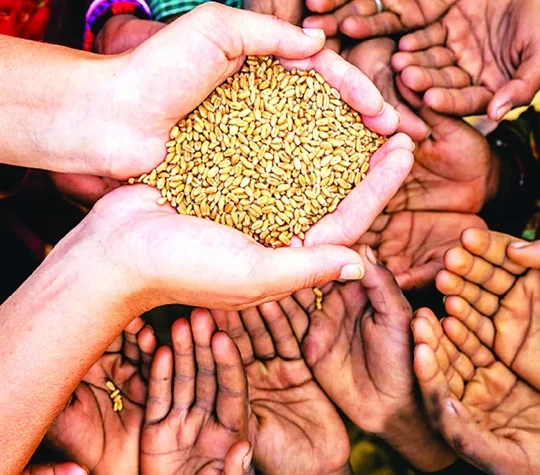
  • The Union Government has proposed an amendment to the National Food Security Act (NFSA), 2013, changing the method of foodgrain distribution under the Antyodaya Anna Yojana (AAY)
  • At present, every AAY household receives 35 kg of foodgrains per month, irrespective of the number of family members. 
  • Under the proposed amendment, each eligible person in an AAY household will receive 7 kg of foodgrains per month, subject to a maximum limit of 35 kg per household.
  • The Centre argues that the change will make foodgrain distribution more equitable by adopting a per capita approach. 
  • However, States such as Tamil Nadu and Kerala have strongly opposed the proposal, claiming that it will reduce foodgrain allocations for poor households with smaller family sizes, particularly in southern India.

What is the National Food Security Act (NFSA), 2013 ?

  • The National Food Security Act (NFSA), 2013 aims to ensure food and nutritional security by providing subsidised foodgrains to a large section of India's population through the Targeted Public Distribution System (TPDS).
  • Key Features of the NFSA
    • Covers up to 75% of the rural population and 50% of the urban population.
    • Provides food security to nearly two-thirds of India's population.
    • Beneficiaries are divided into two categories:
      • Antyodaya Anna Yojana (AAY) – the poorest of the poor.
      • Priority Households (PHH).
    • Current monthly entitlement:
      • AAY households: 35 kg of foodgrains per household.
      • PHH beneficiaries: 5 kg per person.
    • Foodgrains are supplied at highly subsidised rates:
      • Rice – ₹3/kg
      • Wheat – ₹2/kg
      • Coarse grains – ₹1/kg
    • The eldest woman (18 years or above) in the household is recognised as the head of the family for issuing ration cards.
    • Provides nutritional support to pregnant women, lactating mothers, and children.
    • Guarantees maternity benefits of at least ₹6,000.
    • Ensures age-appropriate meals through Anganwadis and Mid-Day Meal schemes.
    • Mandates State Food Commissions, District Grievance Redressal Officers (DGROs), and Vigilance Committees for accountability.
    • Promotes transparency by requiring public disclosure of beneficiary lists and PDS records.

What is the Proposed Amendment ?

  • The proposed amendment relates to Section 3(1) of the NFSA, which deals with subsidised foodgrain entitlements for Antyodaya Anna Yojana households.

Current System

  • Every AAY household receives 35 kg of foodgrains per month, irrespective of household size.

Proposed System

  • Each eligible individual in an AAY household will receive 7 kg of foodgrains per month, subject to a maximum limit of 35 kg per household.

This means :-

  • A two-member household will receive 14 kg.
  • A three-member household will receive 21 kg.
  • A four-member household will receive 28 kg.
  • Households with five or more members will continue to receive 35 kg.

The Government has invited public comments on the draft amendment before finalising the proposal.

Why Has the Centre Proposed This Change ?

  • According to the Department of Food and Public Distribution, the existing household-based entitlement creates significant inequities among AAY beneficiaries.

For example :

  • A two-member family receiving 35 kg gets 17.5 kg per person.
  • A seven-member family receiving the same 35 kg gets only 5 kg per person.

As a result, smaller households receive a much higher per capita entitlement than larger households.

Objectives of the Amendment

The Government states that the amendment aims to :

  • Ensure equitable per capita distribution.
  • Eliminate intra-category disparities among AAY households.
  • Rationalise foodgrain allocation.
  • Align foodgrain entitlements more closely with nutritional requirements.

However, the proposal does not address the issue of ineligible beneficiaries continuing to receive benefits under the NFSA.

Why Are Tamil Nadu and Kerala Opposing the Amendment?

Both Tamil Nadu and Kerala argue that the proposed amendment would adversely affect poor households with fewer than five members.

1. Reduction in Foodgrain Allocation

  • Most AAY households in these States consist of nuclear families with fewer than five members.
  • Under the proposed formula A four-member family would receive only 28 kg instead of 35 kg. A three-member family would receive 21 kg. A two-member family would receive just 14 kg. As a result, many poor households would lose a significant portion of their monthly foodgrain entitlement.

2. Increased Financial Burden

  • Tamil Nadu estimates that its monthly AAY foodgrain allocation could decline from approximately 65,261 tonnes to 42,040 tonnes.
  • Out of the State's 18.64 lakh AAY households, around 15.75 lakh households have fewer than five members.
  • Consequently, many beneficiaries may be forced to purchase additional rice from the open market, increasing their household expenditure.

3. Fear of Regional Disparities

  • Civil society organisations, including the Right to Food Campaign, argue that northern States generally have larger family sizes.
  • As a result Households in northern States are more likely to continue receiving the maximum entitlement of 35 kg.
  • Southern States, where nuclear families are more common, could experience significant reductions in foodgrain allocations. Critics therefore fear that the amendment may create a North–South imbalance in foodgrain distribution.

Historical Context: Politics of Food Security

Tamil Nadu

  • Food security has played a central role in Tamil Nadu's politics for decades.
  • Rice shortages significantly influenced political developments in 1952 and 1967. Since 2011, Tamil Nadu has implemented a universal free rice distribution scheme through the Public Distribution System.
  • During the enactment of the NFSA, Tamil Nadu successfully negotiated a legal safeguard ensuring that its existing foodgrain allocation would not be reduced.

Kerala

  • Kerala has one of India's oldest Public Distribution Systems (PDS), with organised food distribution dating back to 1962, even before the establishment of the Food Corporation of India (FCI).
  • The State had also opposed the implementation of the NFSA in 2013, fearing that many poor households would lose benefits and that the State would face an additional financial burden.

Major Issues Involved

1. Equity vs. Social Protection

  • While the amendment promotes per capita fairness, it may weaken the social protection currently enjoyed by vulnerable small households.

2. Federal Concerns

  • States argue that a uniform national formula ignores regional demographic differences and household structures.

3. Food and Nutritional Security

  • Reduced foodgrain allocations may negatively affect the nutritional security of the poorest households, forcing them to spend more on food purchases.

4. Fiscal Implications

  • The proposal could reduce the Union Government's food subsidy expenditure but may shift the financial burden onto poor beneficiaries.

Way Forward

  • Given the far-reaching implications of the amendment, experts recommend extensive consultations with State Governments, food policy experts, and civil society organisations before implementing the proposed changes.
  • Some policy experts have suggested a balanced alternative—providing 30 kg of foodgrains per household, irrespective of family size. Such an approach could reduce the Government's subsidy burden while ensuring a minimum level of food security for all AAY families.
  • At the same time, efforts should be made to identify and remove ineligible beneficiaries, regularly update beneficiary databases, and design a flexible system that accommodates regional demographic variations.

Conclusion

  • The proposed amendment to the National Food Security Act seeks to make foodgrain distribution under the Antyodaya Anna Yojana more equitable by adopting a per capita entitlement system.
  • While the proposal addresses disparities faced by larger households, it could significantly reduce foodgrain allocations for smaller and economically vulnerable families, particularly in southern States. 
  • A balanced policy should therefore reconcile equity, nutritional security, fiscal sustainability, and cooperative federalism to ensure that India's poorest households continue to receive adequate food support without being disadvantaged by regional demographic differences.

Frequently Asked Questions (FAQs)

Q1. What is the National Food Security Act (NFSA), 2013?

Answer: The National Food Security Act (NFSA), 2013 is a welfare legislation that provides subsidised foodgrains to nearly two-thirds of India's population through the Targeted Public Distribution System (TPDS), ensuring food and nutritional security for eligible households. 

Q2.  What is the objective of the proposed NFSA amendment?

Answer : The proposed amendment aims to ensure equitable per capita distribution of foodgrains, eliminate disparities within AAY households, rationalise foodgrain allocation, and better align foodgrain entitlements with nutritional requirements. 

Q3. What is the current foodgrain entitlement under the Antyodaya Anna Yojana (AAY)?

Answer : At present, every AAY household receives 35 kg of subsidised foodgrains per month, irrespective of the number of family members. 

Q4. What changes has the Centre proposed for AAY beneficiaries?

Answer : The Centre has proposed providing 7 kg of foodgrains per eligible person per month, with a maximum entitlement of 35 kg per household. 

Q5 . Why has the Centre proposed changing the AAY entitlement system?

Answer : According to the Government, the current household-based system creates inequities because smaller households receive more foodgrain per person than larger households. The amendment seeks to introduce a fairer per capita distribution.

Q. Under the existing provisions of the Antyodaya Anna Yojana (AAY), eligible households receive :

A. 5 kg of foodgrains per person per month
B. 7 kg of foodgrains per person per month
C. 35 kg of foodgrains per household per month
D. 10 kg of foodgrains per person per month

India vs WTO E-Commerce Agreement: What is the Entire Dispute ?

Preliminary Examination

(GS Paper-I): International Organizations, World Trade Organization (WTO), India and the Global Economy, and Current Affairs.

GS Paper-II: International Relations, World Trade Organization (WTO), International Organizations, Bilateral and Multilateral Agreements Affecting India's Interests, and Global Governance (Structure, Mandate, and Functioning of Important International Institutions).

GS Paper-III: Indian Economy, International Trade, WTO and Trade Agreements, E-Commerce and Digital Economy, and Globalisation (Liberalisation, Globalisation, Investment Models, and Economic Development).

Why in News ?

  • India has recently raised objections at the World Trade Organization (WTO) over an interim arrangement being used to implement the proposed Electronic Commerce Agreement (ECA). 
  • India argues that a plurilateral agreement supported by only 66 WTO members cannot become part of the WTO's official rulebook without the consensus of all WTO members.

What is the Electronic Commerce Agreement (ECA) ?

  • The Electronic Commerce Agreement (ECA) is a proposed WTO agreement relating to digital trade (e-commerce).
  • Its objective is to establish common global rules for electronic commerce.
  • So far, 66 WTO member countries have participated in negotiations.
  • India is not a participant in the agreement.

Why has India Objected ?

  • India maintains that any new plurilateral agreement can become part of the WTO framework only with the consensus of all WTO members.
  • The proposal to include the ECA under Annex-4 of the WTO Agreements was discussed during the General Council meetings in February and December 2025.
  • Since consensus could not be reached, the proposal was not approved.
  • Despite this, the 66 participating countries announced an interim arrangement in March 2026 to operationalise the agreement.
  • India has questioned the legality and procedural validity of this move.

Key Questions Raised by India

  • India has sought clarification from the WTO on the following issues :
    • Under which legal provision can the interim arrangement operate without consensus?
    • On what legal basis has the WTO Director-General (DG) been designated as the Depositary of the agreement?
    • Were all WTO members formally informed before assigning this role to the Director-General?
    • Can such an arrangement be considered valid without the approval of the entire WTO membership?

India's Demands

  • The participating countries should provide written replies to India's questions.
  • These responses should be circulated as official WTO documents.
  • The issue should be placed on the agenda of the next WTO General Council meeting for discussion by all members.

What is Annex-4 ?

  • Annex-4 contains Plurilateral Agreements that apply only to the countries that sign them.
  • However, adding any new agreement to Annex-4 requires the consensus of all WTO members.

Significance of the Dispute

  • The dispute reflects growing differences within the WTO over consensus-based decision-making and plurilateral agreements.
  • Developed countries favour issue-based agreements among willing members to accelerate negotiations.
  • India believes such an approach could weaken the WTO's inclusive and consensus-based multilateral system.
  • The outcome of this dispute could shape the future framework for global digital trade governance.

What could happen next ?

  • India's legal and procedural concerns are likely to be discussed at the upcoming WTO General Council meeting.
  • The 66 participating members may submit written responses to India's queries.
  • If consensus is not achieved, the ECA may face further delays in becoming part of the WTO's official framework under Annex-4.
  • Participating countries may continue implementing the agreement through the interim arrangement, while India and other dissenting members may continue to oppose it.
  • Fresh negotiations involving all WTO members may take place to develop a more inclusive and consensus-based e-commerce agreement.
  • The dispute is expected to intensify the debate over Multilateral vs Plurilateral Agreements within the WTO.
  • India is likely to continue advocating for balanced global digital trade rules that protect data sovereignty, policy space, and the interests of developing countries.

Conclusion

India's objection to the WTO's proposed E-Commerce Agreement is not merely a trade dispute but a significant issue concerning the decision-making process of the WTO and the future of the multilateral trading system. India believes that global trade rules should be framed through consensus among all WTO members, ensuring equal representation and protection of every country's interests. In contrast, many developed economies favour smaller plurilateral agreements to expedite rule-making. The outcome of this debate will have important implications for the future of global digital trade governance and the functioning of the WTO.

Prelims Question

Q. With reference to the proposed Electronic Commerce Agreement (ECA) at the World Trade Organization (WTO), consider the following statements:

  • It aims to establish global rules for digital trade.
  • So far, 66 WTO member countries have participated in negotiations.
  • India is a participant in the agreement.

Which of the statements given above is/are correct?

  1. 1 and 2 only
  2. 2 and 3 only
  3. 1 and 3 only
  4. 1, 2 and 3

Mains Question

"Explain the significance of the consensus-based decision-making process in the World Trade Organization (WTO). In the context of India's objections to the proposed Electronic Commerce Agreement (ECA), analyse the challenges facing the multilateral trading system." (250 words)

FAQs : WTO Electronic Commerce Agreement (ECA)

Q1. What is the WTO's Electronic Commerce Agreement (ECA) ?

Answer : The Electronic Commerce Agreement (ECA) is a proposed WTO agreement aimed at creating common global rules for digital trade and facilitating cross-border e-commerce.

Q2. Why has India objected to the WTO E-Commerce Agreement ?

Answer : India argues that any new WTO agreement can become part of the WTO's official legal framework only with the consensus of all members. It opposes attempts to implement the agreement through an interim arrangement without such consensus.

Q3. What does 'Consensus' mean in the WTO ?

Answer : Consensus means that no WTO member formally objects to a proposed decision. Most important WTO decisions are taken through this process.

Q4. What is Annex-4 of the WTO Agreements ?

Answer : Annex-4 contains Plurilateral Agreements that apply only to signatory countries. However, adding a new agreement to Annex-4 requires the consensus of all WTO members.

Q5. What is a Plurilateral Agreement ?

Answer : A Plurilateral Agreement is an agreement signed by only a group of willing WTO members, rather than by all members. It is binding only on the participating countries.

Reclaiming the Chola Legacy: Three Medieval Antiquities Set to Return to India

Prelims

Art & Culture, Current Affairs

Mains

GS Paper I – Indian Culture; GS Paper II – International Relations; GS Paper III – Heritage Conservation

Why Is This in the News ?

  • Three Chola-era antiquities housed in two Australian museums are being repatriated to India after efforts by Indian authorities, cultural experts, and international partners. 
  • The artefacts, which originated from Tamil Nadu and date back to the 11th–12th centuries CE, were traced and identified as objects that had left India through questionable circumstances.
  •  The return of these objects is therefore both a cultural and diplomatic achievement.

What are these three antiquities returning to India 

  • The Nandi Sculpture : A granite stone sculpture of Nandi, the sacred bull and vahana (mount) of Lord Shiva, dated to the 11th–12th century. It originates from the Sri Kasiviswanathaswamy Temple in Kollumangudi village, Thiruvarur district. Sculpted in the Tamil Shaiva temple tradition, the idol was traditionally placed facing the sanctum sanctorum as a symbol of devotion and steadfastness.
  • The Bhadrakali Trident (Trishula) : A bronze ceremonial trident, dated to the 11th century, bearing the image of Goddess Bhadrakali. Unlike stone idols permanently installed within temple sanctums, such tridents were traditionally used in festival processions. It symbolises protection, the destruction of evil, and divine power within Shaiva-Shakti worship traditions. This trident also originates from the Kollumangudi temple complex.
  • The Six-Headed Karttikeya (Shanmukha) Idol : A stone (basalt) sculpture of the six-headed form of Lord Karttikeya also revered as Murugan, Skanda, or Subramanya dated to the 12th century. Standing approximately 130 centimetres tall, it originally belonged to the Naganathaswamy Temple at Manambadi, near Kumbakonam in Thanjavur district.

Historical Background: Chola Art and Temple Culture

  • The Chola dynasty (9th–13th centuries CE) was one of India's most powerful empires, reaching its zenith under Rajaraja I and Rajendra I. The Cholas expanded their influence across South India, Sri Lanka, and parts of Southeast Asia through trade and military expeditions. 
  • They are renowned for monumental temple architecture, including the Brihadisvara Temple, Gangaikonda Cholapuram, and Airavatesvara Temple, collectively recognized as the Great Living Chola Temples (UNESCO World Heritage Site). Chola bronzes and stone sculptures, especially the iconic Nataraja, are celebrated for their realism, spirituality, and craftsmanship. 
  • Temples served as centers of worship, administration, culture, education, and economic activity, making the returned antiquities invaluable symbols of Tamil Nadu's rich civilizational heritage.

How Were the Artefacts Traced ?

  • The recovery of these antiquities was made possible through sustained investigative work by the Tamil Nadu Idol Wing-CID, a specialised police unit dedicated to tracking stolen temple idols and antiquities. Officials examined temple records, archival documentation, old photographs, and museum catalogues to establish clear provenance and reconstruct the objects' journey out of India and into Australian institutional collections.
  • Based on this evidence, India formally sought the return of the artefacts through the Mutual Legal Assistance Treaty (MLAT) framework, a bilateral legal mechanism that facilitates cooperation between countries in criminal investigations, including the recovery of stolen cultural property. Australian authorities, upon reviewing the evidence, agreed to voluntarily repatriate the objects.

India–Australia Cultural Cooperation

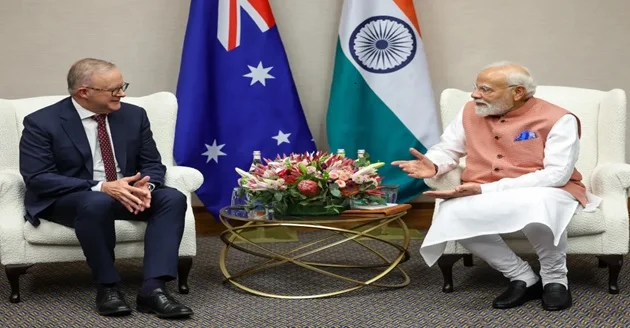
  • Expanding Bilateral Relations: India and Australia have strengthened cooperation in trade and investment, defence and security, education, science and technology, maritime cooperation, and cultural exchange. 
  • Cooperation in Heritage Protection: Both countries have increasingly worked together to address issues relating to illicit trafficking of cultural property, provenance research, museum ethics, and heritage conservation. 

Previous Repatriations from Australia

  • Australia has previously returned several Indian antiquities, including the Nataraja bronze from Sripuranthan, the Ardhanarishvara idol, and other temple sculptures from Tamil Nadu after investigations confirmed their illegal removal. 
  • These repatriations recognized India's ownership claims, encouraged greater scrutiny of museum collections, strengthened India–Australia cultural ties, and underscored the importance of provenance research, international cooperation, ethical museum practices, and public awareness against antiquities trafficking.

Why Is Repatriation Important ?

  • Restoration of Cultural and Religious Identity : Artefacts are part of a community's collective memory. Their return helps reconnect people with their history and traditions. 
  • Religious Significance : Many temple icons were created for worship. Returning them allows them to regain their cultural and spiritual context.
  • Strengthening International Legal Frameworks : Successful use of mechanisms like the MLAT demonstrates the practical utility of bilateral and multilateral legal cooperation in combating heritage crime. 
  • Academic and Historical Value : When artefacts are reunited with their original context, historians and archaeologists can better understand temple networks, artistic traditions, religious practices, and regional history.
  • Combating Illicit Trafficking : Successful repatriations discourage illegal antiquities trading and send a message that stolen cultural property can eventually be traced and returned.

Challenges in Recovering Antiquities

Despite successes, recovering stolen artefacts remains difficult due to : 

  • Lack of Documentation : Many temple objects were never formally catalogued. So, objects remain abroad for decades before being identified.
  • Complex Ownership Histories : Artefacts often pass through multiple dealers and collectors.
  • Legal Difficulties : Different countries have different laws governing cultural property.
  • Smuggling Networks : Organized networks continue to traffic antiquities across borders.

Way Forward

  • Comprehensive Documentation : Digitize and photograph all temple antiquities and create a national database. Improve surveillance and security at temples, museums, and archaeological sites.
  • International Cooperation : Enhance collaboration with foreign governments, museums, Interpol, and UNESCO to trace stolen artefacts.
  • Legal and Institutional Reforms: Strengthen enforcement of heritage laws and improve coordination among the ASI, Ministry of Culture, and law-enforcement agencies.
  • Community Participation : Involve local communities, temple authorities, and civil society in protecting cultural heritage.
  • Cultural Diplomacy : Use repatriation efforts to deepen international partnerships and promote India's civilizational heritage globally.

PRELIMINARY MCQ

Q. With reference to Chola art, consider the following statements:

  1. The Cholas are renowned for both bronze and stone sculptures.

  2. The image of Nataraja attained artistic perfection during the Chola period.

  3. Chola temples functioned solely as places of worship.

Which of the statements given above are correct?

(a) 1 and 2 only

(b) 2 and 3 only

(c) 1 and 3 only

(d) 1, 2 and 3 

MAINS PRACTICE QUESTION

Q. The recovery of stolen antiquities is not merely an administrative exercise but a restoration of historical memory. Examine this statement with reference to the return of Chola-period artefacts from Australia.

FAQs 

1. Why are these artefacts significant ?

They represent the artistic, religious, and cultural heritage of the Chola period, one of the greatest eras in South Indian history.

2. What are the Great Living Chola Temples ?

They are a UNESCO World Heritage Site comprising the Brihadisvara Temple, Gangaikonda Cholapuram, and Airavatesvara Temple.

3. Why is repatriation important ?

It restores cultural identity, corrects historical injustices, strengthens heritage conservation, and discourages illicit trafficking of antiquities.

4. How does this development affect India–Australia relations ?

It strengthens cultural diplomacy, builds mutual trust, and expands cooperation in heritage protection.

5. Which Indian institutions are involved in such efforts ?

Primarily the Archaeological Survey of India (ASI), the Ministry of Culture, and various law-enforcement agencies.

What is transnational organized crime? The India-Canada dispute, the Nijjar case, and Operation Hard Ball explained.

Preliminary Examination

Facts and objectives related to UNTOC, FATF, Interpol, UNODC, UAPA, and the Guwahati Declaration of BRICS.

GS Paper-II : India-Canada relations, India-US relations, international cooperation and diplomacy.

GS Paper-III : Internal security, cross-border terrorism and organized crime, drug trafficking, cybercrime, and international security cooperation.

Why in the news ?

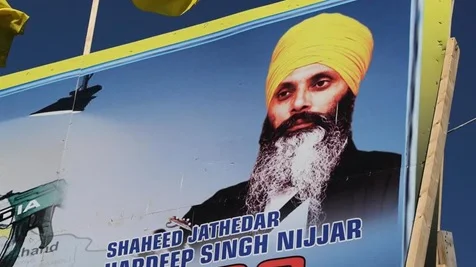
  • Nearly three years ago, the murder of Khalistani separatist Hardeep Singh Nijjar sparked a serious diplomatic row between India and Canada. Canada has now clarified that its investigation has found no direct evidence of Indian government involvement, although the investigation is ongoing.
  • Meanwhile, the United States of America (USA) has filed murder and transnational organized crime charges against Lawrence Bishnoi and Goldy Brar under Operation Hard Ball.

What is Transnational Organized Crime ?

  • Organized crime is criminal activity carried out by an organized group using violence, corruption, or other illegal means for the purpose of obtaining economic or other benefits.
  • When such criminal activities are conducted in more than one country, they are called transnational organized crime.

Canada's changed stance

  • Canadian officials stated that the investigation so far has found no evidence of involvement by the Indian government or its officials.
  • However, the investigation is still ongoing and the case has not been closed.
  • This differs from former Prime Minister Justin Trudeau's 2023 allegations of possible involvement of Indian agencies.
  • India has initially dismissed these allegations as baseless.
  • The process of improving diplomatic relations between the two countries has begun since 2025.

Hardeep Singh Nijjar Case

Who was Hardeep Singh Nijjar ?

  • A resident of Canada since 1997.
  • He was the head of the Khalistan Tiger Force (KTF).
  • India declared the KTF a terrorist organization under the UAPA in 2023.
  • He was also the president of the Guru Nanak Sikh Gurdwara in Surrey, Canada.

India's Allegations

  • According to India, Nijjar raised funds for Khalistani activities.
  • He recruited militants.
  • He was involved in several terrorist and violent incidents.

US Action: Lawrence Bishnoi and Goldy Brar

  • A US federal court has filed murder and organized crime charges against Lawrence Bishnoi (currently in a Gujarat jail) and Goldy Brar (Satinderjit Singh).

Operation Hard Ball

  • This is a US-led operation aimed at cracking down on an international crime syndicate of Indian origin.
  • These crimes include murder, extortion, kidnapping, drug trafficking, money laundering, and organized corruption.
  • The FBI has announced a reward of up to $50,000 for information leading to the arrest of Goldy Brar.

India-US Security Cooperation

  • Intelligence exchanges between India and the United States have increased.
  • Joint action is being taken against organized crime networks.
  • India has shared evidence related to criminals operating abroad.
  • Information obtained through technical surveillance and interrogations has also been exchanged.

New Trends in Transnational Organized Crime

  • Recent investigations have revealed links between Indian criminal gangs and drug traffickers based in Pakistan.
  • Proceeds from drug trafficking are being used to fund targeted killings.
  • The use of drones has increased along sea routes and the India-Pakistan border.
  • Criminals evade surveillance by using VPNs, encrypted messaging apps, and modern digital technologies.

Key Implications for India

1. Diplomatic Implications

  • India-Canada Relations
  • India-US Security Cooperation
  • Importance of Evidence-Based Investigations

2. Internal Security

  • Cross-Border Drug Trafficking
  • Prison-Operated Crime
  • Cyber-Based Organized Crime
  • Transnational Crime Networks

3. Legal and Administrative Aspects

  • Use of the UAPA
  • Challenges of Extradition
  • International Police Cooperation
  • Coordination Between Intelligence Agencies

International Efforts

  • Major initiatives to combat transnational organized crime :
    • United Nations Convention against Transnational Organized Crime (UNTOC)
    • Financial Action Task Force (FATF)
    • Interpol
    • United Nations Office on Drugs and Crime (UNODC)
    • Guwahati Declaration of BRICS - Promotes cooperation against drug trafficking and transnational organized crime.

Conclusion

This case demonstrates that transnational organized crime is no longer just a matter of law and order, but also a significant issue of national security, diplomacy, and global cooperation. Intelligence sharing, legal cooperation, and the role of multilateral institutions have become more important than ever to address changing technologies and cross-border criminal networks.

Preliminary Exam Questions

Q. Consider the following statements:

  1. UNODC is the United Nations agency that works on matters related to drugs and crime.

  2. Interpol promotes international police cooperation.

  3. FATF is a specialized agency of the United Nations.

Which of the above statements is/are correct?

  1. 1 and 2 only

  2. 2 and 3 only

  3. 1 and 3 only

  4. 1, 2, and 3

 Mains Question

How is transnational organized crime posing a challenge to global security and national relations? Explain.

FAQs: Transnational Organized Crime, the Nijjar Case, and India-Canada Relations

Question 1. What is transnational organized crime ?

Answer : Transnational organized crime is when an organized criminal group commits crimes in two or more countries. This includes activities such as drug trafficking, human trafficking, money laundering, arms trafficking, cybercrime, and organized violence.

Question 2. Who was Hardeep Singh Nijjar ?

Answer : Hardeep Singh Nijjar was a Canadian resident and the head of the Khalistan Tiger Force (KTF). India has designated the KTF a terrorist organization under the Unlawful Activities (Prevention) Act (UAPA).

Question 3. What has Canada recently said about the Nijjar case ?

Answer : Canadian officials have stated that the investigation so far has found no direct evidence of involvement by the Indian government or its officials, although the investigation is still ongoing.

Question 4. What is Operation Hard Ball ?

Answer : Operation Hard Ball is a US-led campaign aimed at cracking down on transnational organized crime, extortion, drug trafficking, kidnapping, murder, and other organized criminal networks.

upsc english
« »
  • SUN
  • MON
  • TUE
  • WED
  • THU
  • FRI
  • SAT
Have any Query?

Our support team will be happy to assist you!

OR