New
Hindi Medium: (Delhi) - GS Foundation (P+M) : 6th July 2026, 6:00 PM Hindi Medium: (Prayagraj) - GS Foundation (P+M) : 5th July 2026, 8:00 AM English Medium: (Delhi) - GS Foundation (P+M) : 20th July 2026 English Medium: (Prayagraj) - GS Foundation (P+M) : 15th July 2026, 8:00 AM Hindi Medium: (Delhi) - GS Foundation (P+M) : 6th July 2026, 6:00 PM Hindi Medium: (Prayagraj) - GS Foundation (P+M) : 5th July 2026, 8:00 AM English Medium: (Delhi) - GS Foundation (P+M) : 20th July 2026 English Medium: (Prayagraj) - GS Foundation (P+M) : 15th July 2026, 8:00 AM

Reclaiming the Chola Legacy: Three Medieval Antiquities Set to Return to India

Prelims

Art & Culture, Current Affairs

Mains

GS Paper I – Indian Culture; GS Paper II – International Relations; GS Paper III – Heritage Conservation

Why Is This in the News ?

  • Three Chola-era antiquities housed in two Australian museums are being repatriated to India after efforts by Indian authorities, cultural experts, and international partners. 
  • The artefacts, which originated from Tamil Nadu and date back to the 11th–12th centuries CE, were traced and identified as objects that had left India through questionable circumstances.
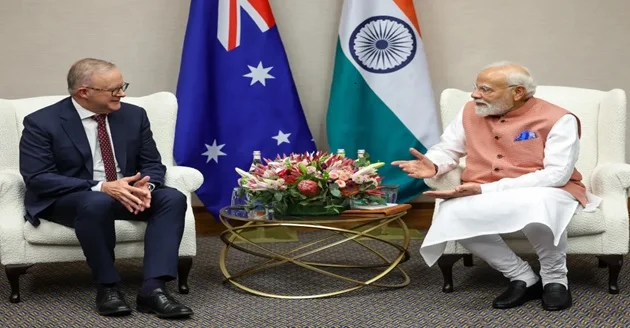
  •  The return of these objects is therefore both a cultural and diplomatic achievement.

What are these three antiquities returning to India 

  • The Nandi Sculpture : A granite stone sculpture of Nandi, the sacred bull and vahana (mount) of Lord Shiva, dated to the 11th–12th century. It originates from the Sri Kasiviswanathaswamy Temple in Kollumangudi village, Thiruvarur district. Sculpted in the Tamil Shaiva temple tradition, the idol was traditionally placed facing the sanctum sanctorum as a symbol of devotion and steadfastness.
  • The Bhadrakali Trident (Trishula) : A bronze ceremonial trident, dated to the 11th century, bearing the image of Goddess Bhadrakali. Unlike stone idols permanently installed within temple sanctums, such tridents were traditionally used in festival processions. It symbolises protection, the destruction of evil, and divine power within Shaiva-Shakti worship traditions. This trident also originates from the Kollumangudi temple complex.
  • The Six-Headed Karttikeya (Shanmukha) Idol : A stone (basalt) sculpture of the six-headed form of Lord Karttikeya also revered as Murugan, Skanda, or Subramanya dated to the 12th century. Standing approximately 130 centimetres tall, it originally belonged to the Naganathaswamy Temple at Manambadi, near Kumbakonam in Thanjavur district.

Historical Background: Chola Art and Temple Culture

  • The Chola dynasty (9th–13th centuries CE) was one of India's most powerful empires, reaching its zenith under Rajaraja I and Rajendra I. The Cholas expanded their influence across South India, Sri Lanka, and parts of Southeast Asia through trade and military expeditions. 
  • They are renowned for monumental temple architecture, including the Brihadisvara Temple, Gangaikonda Cholapuram, and Airavatesvara Temple, collectively recognized as the Great Living Chola Temples (UNESCO World Heritage Site). Chola bronzes and stone sculptures, especially the iconic Nataraja, are celebrated for their realism, spirituality, and craftsmanship. 
  • Temples served as centers of worship, administration, culture, education, and economic activity, making the returned antiquities invaluable symbols of Tamil Nadu's rich civilizational heritage.

How Were the Artefacts Traced ?

  • The recovery of these antiquities was made possible through sustained investigative work by the Tamil Nadu Idol Wing-CID, a specialised police unit dedicated to tracking stolen temple idols and antiquities. Officials examined temple records, archival documentation, old photographs, and museum catalogues to establish clear provenance and reconstruct the objects' journey out of India and into Australian institutional collections.
  • Based on this evidence, India formally sought the return of the artefacts through the Mutual Legal Assistance Treaty (MLAT) framework, a bilateral legal mechanism that facilitates cooperation between countries in criminal investigations, including the recovery of stolen cultural property. Australian authorities, upon reviewing the evidence, agreed to voluntarily repatriate the objects.

India–Australia Cultural Cooperation

  • Expanding Bilateral Relations: India and Australia have strengthened cooperation in trade and investment, defence and security, education, science and technology, maritime cooperation, and cultural exchange. 
  • Cooperation in Heritage Protection: Both countries have increasingly worked together to address issues relating to illicit trafficking of cultural property, provenance research, museum ethics, and heritage conservation. 

Previous Repatriations from Australia

  • Australia has previously returned several Indian antiquities, including the Nataraja bronze from Sripuranthan, the Ardhanarishvara idol, and other temple sculptures from Tamil Nadu after investigations confirmed their illegal removal. 
  • These repatriations recognized India's ownership claims, encouraged greater scrutiny of museum collections, strengthened India–Australia cultural ties, and underscored the importance of provenance research, international cooperation, ethical museum practices, and public awareness against antiquities trafficking.

Why Is Repatriation Important ?

  • Restoration of Cultural and Religious Identity : Artefacts are part of a community's collective memory. Their return helps reconnect people with their history and traditions. 
  • Religious Significance : Many temple icons were created for worship. Returning them allows them to regain their cultural and spiritual context.
  • Strengthening International Legal Frameworks : Successful use of mechanisms like the MLAT demonstrates the practical utility of bilateral and multilateral legal cooperation in combating heritage crime. 
  • Academic and Historical Value : When artefacts are reunited with their original context, historians and archaeologists can better understand temple networks, artistic traditions, religious practices, and regional history.
  • Combating Illicit Trafficking : Successful repatriations discourage illegal antiquities trading and send a message that stolen cultural property can eventually be traced and returned.

Challenges in Recovering Antiquities

Despite successes, recovering stolen artefacts remains difficult due to : 

  • Lack of Documentation : Many temple objects were never formally catalogued. So, objects remain abroad for decades before being identified.
  • Complex Ownership Histories : Artefacts often pass through multiple dealers and collectors.
  • Legal Difficulties : Different countries have different laws governing cultural property.
  • Smuggling Networks : Organized networks continue to traffic antiquities across borders.

Way Forward

  • Comprehensive Documentation : Digitize and photograph all temple antiquities and create a national database. Improve surveillance and security at temples, museums, and archaeological sites.
  • International Cooperation : Enhance collaboration with foreign governments, museums, Interpol, and UNESCO to trace stolen artefacts.
  • Legal and Institutional Reforms: Strengthen enforcement of heritage laws and improve coordination among the ASI, Ministry of Culture, and law-enforcement agencies.
  • Community Participation : Involve local communities, temple authorities, and civil society in protecting cultural heritage.
  • Cultural Diplomacy : Use repatriation efforts to deepen international partnerships and promote India's civilizational heritage globally.

PRELIMINARY MCQ

Q. With reference to Chola art, consider the following statements:

  1. The Cholas are renowned for both bronze and stone sculptures.

  2. The image of Nataraja attained artistic perfection during the Chola period.

  3. Chola temples functioned solely as places of worship.

Which of the statements given above are correct?

(a) 1 and 2 only

(b) 2 and 3 only

(c) 1 and 3 only

(d) 1, 2 and 3 

MAINS PRACTICE QUESTION

Q. The recovery of stolen antiquities is not merely an administrative exercise but a restoration of historical memory. Examine this statement with reference to the return of Chola-period artefacts from Australia.

FAQs 

1. Why are these artefacts significant ?

They represent the artistic, religious, and cultural heritage of the Chola period, one of the greatest eras in South Indian history.

2. What are the Great Living Chola Temples ?

They are a UNESCO World Heritage Site comprising the Brihadisvara Temple, Gangaikonda Cholapuram, and Airavatesvara Temple.

3. Why is repatriation important ?

It restores cultural identity, corrects historical injustices, strengthens heritage conservation, and discourages illicit trafficking of antiquities.

4. How does this development affect India–Australia relations ?

It strengthens cultural diplomacy, builds mutual trust, and expands cooperation in heritage protection.

5. Which Indian institutions are involved in such efforts ?

Primarily the Archaeological Survey of India (ASI), the Ministry of Culture, and various law-enforcement agencies.

Have any Query?

Our support team will be happy to assist you!

OR