Current Affairs for 13 October 2026

INDRA 2026: INS Sahyadri in Russia for Naval Exercise - Objectives and Strategic Significance

Prelims: Exercise INDRA, INS Sahyadri, Shivalik-class Frigates, Vladivostok, MAHASAGAR Vision, Indian Navy.
Mains: GS Paper II – India–Russia Relations and Bilateral Cooperation; GS Paper III – Maritime Security, Defence Technology and Operational Preparedness.
Keywords: INDRA 2026, INS Sahyadri, India–Russia Naval Exercise, Vladivostok, Maritime Cooperation, MAHASAGAR Vision, Naval Interoperability, Defence Diplomacy.

Why in News?

  • INS Sahyadri arrived at Vladivostok, Russia to participate in Exercise INDRA 2026, scheduled from October 13 to 18, 2026.
  • The bilateral exercise involves the Indian Navy and the Russian Federation Navy and aims to strengthen maritime cooperation and operational coordination. 

Evolution of India–Russia Defence Cooperation through INDRA

  • India and Russia share a longstanding defence relationship, supported by military exercises, professional exchanges and institutional cooperation.
  • The INDRA framework is an important part of this engagement. It has included cooperation across military services: the first tri-service INDRA exercise was held at Vladivostok in October 2017. The present announcement concerns the naval exercise involving INS Sahyadri. 

About Exercise INDRA 2026

Aspect

Details

Participating countries

India and Russia

Participating forces

Indian Navy and Russian Federation Navy

Indian warship

INS Sahyadri

Host port

Vladivostok, Russia

Scheduled dates

October 13–18, 2026

Structure

Harbour engagements followed by coordinated activities at sea

Primary objective

Strengthen operational coordination and interoperability

The programme also includes social and cultural exchanges between naval personnel.

About INS Sahyadri

  • INS Sahyadri is an indigenously built Shivalik-class guided-missile stealth frigate.
  • Its deployment illustrates the role of Indian-built warships in international naval cooperation.
  • The ship has participated in other overseas exercises, including the Japan–India Maritime Exercise in October 2025. 

Harbour and Sea Phases

  • Harbour phase: This phase will involve professional engagements that provide opportunities for interaction and preparation before coordinated operations.
  • Sea phase: Harbour engagements will be followed by operational activities at sea, intended to improve coordination and mutual understanding. 

The official announcement does not provide a detailed list of individual combat drills or participating Russian vessels.

Understanding Interoperability

Interoperability refers to the ability of different armed forces to operate effectively together. In naval operations, it involves:

  • Establishing effective communication.
  • Understanding each other’s procedures.
  • Coordinating ship movements and activities.
  • Developing familiarity with different operational practices.

INDRA 2026 identifies improved interoperability as one of its central objectives. 

Alignment with the MAHASAGAR Vision

  • The deployment aligns with India’s MAHASAGAR vision - Mutual and Holistic Advancement for Security and Growth Across Regions.
  • It also seeks to sustain the momentum of bilateral engagement following the 23rd India–Russia Annual Summit, held on December 4-5, 2025.

Significance

  • Strengthening Defence Diplomacy: Naval engagements create opportunities to maintain professional contact and reinforce defence relationships through practical cooperation.
  • Improving Operational Understanding: Working together enables personnel to understand different naval practices. Such familiarity can make future coordination more effective.
  • Building Professional Relationships: Social and cultural activities complement operational training by encouraging interaction between personnel and strengthening camaraderie. These exchanges form part of the announced programme.
  • Connecting Diplomacy with Operational Engagement: The exercise demonstrates how bilateral diplomatic engagement can be supported by practical exchanges between the armed forces.

Relevance for India

The following are strategic implications of the deployment:

  • Operational experience: Overseas engagements expose naval crews to different operating environments and procedures.
  • Indigenous capability: The participation of an Indian-built frigate demonstrates domestic warship-building capability.
  • Maritime outreach: Naval visits and exercises support sustained engagement with partner countries.
  • Strategic autonomy: Cooperation with Russia can be understood within India’s broader approach of maintaining diverse defence partnerships and independent decision-making.

Challenges

These are broader considerations for naval cooperation, rather than problems officially reported during INDRA 2026.

  • Differences in Equipment and Procedures: Different communication systems, platforms and operating practices can make coordination demanding.
  • Sustaining Training Benefits: The value of an exercise depends on whether lessons are documented, assessed and incorporated into subsequent training.
  • Managing Geopolitical Complexity: India must pursue bilateral defence cooperation while navigating wider international tensions and protecting its own strategic interests.
  • Deployment and Logistics: Overseas operations require careful planning for maintenance, supplies, personnel readiness and operational safety.

Way Forward

  • Strengthen professional exchanges: Maintain regular interaction between naval personnel.
  • Assess exercise outcomes: Identify operational lessons and areas requiring further coordination.
  • Improve communication procedures: Develop greater familiarity with practices needed for safe joint operations.
  • Support indigenous capabilities: Use operational experience to inform training and capability development.
  • Maintain an interest-based approach: Align maritime partnerships with India’s security priorities and strategic autonomy.

Conclusion

Exercise INDRA 2026 provides an opportunity to strengthen India–Russia maritime cooperation through professional exchanges and coordinated naval activities.Its practical value will depend on the operational lessons gained and the ability to translate them into sustained cooperation.

Prelims MCQ

INS Sahyadri, participating in Exercise INDRA 2026, belongs to which class of Indian naval warships?

(a) Kolkata class
(b) Shivalik class
(c) Kalvari class
(d) Vikrant class 

Mains Practice Question

“Bilateral naval exercises strengthen operational preparedness while serving as instruments of defence diplomacy.” Discuss with reference to India–Russia maritime cooperation.

FAQs

1. What is Exercise INDRA 2026?

The announced naval edition is a bilateral exercise involving the Indian Navy and the Russian Federation Navy.

2. When and where is INDRA 2026 scheduled?

It is scheduled for October 13–18, 2026, with Vladivostok, Russia, serving as the host port, followed by coordinated activities at sea.

3. What is INS Sahyadri?

INS Sahyadri is an indigenously built Shivalik-class guided-missile stealth frigate of the Indian Navy. 

4. What are the main objectives of the exercise?

The exercise aims to improve mutual understanding, operational coordination and interoperability between the participating navies.

5. What does MAHASAGAR stand for?

MAHASAGAR stands for Mutual and Holistic Advancement for Security and Growth Across Regions. INS Sahyadri’s deployment aligns with this vision of maritime engagement.

International Day for Disaster Risk Reduction: Theme, Key Facts, History, Sendai Framework, Seven Global Targets, India’s Initiatives, Importance and Challenges

Why in news?

The International Day for Disaster Risk Reduction (IDDRR) is observed annually on 13 October to promote awareness about disaster prevention, preparedness and resilience.

Key Facts

Particular

Details

International Day for Disaster Risk Reduction

13 October

First UN initiative

1989

Date formally designated

2009

UNGA Resolution

64/200

Associated UN Agency

UNDRR

UNDRR Headquarters

Geneva, Switzerland

2026 Theme

Resilience Starts at Home

Global Framework

Sendai Framework (2015-2030)

Preceding Framework

Hyogo Framework (2005-2015)

Sendai Framework adopted

18 March 2015

Sendai Framework priorities

4

Sendai Framework global targets

7

India's principal disaster management law

Disaster Management Act, 2005

History

  • In 1989, the United Nations General Assembly called for an international observance to promote disaster reduction awareness.
  • In 2009, UNGA Resolution 64/200 designated 13 October as the International Day for Disaster Reduction.

Year

Important Development

1989

UN General Assembly initiated international disaster reduction observance

1994

Yokohama Strategy for disaster prevention, preparedness and mitigation

2005

Hyogo Framework for Action adopted

2009

13 October formally designated through UNGA Resolution 64/200

2015

Sendai Framework for Disaster Risk Reduction adopted

2030

Target year for achieving the Sendai Framework's global objectives

What is Disaster Risk Reduction?

  • Refers to policies and measures aimed at preventing new disaster risks, reducing existing risks and managing residual risks.
  • It includes hazard assessment, early warning systems, resilient infrastructure, land-use planning and community preparedness.
  • DRR seeks to reduce vulnerability and exposure to hazards while strengthening the capacity of communities to withstand and recover from disasters.
  • It covers natural hazards, environmental hazards and relevant technological and human-induced hazards.

Major Concepts in Disaster Risk Reduction

Concept

Meaning

Hazard

A process, phenomenon or activity capable of causing harm

Exposure

People, infrastructure and assets located in hazard-prone areas

Vulnerability

Conditions that increase susceptibility to damage

Capacity

Resources and abilities available to manage disaster risk

Resilience

Ability to resist, absorb, adapt to and recover from disasters

Mitigation

Measures to reduce the adverse impacts of hazards

Preparedness

Planning and readiness for effective disaster response

Sendai Framework for Disaster Risk Reduction (2015-2030)

  • The Sendai Framework was adopted on 18 March 2015 at the Third UN World Conference on Disaster Risk Reduction in Sendai, Japan.
  • It succeeded the Hyogo Framework for Action (2005–2015).
  • It is a voluntary, non-binding global agreement that recognises the primary role of governments in reducing disaster risk.
  • It aims to substantially reduce disaster risks and losses in lives, livelihoods, health and economic, physical, social, cultural and environmental assets.

Four Priorities of the Sendai Framework

  • Understanding Disaster Risk: Improving knowledge of hazards, exposure and vulnerability.
  • Strengthening Disaster Risk Governance: Developing effective laws, policies and institutions.
  • Investing in Disaster Risk Reduction: Promoting resilient infrastructure and risk-informed investment.
  • Enhancing Disaster Preparedness: Strengthening response capabilities and adopting the Build Back Better approach during recovery and reconstruction.

Seven Global Targets of the Sendai Framework

Target

Objective

A

Reduce global disaster mortality

B

Reduce the number of disaster-affected people

C

Reduce direct disaster economic losses relative to global GDP

D

Reduce damage to critical infrastructure and disruption of basic services

E

Increase countries with national and local DRR strategies

F

Enhance international cooperation for developing countries

G

Increase access to multi-hazard early warning systems and disaster risk information

United Nations Office for Disaster Risk Reduction (UNDRR)

  • UNDRR was established in 1999 as the United Nations International Strategy for Disaster Reduction (UNISDR).
  • It was renamed UNDRR in 2019.
  • Its headquarters is located in Geneva, Switzerland.
  • It coordinates international efforts to implement the Sendai Framework.
  • It supports disaster risk monitoring, policy development, international cooperation and resilience-building.

Disaster Management in India

  • Disaster management in India is coordinated through institutions at the national, state and district levels.
  • The Disaster Management Act, 2005, provides the principal legal framework, subsequently amended in 2025.
  • The Ministry of Home Affairs serves as the nodal ministry for overall disaster management coordination at the national level.

Major Disaster Management Institutions are: 

Institution

Main Responsibility

NDMA

National-level disaster management policies and guidelines

NDRF

Specialised disaster response and rescue

NIDM

Disaster management training, research and capacity building

SDMA

State-level disaster management

DDMA

District-level planning and coordination

IMD

Weather forecasts and cyclone warnings

CWC

Flood forecasting

INCOIS

Tsunami early warning services

Major Disaster Risk Reduction Initiatives in India

  • National Disaster Management Authority (NDMA)
    • Established under the Disaster Management Act, 2005.
    • Chaired by the Prime Minister of India.
    • Responsible for laying down disaster management policies, plans and guidelines.
    • National Disaster Response Force (NDRF)
  • Constituted under the Disaster Management Act, 2005.
    • Specialises in search and rescue, evacuation and disaster response.
    • Responds to floods, earthquakes, cyclones, building collapses and other emergencies.
  • Coalition for Disaster Resilient Infrastructure (CDRI)
    • Launched by India in 2019 at the UN Climate Action Summit in New York.
    • Its secretariat is located in New Delhi.
    • Promotes climate- and disaster-resilient infrastructure.
    • Supports international cooperation, research and capacity building.
  • SACHET
    • A national disaster alert platform developed under NDMA.
    • Provides location-specific warnings and disaster-related information.
    • Supports dissemination of alerts through multiple communication channels.
  • Early Warnings for All (EW4All)
    • Launched by the United Nations in 2022.
    • Aims to protect everyone on Earth through early warning systems by the end of 2027.
    • Focuses on risk knowledge, monitoring and forecasting, warning dissemination and preparedness to respond.

Importance of Disaster Risk Reduction

  • Human safety: Reduces disaster-related deaths and injuries
  • Economic protection: Minimises damage to infrastructure and livelihoods
  • Environmental protection: Helps protect ecosystems and natural resources
  • Climate resilience: Strengthens adaptation to climate-related hazards
  • Social protection: Reduces risks faced by vulnerable communities
  • Infrastructure resilience: Improves continuity of essential services

Major Challenges 

  • Climate Change: Increasing the intensity or frequency of several weather-related hazards.
  • Rapid Urbanisation: Unplanned construction and settlement in hazard-prone areas increase exposure.
  • Weak Infrastructure: Poor building quality and inadequate maintenance increase disaster vulnerability.
  • Financial Constraints: Limited resources restrict investments in preparedness and resilience.
  • Early Warning Gaps: Inadequate last-mile communication can prevent timely protective action.

International Disaster Risk Reduction Framework

Framework / Initiative

Main Objective

Sendai Framework

Reduce disaster risks and losses by 2030

Paris Agreement

Strengthen global climate action and adaptation

SDG 11

Make cities and settlements safe, resilient and sustainable

SDG 13

Strengthen climate action and resilience

Early Warnings for All

Universal protection through early warning systems

CDRI

Promote disaster-resilient infrastructure

Prelims MCQ

Q. Consider the following statements regarding the Sendai Framework for Disaster Risk Reduction:

  1.  It was adopted in Japan in 2015.
  2. It replaced the Hyogo Framework for Action.
  3. It is a legally binding international agreement.

Which of the statements given above are correct?

A. 1 and 2 only

B. 2 and 3 only

C. 1 and 3 only

D. 1, 2 and 3

Mains Practice Question

Q. Discuss the significance of the Sendai Framework in strengthening disaster risk reduction and resilience in India. 

FAQs

When is the International Day for Disaster Risk Reduction observed?

13 October every year.

What is the theme for 2026?

Resilience Starts at Home

Which UN agency works on disaster risk reduction?

United Nations Office for Disaster Risk Reduction (UNDRR).

When was the Sendai Framework adopted?

In 2015, in Japan.

How many global targets are included in the Sendai Framework?

Seven global targets.

SEBI Introduces Credit Risk-o-Meter for Bonds: Colour-Coded System to Improve Investor Protection

Prelims: Securities and Exchange Board of India (SEBI), Credit Risk-o-Meter, Corporate Bonds, Credit Rating Agencies, Debt Securities, Investor Protection, Financial Market Regulation.
Mains: GS Paper III Indian Economy, Capital Markets, Financial Sector Reforms, Corporate Bond Market, Transparency and Investor Protection.
Keywords: SEBI Credit Risk-o-Meter, Bond Credit Risk, Colour-Coded Risk Classification, Credit Ratings, AAA Bonds, Default Risk, Debt Securities, Corporate Bond Market, Investor Awareness, Financial Transparency.

Why in News?

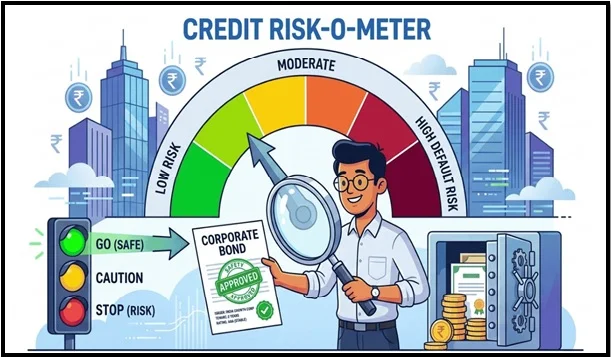
  • The Securities and Exchange Board of India (SEBI) has introduced a colour-coded Credit Risk-o-Meter (CRM) to help investors assess the credit risk associated with bonds and other specified debt securities.
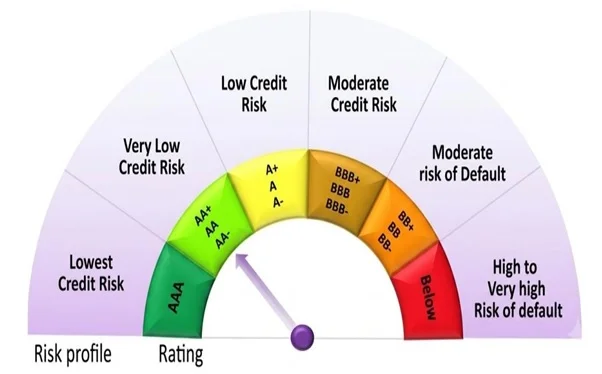
  • The new framework classifies credit risk into six categories, using different colours ranging from green to red, based on the credit rating assigned to a debt instrument.

What is SEBI's Credit Risk-o-Meter?

  • The Credit Risk-o-Meter is a visual risk assessment tool that presents the credit risk of specified debt securities through six colour-coded categories.
  • Its purpose is to make credit rating information more accessible, particularly to retail investors who may not be familiar with technical financial terminology.

Colour classification prescribed in SEBI's circular dated October 7, 2026. The gauge is an illustrative visualisation, not a rating of a specific bond.

Key Provisions of the New Framework

1. Mandatory Disclosure Requirements

  • Issuers and Online Bond Platform Providers (OBPPs) must prominently display the Credit Risk-o-Meter in offer documents, abridged prospectuses, private placement memoranda and advertisements.
  • The meter must also appear on web and mobile bond platforms, allowing investors to identify credit risk before investing.
  • The disclosure must specify the name of the Credit Rating Agency (CRA) and the actual rating assigned to the instrument.

2. Multiple Credit Ratings

  • When a debt security receives ratings from multiple credit rating agencies, the meter must reflect the lowest assigned rating.
  • Issuers may display the other ratings alongside the meter.
  • This provision aims to prevent investors from relying exclusively on the most favourable credit rating.

3. Special Disclosure for Unsecured Bonds

  • For unsecured debt instruments, the term Unsecured must appear below the meter in bold red text.
  • Additional Tier-1 (AT1) bonds must carry a separate warning about the possibility of losing the entire invested capital.
  • These disclosures are intended to improve investor awareness of the specific risks associated with such instruments.

4. Issuer Not Cooperating (INC)

  • When a Credit Rating Agency classifies an issuer as Issuer Not Cooperating, the meter must indicate this status through a separate INC zone.
  • Such a classification signals that the rating agency has faced difficulties obtaining adequate information from the issuer.
  • This disclosure helps investors identify potential information gaps while assessing creditworthiness.

5. Updating Credit Ratings

  • Online Bond Platform Providers must update the Credit Risk-o-Meter within 24 hours of receiving rating-change alerts from depositories such as NSDL and CDSL.
  • The meter must be prominently positioned on bond listing and detail pages, ahead of investment action buttons.
  • These requirements are designed to reduce the risk of investors making decisions using outdated credit ratings. 

Which Debt Instruments Are Covered?

The framework applies to listed and proposed-to-be-listed debt instruments, including:

  • Non-Convertible Securities (NCS): Debt instruments that cannot be converted into equity shares.
  • Commercial Papers (CPs): Short-term unsecured instruments issued to raise funds.
  • Securitised Debt Instruments (SDIs): Securities backed by pools of underlying financial assets.
  • Security Receipts (SRs): Instruments representing interests in acquired financial assets.
  • Market-Linked Debentures (MLDs): Debt instruments whose returns are linked to specified market indicators.

Significance of SEBI's Credit Risk-o-Meter

  • Improved Investor Protection: The colour-coded mechanism simplifies complex financial information and helps investors identify potential default risks before investing.
  • Greater Market Transparency: Standardised risk disclosures enable investors to compare the credit risk of different debt instruments more effectively.
  • Financial Literacy: The system makes credit ratings easier to understand, particularly for first-time retail investors.
  • Strengthening the Corporate Bond Market: Improved risk communication may enhance investor confidence and encourage more informed participation in India's debt market.
  • Regulatory Accountability: Mandatory disclosures and timely rating updates strengthen the responsibilities of issuers, rating agencies and online bond platforms.

Challenges and Limitations

  • Limited Risk Coverage: The Credit Risk-o-Meter measures credit risk but does not capture market risk, interest rate risk or liquidity risk.
  • Dependence on Credit Ratings: Its effectiveness depends on the accuracy, independence and timeliness of ratings issued by CRAs.
  • Risk of Oversimplification: Investors may interpret green-rated securities as completely safe, even though all investments involve some degree of risk.
  • Compliance Requirements: Issuers and online platforms must maintain systems to display and update risk classifications accurately.

Way Forward

  • SEBI should strengthen supervision of credit rating agencies to improve the reliability of risk assessments.
  • Investor awareness programmes should explain the differences between credit, market and liquidity risks.
  • Online bond platforms should integrate clear disclosures and investor education tools alongside the Credit Risk-o-Meter.
  • Periodic evaluation of the framework can help identify implementation gaps and improve risk communication.

Prelims MCQs

Q. The Credit Risk-o-Meter introduced by SEBI primarily aims to:

A. Determine interest rates on corporate bonds 

B. Assess and visually disclose credit risk associated with debt securities 

C. Guarantee repayment of all bond investments 

D. Regulate foreign exchange transactions

Mains Question

Q. Discuss the significance of SEBI's Credit Risk-o-Meter in enhancing transparency and investor protection in India's corporate bond market. Examine its limitations in assessing the overall risks associated with debt securities.

Frequently Asked Questions (FAQs)

1. What is SEBI's Credit Risk-o-Meter?

It is a six-level, colour-coded disclosure tool introduced by SEBI to help investors understand the credit risk associated with specified debt securities.

2. Which colour represents the highest credit risk?

Red represents high to very high risk of default, covering instruments rated in the B, C and D categories.

3. Does the Credit Risk-o-Meter guarantee investment safety?

No. It provides information about credit risk but does not guarantee repayment or protection against market and liquidity risks.

4. What happens when a bond has multiple credit ratings?

The Credit Risk-o-Meter must reflect the lowest rating assigned by the credit rating agencies, although other ratings may also be disclosed.

5. What is the significance of the Credit Risk-o-Meter for retail investors?

It makes complex credit rating information easier to interpret, improves risk awareness and supports more informed investment decisions.

upsc english
« »
  • SUN
  • MON
  • TUE
  • WED
  • THU
  • FRI
  • SAT