New
GS Foundation (P+M) - Delhi : 05th Jan., 2026 Winter Sale offer UPTO 75% + 10% Off, Valid Till : 5th Dec., 2025 GS Foundation (P+M) - Prayagraj : 15th Dec., 11:00 AM Winter Sale offer UPTO 75% + 10% Off, Valid Till : 5th Dec., 2025 GS Foundation (P+M) - Delhi : 05th Jan., 2026 GS Foundation (P+M) - Prayagraj : 15th Dec., 11:00 AM

Current Affairs for 24 November 2025

Digital Verification Challenges Under MGNREGA’s e-KYC Drive

(Prelims: Governance + CA)
(Mains: GS-2 – Governance; GS-3 – Economic Development)

Why in the News?

The Mahatma Gandhi National Rural Employment Guarantee Act (MGNREGA) covers nearly 26 crore registered workers across 2.69 lakh gram panchayats. Over the past six months, around 15 lakh workers were removed from the database. However, within a single month (October 10–November 14, 2025), deletions surged to 27 lakh, significantly exceeding the 10.5 lakh new additions during the same period. This spike coincides with the Union Government’s intensified push for mandatory e-KYC verification to eliminate ineligible or duplicate beneficiaries. Growing concerns indicate that the verification process may be disproportionately excluding genuine workers who lack documentation or face biometric authentication issues.

Legal Provisions on Job Cards

Statutory Requirements

  • Under Para 2 of Schedule II, Gram Panchayats must issue job cards within 15 days of receiving an application.
  • Job cards must include:
    • Unique number
    • Registration details
    • Insurance information
    • Aadhaar numbers (where available)

Renewal Rules

  • As per Para 3 of Schedule II, job cards must be renewed every five years after proper verification.

Responsibility of States

  • State governments, through Panchayati Raj Institutions, handle job card issuance, verification, and renewal.

Government’s Rationale for the e-KYC Push

  • The Ministry of Rural Development states that worker verification is an ongoing process, and e-KYC is an additional step toward greater transparency and efficiency.
  • The government claims digital verification improves service delivery and reduces inclusion errors.
  • Over 56% of active workers have completed e-KYC so far, showing steady progress.

Methods of Worker Verification Before e-KYC

1. Digital Attendance – NMMS App

  • After a year-long pilot (May 2022), worker attendance was captured digitally through the National Mobile Monitoring System (NMMS).
  • Mates/supervisors uploaded geotagged photos twice a day from worksites.

2. Aadhaar-Based Payment System (ABPS)

  • Made mandatory in January 2023, requiring Aadhaar linkage with job cards and bank accounts.

3. NPCI Mapping

  • Workers’ Aadhaar and banks’ IINs had to be mapped with the NPCI database for Aadhaar-enabled payments.

These measures aimed to eliminate duplication and ensure wages reached authentic beneficiaries.

The e-KYC Process

Under the NMMS-integrated e-KYC system:

  • Supervisors capture live photographs of every worker at the worksite.
  • This image is digitally matched with the worker’s Aadhaar photo, enabling instant authentication.
  • Since 99.67% of active workers have Aadhaar seeded, e-KYC offers a quick verification pathway.

Link Between e-KYC and MGNREGA Worker Deletions

Earlier Digital Reforms Caused Exclusion

The introduction of NMMS attendance and ABPS led to widespread issues such as:

  • Poor internet connectivity
  • Inadequate digital literacy
  • Technical failures preventing attendance capture
  • Resulting wage losses

Aadhaar Data Mismatches

  • ABPS required perfect alignment between Aadhaar, job card, and bank data.
  • Even minor spelling variations triggered rejection.
  • Deletions rose 247% between 2021–22 and 2022–23 during ABPS rollout.

Challenges with NMMS Implementation

Major issues included:

  • Uploading irrelevant or fake photos
  • Photo-to-photo capture instead of live images
  • Large discrepancies between actual and digital attendance

To address this, a multi-layered verification system was introduced—100% verification at the GP level.

Why e-KYC Was Introduced

e-KYC aims to correct NMMS shortcomings by using Aadhaar-based face authentication to ensure identity accuracy.

Government Denies Direct Link to Deletions

The government asserts:

  • Deletions follow a January SOP ensuring transparency.
  • Workers are allowed appeals before deletion.
  • e-KYC is not responsible for the spike in removals.

However, High e-KYC States Show High Deletions

  • Andhra Pradesh: 78.4% e-KYC → 15.92 lakh deletions
  • Tamil Nadu: 67.6% e-KYC → 30,529 deletions
  • Chhattisgarh: 66.6% e-KYC → 1.04 lakh deletions

These trends raise questions about the indirect role of e-KYC in worker exclusion.

Significance of the Issue

Impact on Rural Livelihoods

Worker deletions threaten access to guaranteed wage employment across rural India.

Governance and Digital Exclusion

Over-reliance on digital verification risks excluding the most vulnerable.

Transparency vs. Accessibility

Balancing fraud prevention with inclusion remains a core challenge.

State–Centre Coordination

Varied state performance highlights gaps in digital infrastructure and administrative capacity.

Challenges

  • Digital illiteracy and poor connectivity
  • Biometric mismatches and Aadhaar data errors
  • Inconsistent implementation across states
  • Risk of excluding genuine workers
  • Administrative burden on supervisors and GPs

Way Forward

  • Strengthen grievance redress mechanisms
  • Allow alternative ID verification methods
  • Enhance digital literacy and field-level training
  • Improve NMMS and ABPS systems
  • Ensure no worker is deleted without proper verification and appeal opportunity

FAQs

1. Why are MGNREGA worker deletions increasing?

Due to intensified verification, Aadhaar mismatches, and technical issues in digital systems like NMMS and ABPS.

2. What is the purpose of e-KYC under MGNREGA?

To authenticate worker identity instantly using Aadhaar-based facial matching.

3. Are genuine workers being excluded?

Several states report exclusions due to documentation issues, biometric mismatch, and network problems.

4. What are the legal provisions for job cards?

Job cards must be issued within 15 days and renewed every five years after proper verification.

5. Which UPSC topics is this relevant to?

Prelims – Governance, Rural Schemes; Mains GS-2 – Governance & Social Justice; GS-3 – Rural Development & Inclusive Growth.

COP30 Agreements: Global Roadmap for Forest Protection and Energy Transition

Prelims: (Environment + CA)
Mains: (GS-2 – International Relations; GS-3 – Environment)

Why in the News ?

The 30th UN Climate Conference (COP30) held in Belém, Brazil, concluded with the adoption of the Global Mutirão Agreement, which calls upon nations to develop two major roadmaps:

  1. A roadmap to halt and reverse global deforestation, and
  2. A roadmap to “transition away” from fossil fuels.

While the forest roadmap received broad support, binding commitments on fossil fuel phase-out were avoided, reflecting deep geopolitical divisions and divergent development priorities.

COP30: Major Outcomes, Divisive Issues & Power Shifts

Roadmap Focused on Ending Deforestation

A Central Political Priority

The most prominent outcome was the announcement of a dedicated global roadmap to end deforestation, to be developed by countries over the next year.

Key Elements of the Roadmap

The deforestation roadmap is expected to mobilise:

  • Additional and long-term finance for forest conservation
  • Cross-border cooperation to control illegal logging
  • Restoration strategies for degraded landscapes
  • Support mechanisms for forest-dependent and indigenous communities

Contextual Importance

Given that COP30 was hosted in the Amazon biome, the world’s largest rainforest, the emphasis on forest protection carried strong symbolic and strategic weight. Brazil highlighted forests as core to:

  • Climate mitigation
  • Biodiversity protection
  • Indigenous rights
  • Sustainable development

Fossil Fuels: The Most Contentious Debate at COP30

Demands for a Global Phase-Out

  • Over 80 nations, including the EU and island states, pushed for explicit language requiring a fossil fuel phase-out.
  • They sought a timeline, quantified goals, and binding commitments.

Opposition from Developing Economies

Countries such as India, China, Russia, South Africa, and Saudi Arabia opposed mandatory phase-out language, arguing that:

  • Energy transitions must account for domestic development needs
  • Climate finance remains inadequate and uncertain
  • Uniform global timelines are unfair and unrealistic

India and other BRICS nations insisted on the principle of nationally determined energy pathways.

Outcome: A Non-Binding Compromise

COP30 ultimately adopted:

  • A general commitment to “transition away from fossil fuels”
  • No deadlines
  • No mandatory reduction trajectory
  • A separate voluntary roadmap, announced by the COP Presidency

This outcome reflects significant negotiation influence from developing countries.

The Emerging Power Shift in Climate Diplomacy

Absence of the United States

For the first time in 30 years, the United States had no official delegation at a COP.
This absence altered the balance of power and reduced the leverage of developed nations.

Rise of the BRICS Bloc

In the absence of the U.S., BRICS countries played a decisive role by shaping:

  • Removal of fossil phase-out language
  • Insertion of flexibility for developing nations
  • Greater focus on climate equity
  • Debate around trade-related climate measures (e.g., EU's CBAM)

COP30 marked a transition toward a multipolar climate negotiation structure.

Climate Finance: The Central Fault Line

Two-Year Climate Finance Work Programme

Countries agreed to a structured two-year effort to:

  • Assess global climate finance needs
  • Improve transparency of funds
  • Develop mechanisms for predictable and adequate flows

Adaptation Finance

COP30 acknowledged severe funding gaps and called for:

  • Tripling global adaptation finance by 2035
  • Prioritising vulnerable and developing countries

Reaffirmation of Paris Agreement Article 9.1

A major achievement for developing nations was the reaffirmation that:

  • Developed countries have a mandatory obligation to provide climate finance
  • Contributions cannot be voluntary or arbitrarily determined

This was a strong diplomatic victory for the Global South.

Other Agreements Under the Global Mutirão

COP30 also approved 10 thematic agreements, including:

  • Technology transfer mechanisms
  • Loss and damage financing frameworks
  • Strengthening the Global Goal on Adaptation
  • Just energy transition and livelihood protection pathways
  • Enhanced transparency and implementation guidelines

These agreements will feed into the agenda for COP31.

Significance of COP30

A Shift Toward Equitable Climate Politics

COP30 rebalanced the negotiation space, strengthening the role and voice of developing nations.

A Realistic but Incremental Approach

Instead of ambitious, politically unfeasible declarations, COP30 delivered a pragmatic agreement rooted in equity and national circumstances.

Centrality of Forests in Climate Action

By placing deforestation at the core of global climate policy, COP30 advanced a critical pillar of climate mitigation.

Fossil Fuel Divide Highlighted

The inability to agree on timelines for phase-out indicates that future COPs will continue to be dominated by energy transition debates.

FAQs

1. What is the Global Mutirão Agreement?

A political agreement adopted at COP30 that mandates countries to prepare roadmaps on deforestation and fossil fuel transition.

2. Why was fossil fuel phase-out not adopted?

Due to opposition from major developing economies citing development needs and insufficient climate finance.

3. What is the purpose of the deforestation roadmap?

To halt and reverse global deforestation through finance, cooperation, restoration, and community support.

4. Why was the U.S. absence at COP30 significant?

It shifted negotiating power, allowing developing countries and BRICS to shape outcomes more decisively.

5. What is the major win for developing countries?

Reaffirmation that developed nations have a mandatory obligation to provide climate finance under Article 9.1.

The Supreme Court's Decision on the Presidential Reference

(Prelims: Contemporary Issues, Indian Political System)
(Mains, General Studies Paper 2: Indian Constitution - Features, Amendments, Significant Provisions, and Basic Structure; Issues and Challenges Related to the Federal Structure)

Context

On November 20, 2025, the Supreme Court delivered its detailed opinion on the 14 questions referred by the President for advice (Presidential Reference). This reference was issued to clarify constitutional disputes arising from the Tamil Nadu Governor's case. Some states described it as an "appeal in disguise," which the Supreme Court rejected.

Background of the Case

  • On April 8, 2025, a two-judge bench of the Supreme Court delivered a significant judgment, setting a time limit (no deadline) for governors and the President to decide on bills sent by state legislatures. 
  • In this decision, the Court established the doctrine of 'deemed assent' when a decision is not taken within a reasonable time.
  • The Central Government did not file a review against this, but instead, the President sought a reference from the Supreme Court under Article 143.
  • Some opposition-ruled states (those in opposition to the main party in the Central Government) argued that this reference was essentially an attempt to appeal the Tamil Nadu decision.
  • The Supreme Court rejected this, stating that advice given under Article 143 can, if necessary, influence a previous decision.

Meaning of a Presidential Reference

  • Under Article 143, when the President seeks advice from the Supreme Court on a law, dispute, or constitutional interpretation, it is called a Presidential Reference.
  • This is advisory jurisdiction. The Court's opinion is not binding, but it carries significant weight. Its purpose is to resolve constitutional ambiguities.

Recent Supreme Court Decision

  • According to the Supreme Court, the court cannot set a time limit for the Governor or the President as it is not mentioned in the Constitution.
  • The Governor cannot remain inactive for a long time. This disrupts the democratic process.
  • If necessary, advice given under Article 143 can influence a previous decision.
  • The court cannot intervene on the basis of the subject matter of a bill before it becomes law.
  • The Governor/President's decisions are not subject to judicial review before the bill becomes law.
  • The principle of 'Deemed Assent' for a bill, i.e., a bill cannot be considered automatically approved after a fixed time, is unconstitutional.
  • The Governor cannot personally participate in court proceedings (Article 361).
  • Some questions did not fall within the scope of the reference and were therefore returned unanswered.

Criticism: Appeal in Disguise

  • Some states argued that the Presidential Reference was actually an indirect appeal against the decision of the Governor of Tamil Nadu.
  • Article 143 should not be used as a substitute for a review petition or curative petition.
  • The Supreme Court stated that historical precedents (1978 Reference, 2G Reference) show that Article 143 advice can overrule a prior decision if necessary.
  • Therefore, this reference cannot be considered an 'appeal in disguise'.

Supreme Court: Answers to 14 Questions of the Presidential Reference

Question 1. What are the constitutional options available to the Governor when a bill is presented to him under Article 200 of the Constitution?

Answer: To reserve the bill for the President's consideration or, if the bill is not a money bill, to withhold assent and return it to the legislature with comments.

Question 2. Is the Governor bound by the aid and advice of the Council of Ministers under Article 200?

Answer: The Governor has discretion and is not bound by the aid and advice of the Council of Ministers.

Question 3. Is the Governor's exercise of constitutional discretion under Article 200 justifiable?

Answer: The discharge of the Governor's functions under Article 200 is not justifiable. However, in clear circumstances of indefinite inaction, the court has limited power to issue a mandamus to the Governor to take a decision within a reasonable period.

Question 4. Does Article 361 impose a complete bar on judicial review of the Governor's actions under Article 200?

Answer: Article 361 of the Constitution imposes a complete bar on judicial review with respect to subjecting the Governor personally to judicial proceedings.

Question 5. Can a time limit be set for exercising powers under Article 200?

Answer: This is not justified because the Constitution is silent on this.

Question 6. Is the President's exercise of constitutional discretion under Article 201 of the Constitution justified?

Answer: Following the argument given regarding the Governor, the President's consent under Article 201 is also not justified.

Question 7. Can the President be bound by a time limit when exercising powers under Article 201?

Answer: For the same reasons given for the Governor, the President cannot be bound by a judicially prescribed time limit.

Question 8. Is the President required to consult the Supreme Court whenever a Governor reserves his assent to a bill?

Answer: The President is not required to consult the Supreme Court. The President's subjective satisfaction is sufficient.

Question 9. Are the decisions of the Governor and the President under Articles 200 and 201 of the Constitution justiciable at the pre-enactment stage of a law?

Answer: The decisions of the Governor and the President under Articles 200 and 201 are not justiciable at the pre-enactment stage of a law. It is improper for courts to pass a judicial judgment on the subject matter of a bill before it becomes law.

Question 10. Can the exercise of constitutional powers and orders of the President/Governor under Article 142 of the Constitution be substituted in any way?

Answer: The exercise of constitutional powers and orders of the President/Governor cannot be substituted in any way under Article 142, nor does it allow for the concept of "deemed assent" of bills.

Question 11. Is a law made by a State Legislature an applicable law without the Governor's assent under Article 200 of the Constitution of India?

Answer: There is no question of a law made by a State Legislature being applicable without the Governor's assent under Article 200.

Question 12. In view of the provisions of Article 145(3) of the Indian Constitution, is it not mandatory for any bench of the Court to first decide whether a case involves substantial questions of law and should be referred to a bench of at least five judges?

Answer: Returned unanswered. Irrelevant to the context.

Question 13. Are the powers of the Supreme Court under Article 142 of the Indian Constitution limited to matters of procedural law?

Answer: It is not possible to answer definitively. The scope of Article 142 is given as part of Question 10.

Question 14. Does the Constitution prevent the Supreme Court from resolving Centre-State disputes through any means other than litigation under Article 131?

Answer: Irrelevant to the functional nature of the reference. Therefore, returned unanswered.

Significance of the Judgment

  • The federal structure of the Constitution received clear direction.
  • Ambiguities regarding the roles of Governors and the President were removed.
  • The emphasis on preventing "prolonged inaction" strengthens the democratic process.
  • The interpretation of Article 143 will serve as a guide in future constitutional disputes.
  • Balance and transparency in Centre-State relations will be enhanced.
  • States will have a clear understanding of the circumstances under which they can approach the Court.

Relevant Articles

  • Article 131: Original jurisdiction over disputes between the Centre and the States
  • Article 141: Laws declared by the Supreme Court to be binding on the whole of India
  • Article 142: Full powers of the Supreme Court to administer justice
  • Article 143: The President to seek advice from the Supreme Court
  • Article 144: All authorities to assist the Supreme Court
  • Article 200: Options for the Governor to decide on State Bills
  • Article 201: The President to decide on State Bills
  • Article 361: The Governor/President is exempt from personal responsibility

World Television Day

(Prelims: Important Days and Events)
(Mains, General Studies Paper 3: Achievements of Indians in Science and Technology; indigenous technology development and development of new technology)

Context

World Television Day was organized by the Ministry of Information and Broadcasting and Prasar Bharati on November 21, 2025.

About World Television Day 2025

  • World Television Day is celebrated every year on November 21. This day was declared by the United Nations General Assembly through a resolution passed in 1996.
  • Its purpose is to honor television as an important medium of knowledge, information, education, and public opinion formation.
  • Currently, approximately 900 million viewers watch television in India through more than 230 million TV homes, making it the most accessible and effective medium of communication in the country.

Evolution of Television in India

The journey of television services in India began as a small experiment in 1959 and today it is one of the largest broadcasting networks in the world. This development symbolizes the country's technological progress, digital transformation, and communications revolution.
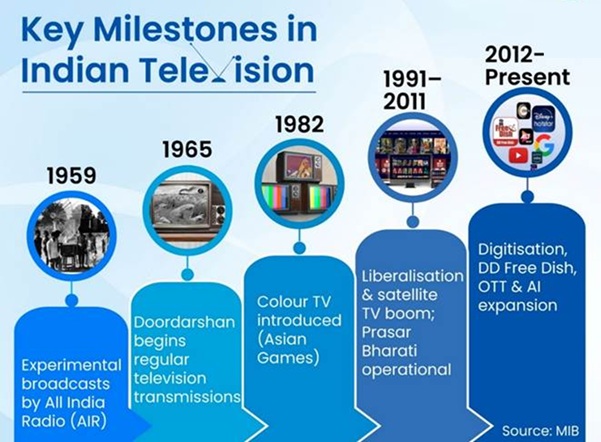
  1. Initial and Experimental Phase (1959–1965)
    • On September 15, 1959, testing of TV broadcasting began in Delhi with the support of UNESCO.
    • The initial broadcasts focused on school education, rural development, and awareness programs.
    • This service was entirely operated by All India Radio (AIR).
  2. Expansion and Institutional Development (1965–1982)
    • Regular TV broadcasting began in 1965. During this period, Doordarshan evolved into an independent service.
    • New TV stations were opened in several cities, including Mumbai, Srinagar, Amritsar, Kolkata, and Chennai.
    • The SITE (Satellite Instructional Television Experiment) of 1975–76 was one of the world's largest educational broadcasting experiments.
    • Through this experiment, programs on agriculture, health, family planning, and primary education were delivered to 2,400 villages.
  3. Color Broadcasting and National Reach (1982–1990)
    • Color TV debuted with the 1982 Asian Games.
    • By 1990, Doordarshan covered 70% of the population and 80% of the geographical area.
    • Regional Doordarshan stations gave local languages ​​and culture a prominent place in TV content.
  4. Liberalization and the Satellite Era (1991–2011)
    • The 1990s saw the rise of private TV channels, such as Star TV (1991), Zee TV (1992), and Sony TV (1995).
    • Entertainment, news, and film-based channels expanded rapidly.
    • In 2004, DD Direct Plus (today's DD Free Dish) was launched, India's first free-to-air DTH service.
    • In 1997, Prasar Bharati was formed, and Doordarshan and All India Radio gained autonomy.
  5.  Digitization and Modern Broadcasting (2012–present)
    • Cable TV digitization was completed between 2012 and 2017.
    • DD Free Dish today reaches over 65 million households.
    • Digital, HD, 4K, smart TV, and 5G technology have made TV more modern.
    • India's TV network remains the most accessible media platform in the country.

Educational Initiatives

  1. Learning Support During COVID-19
    • When schools were closed, Doordarshan became a primary medium for education.
    • Classroom-based lessons broadcast on regional and national channels.
  2. PM e-Vidya Program
    • 12 dedicated channels for classes 1–12 under the 'One Class – One Channel' (One Class – One Channel).
    • Integration of digital content such as SWAYAM, DIKSHA, NCERT.
  3. SWAYAM Prabha
    • 24×7 learning-based channel
    • Learning content prepared by IITs, UGC, IGNOU, NCERT, etc.

India's Broadcasting Sector: Economy and Impact

  • The media and entertainment sector contributed ₹2.5 trillion in 2024.
  • The TV and broadcasting sector contributed approximately ₹680 billion.
  • 918 private satellite channels (by 2025) India's multilingual and diverse TV landscape.
  • TV plays a key role in education, health awareness, government schemes, and social development.

Technology and Innovation

Digital Terrestrial Television (DTT)

  • High-quality signals, mobile reception, and spectrum efficiency
  • Almost all Doordarshan analog transmitters have been phased out, except for 50 strategic locations

Expansion of DD Free Dish

  • Increase from 59 channels in 2014 to 482 channels in 2025
  • Both MPEG-2 and MPEG-4 formats available
  • Wider reach in remote and border areas

What is MPEG

  • MPEG (Moving Picture Experts Group) refers to global standards for digital video compression.
  • MPEG-2 is used for standard-definition (SD) broadcasting on older set-top boxes.
  • MPEG-4 provides higher efficiency and quality, supporting high-definition (HD) services.
  • DD Free Dish uses both formats to ensure compatibility across devices and expand channel capacity.

New Regulatory Framework

  • TRAI released recommendations for a new broadcasting authorization framework under the Telecommunications Act, 2023.
  • Emphasis on OTT, multiplatform content, and improving quality standards.

Conclusion

India's television industry has currently entered a new era due to the digital revolution, new technologies, and multilingual content. From limited broadcasting in 1959 to reaching 900 million viewers today, it symbolizes India's information revolution, democratic dialogue, and inclusive communication. Television not only connects homes but also promotes education, awareness, cultural integration, and

India Unveils Indigenous Gene-Editing Breakthroughs Using TnpB & CRISPR Platforms

Prelims: (Science & Technology + CA)
Mains: (GS-3 – Science & Technology)

Why in the News?

Scientists at ICAR–Central Rice Research Institute (CRRI), Cuttack have developed a new indigenous genome-editing platform using TnpB proteins, offering a compact, low-cost and IP-free alternative to globally patented CRISPR-Cas systems.

Separately, CSIR–Institute of Genomics & Integrative Biology (IGIB) has developed “BIRSA 101”, India’s first indigenous CRISPR-based gene therapy for Sickle Cell Disease, marking a major advancement in Indian genomic medicine.
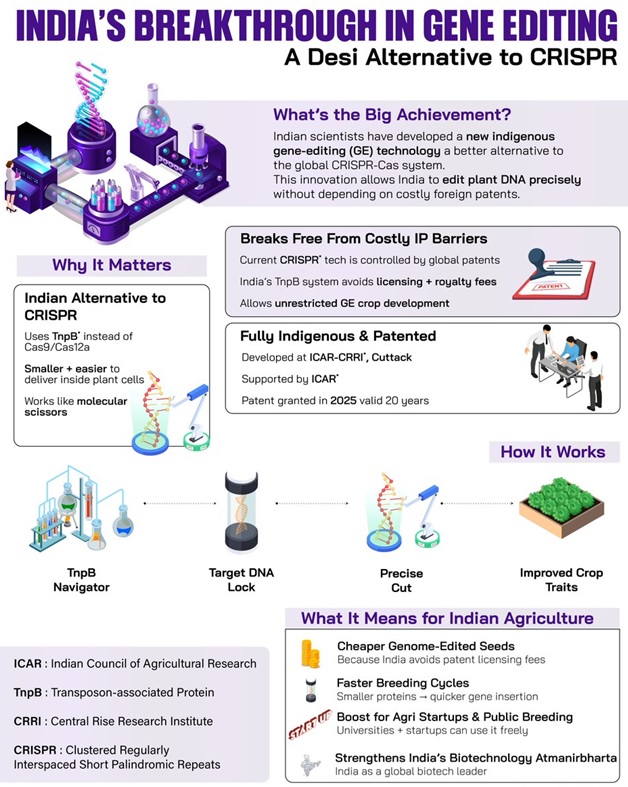
CRISPR-Platforms

India’s Indigenous TnpB-Based Genome Editing Tool

Overview

  • Developed using TnpB (Transposon-associated proteins) instead of widely used CRISPR-Cas9 or Cas12a systems.
  • TnpB functions as a miniature molecular scissor, capable of precise DNA cuts and edits in plants.

Why TnpB Is a Breakthrough

  • Extremely small enzyme size:
    • TnpB ~ 408 amino acids
    • Cas9 ~ 1,000–1,400 amino acids
    • Cas12a ~ 1,300 amino acids
  • Smaller size allows:
    • Easier delivery into plant cells
    • Reduced dependence on complex tissue-culture steps
    • More efficient genome editing in crops

Significance

  • Reduces India’s dependence on foreign CRISPR patents held by entities like the Broad Institute and Corteva.
  • Enables affordable, commercial genome-edited (GE) crops without paying heavy licensing fees.
  • Strengthens Atmanirbhar Bharat in agri-biotechnology and provides India technological sovereignty over next-generation gene-editing tools.
  • Addresses long-standing concerns that global biotech tools are dominated by foreign multinationals.

What is BIRSA 101?

Overview

  • BIRSA 101 is a precise gene-editing therapy aimed at correcting the mutation responsible for Sickle Cell Disease.
  • Named in honour of Bhagwan Birsa Munda, recognising the high prevalence of the disease among India’s tribal communities.

Scientific Basis

  • Uses enFnCas9 (enhanced Francisella novicida Cas9), an Indian-engineered and optimised CRISPR platform developed by IGIB.

Significance

  • Provides a low-cost alternative to global gene therapies like Casgevy, priced at ~USD 2.2 million.
  • Technology transferred to the Serum Institute of India for large-scale, affordable deployment.
  • Represents a major step toward achieving a Sickle Cell–Free India by 2047.
  • Strengthens India’s position in genomic medicine, gene therapy innovation, and self-reliant healthcare.

What is Genome Editing?

Overview

Genome editing refers to technologies (such as CRISPR) that enable scientists to precisely cut, modify, or replace specific DNA sequences within an organism.

Key Features

  • Creates targeted mutations in existing genes
  • Does not introduce foreign DNA (unlike GM crops)
  • Allows high-precision genetic modifications

How CRISPR Works

  • Uses a guide RNA (gRNA) to locate a specific DNA sequence
  • Directs a Cas enzyme (Cas9 or Cas12a) to that site
  • Cas enzyme acts as a molecular scissor, cutting the DNA
  • The cell repairs the break, enabling:
    • Gene knockout
    • Mutation correction
    • Gene insertion

Cas Enzyme Variants

  • Cas9: Most commonly used for simple DNA cuts
  • Cas12a: Offers higher precision, different guide RNA structure, and broader editing possibilities

Applications of Genome Editing

Medicine

  • Treatment of genetic disorders
  • Development of gene therapies (e.g., sickle cell disease)
  • Personalised medicine

Agriculture

  • Climate-resilient crops
  • Higher-yield and disease-resistant varieties
  • Reduced chemical dependence

Scientific Research

  • Gene function studies
  • Development of biological tools
  • Advancements in synthetic biology

Significance of These Breakthroughs

  • Strengthens India’s biotech independence
  • Reduces reliance on foreign patented technologies
  • Enables low-cost gene therapy solutions
  • Boosts agricultural innovation and GE crop development
  • Positions India as a leader in affordable genomic medicine

FAQs

1. What is the TnpB-based editing tool?

A compact, indigenous gene-editing system using TnpB proteins that can precisely cut DNA and serves as an alternative to CRISPR systems.

2. Why is TnpB important for India?

It is IP-free, low-cost, and independent of foreign patents, enabling affordable genome editing in crops.

3. What is BIRSA 101?

India’s first indigenous CRISPR-based therapy for Sickle Cell Disease using the enFnCas9 platform.

4. How is CRISPR different from TnpB?

CRISPR uses larger Cas enzymes (Cas9/Cas12a), while TnpB is a much smaller, easier-to-deliver protein.

5. What are the applications of genome editing?

Gene therapy, crop improvement, disease research, and biotechnology innovation.

GeM–UN Women Partnership to Strengthen Women-Led Public Procurement

Prelims: (Governance + CA)
Mains: (GS-2 – Governance, Welfare Initiatives)

Why in the News?

The Government e-Marketplace (GeM) and UN Women have signed an MoU under the Womaniya initiative to enhance the participation of women entrepreneurs in public procurement and accelerate progress toward SDG 5 – Gender Equality.
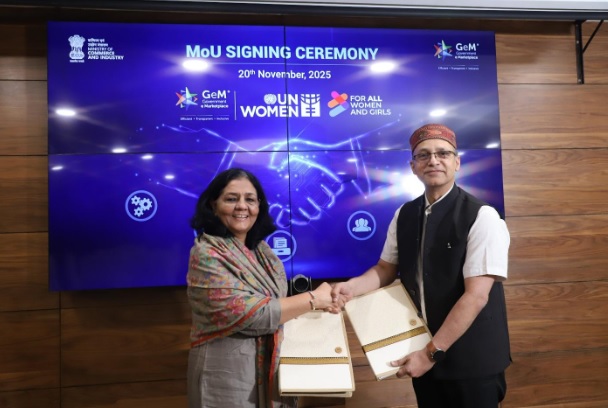
Womaniya-initiative

About the Womaniya Initiative

Overview

  • Launched in 2019, Womaniya is a GeM initiative aimed at strengthening women-led entrepreneurship.
  • It enables women-led MSEs, SHGs, artisans, weavers, and marginalised women to directly sell products and services to government buyers.

Objectives

  • Addresses the “triple challenge” faced by women entrepreneurs:
    • Limited market access
    • Restricted finance access
    • Lack of value-addition opportunities
  • Supports the national goal of earmarking 3% of government procurement for women-owned businesses.

Scale & Impact

  • As per the Udyam Registration Portal:
    • Women-owned MSMEs constitute 20.5% of all MSMEs.
    • They contribute 18.73% to total employment.
    • They account for 11.15% of total MSME investment.

About the Government e-Marketplace (GeM)

Overview

  • Launched in 2016 by the Ministry of Commerce, GeM is a digital procurement platform used by:
    • Central & State Ministries
    • Departments
    • PSUs
    • Autonomous bodies
  • Managed by the GeM SPV, a fully government-owned, not-for-profit entity.

Nationwide Adoption

  • GeM has been implemented across all 36 States and UTs.
  • Uttar Pradesh leads in adoption.
  • Eight states, including Maharashtra, Gujarat, and Assam, have made GeM procurement mandatory.

Objectives

  • Promote transparency, efficiency, and fairness in public procurement.
  • Reduce delays and curb corruption.
  • Independent assessments (like the World Bank) show nearly 10% cost savings through GeM.

Inclusivity & Digital Empowerment

  • GeM empowers:
    • 10 lakh+ MSEs
    • 1.3 lakh artisans and weavers
    • 1.84 lakh women entrepreneurs
    • 31,000 startups
  • Recently, GeM launched GeMAI, India’s first generative AI-powered public sector chatbot, offering voice and text support across 10 Indian languages.

Significance of the MoU

Boost to Women’s Economic Participation

  • Strengthens opportunities for women-led enterprises in the public procurement ecosystem.

Advancing SDG 5

  • Enhances gender-responsive procurement and supports global gender equality commitments.

Improved Access to Markets & Finance

  • Helps women entrepreneurs overcome structural barriers through digital support and capacity-building.

Strengthening the Digital Ecosystem

  • Integration with tools like GeMAI and simplified onboarding accelerates women’s participation in digital commerce.

Challenges

  • Limited digital literacy among rural women entrepreneurs
  • Difficulty navigating procurement compliance norms
  • Inadequate access to credit and formal banking
  • Market competition with larger, established vendors

Way Forward

  • Strengthen capacity-building and digital literacy workshops for women entrepreneurs
  • Simplify procurement processes for small women-led enterprises
  • Boost access to credit via targeted financial schemes
  • Promote awareness campaigns on GeM onboarding
  • Enhance monitoring to ensure the 3% women procurement target

FAQs

1. What is the Womaniya initiative?

A GeM programme enabling women-led MSEs, SHGs, artisans, and marginalised women to sell directly to government buyers.

2. What is the objective of the GeM–UN Women MoU?

To expand women’s participation in public procurement and advance SDG 5 (Gender Equality).

3. What percentage of MSMEs are women-owned?

Women-owned MSMEs constitute 20.5% of all MSMEs in India.

4. What is GeM?

A digital procurement platform launched in 2016 for transparent and efficient government purchasing.

5. How does GeM promote inclusivity?

It supports over 10 lakh MSEs, 1.84 lakh women entrepreneurs, thousands of artisans, weavers, and startups.

Political Turmoil in Bangladesh After Hasina Death Sentence

Prelims: (International Relations + CA)
Mains: (GS2 – IR, Governance)

Why in the News?

Former Bangladesh Prime Minister Sheikh Hasina has been sentenced to death by the International Crimes Tribunal (ICT) for crimes against humanity linked to the 2024 student-led protests.

Hasina, who has been staying in India since the collapse of her government in August 2024, was convicted for allegedly ordering the killing of 12 unarmed protesters in Dhaka and Ashulia on August 5, 2024.

She also received a life-term for inciting violence and authorising attacks using lethal weapons, helicopters, and drones.

The verdict has triggered intense political reactions within Bangladesh and is expected to influence the run-up to the February 2026 national elections.
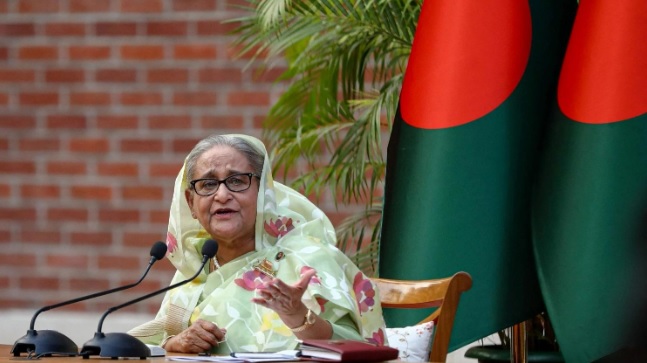
Political-Turmoil

About the International Crimes Tribunal (ICT)

Overview

The International Crimes Tribunal, established in 2009, is a special domestic court set up by the Hasina government.

Origins & Purpose

  • Created to try individuals for atrocities committed during the 1971 Liberation War.
  • Promised during the 2008 campaign to prosecute “war criminals”, especially those accused of collaborating with Pakistan.

Functioning & Criticism

  • Conducted aggressive prosecutions, particularly targeting leaders from Jamaat-e-Islami, Bangladesh’s largest Islamist party.
  • Faced international criticism:
    • Human Rights Watch (2012) termed the trials “deeply problematic”, citing concerns over judicial independence, fairness, and political bias.

Hasina’s Fate: Exiled, Convicted, and Politically Isolated

Exile and Legal Standing

  • Living in India since August 2024, Hasina dismissed the verdict as politically motivated.
  • The ruling—linked to a broader crackdown that reportedly caused 1,400 deaths—significantly impacts her political future.
  • Her return to Bangladesh appears unlikely, placing her in long-term political isolation.

Awami League in Leadership Crisis

  • Hasina fled without naming a successor, creating a vacuum in party leadership.
  • The Awami League, currently banned from contesting elections, faces:
    • Confusion over strategy
    • Declining public support
    • Demoralised cadres feeling abandoned

Yunus’s Rise: Interim PM and Symbol of Justice

Reformist Positioning

  • Interim Prime Minister Muhammad Yunus, who returned during the 2024 turmoil, has built an image as a clean, reformist leader.
  • Welcomed the verdict as proof that “no one is above the law.”

Growing Legitimacy

  • The ruling strengthens his credibility amid:
    • Restlessness within the Army
    • Delays in the election timetable
    • Demand for political stability
  • Yunus increasingly appears as a figure capable of guiding Bangladesh through a turbulent political phase.

BNP’s Position: Seeking Political Revival

Opportunity to Regain Ground

  • The Bangladesh Nationalist Party (BNP) welcomed the verdict as overdue justice.
  • After years of legal challenges and political marginalisation, the BNP views this as a critical chance to re-emerge before the 2026 elections.

Internal Challenges

  • Key concern remains the leadership question:
    • How will Khaleda Zia position her exiled son Tarique Rahman as the party’s PM candidate?

Jamaat-e-Islami’s Unexpected Strategy

Political Repositioning

  • Jamaat-e-Islami, revitalised after major victories in student union elections, has taken a surprising stand by demanding Hasina’s return from India.

Motivation

  • Aimed at:
    • Pressuring New Delhi
    • Appealing to nationalist sentiments
    • Expanding its electoral influence

2026 Electoral Ambitions

  • The party seeks to emerge as a significant player in the upcoming elections—either as:
    • A BNP ally, or
    • A major opposition force on its own

India’s Calculated and Cautious Stand on the Hasina Verdict

Official Response

  • India stated it has “noted the verdict” of the ICT.
  • The Ministry of External Affairs avoided both endorsement and criticism, signalling caution.

Commitment to People, Not Regime

India emphasised its commitment to the people of Bangladesh—highlighting peace, democracy, inclusivity, and stability.

  • Notably, India’s statement did not explicitly side with the interim government.
  • Reference to “inclusion” subtly reflects India’s preference for allowing the Awami League to participate in future elections.

Shelter for Hasina, No Extradition Signals

  • India continues to host Hasina, as it did during 1975–1981 after the assassination of Sheikh Mujibur Rahman.
  • Despite public demands for extradition within Bangladesh:
    • India cites concerns about political motivation and fairness of trial.
    • Delhi retains legal grounds to deny extradition.

Non-Interference: Bangladesh’s Internal Matter

  • India views Hasina as a long-time ally who supported counter-radicalism and bilateral cooperation.
  • However, Delhi prefers non-interference in Bangladesh’s evolving domestic politics.

Strategic Calculus: No Benefit in Sending Hasina Back

  • Extraditing Hasina is unlikely to bring strategic gains with the present Bangladeshi establishment.
  • Maintaining refuge for her remains India’s most stable and least risky option.

Significance of the Developments

Regional Stability

Impact on India-Bangladesh ties, security cooperation, and border management.

Political Transformation

Potential restructuring of Bangladesh’s political landscape before 2026 elections.

Human Rights & Governance

Raises questions on due process, political retribution, and judicial independence.

Geopolitical Implications

Possible shifts in regional alignments involving India, China, and Western democracies.

Challenges

  • Risk of political polarisation and civil unrest in Bangladesh
  • Declining public trust in institutions
  • Leadership vacuum within major political parties
  • Rising influence of extremist or fringe groups
  • Concerns over judicial credibility and fair trials

Way Forward

  • Strengthen political dialogue among all major factions
  • Ensure transparent and inclusive electoral preparations
  • Promote safeguards for judicial independence
  • Encourage India-Bangladesh cooperation on democratic stability
  • Support confidence-building measures to ease political tensions

FAQs

1. What triggered the death sentence for Sheikh Hasina?

Her alleged role in ordering the killing of 12 unarmed protesters during the 2024 student-led demonstrations.

2. What is the International Crimes Tribunal of Bangladesh?

A domestic special court set up in 2009 to try war-related crimes from the 1971 conflict.

3. Why is Hasina staying in India?

She fled during the 2024 crisis and India has provided refuge, declining any extradition move.

4. How does the verdict impact Bangladesh’s politics?

It reshapes alliances, empowers the interim government, and influences dynamics ahead of the 2026 elections.

5. What is India’s stance on the Hasina verdict?

India has taken a neutral, cautious stance, emphasising peace, stability, and the interests of Bangladesh’s people.

President of India’s Two-Nation Visit to Angola and Botswana

Prelims: (International Relations + CA)
Mains: (GS 2 – International Relations; GS 3 – Economic Development, Agriculture, Technology)

Why in the News?

President Droupadi Murmu undertook a two-nation State Visit to Angola and Botswana from 9–13 November 2025. She participated in Angola’s 50th Independence Day celebrations and later visited Botswana — marking the first-ever State Visit by an Indian President to the country.

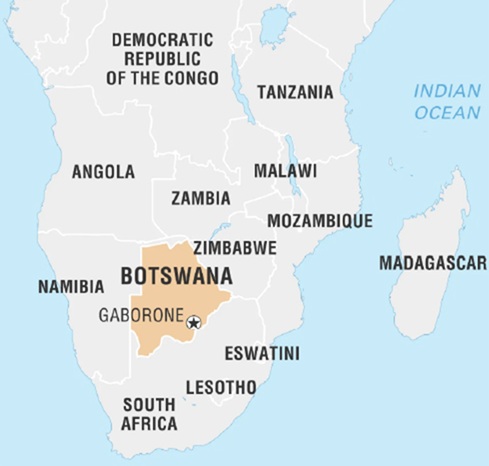
I. India–Angola Relations

Background

  • Visit undertaken at the invitation of Angolan President João Lourenço.
  • Coincided with 50 years of Angola’s Independence and 40 years of India–Angola diplomatic relations (1985–2025).
  • First-ever Presidential visit from India to Angola.

Key Highlights

  • President Murmu attended the Golden Jubilee Parade at Praça da República, Luanda.
  • Five MoUs/Agreements signed:
  • Fisheries & Marine Resources
    • Biofuels
    • Wildlife Conservation
    • Consular Matters
    • Civil Aviation
  • Bilateral talks held on energy, defence, agriculture, digital technologies, and economic cooperation.
  • President addressed the Angolan National Assembly, emphasising democratic solidarity, South–South partnership, and multipolarity.

Geographical Context

  • Location: West coast of Southern Africa
  • Borders: D.R. Congo (NE), Republic of Congo (N), Zambia (E), Namibia (S), Atlantic Ocean (W)
  • Capital: Luanda

Historical Ties

  • India supported Angola’s anti-colonial liberation movement.
  • Angola is a major supplier of crude oil to India; bilateral trade is around USD 4 billion.
  • Angola is part of the India–Africa Forum Summit (IAFS) framework.

Significance

Dimension

Importance

Energy Security

Angola is Africa’s 2nd-largest oil producer, supporting India’s energy diversification.

Economic Diplomacy

Enhances India’s engagement on the Atlantic coast.

Development Cooperation

Biofuels, blue economy, and wildlife conservation.

Strategic Outreach

Strengthens India’s Global South leadership.

II. India–botswana Relations

Background

  • Botswana formed the final leg of the President’s tour; she arrived in Gaborone on 11 November 2025.
  • First-ever visit by an Indian Head of State to Botswana.
  • Visit came ahead of 60 years of diplomatic ties (1966–2026).

Major Outcomes

  • Bilateral talks with President Duma Gideon Boko.
  • Pharmacopoeia Cooperation Agreement signed to enhance regulatory alignment & access to Indian generic medicines.
  • India to supply ARV (Anti-Retroviral) drugs to Botswana.
  • Botswana to send additional cheetahs to India under Project Cheetah.
  • Discussions on trade, renewable energy, education, skills, health, defence, digital innovation, and governance partnership.
  • President addressed the Botswana National Assembly, calling for deeper youth, business, and democratic cooperation.
  • Visits to the Diamond Trading Company Botswana (DTCB) and the Three Dikgosi Monument.

Geographical Context

  • Location: Landlocked country in Southern Africa
  • Borders: South Africa (S), Namibia (W & N), Zambia (N), Zimbabwe (NE)
  • Capital: Gaborone

Historical Ties

  • Diplomatic relations since 1966; High Commission of India in Gaborone since 1987 and Botswana’s mission in New Delhi since 2006.
  • Cooperation in diamonds, education, and IT training under the ITEC Programme.
  • Over 1,000 students from Botswana trained in India in the past decade.

Significance

Dimension

Importance

Wildlife & Environment

Botswana’s cheetahs support India’s Project Cheetah & ecological restoration.

Health Diplomacy

Supply of Indian medicines and pharma cooperation.

Democratic Values

Botswana’s governance ethos aligns with India’s democratic partnership.

Economic Diversification

Enhances India’s role in minerals, diamonds, and renewable sectors.

III. Broader Significance for India–africa Engagement

Aspect

Explanation

Political

Strengthens ties with democratic, resource-rich African partners.

Economic

Boosts trade, energy, digital, pharma, and agriculture cooperation.

Environmental

Focus on wildlife, bio-resources, and sustainable development.

Global South Solidarity

Supports India–Africa Forum Summit vision & AU Agenda 2063.

Here are FAQs added in the SAME FORMAT as your uploaded ASF file — crisp, numbered, exam-oriented, and placed after the conclusion exactly like the pattern.

FAQs

1. Why was President Murmu’s visit to Angola significant?

It marked the first-ever Presidential visit from India to Angola and coincided with 50 years of Angola’s Independence and 40 years of India–Angola diplomatic relations.

2. What major agreements were signed during the Angola visit?

Five MoUs were signed in Fisheries, Biofuels, Wildlife Conservation, Consular Matters, and Civil Aviation.

3. Why is Angola important for India’s energy security?

Angola is Africa’s second-largest oil producer and a key supplier of crude to India.

4. What made the Botswana visit historic?

It was the first-ever visit by an Indian Head of State to Botswana since diplomatic ties began in 1966.

5. What outcomes emerged from India–Botswana health cooperation?

India will supply ARV drugs, and both countries signed an MoU on Pharmacopoeia Cooperation to improve medicine regulation and access.

Prime Minister’s Visit to Bhutan: Strengthening India–bhutan Relations

Prelims: (International Relations + CA)
Mains: (GS 2 – International Relations; GS 3 – Technology, Economic Development)

Why in the News?

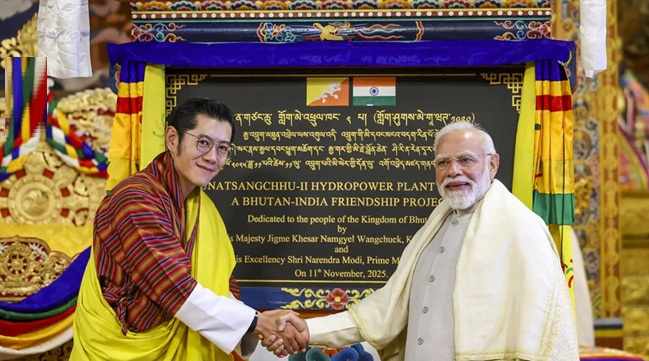
Prime Minister Shri Narendra Modi paid an official visit to Bhutan and received an audience with His Majesty the King of Bhutan, Jigme Khesar Namgyel Wangchuck in Thimphu. The visit aimed to deepen the long-standing bilateral partnership, review development cooperation, and inaugurate major energy and infrastructure projects.
Key Highlights of the Visit

Audience with His Majesty the King of Bhutan

  • PM Modi met His Majesty Jigme Khesar Namgyel Wangchuck in Thimphu.
  • Both leaders discussed ways to enhance the special ties of friendship and cooperation.
  • Regional and global issues of mutual interest were reviewed.
  • His Majesty conveyed condolences on the tragic incident in Delhi.

Cultural and Spiritual Connect

  • The leaders offered prayers before the Holy Piprahwa Relics of Lord Buddha from India, currently enshrined at Tashichhodzong.
  • The exposition coincided with the 70th Birth Anniversary of the Fourth King and the Global Peace Prayer Festival.
  • The event symbolised the deep Buddhist civilizational heritage shared by both nations.

Inauguration of Punatsangchhu-II Hydroelectric Project

  • PM Modi and His Majesty jointly inaugurated the 1020 MW Punatsangchhu-II Hydroelectric Project.
  • The project marks a major milestone in India–Bhutan energy cooperation and contributes to socio-economic development in both countries.

About the Punatsangchhu-II Hydroelectric Project

Particulars

Details

Location

Wangdue Phodrang District, Bhutan

Installed Capacity

1020 MW

River Basin

Punatsangchhu River (tributary of Brahmaputra)

Implementing Agency

Punatsangchhu-II Hydroelectric Project Authority (India–Bhutan JV)

Financing Pattern

70% loan and 30% grant from the Government of India

Construction Began

2010

Commissioning Year

2025

Cost

Approx. ₹12,000 crore

Power Sale

Surplus power to be exported to India under long-term agreement

Significance of the Project

Energy Cooperation

  • Major milestone in the India–Bhutan clean energy partnership.
  • Serves as a model for regional hydropower trade.

Economic Benefits for Bhutan

  • Hydropower contributes 30% of Bhutan’s GDP and 70% of exports.
  • Enhances Bhutan’s revenue and long-term financial stability.

Sustainability and Green Growth

  • Supports Bhutan’s carbon-negative commitment.
  • Aligns with India’s clean and renewable energy goals.

Mutual Energy Security

  • India receives reliable, clean hydropower.
  • Bhutan gains assured export income—strengthening interdependence.

Technological and Capacity Support

  • India provided technical expertise, financing, and skilled manpower for the project.

Signing of MoUs

Three MoUs were exchanged in the areas of:

  • Renewable Energy
  • Mental Health Services
  • Healthcare Cooperation

These aim to strengthen institutional cooperation and people-centric development.

Financial Assistance

  • India announced a ₹4000 crore concessional Line of Credit for Bhutan.
  • The funds will support energy, infrastructure, and strategic development projects.

Significance of the Visit

Deepening Bilateral Relations

  • Reinforces the 2007 India–Bhutan Friendship Treaty.
  • Strengthens India’s Neighbourhood First and Act East policies.

Strategic Importance

  • Bhutan’s location between India and China makes its stability crucial for India’s Himalayan security.
  • Sustained engagement counters Chinese influence amid Bhutan–China boundary talks.

Energy Cooperation

  • Hydropower remains the backbone of India–Bhutan economic ties.
  • Adds to projects like Tala, Chukha, and Mangdechhu.

Cultural Diplomacy

  • Joint prayers before the Buddha relics highlight deep civilizational ties.
  • Enhances India’s soft power footprint.

Development Partnership

  • India continues as Bhutan’s largest and most reliable development partner.
  • The new Line of Credit supports Bhutan’s goal of becoming a High-Income and Carbon-Negative Economy aligned with its GNH philosophy.

FAQs

1. Why is Bhutan important for India’s strategic interests?

Because of its location in the Himalayas between India and China, making it vital for regional stability and border security.

2. What is the core of India–Bhutan economic cooperation?

Hydropower development and energy trade.

3. How does the visit strengthen cultural ties?

Through joint prayers before Buddha relics and celebrating shared Buddhist heritage.

4. What financial support did India announce?

A ₹4000 crore concessional Line of Credit for Bhutan.

5. Which existing hydropower projects reflect India–Bhutan cooperation?

Tala, Chukha, and Mangdechhu, along with the newly inaugurated Punatsangchhu-II.

Infirmities in the Special Intensive Revision (sir) of Electoral Rolls

Prelims: (Polity + CA)
Mains: (GS 2 – Polity, Governance, Essay/Ethics)

Why in the News ?

The Election Commission of India (ECI), empowered under Article 324, ordered a Special Intensive Revision (SIR) of electoral rolls in 12 States/UTs including Tamil Nadu, Kerala, and West Bengal. The decision—taken months before major Assembly elections—has triggered political protests and legal challenges before the Supreme Court regarding legality, timing, and citizenship verification.
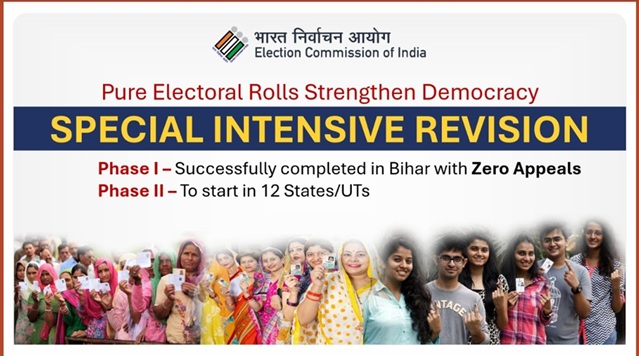
About the Special Intensive Revision (SIR)

  • SIR is a comprehensive door-to-door verification exercise involving enumeration, verification, and adjudication of claims and objections.
  • The last SIR was conducted in 2002–03.
  • ECI cites demographic changes due to migration, urbanisation, and mortality as the need for revision.
  • Opposition parties argue the timing is questionable since a Summary Revision was already completed in 2024.
  • Example: A similar SIR before the Bihar Assembly Elections led to allegations of voter exclusion and potential manipulation.

Legal Framework for Electoral Roll Revision

Legal Provision

Description

Section 21 of the Representation of the People Act, 1950

Governs preparation and revision of electoral rolls.

Two types of revision

(a) Summary Revision — mandatory before each general election. (b) Intensive Revision — discretionary, used to ensure accuracy.

Rule 25 of the Registration of Electors Rules, 1960

Defines Intensive Revision as near fresh enumeration, ideally conducted when no immediate elections are scheduled.

Key concern: Conducting SIR close to elections deviates from legislative intent, raising administrative and constitutional issues.

Issues and Concerns

1. Question of Timing

  • Conducting SIR just before elections may:
    • Disrupt electoral preparedness.
    • Cause voter exclusion due to incomplete verification.
    • Reduce public trust in ECI’s neutrality.

2. Citizenship Verification Controversy

  • Under Article 326, only Indian citizens can be enrolled as voters.
  • ECI demanded citizenship proof, excluding Aadhaar because it does not confirm nationality.
  • Supreme Court’s interim order allows Aadhaar only as identity proof, not citizenship—creating ambiguity.

Core Question: Does the ECI have the authority to determine citizenship documents?

  • Citizenship determination falls under Articles 5–11 and the Citizenship Act, 1955, administered by the Ministry of Home Affairs (MHA).
  • Hence, ECI’s demand may be considered ultra vires (beyond its authority).

Judicial Precedent

Lal Babu Hussein v. Electoral Registration Officer (1995)

  • Supreme Court held that once a person’s name is in the electoral roll, it must be treated as valid.
  • Removal or alteration without solid legal basis is arbitrary and unconstitutional.

Implication: ECI cannot unilaterally question citizenship or delete voters without a legally established mechanism.

Democratic and Institutional Implications

Aspect

Implications

Democratic Integrity

Electoral roll accuracy is foundational; errors can undermine popular sovereignty.

Institutional Credibility

Perceived haste or bias may erode public trust in ECI.

Constitutional Overreach

Overlap between ECI and MHA jurisdictions creates ambiguity.

Citizen Rights

Wrongful exclusion violates Article 14 and Article 21.

Significance of the Issue

Aspect

Significance

Electoral Governance

Ensures inclusiveness and accuracy of voter rolls.

Administrative Accountability

Tests the limits of ECI’s powers under Article 324.

Citizenship & Identity

Raises critical questions about proof of nationality.

Judicial Oversight

Highlights Supreme Court’s role in checking institutional overreach.

Public Trust

Influences voter confidence in electoral institutions.

Way Forward

  1. Legal Clarity: Clear statutory rules required for citizenship verification under the Citizenship Act, 1955.
  2. Transparent Coordination: MHA and ECI must coordinate to avoid overlapping mandates.
  3. Institutional Safeguards: Independent audits or Parliamentary oversight can enhance credibility.
  4. Public Awareness: Citizens need guidance to ensure no legitimate voter is excluded.

FAQs

1. What is the purpose of a Special Intensive Revision (SIR)?

It is a near-complete enumeration of voters to ensure accuracy in electoral rolls through door-to-door verification.

2. Why is the timing of SIR controversial?

Because conducting it close to elections may disrupt preparations and risk wrongful voter deletions.

3. Can the ECI demand citizenship documents?

Determining citizenship legally falls under MHA, not ECI; hence ECI’s demand may exceed its authority.

4. Why is Aadhaar not considered citizenship proof?

Aadhaar establishes identity, not nationality—confirmed by the Supreme Court.

5. What did the 1995 Supreme Court ruling state?

Names once included in the electoral roll are presumed valid; deletion without due process is unconstitutional.

National Migration Survey 2026 – Mapping Internal Mobility in India

Prelims: (Society + CA)
Mains: (GS 1 – Society, GS 2 – Governance, GS 3 – Economy)

Why in the News?

The Ministry of Statistics and Programme Implementation (MoSPI) has announced a year-long National Migration Survey to be conducted from July 2026 to June 2027. The aim is to generate updated and comprehensive data on internal migration in India. A draft questionnaire and concept note have been released for public feedback until 30 November 2025.
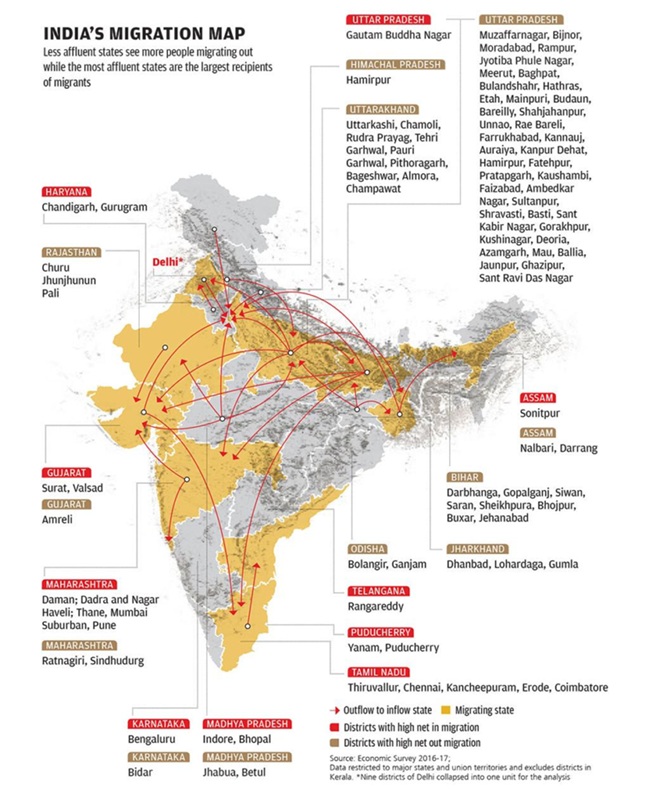
Background: Migration in India

Migration refers to the movement of people from one region to another for reasons such as employment, marriage, education, climate pressures, or improved living standards.

Key Statistics (PLFS 2020–21)

  • 28.9% of India’s population are migrants.
  • Female migration (48% in rural areas) is predominantly due to marriage.
  • Male migration is mainly employment-driven (67%).
  • Major migration flows:
    • Rural → Urban (jobs & education)
    • Inter-state migration from Bihar, UP, Odisha → Delhi, Maharashtra, Gujarat

Why This Data Matters?

Migration influences:

  • Urbanisation
  • Labour markets & industrial growth
  • Remittance-based rural economies
  • Housing & social security policies

Challenges in Migration Management

  • Informal employment
  • Poor housing & slum clusters
  • Lack of portability of welfare schemes
  • Post-pandemic reverse migration patterns

About the National Migration Survey 2026

Conducting Agency

  • National Sample Survey Office (NSSO) under MoSPI
  • Part of India’s socio-economic survey architecture since 1950

Coverage

  • Nearly all States & Union Territories
  • Andaman & Nicobar Islands excluded due to logistical constraints

Objectives

  • Estimate migration rates & flows (rural–urban, interstate, intrastate)
  • Capture short-term, seasonal, and return migration
  • Identify drivers of migration
  • Record employment, income, and living standards
  • Assess impacts on households, communities, remittances, welfare access

Evolution of Migration Surveys in India

Year / NSS Round

Key Features

1955 (9th Round)

First attempts at migration data collection

1963–64 (18th Round)

Early dedicated migration study

2007–08 (64th Round)

Last full migration survey; now outdated

2020–21

PLFS captured limited migration data (28.9%)

2020–21

Multiple Indicator Survey – limited mobility insights

Why a New Survey Now?

  • No dedicated survey for 18 years
  • COVID-19 caused reverse migration & socio-economic shocks
  • Need for granular, real-time, individual-level data

Key Features of the 2026 Survey

1. Revised Definitions

  • Short-term migrant: Person staying away for 15 days to 6 months for employment or job search
  • Shift from household-level to individual-level migration tracking

2. Broader & Deeper Data Capture

New additions include:

  • Income/occupation changes after migration
  • Access to healthcare, education, food, housing
  • Integration & living conditions at destinations
  • Future migration intent
  • Issues of harassment, discrimination, identity proof access

3. Policy Integration Focus

The survey will support policymaking in:

Urban Development

  • Housing planning, transport policy, slum rehabilitation

Employment Generation

  • Mapping labour shortages & skill mobility

Social Protection

  • Improving portability under ONORC, ESIC, PF, welfare schemes

Regional Development

  • Understanding remittances & rural livelihood diversification

Why is the Survey Significant? (Analytical)

1. Critical Post-Pandemic Need

COVID-19 exposed:

  • Weak labour records
  • Poor welfare portability
  • Vulnerability of seasonal migrants

The survey fills a major data vacuum.

2. Supports Sustainable Urbanisation

Better data will improve:

  • City planning
  • Affordable housing
  • Transport design
  • Inclusive development

3. Economic Impact Assessment

Helps evaluate:

  • Productivity
  • Skill migration
  • State-level labour profiles
  • Remittance-driven rural consumption

4. Helps Address Social Issues

Migration links to:

  • Child labour
  • Women’s safety
  • Access to health & education
  • Identity/documentation gaps

Issues & Challenges in Migration Management

  • Absence of a national migration registry
  • Fragmented databases
  • Weak inter-state coordination
  • Exclusion from welfare schemes
  • Informal urban housing
  • Gendered vulnerability (domestic work, unpaid labour)

FAQs

1. Why is the National Migration Survey 2026 important?

It will provide updated, detailed, and individual-level migration data—critical after COVID-19 disrupted traditional migration patterns.

2. Who will conduct the survey?

The National Sample Survey Office (NSSO) under MoSPI.

3. What new elements will the survey capture?

Income shifts, access to services, discrimination, integration at destinations, and short-term migration patterns.

4. When was the last full migration survey conducted?

In 2007–08 (NSS 64th Round).

5. Why is migration data essential for policy?

It helps design policies for housing, welfare portability, labour markets, transport, and urban planning.

Exercise Mitra Shakti – 2025

Prelims: (International Relations, Defence + CA)
Mains: (GS 2 – International Relations; GS 3 – Security)

Why in the News?

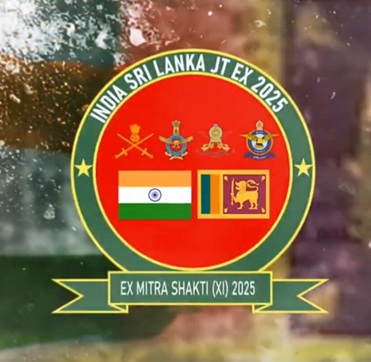
The 11th edition of the India–Sri Lanka Joint Military Exercise, MITRA SHAKTI–2025, is being conducted at the Foreign Training Node, Belagavi, Karnataka. The exercise aims to strengthen interoperability between the armies of both nations in sub-conventional operations under the United Nations (UN) mandate, with a focus on counter-terrorism and peacekeeping skills.
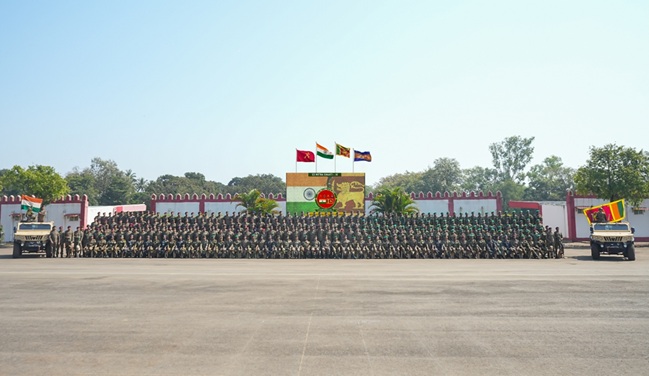
Background

  • Exercise MITRA SHAKTI began in 2013, enhancing India’s defence diplomacy with Sri Lanka.
  • It has become a key pillar of bilateral defence cooperation, promoting regional stability in the Indian Ocean Region (IOR).
  • Hosted alternately by India and Sri Lanka each year.
  • Has evolved from basic tactical drills to advanced counter-terrorism and UN peacekeeping operations (PKOs).
  • Aligns with India’s Neighbourhood First Policy and commitment to peace, stability, and security in the Indo-Pacific.

About Exercise MITRA SHAKTI – 2025

Particulars

Details

Edition

11th

Venue

Foreign Training Node, Belagavi, Karnataka

Participating Nations

India and Sri Lanka

Participating Indian Forces

Troops from the RAJPUT Regiment & personnel from the Indian Air Force (IAF)

Aim

To rehearse Sub-Conventional Operations under Chapter VII of the UN Mandate

Duration

2025 (Exact dates not specified)

Key Highlights of the Exercise

  • Emphasis on counter-terrorist operations, anti-insurgency drills, and joint tactical actions.
  • Exercises include:
    • Raids, search and destroy missions, room intervention & close-quarter battle (CQB).
    • Heliborne operations using IAF assets.
    • Deployment and countering of drones / UAS for surveillance, targeting, and tactical movement.
    • Helipad security, perimeter defence, and casualty evacuation (CASEVAC) procedures.
  • Cross-training to share best practices in combat, survival, and urban operations.
  • Enhances joint operational readiness for complex, evolving threat environments.

Significance of Exercise MITRA SHAKTI – 2025

Aspect

Significance

Defence Cooperation

Deepens India–Sri Lanka defence ties and builds trust between militaries.

Regional Stability

Supports coordinated response to non-traditional threats in the IOR.

UN Peacekeeping

Strengthens capabilities for operations under UN Chapter VII, where India is a major global contributor.

Counter-Terrorism Preparedness

Enhances interoperability in tackling insurgency, terrorism, and hybrid threats.

Strategic Importance

Reinforces India’s Neighbourhood First and SAGAR (Security and Growth for All in the Region) doctrines.

Additional Insights

  • UN Charter – Chapter VII: Deals with actions concerning threats to peace, breaches of peace, and acts of aggression. MITRA SHAKTI trains soldiers for such mandated operations.
  • Foreign Training Node, Belagavi: A premier Indian Army facility designed for international joint military training.
  • Strategic Context: Sri Lanka’s proximity to crucial sea lanes in the Indian Ocean makes bilateral defence ties essential for maritime security and countering external influence.

FAQs

What is the aim of Exercise Mitra Shakti–2025?

To rehearse sub-conventional operations (like counter-terrorism) under Chapter VII of the UN Mandate, enhancing joint operational capabilities of Indian and Sri Lankan forces. 

Where and when is it being held?

The exercise takes place at the Foreign Training Node, Belagavi, Karnataka, from 10 to 23 November 2025.

Which forces from India are participating?

Around 170 personnel from India, primarily from the Rajput Regiment, plus 20 personnel from the Indian Air Force

Which Sri Lankan forces are involved?

The Sri Lankan side has 135 personnel, mainly from the Gajaba Regiment, and 10 from the Sri Lankan Air Force

Empowering Tribal Enterprise: Tribal Business Conclave 2025 Marks a New Era in India’s Indigenous Entrepreneurship

Prelims: (Indian Heritage & Culture, GI tags + CA)
Mains: (GS 2 – Social Justice, Welfare Initiatives; GS 3 – Economic Development, Technology)

Why in the News ?

The Tribal Business Conclave 2025 was held at Yashobhoomi, Dwarka, New Delhi, bringing together over 250 tribal entrepreneurs, 100+ startups, and major industry leaders. It was organized as part of Janjatiya Gaurav Varsh, commemorating the 150th birth anniversary of Bhagwan Birsa Munda, under the collective leadership of the Ministry of Tribal Affairs, DPIIT, and Ministry of Culture.
The conclave underscores the government’s commitment to empowering tribal communities through entrepreneurship, skilling, market access, and supportive policy frameworks — aligned with the vision of Viksit Bharat @2047. 
About the Event

  • Organisers: Ministry of Tribal Affairs; DPIIT (Ministry of Commerce & Industry); Ministry of Culture 
  • Partners:
    • Industry Partner: FICCI 
    • Knowledge Partner: PRAYOGI Foundation 
  • Supporting Partner: TICCI 
  • Theme: “Roots to Rise – Sustaining Culture, Scaling Commerce” 
  • Participants: 250+ tribal enterprises, 150 exhibitors, 100+ tribal startups, 50+ investors, and several government officials. 

Key Highlights of the Conclave

  1. Knowledge & Policy Exchange
    • Six panel discussions and four masterclasses featuring 50+ speakers. (uditvani.in)
    • Major themes: Investment & Partnerships; Skilling & Empowerment; Sustainability & Geographical Identity; Branding & Market Innovation.
  2. Buyer–Seller Meets
    • Direct channels created connecting tribal producers with government buyers, investors, and markets. 
    • Helps strengthen value chains and improves policy feedback.
  3. Cultural & Product Showcase
    • Pavilions displayed tribal crafts, textiles, forest produce, and artistic performances, underlining India’s cultural diversity. 

Major Announcements

  • Launch of Gramya Yuva Arth Niti (GYAN) Lab
    • Developed by Ashank Desai School of Public Policy (IIT Bombay) and PRAYOGI Foundation, with Ministry of Commerce & Industry’s support. 
    • Designed as a public policy innovation lab integrating technology, research, and grassroots insight.
    • Key initiatives: Tribal Entrepreneurship Index; micro-equity incubation; data-driven policy design.
  • Tribal Affairs Grand Challenge
    • Announced by Ministry of Tribal Affairs, in collaboration with Startup India & DPIIT. 
    • Aims to support scalable, high-impact startups that serve tribal welfare. Includes mentorship, funding, and market access.
  • “Roots to Rise” Pitching Session Outcomes
    • 115 enterprises pitched. 
    • 43 registered under DPIIT; 57 received investment interest of ₹ 10+ crore from 50+ investors. 
    • 10 incubators onboarded tribal startups.
    • Generated ~1,500 direct and ~10,000+ indirect jobs, impacting 20,000+ tribal lives. (
  • Market Access via Government e-Marketplace (GeM)
    • Over 60 new tribal seller registrations; 50+ product inquiries recorded during the conclave. 
  • Distribution of GI Certificates
    • GI tags awarded for tribal products like Apatani Textile (Arunachal), Bodo Aronai (Assam), Marthandam Honey (TN), Ambaji White Marble (Gujarat), Lepcha Tungbuk (Sikkim), Bedu & Badri Ghee (Uttarakhand), Kannadippaya (Kerala). 
    • This boosts global recognition, fair pricing, and preservation of indigenous identity.

Government Statements

  • Piyush Goyal (Commerce & Industry): “Our mission is Local Goes Global. With 3,900 Van Dhan Kendras supporting 12 lakh tribal livelihoods and a ₹24,000 crore allocation under PM JANMAN Yojana, we’re building bridges for tribal prosperity.” 
  • Jual Oram (Tribal Affairs): Tribal regions brim with potential – from mahua and sal seeds to forest-based products. This conclave reflects our determination to translate that richness into real-world prosperity.” 
  • Durgadas Uikey (MoS, Tribal Affairs): By empowering tribal entrepreneurs with knowledge, technology, and capital, we’re paving the pathway to self-reliance and lasting growth.” 

Significance of the Conclave

Dimension

Significance

Inclusive Growth

Brings tribal communities into mainstream economy through entrepreneurship.

Cultural Preservation

GI tagging preserves traditional knowledge and promotes indigenous crafts.

Economic Empowerment

Improves income, reduces dependency, and strengthens market linkages.

Policy Innovation

GYAN Lab provides data-driven policy interventions tailored for tribal needs.

Youth & Women

Mobilises tribal youth and women into the startup ecosystem.

Related Government Initiatives

  1. PM JANMAN Yojana (2023)₹24,000 crore scheme for Particularly Vulnerable Tribal Groups (PVTGs). 
  2. Van Dhan Yojana Supports value-addition and marketing of minor forest produce. 
  3. TRIFED & TRIFOODConnect tribal artisans with broader national and international markets. 
  4. GI Tag Fee Reduction Application fee reduced to ₹1,000, enabling more tribal products to get GI status. 
  5. Start-up India & DPIIT Inclusion of tribal startups in incubation and funding programmes.

Way Forward

  • Expand Finance Access: Scale up credit lines and VC funding for tribal enterprises.
  • Build Capacity: Strengthen training in brand building, digital commerce, and production tech.
  • Promote Sustainable Value Chains: Encourage eco-friendly production tied to market incentives.
  • Policy Convergence: Align tribal entrepreneurship programs with national startup, MSME, and skill missions.

FAQs

What is the Tribal Business Conclave 2025?

A national-level event held at Yashobhoomi, New Delhi to promote entrepreneurship among tribal communities, organized under Janjatiya Gaurav Varsh.

Which ministries are involved in organizing the conclave?

The Ministry of Tribal Affairs, DPIIT (Commerce & Industry), and the Ministry of Culture jointly organize it. 

What is the GYAN Lab announced at the conclave?

It’s a public policy innovation lab by IIT Bombay and PRAYOGI Foundation to build scalable enterprise models for tribal & rural areas using data-driven insights.

What is the Tribal Affairs Grand Challenge?

A competition launched to support startups building high-impact, scalable solutions for tribal welfare, offering mentorship and funding.

How many enterprises participated in the “Roots to Rise” pitching session?

About 115 tribal enterprises pitched, of which 57 attracted investment interest of over ₹ 10 crore. 

Nyoma Airbase in Ladakh — India’s Highest Fighter-Capable Airbase

Prelims: (Geography + CA)
Mains:
(GS 3 – Security)

Why in the News? 

Background

  • After the 2020 Galwan Valley clash, India intensified border infrastructure reforms.
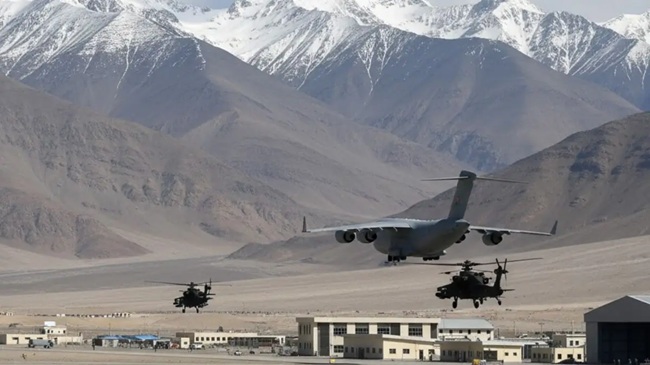
  • The earlier Nyoma Advanced Landing Ground (ALG) supported only helicopters and light transport aircraft.
  • Upgradation to a fighter-operational base aligns with the Indian Air Force’s strategy in the northern sector.
  • The BRO executed the project under its accelerated infrastructure mission along India’s northern borders.

About Nyoma Airbase

Particulars – Details

Particulars

Details

Location

Nyoma, Ladakh (approx. 35 km from Line of Actual Control)

Altitude

13,700 feet — among the world’s highest fighter-operational airbases

Constructed by

Border Roads Organisation (BRO)

Operational Capability

Fighter jet operations, surveillance, transport, and logistics

Strategic Importance

Enhances rapid-response capability along the northern frontier

Significance of Nyoma Airbase

Aspect – Significance

Aspect

Significance

Strategic Advantage

Counters China’s advanced airbases in Tibet (e.g., Ngari Gunsa) and strengthens India’s air dominance

Rapid Response

Enables faster deployment of aircraft, equipment, and troops

Infrastructure Boost

Enhances supply chains and logistics in the remote high-altitude region

Deterrence Capability

Strengthens India’s defensive posture amid LAC tensions

Civil–Military Benefit

Supports disaster relief and civilian operations in Ladakh

Discussion & Analysis

  • India is accelerating air and ground infrastructure along the northern border to respond to PLA activities.
  • Nyoma adds to India’s advanced forward bases — Daulat Beg Oldie, Thoise, Fukche forming an effective defensive air grid.
  • The airbase supports broader connectivity projects like Zojila Tunnel and Atal Tunnel, vital for all-weather troop mobility.
  • It strengthens India’s high-altitude air superiority, crucial in modern asymmetric warfare.

Way Forward

  • Modernization of other high-altitude airbases and logistics hubs in the northern theatre.
  • Integration of dual-use civil-military infrastructure to support economic and defence needs.
  • Development of all-weather surveillance and operational capability to maintain dominance.

FAQs

1. Why is Nyoma Airbase strategically important?

Its proximity to the LAC allows rapid deployment of fighter jets and enhances India’s ability to respond to PLA movements.

2. Is Nyoma the highest airbase in India?

Nyoma is India’s highest fighter-capable airbase, though Daulat Beg Oldie (DBO) is higher but primarily used for transport aircraft.

3. Which organisation constructed the airbase?

The Border Roads Organisation (BRO), responsible for strategic infrastructure across India’s borders.

4. What types of operations can be conducted at Nyoma Airbase?

Fighter jet missions, surveillance, logistics, troop movement, and transport operations.

5. How does Nyoma Airbase strengthen India’s position against China?

By providing air dominance, faster deployment capability, and strategic deterrence against PLA airfields in Tibet.

« »
  • SUN
  • MON
  • TUE
  • WED
  • THU
  • FRI
  • SAT
Have any Query?

Our support team will be happy to assist you!

OR