New
Hindi Medium: (Delhi) - GS Foundation (P+M) : 21st Sept. 2026, 11:30 AM Hindi Medium: (Prayagraj) - GS Foundation (P+M) : 22nd Sept. 2026, 8:00 AM English Medium: (Delhi) - GS Foundation (P+M) : 6th Aug 2026 English Medium: (Prayagraj) - GS Foundation (P+M) : 19th Aug 2026, 11:00 AM Hindi Medium: (Delhi) - GS Foundation (P+M) : 21st Sept. 2026, 11:30 AM Hindi Medium: (Prayagraj) - GS Foundation (P+M) : 22nd Sept. 2026, 8:00 AM English Medium: (Delhi) - GS Foundation (P+M) : 6th Aug 2026 English Medium: (Prayagraj) - GS Foundation (P+M) : 19th Aug 2026, 11:00 AM

Current Affairs for 29 August 2026

Moderna–Merck mRNA Cancer Vaccine: Intismeran autogene, Personalized Cancer Vaccine, Melanoma, Importance for India and Challenges

Prelims: mRNA Technology, Cancer Vaccines, Messenger RNA, Neoantigens, Melanoma, Immunotherapy, Immune Checkpoint Inhibitors, PD-1, Precision Medicine, Biotechnology.
Mains: GS Paper II: Health and Healthcare, Cancer Burden, Accessibility and Affordability of Advanced Healthcare, Public Health Challenges.
GS Paper III: Science and Technology, Biotechnology, mRNA Technology, Genomics, Precision Medicine, Emerging Medical Technologies, Research and nnovation.

Why in News?

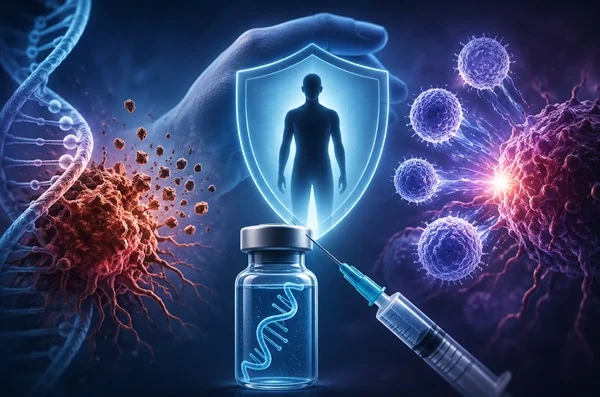
A personalized mRNA-based cancer vaccine, called intismeran autogene (V940/mRNA-4157), jointly developed by Moderna and Merck, has achieved a major milestone in cancer treatment.
Key terms and facts 

mRNA

Messenger RNA carries genetic instructions that cells use for making proteins.

Neoantigen

An abnormal antigen generated by tumour-specific mutations that can potentially be recognized as foreign by the immune system.

Immunotherapy

Treatment that uses or modifies the body's immune system to fight diseases such as cancer.

Immune Checkpoint Inhibitor

A therapy that blocks inhibitory immune pathways, helping immune cells maintain or restore their ability to attack cancer.

PD-1

An immune checkpoint receptor found on immune cells, particularly T cells.

Melanoma

A cancer arising from pigment-producing melanocytes, most commonly in the skin.

Feature

Details

Therapy

Intismeran autogene

Earlier name

mRNA-4157 / V940

Technology

Messenger RNA (mRNA)

Type

Individualized Neoantigen Therapy

Developers

Moderna and Merck

Cancer studied

High-risk resected melanoma

Combination drug

Keytruda (Pembrolizumab)

Keytruda type

Anti-PD-1 immunotherapy

Major trial

INTerpath-001

Trial phase

Phase 3

Main goal

Prevent cancer recurrence and spread

Targets

Up to 34 patient-specific tumour mutations

What is Intismeran Autogene?

  • Previously known as mRNA-4157 or V940, is an experimental individualized neoantigen therapy (INT). Unlike conventional vaccines that are manufactured identically for millions of people, intismeran is custom-made for each cancer patient.
  • Scientists analyse the genetic mutations present in an individual patient's tumour and create an mRNA vaccine carrying instructions associated with selected tumour-specific neoantigens. The treatment can target up to 34 mutations unique to a patient's cancer.

How Does the Personalized Cancer Vaccine Work?

Cancer develops when genetic changes cause cells to grow uncontrollably. These mutations can lead cancer cells to produce abnormal proteins or neoantigens that distinguish them from healthy cells.

  • Step 1(Tumour Removal): The patient's melanoma is first surgically removed.
  • Step 2 (Genetic Sequencing): Scientists analyse the tumour and identify mutations that distinguish cancer cells from normal cells.
  • Step 3 (Neoantigen Selection): Algorithms identify promising neoantigens associated with the patient's tumour.
  • Step 4 (Personalized mRNA Vaccine): A unique mRNA treatment containing instructions corresponding to as many as 34 selected tumour mutations is manufactured specifically for that patient.
  • Step 5 (mRNA Delivers Instructions): After administration, the mRNA instructs cells to produce selected tumour-associated antigens.
  • Step 6 (Immune System Learns the Target): These antigens help activate immune responses, including T-cell responses, capable of recognizing cancer cells carrying those molecular targets.
  • Step 7 (Cancer Cells are Targeted): If microscopic cancer cells remain after surgery or later reappear, the immune system may be better prepared to recognize and attack them.

Why is Keytruda Used Along With the Vaccine?

  • The cancer vaccine is being tested in combination with Keytruda (pembrolizumab). Keytruda is a type of cancer immunotherapy called an immune checkpoint inhibitor. It targets the PD-1 pathway.
  • Cancer can exploit immune checkpoint mechanisms to suppress T-cell activity and escape immune attack. Blocking PD-1 can help restore the ability of T cells to attack cancer.
  • The combination therefore follows a complementary strategy:

Intismeran identifies and teaches the immune system what to attack, while Keytruda helps remove an immune “brake” that can prevent T cells from attacking effectively.

What is Melanoma?

  • A cancer that develops from melanocytes, the cells responsible for producing the pigment melanin. It most commonly occurs in the skin and can become particularly dangerous when it spreads to other organs.
  • Researchers initially focused on melanoma partly because it tends to have a relatively high number of genetic mutations, providing more potential neoantigens for personalized vaccines to target. 

What Did the Phase 3 Trial Find?

In August 2026, Moderna and Merck announced that the trial met its primary endpoint of recurrence-free survival (RFS) and the important secondary endpoint of distant metastasis-free survival (DMFS). The breakthrough establishes strong evidence for the approach in resected high-risk melanoma, not for all cancers.

Why is this Being Called a Breakthrough after More Than a Century?

  • In 1891, American surgeon William B. Coley experimented with bacterial infections/toxins to stimulate immune responses against tumours. His work later earned him recognition as an early pioneer or “father” of cancer immunotherapy.
  • Scientists subsequently spent decades attempting to develop effective therapeutic cancer vaccines. Many approaches struggled because: 
    • tumours are genetically complex
    • different patients' cancers carry different mutations
    • cancer cells can suppress immune responses
    • suitable tumour-specific targets are difficult to identify
    • cancers evolve over time
  • immune response generated by a vaccine does not necessarily translate into clinical benefit.

Is This the World's First Cancer Vaccine?

  • Cancer vaccines are preventive or therapeutic. HPV and Hepatitis B vaccines prevent cancer-causing infections, while therapeutic vaccines treat existing cancer. 
  • Sipuleucel-T (2010) was the first FDA-approved therapeutic cancer vaccine; Moderna–Merck achieved the first positive Phase 3 mRNA cancer therapy result.

Preventive Vaccine

Personalized Cancer Vaccine

Given mainly before disease develops

Given to a cancer patient

Prevents cancer-causing infection

Helps immune system target existing/residual cancer

Usually same formulation for many people

Designed individually for each patient

Eg: HPV vaccine

Eg: Intismeran autogene

Targets infectious agents/antigens

Targets tumour-specific neoantigens

Why Did mRNA Technology Make This Possible?

It carries genetic instructions that cells use to produce proteins. For personalized cancer treatment, mRNA offers several advantages: 

  • Rapid Design: Once relevant tumour mutations have been identified, an mRNA sequence can be designed around selected targets.
  • Multiple Targets: A single personalized treatment can encode multiple neoantigens rather than focusing on only one tumour target. Intismeran can incorporate targets corresponding to as many as 34 tumour mutations.
  • Personalization: The vaccine can be adapted to the unique genetic characteristics of an individual's tumour.
  • Platform Technology: The basic technological platform can potentially be adapted to different patients and different cancers by changing the genetic instructions encoded in the mRNA.

Why is the Breakthrough Important?

  • Major Step Towards Personalized Medicine
  • Proof of Concept for Personalized Cancer Vaccines
  • New Role for mRNA Technology
  • Potential to Reduce Cancer Recurrence
  • Combination Immunotherapy

Challenges and Limitations

  • High Cost: Each vaccine must be designed and manufactured specifically for one patient, potentially making the treatment substantially more expensive and complex.
  • Manufacturing Complexity: The process requires tumour biopsy/surgery, sequencing, computational analysis, vaccine design, manufacturing, quality testing and delivery. 
  • Time: Cancer treatment can be time-sensitive, while personalized manufacturing necessarily involves several steps before treatment can begin.
  • Not Proven for Every Cancer: Tumours with fewer identifiable neoantigens or immunologically “cold” tumour environments may be more difficult to treat through the same approach.
  • Long-Term Survival Data: The Phase 3 trial is continuing to evaluate overall survival. More follow-up will therefore be necessary to determine the treatment's long-term impact.

Why is the Development Important for India?

According to IARC's GLOBOCAN 2022 estimates, India recorded approximately 1.41 million new cancer cases, and 916,827 cancer deaths in 2022. The emergence of personalized mRNA cancer vaccines is relevant in several ways.

  • Precision Medicine: India will increasingly require genomic sequencing, molecular diagnostics and bioinformatics capacity as oncology moves toward personalized treatments.
  • Biotechnology Ecosystem: mRNA platforms create opportunities for Indian biotechnology, pharmaceutical and research institutions to develop capabilities in RNA therapeutics, genomics and advanced vaccine manufacturing.
  • Genomic Diversity: Research involving genetically diverse populations will be important to ensure that advances in precision medicine work effectively across populations.
  • Public Health Policy: India will need to balance investment in expensive frontier treatments with proven cancer-control measures such as prevention, vaccination, tobacco control, screening, early diagnosis and affordable treatment.

Prelims MCQ

Q. Intismeran autogene, recently seen in the news, is associated with:

(A) Prevention of HIV infection
(B) Personalized mRNA-based cancer therapy
(C) Gene therapy for sickle-cell disease
(D) Universal influenza vaccination

Main Practice Question

Q. Recent advances in personalized mRNA-based cancer vaccines have opened new possibilities in cancer treatment. Explain the role of mRNA technology in cancer immunotherapy. What challenges could limit its widespread adoption in countries like India?

FAQs

What is a personalized mRNA cancer vaccine?

It uses a patient’s tumour mutations to train the immune system to attack cancer cells.

What is intismeran autogene?

It is an experimental personalized mRNA cancer therapy developed by Moderna and Merck.

Which cancer is it being tested against?

It is being tested mainly against high-risk melanoma.

Is it the world’s first cancer vaccine?

Sipuleucel-T, approved in 2010, was the first FDA-approved therapeutic cancer vaccine.

What is the role of Keytruda?

It blocks the PD-1 pathway, helping immune cells attack cancer.

12 Years of PM Jan Dhan Yojana: Transforming Financial Inclusion in India

Prelims: Pradhan Mantri Jan Dhan Yojana (PMJDY), Financial Inclusion, JAM Trinity, RuPay Card, Direct Benefit Transfer (DBT)
Mains – GS Paper III: Inclusive Growth, Financial Inclusion, Digital Payments, Direct Benefit Transfer, Government Welfare Schemes
Keywords: PM Jan Dhan Yojana 12 Years, PMJDY 2026, Pradhan Mantri Jan Dhan Yojana, PMJDY 12th Anniversary, PMJDY Benefits, PMJDY Accounts, Financial Inclusion in India, JAM Trinity, Direct Benefit Transfer (DBT), RuPay Card, Digital Payments, Rural Banking, Women Financial Inclusion, Inclusive Growth

Why in News?

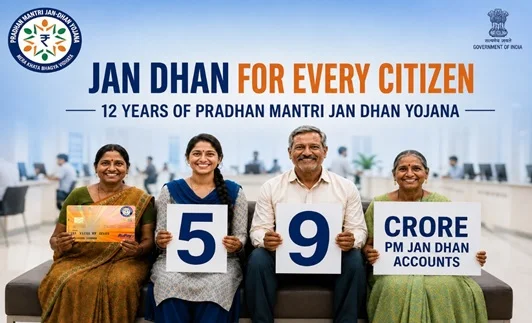
The Pradhan Mantri Jan Dhan Yojana (PMJDY) completed 12 years on 28 August 2026.
Key Points

  • Launched on 28 August 2014, it is a National Mission for Financial Inclusion aimed at providing banking and financial services to the unbanked population.
  • Key Milestones as of 19 August 2026
  • 59.09 crore PMJDY accounts opened.
  • ₹3.17 lakh crore total deposits.
  • 55.7% of account holders are women.
  • 77.8% of accounts are in rural and semi-urban areas.
  • 41.29 crore RuPay cards issued.

What is Pradhan Mantri Jan Dhan Yojana (PMJDY)?

  • The Pradhan Mantri Jan Dhan Yojana (PMJDY) is a National Mission for Financial Inclusion, launched on 28 August 2014.
  • Its main objective is to provide unbanked people access to formal banking and financial services.
  • Key Features
    • Basic bank account with no minimum balance requirement.
    • RuPay debit card for payments and withdrawals.
    • Access to Direct Benefit Transfer (DBT) of government benefits.
    • Overdraft facility for eligible account holders.
    • Access to insurance and pension schemes.
    • Promotes savings, digital payments and financial inclusion.

Key Benefits of PMJDY

  • Zero-Balance Bank Account: A basic bank account can be opened with no minimum balance requirement.
  • RuPay Debit Card: Account holders receive a RuPay debit card for ATM withdrawals and digital payments, along with accident insurance cover of up to ₹2 lakh, subject to eligibility conditions.
  • Overdraft Facility: Eligible account holders can get an overdraft of up to ₹10,000.
  • Direct Benefit Transfer (DBT): Government subsidies and welfare benefits can be directly transferred to beneficiaries' bank accounts, reducing delays and intermediaries.
  • Insurance & Pension: PMJDY facilitates access to social-security schemes such as PMJJBY (life insurance) and PMSBY (accident insurance), along with pension schemes.
  • Financial Inclusion: It connects previously unbanked people with formal banking, savings, credit and digital financial services.

Growth in PMJDY Deposits

PMJDY has recorded significant growth in both accounts and deposits over the last 12 years.

  • As of 19 August 2026, total deposits reached ₹3,16,514 crore (₹3.17 lakh crore).
  • Deposits increased by about 12.8 times compared with August 2015.
  • The number of accounts increased by about 2.3 times.
  • The average deposit per account reached ₹5,356.
  • Average deposits per account increased by about 3.4 times since August 2015.

This growth indicates greater use of Jan Dhan accounts and increasing saving habits among account holders.

Women and Rural Financial Inclusion

PMJDY has significantly expanded banking access for women and people in rural and semi-urban areas.

  • 55.7% (32.92 crore) of PMJDY account holders are women.
  • 77.8% (45.95 crore) of PMJDY accounts are in rural and semi-urban areas.
  • This has helped bring previously unbanked and underserved sections into the formal financial system.

What is the JAM Trinity?

JAM stands for Jan Dhan–Aadhaar–Mobile. It connects: Jan Dhan Account + Aadhaar + Mobile

  • The JAM Trinity enables the government to transfer subsidies and welfare benefits directly into beneficiaries' bank accounts through Direct Benefit Transfer (DBT).
  • Why is JAM Important?
    • Enables direct transfer of government benefits.
    • Reduces intermediaries and leakages.
    • Makes welfare delivery faster and more transparent.
    • Helps in better targeting of beneficiaries.
    • Promotes digital payments and financial inclusion.

PMJDY and Digital Payments

PMJDY has helped expand digital payments and banking access across India.

  • As of 19 August 2026, 41.29 crore RuPay cards had been issued to PMJDY account holders.
  • RuPay cards enable ATM withdrawals and digital payments.
  • They help bring previously unbanked people into India's digital financial system.

PMJDY and Access to Credit

PMJDY helps account holders move beyond basic banking towards formal credit and financial opportunities.

  • Eligible account holders can get an overdraft facility of up to ₹10,000.
  • Regular banking and savings can help build a financial history.
  • Account holders may access credit through schemes such as Pradhan Mantri MUDRA Yojana (PMMY), subject to eligibility.
  • Better access to formal credit can support self-employment, small businesses and income generation.

Why is PMJDY Important for India?

  • Financial Inclusion: Brings previously unbanked people into the formal banking system.
  • Inclusive Growth: Expands financial access, particularly among women and rural populations.
  • Better Welfare Delivery: Supports Direct Benefit Transfer (DBT), helping government benefits reach beneficiaries directly.
  • Digital Payments: RuPay cards and banking services encourage participation in the digital payment ecosystem.
  • Financial Security: Provides access to insurance, pension, overdraft and credit facilities.
  • Promotes Savings: Encourages people to save through formal bank accounts and develop regular banking habits.

Challenges Ahead

Despite its success, PMJDY still faces some challenges:

  • Inactive or low-use accounts need to be brought into regular use.
  • Financial and digital literacy remains limited among some beneficiaries.
  • Access to formal credit needs further expansion.
  • Digital fraud and cybersecurity risks require greater awareness.
  • Banking services remain limited in some remote and rural areas.
  • Insurance and pension coverage needs to be expanded.
  • The digital divide can restrict access to digital banking services.

The next phase should focus on moving from bank account access to active and meaningful use of financial services.

PMJDY and Inclusive Growth

PMJDY has expanded beyond basic banking to support inclusive economic growth.

  • Provides access to savings, credit, insurance and pension services.
  • Enables efficient Direct Benefit Transfer (DBT) through the JAM framework.
  • Promotes digital payments through RuPay cards.
  • Improves financial participation of women, rural households and weaker sections.

Overall, PMJDY helps ensure that the benefits of India's economic and digital growth reach previously underserved sections of society.

Conclusion

After 12 years, PMJDY has become a key pillar of India's financial inclusion journey, bringing millions of people into the formal banking system. Going forward, the focus should shift from opening bank accounts to their active use, along with better access to credit, insurance, pensions and secure digital services, ensuring greater financial empowerment and inclusive growth.

Prelims Practice Question 

Q1. Pradhan Mantri Jan Dhan Yojana (PMJDY) was launched in which year?
(a) 2012
(b) 2013
(c) 2014
(d) 2015

Mains Practice Question

“Pradhan Mantri Jan Dhan Yojana (PMJDY) has transformed financial inclusion from mere bank account access to broader financial empowerment.” Discuss the achievements of PMJDY and the challenges that remain in achieving meaningful financial inclusion in India.

FAQs

1. What is PMJDY?

PMJDY is a National Mission for Financial Inclusion that provides access to basic banking and financial services.

2. When was PMJDY launched?

It was launched on 28 August 2014.

3. How many PMJDY accounts have been opened?

As of 19 August 2026, 59.09 crore accounts had been opened.

4. How much money is deposited in PMJDY accounts?

Total deposits stood at about ₹3.17 lakh crore as of 19 August 2026.

5. What is JAM Trinity?

JAM stands for Jan Dhan–Aadhaar–Mobile, which supports direct and efficient delivery of government benefits.

Centre Eases Defence Export Norms: Key Changes in OGEL and Their Significance

Why in News?

  • The Department of Defence Production (DDP), Ministry of Defence, has simplified procedures for defence exports. 
  • Under the revised framework, exporters can undertake multiple consignments of specified defence items under a one-time OGEL authorisation, reducing the need to obtain separate approval for every shipment.
  • The reforms are particularly expected to benefit Indian defence manufacturers and MSMEs by enabling them to respond more quickly to international tenders, exhibitions and business opportunities.

Key Changes in Defence Export Norms

Reform

New Provision

One-time authorisation

Eligible exporters can self-generate export authorisations for multiple consignments of specified defence items

OGEL validity

Increased from 2 years to 3 years

Country coverage

Expanded from 41 countries to all countries, subject to specified exclusions

Consolidation of SOPs

Three existing OGEL SOPs have been merged into a single framework

International tenders & exhibitions

Stakeholder consultation requirement removed for exports for such purposes

Non-lethal defence items

Export procedures simplified for most destinations

FOEM agreements

Special OGEL provision for companies having long-term agreements with foreign OEMs

Additional items

Certain civil-end-use parts and components of small-calibre arms and protective equipment brought under OGEL

What is Open General Export Licence (OGEL)?

  • Open General Export Licence (OGEL) is a mechanism that allows eligible Indian defence exporters to export specified defence items through a standing, one-time authorisation.
  • Under this system, exporters do not need to obtain separate approval for every consignment, subject to the prescribed conditions. This helps reduce procedural delays and compliance requirements.

Major Changes in OGEL

The validity of OGEL has been increased from two years to three years, reducing the frequency of renewals. Its geographical coverage has also been expanded from 41 countries to all countries, except:

  • Negative and sensitive countries 
  • Countries subject to UN Security Council sanctions 
  • Countries under arms embargoes 

Benefits for Indian Defence Industry and MSMEs

The reforms are expected to provide several benefits:

  • Faster execution of defence export orders 
  • Reduction in repetitive approvals 
  • Lower compliance and administrative burden 
  • Faster participation in international tenders and exhibitions 
  • Greater opportunities for MSMEs to enter global defence supply chains 
  • Easier implementation of long-term agreements with foreign OEMs 
  • Improved competitiveness of Indian defence manufacturers 

Special Provision for Foreign OEM Agreements

  • A new provision has been introduced for Indian companies that have long-term contracts or agreements with Foreign Original Equipment Manufacturers (FOEMs).
  • Under this provision, an OGEL may be granted for eligible items associated with a particular FOEM. Its validity can be aligned with the underlying contract or agreement, subject to prescribed conditions.
  • This can provide greater certainty to Indian companies involved in long-term international defence supply arrangements.

Safeguards for Sensitive Items and Countries

  • Although the government has simplified export procedures, safeguards relating to sensitive defence items, technologies and destinations continue to remain in place.
  • The reforms therefore seek to strike a balance between:-Ease of Defence Exports National Security
  • This approach is important because defence exports involve not only commercial interests but also strategic and security considerations.

India’s Growing Defence Production and Exports

The reforms come against the backdrop of significant growth in India's defence manufacturing and exports.

Indicator

2025–26

Defence Production

₹1.78 lakh crore

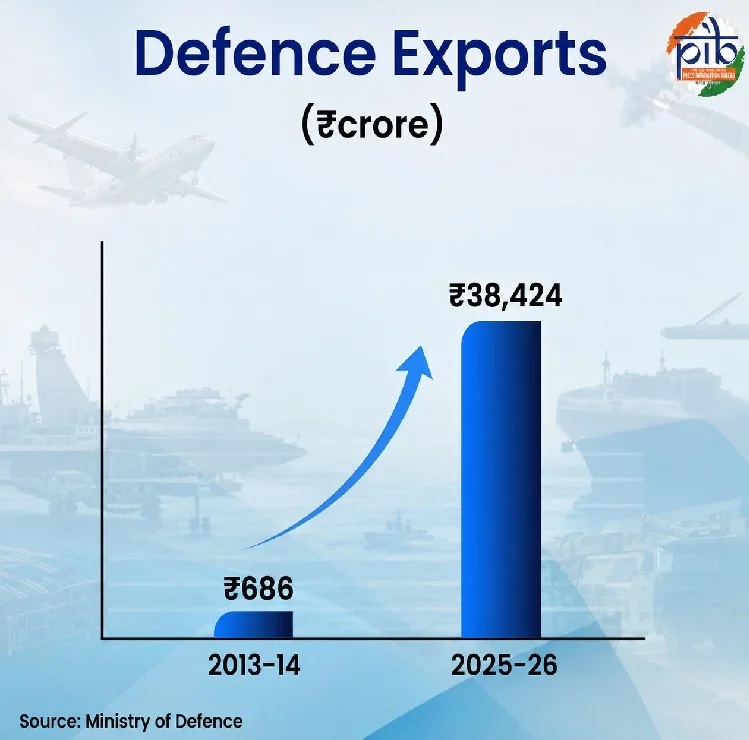
Defence Exports

₹38,424 crore

Status

Record high

The rising figures reflect India's broader efforts to promote Aatmanirbhar Bharat in Defence, expand domestic manufacturing and establish India as a reliable global defence supplier.

Conclusion

The simplification of defence export and licensing procedures is an important step towards making India's defence industry more competitive, export-oriented and globally integrated. By reducing repetitive approvals and expanding the OGEL framework, the government aims to improve the ease of doing business for defence manufacturers while retaining safeguards for sensitive technologies and destinations.

Overall, the reforms support India's broader objective of moving from being primarily a defence importer to a competitive global defence exporter.

UPSC Prelims MCQs :-

Q1. With reference to the Open General Export Licence (OGEL), consider the following statements:

  1. It provides eligible exporters a standing authorisation for specified defence items. 

  2. It eliminates the need for separate approval for every eligible consignment. 

  3. Its validity has been increased from two years to three years. 

Which of the statements given above is/are correct?

A. 1 and 2 only
B. 2 and 3 only
C. 1 and 3 only
D. 1, 2 and 3

FAQs on Defence Export Norms and OGEL

1. Why has the Centre eased defence export norms?

The government has simplified defence export procedures to reduce regulatory delays, lower compliance requirements and help Indian defence manufacturers access global markets more quickly.

2. What is the Open General Export Licence (OGEL)?

OGEL is a standing, one-time authorisation that allows eligible Indian exporters to export specified defence items through multiple consignments without seeking separate approval for every shipment.

Trump Orders Lake Ontario Renamed ‘Lake America’: Key Facts, Great Lakes , Controversy and Canada’s Response

Prelims: Great Lakes of North America, Lake Ontario, U.S.–Canada Boundary, St. Lawrence River, Niagara River, Trans boundary Water Bodies, North American Geography
Mains: GS Paper I: World Geography-Important Lakes, Rivers and Physical Geography of North America
GS Paper II: U.S.-Canada Relations, Bilateral Relations, Sovereignty and Trans boundary Cooperation

Why in News?

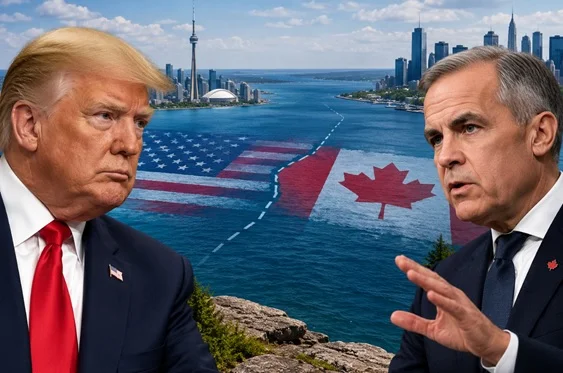
U.S. President Donald Trump signed an executive order on 27 August 2026 directing the U.S. federal government to rename Lake Ontario as “Lake America.” The order requires the U.S. Department of the Interior and the U.S. Board on Geographic Names to implement the change in federal geographic records.
Key Facts 

Topic

Fact

Original Name

Lake Ontario

New U.S. Federal Name

Lake America

Order Signed

27 August 2026

Executive Order

EO 14420

Canada’s Position

Continues to recognise Lake Ontario

Lake Shared By

United States & Canada

U.S. State Bordering Lake

New York

Canadian Province

Ontario

Lake Group

Great Lakes

Number of Great Lakes

5

Easternmost Great Lake

Lake Ontario

Major Outflow

St. Lawrence River system

Surface Area

~18,960 sq km

Maximum Depth

~244 m

What Has Donald Trump Announced?

  • President Trump issued Executive Order 14420, titled “Honoring the American History of the Great Lakes and Renaming Lake Ontario as Lake America.”
  • Under the executive order: Lake Ontario is to be referred to as “Lake America” by the U.S. federal government. The U.S. Secretary of the Interior has been directed to take appropriate steps to implement the renaming.

Why Did Trump Rename Lake Ontario?

  • The White House presented the decision as recognition of the lake’s economic, strategic and historical importance to the United States.
  • The executive order argues that Lake Ontario has played an important role in american exploration and settlement, trade and commerce, military logistics, shipping, industrial supply chains, energy generation and municipal drinking-water supplies
  • The White House also highlighted U.S. investment in protecting the Great Lakes ecosystem and the role of the U.S. Coast Guard in maintaining navigation through icebreaking operations.

Mark Carney’s Response

  • Canadian Prime Minister Mark Carney firmly rejected the renaming. Carney highlighted the historical origins of the name Ontario, saying that it derives from the Wendat word “Ontari’io” and that the name predates both modern Canada and the United States. He stressed that Canadians would continue to call the water body Lake Ontario.
  • The Canadian government’s position is important because Lake Ontario is not located exclusively within U.S. territory. It forms part of the international boundary between Canada and the United States.

Where is Lake Ontario?

  • Lake Ontario is one of the five Great Lakes of North America. The five Great Lakes are Lake Superior, Lake Michigan, Lake Huron, Lake Erie and Lake Ontario. 
  • Lake Ontario is the easternmost and downstream Great Lake. It receives water from Lake Erie primarily through the Niagara River and ultimately drains toward the Atlantic Ocean through the St. Lawrence River system.
  • It is bordered by Ontario province, Canada-north and west and New York State, United States-south and east.  Major Canadian urban centres in its wider region include Toronto and Hamilton.

Can the U.S. Legally Rename the Entire Lake?

  • The Trump administration can direct U.S. federal agencies to use a particular geographic name in federal databases, maps, documents and communications. The executive order specifically instructs the Department of the Interior and Board on Geographic Names to update the Geographic Names Information System.
  • The U.S. executive order does not bind Canada. Canada can continue to officially use Lake Ontario, and Prime Minister Carney has made clear that it will do so.

Is This Trump’s First Major Geographic Renaming?

  • In January 2025, Trump issued an executive order titled “Restoring Names That Honor American Greatness.” Among its major geographic naming measures, his administration moved to refer to the Gulf of Mexico as the “Gulf of America” in U.S. federal usage; and restore Denali’s federal name to Mount McKinley.

Why are the Great Lakes Important?

  • The Great Lakes-Superior, Michigan, Huron, Erie and Ontario form one of the world’s largest surface freshwater systems. According to the U.S. Environmental Protection Agency, the Great Lakes collectively contain approximately 84% of North America’s surface fresh water and around 21% of the world’s surface fresh water supply.
  • They are extremely important for freshwater supply, navigation, industry, agriculture, hydropower & energy, fisheries, tourism and U.S.-Canada Trade. 

Why Does the Lake Ontario Controversy Matter?

  • Shared International Geography: Lake Ontario is a trans boundary water body. Decisions involving shared geographical features can carry diplomatic consequences even when the practical legal effect is domestic.
  • U.S.-Canada Relations: The United States and Canada share one of the world’s most extensive bilateral economic relationships. The dispute illustrates how current trade tensions are spilling into symbolic and diplomatic issues.
  • Indigenous Heritage: Canada’s response has emphasised the Indigenous origins of the name Ontario, turning the controversy into a debate about history, identity and cultural heritage.
  • Geographic Naming and Sovereignty: The episode demonstrates the distinction between a country’s ability to determine names for domestic official use and its ability to secure international recognition for those names.
  • Strategic Importance of the Great Lakes: The controversy also draws attention to the economic and geopolitical significance of the Great Lakes–St. Lawrence system, which is a major transportation and freshwater corridor in North America.

Prelims MCQ

Q. Lake Ontario primarily drains into which river?

(A) Mississippi River

(B) Colorado River

(C) St. Lawrence River

(D) Columbia River

Mains Practice Question 

Q. The controversy over the U.S. decision to rename Lake Ontario as “Lake America” highlights the diplomatic sensitivity associated with shared geographical features. Discuss in the context of U.S.–Canada relations and transboundary cooperation.

FAQs

Where is Lake Ontario located?

It lies on the U.S.–Canada border, between the Canadian province of Ontario and the U.S. state of New York.

Is Lake Ontario one of the Great Lakes?

It is one of the five Great Lakes—Superior, Michigan, Huron, Erie and Ontario.

What was Canada’s response?

Canadian Prime Minister Mark Carney rejected the renaming and said Canada would continue to call it Lake Ontario.

Can the United States force Canada to use the name “Lake America”?

No. A U.S. executive order can determine U.S. federal usage, but it cannot compel Canada to adopt the same geographic name.

Which river drains Lake Ontario?

Lake Ontario drains into the St. Lawrence River, which flows toward the Atlantic Ocean.

India-US Defence Deal: India Plans to Acquire Javelin Anti-Tank Missile System

Prelims: Javelin Missile, Anti-Tank Guided Missile (ATGM), fire-and-forget technology, top-attack capability, M777 Howitzer, Excalibur projectile, India-US defence cooperation.
Mains – GS Paper II: India-US relations, strategic partnership, Indo-Pacific cooperation.
Mains – GS Paper III: Defence technology, military modernisation, indigenisation of defence production, Make in India and Atmanirbhar Bharat.
Keywords: Javelin ATGM, FGM-148, Anti-Tank Missile, Fire-and-Forget, Top-Attack, Armoured Warfare, India-US Defence Partnership, Defence Co-production, Military Modernisation, Defence Indigenisation, Make in India, Atmanirbhar Bharat.

Why in News?

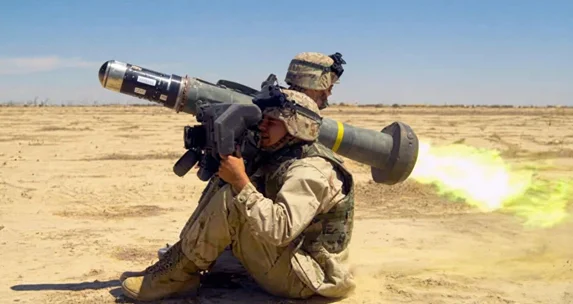
India plans to acquire the US-made Javelin Anti-Tank Guided Missile (ATGM) to strengthen the Indian Army’s ability to counter tanks and armoured vehicles.
Key Points

  • The development was announced by US Ambassador to India Sergio Gor on 28 August 2026, who described the Javelin as a battle-tested missile system.
  • The proposed deal could also open opportunities for India-US co-production, further strengthening defence and technology cooperation between the two countries.

What is the Javelin Missile System?

The FGM-148 Javelin is a US-made, man-portable Anti-Tank Guided Missile (ATGM) designed mainly to destroy tanks and armoured vehicles.

  • It can be carried and operated by soldiers on the battlefield.
  • It can target tanks, armoured vehicles and fortified positions.
  • It uses fire-and-forget technology—once the missile locks onto a target and is fired, it guides itself to the target.
  • This allows the operator to quickly move to a safer position after firing.
  • It can attack tanks from above (top-attack mode), where their armour is generally more vulnerable.

What is Top-Attack Capability?

Top-attack capability allows the Javelin missile to strike a tank from above rather than from the front.

  • After launch, the missile climbs upward and then dives onto the target.
  • The top armour of a tank is generally thinner than its front armour, making it more vulnerable.
  • This increases the missile’s effectiveness against heavily armoured tanks.
  • Javelin also has a direct-attack mode, in which it flies more directly toward the target. This mode can be used against vehicles, bunkers and other suitable targets.

Previous US Approval for Javelin Sale to India

  • In November 2025, the US approved a possible sale of the Javelin missile system to India under the Foreign Military Sales (FMS) programme.
  • 100 Javelin missiles
  • 25 Command Launch Units (CLUs)
  • Estimated value: $45.7 million
  • This approval laid the groundwork for the current Javelin acquisition plan.

What are Excalibur Projectiles?

The M982 Excalibur is a US-made precision-guided artillery projectile designed to strike targets with high accuracy.

  • It can be fired from 155 mm artillery systems, including the M777 Ultra-Light Howitzer used by the Indian Army.
  • It provides greater accuracy than conventional artillery shells.
  • It strengthens the Army’s long-range precision-strike capability.

Possibility of Co-Production in India

  • The proposed Javelin deal could also create opportunities for India-US co-production of the missile system.
  • This could support:
    • Make in India and Atmanirbhar Bharat
    • Domestic defence manufacturing
    • Technology cooperation between India and the US
    • However, no specific co-production agreement has been announced yet.

Growing India-US Defence Cooperation

  • India and the US signed the 2025 Framework for the U.S.-India Major Defense Partnership in October 2025 to deepen long-term defence cooperation.
  • The framework focuses on:
    • Greater military interoperability
    • Cooperation across land, sea, air, space and cyberspace
    • Defence technology and industrial cooperation
    • Joint military exercises and information sharing
    • The proposed Javelin acquisition is another step in the expanding India-US defence partnership.

Why is the Javelin Acquisition Important for India?

  • Stronger Anti-Tank Capability: Improves the Indian Army’s ability to destroy enemy tanks and armoured vehicles.
  • Advanced Technology: Its fire-and-forget and top-attack capabilities allow accurate strikes while reducing risk to soldiers.
  • Military Modernisation: Adds an advanced, battle-tested weapon system to India’s defence capabilities.
  • India-US Defence Ties: Further strengthens the growing strategic and defence partnership between the two countries.
  • Boost to Self-Reliance: Possible co-production in India could support Make in India and Atmanirbhar Bharat in defence.

Conclusion

The proposed Javelin missile acquisition will strengthen India’s anti-tank capability and deepen India-US defence cooperation. Possible future co-production could also support Make in India and Atmanirbhar Bharat in the defence sector.

Prelims Practice Question

The Javelin missile system is associated with which country?
A. France
B. Russia
C. United States
D. Israel

Mains practice question

How can the acquisition of the Javelin Anti-Tank Guided Missile System strengthen the operational capabilities of the Indian Army? Discuss.

FAQs

1. What is the Javelin missile?-

The FGM-148 Javelin is a US-made, man-portable Anti-Tank Guided Missile (ATGM).

2. What is the main purpose of Javelin?

It is primarily designed to destroy tanks and armoured vehicles.

3. What is fire-and-forget technology?

It means that after launch, the missile can guide itself toward the locked target, without continuous guidance from the operator.

4. What is Javelin's top-attack capability?

It allows the missile to strike a tank from above, where armour is generally more vulnerable.

5. What is a Command Launch Unit (CLU)?

It is the Javelin's reusable target-detection, aiming and missile-launching unit.

Rishikesh–Karnaprayag Railway Project Targets

Prelims:  Indian Railways, RVNL, Navratna CPSE, Ministry of Railways, Rishikesh–Karnaprayag Railway Project, Uttarakhand, Char Dham, Himalayan Connectivity.
Mains – GS Paper III: Infrastructure – Railways, Transport Infrastructure, Regional Connectivity, Border Infrastructure, Tourism Infrastructure, Economic Development, Himalayan Infrastructure, Disaster Resilience, Sustainable Development.
Mains – GS Paper II: Government Policies and Interventions, Role of Public Sector Enterprises in Infrastructure Development.
Keyword:  Rishikesh–Karnaprayag Railway, RVNL, Uttarakhand, Indian Railways, Himalayan Connectivity, Char Dham, Railway Tunnels, Border Connectivity, Tourism, Regional Development

Why in News?

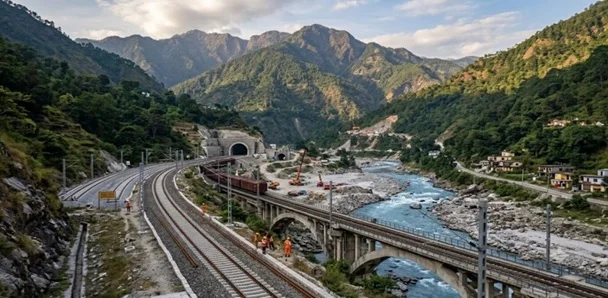
  • The Rishikesh–Karnaprayag Railway Project in Uttarakhand is in the news as RVNL has set December 2029 as its target for completion
  • The 125-km railway line, being built at an estimated cost of ₹37,000 crore, has achieved around 78% overall progress, with nearly 97% of tunnel excavation completed.

About Rishikesh–Karnaprayag Railway Project

The Rishikesh–Karnaprayag Railway Project is a 125-km railway line being constructed to improve connectivity in the Himalayan region of Uttarakhand.

  • The project was sanctioned in the Union Budget 2010–11
  • It is being implemented by Rail Vikas Nigam Limited (RVNL)
  • The railway line passes through five districts — Dehradun, Tehri Garhwal, Pauri Garhwal, Rudraprayag and Chamoli. 
  • It will connect Rishikesh with Karnaprayag and improve access to important places such as Devprayag
  • The project will provide better connectivity for pilgrimage, tourism and local communities in Uttarakhand.

Tunnel Construction

Since the railway passes through the mountainous terrain of Uttarakhand, tunnels form a major part of the project.

  • 16 main tunnels total length of about 104 km
  • 12 escape tunnelstotal length of about 98 km
  • Around 101 km of main tunnels have been excavated. 
  • Around 95 km of escape tunnels have been excavated. 
  • Nearly 97% of overall tunnel excavation has been completed. 
  • Escape tunnels will provide a safe evacuation route during emergencies.

Bridges and Access Roads

  • The project includes 19 major bridges, of which 11 have been completed
  • Construction work on the remaining 8 bridges is underway. 
  • 8 access roads, with a combined length of around 5 km, have been built to reach difficult construction sites in the mountainous terrain. 
  • All 8 access roads have been completed, helping speed up construction work.

Why is the Rishikesh–Karnaprayag Railway Important?

  1. Better Connectivity: It will improve rail connectivity between Rishikesh and the Himalayan districts of Uttarakhand
  2. Char Dham Pilgrimage: It will make travel towards the Char Dham pilgrimage region easier and faster. 
  3. Tourism Boost: Better connectivity will support religious and Himalayan tourism in Uttarakhand. 
  4. Local Economy: The project can create opportunities for local businesses, employment and economic activities
  5. Reduced Travel Time: It will significantly reduce travel time between Rishikesh and Karnaprayag
  6. Strategic Connectivity: Better transport infrastructure will strengthen connectivity towards Uttarakhand’s border and remote Himalayan areas.

About Rail Vikas Nigam Limited (RVNL)

  • Rail Vikas Nigam Limited (RVNL) is a Navratna Central Public Sector Enterprise (CPSE) under the Ministry of Railways
  • It was established in 2003 to accelerate the development of railway infrastructure in India. 
  • It undertakes projects such as new railway lines, track doubling, railway electrification, major bridges and metro infrastructure
  • RVNL was granted Navratna status in 2023
  • Headquarters: New Delhi.

Conclusion

The Rishikesh–Karnaprayag Railway Project will significantly improve connectivity in Uttarakhand’s Himalayan region. Once completed, it will reduce travel time, support Char Dham tourism, boost the local economy and improve connectivity to remote and strategically important areas.

Prelims Practice Question

Q1. The Rishikesh–Karnaprayag Railway Project is located in which state?
A. Himachal Pradesh
B. Uttarakhand
C. Sikkim
D. Arunachal Pradesh

Mains Practice Questions 

Discuss The Significance Of The Rishikesh–Karnaprayag Railway Project for connectivity, tourism and economic development in Uttarakhand.

FAQs

1. What is the Rishikesh–Karnaprayag Railway Project?

It is a 125-km railway line being developed to improve rail connectivity in Uttarakhand's Himalayan region.

2. When is the project expected to be completed?

The project is targeted for completion by December 2029.

3. Who is implementing the project?

The project is being implemented by Rail Vikas Nigam Limited (RVNL).

4. What is the estimated cost of the project?

The estimated project cost is around ₹37,000 crore.

5. How many districts does the railway line pass through?

It passes through five districts—Dehradun, Tehri Garhwal, Pauri Garhwal, Rudraprayag and Chamoli.

upsc english
« »
  • SUN
  • MON
  • TUE
  • WED
  • THU
  • FRI
  • SAT
Have any Query?

Our support team will be happy to assist you!

OR