- UPSC Exam
- State PCS
- One Day Exam
- Current Affairs
- PT Quiz
- Downlaods
- About Coaching
- Blog
- Videos

| Prelims: (Environment, Ecology & Current Affairs). GS Paper III (Environment, Biodiversity & Conservation) GS Paper II (International Environmental Agreements) |
A draft of the first Global Review of the Kunming-Montreal Global Biodiversity Framework (KMGBF) has revealed that the world is not on track to achieve most of the biodiversity targets set for 2030. The report will be discussed during the Subsidiary Body on Scientific, Technical and Technological Advice (SBSTTA-28) and the Subsidiary Body on Implementation (SBI-7) meetings being held in Nairobi, Kenya.
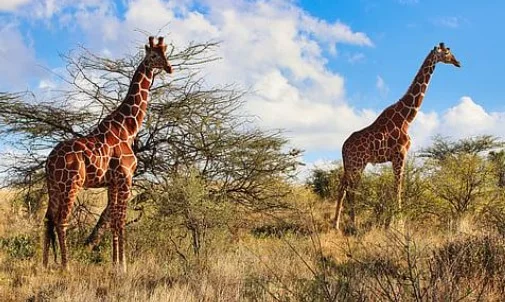
The Kunming-Montreal Global Biodiversity Framework (KMGBF) was adopted in 2022 under the Convention on Biological Diversity (CBD).
Target 8 focuses on:
The draft Global Review presented at the Nairobi meetings sends a clear message: the world is falling behind on its biodiversity commitments under the Kunming-Montreal Global Biodiversity Framework. While progress has been made in a few areas, most targets remain off track. The Nairobi discussions are expected to shape key recommendations for COP17, making them a critical milestone in global efforts to halt biodiversity loss and achieve the 2030 biodiversity goals.
Prelims QuestionQ. Consider the following statements regarding the Kunming-Montreal Global Biodiversity Framework (KMGBF):
Which of the statements given above is/are correct?
Mains QuestionQ.The Kunming-Montreal Global Biodiversity Framework (KMGBF) aims to halt and reverse biodiversity loss by 2030. Discuss the major findings of the first Global Review and the challenges in achieving its targets. |
Q1. What is the Kunming-Montreal Global Biodiversity Framework (KMGBF)?Answer: The KMGBF is a global biodiversity agreement adopted in 2022 under the Convention on Biological Diversity (CBD). It aims to halt and reverse biodiversity loss through 23 global targets to be achieved by 2030. Q2. Why are the Nairobi Biodiversity Meetings 2026 important?Answer: The Nairobi meetings will review global progress on biodiversity targets, identify implementation gaps, and prepare recommendations for CBD COP17. Q3. What is the main finding of the first Global Review?Answer: The draft review concludes that the world is not on track to achieve most of the 23 biodiversity targets by 2030. Q4. Which KMGBF target is currently showing progress?Answer: Target 8, which focuses on minimizing the impacts of climate change on biodiversity and improving ecosystem resilience, is the only target showing progress, although the pace remains insufficient. Q5. What is Target 19 of the KMGBF?Answer: Target 19 aims to mobilize at least $200 billion per year by 2030 to support global biodiversity conservation and sustainable use. |
| Prelims: Agriculture, Fertilizers, Green Ammonia, Government Policies Mains: GS Paper III – Agriculture, Food Security, Sustainable Farming, Energy Transition Keywords: Anhydrous Ammonia, Urea, Green Ammonia, Fertilizer Control Order, Nitrogen Fertilizer, ICAR, NTPC NETRA, Green Urea, Fertilizer Imports |
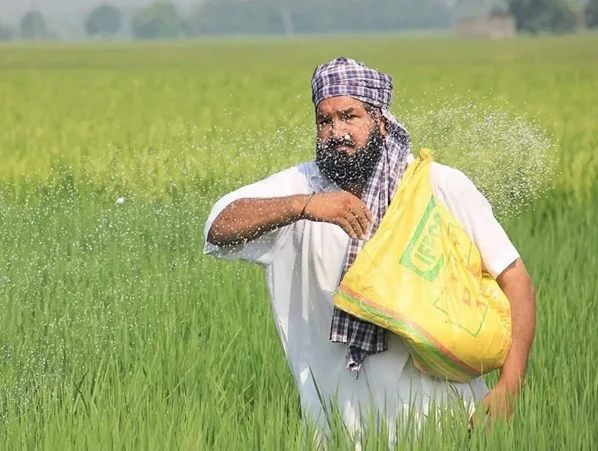
The Union Agriculture Ministry has permitted the manufacture and agricultural use of Anhydrous Ammonia (82% Nitrogen) for three years under the Fertiliser (Inorganic, Organic or Mixed) (Control) Order, 1985. The move aims to reduce India's dependence on imported urea and improve nitrogen-use efficiency.
|
Fertilizer |
Nitrogen Content |
|
Urea |
46% |
|
Anhydrous Ammonia |
82% |
Higher nitrogen concentration means lower transportation volume for the same nutrient supply.
Trials were conducted during Rabi 2025–26 on Direct Seeded Rice (DSR).
Findings
Green ammonia is produced using:
It significantly reduces greenhouse gas emissions compared to conventional ammonia production.
The Department of Fertilizers is promoting Green Urea production.
India's approval for the direct agricultural use of anhydrous ammonia marks an important step towards reducing dependence on imported urea and improving nitrogen-use efficiency. However, its success will depend on creating safe storage and transport infrastructure, standardising application methods, and expanding field trials before large-scale adoption.
Practice MCQQ. With reference to Anhydrous Ammonia used as fertilizer, consider the following statements:
Which of the statements given above is/are correct? A. 1 and 3 only Mains Practice Question"Discuss the potential of green ammonia and direct ammonia application in transforming India's fertilizer sector while reducing import dependence and promoting sustainable agriculture." |
Q1. Why has India allowed direct use of anhydrous ammonia in farming?To reduce dependence on imported urea, improve nitrogen-use efficiency, and promote sustainable fertilizer use. Q2. How is anhydrous ammonia different from urea?Anhydrous ammonia contains about 82% nitrogen, whereas urea contains 46% nitrogen. Q3. Why can't farmers apply ammonia like normal urea?Because it is a pressurised gas that must be injected below the soil to prevent nitrogen loss and ensure safe application. Q4. What is green ammonia?Green ammonia is produced using renewable energy and green hydrogen, resulting in much lower carbon emissions than conventional ammonia. Q5. Which countries already use direct ammonia application in agriculture?The United States, Canada, and Australia currently use anhydrous ammonia directly in farming. |
| Prelims: Environment, Biodiversity Hotspots, Eco-Sensitive Areas (ESA), Environment Protection Act, 1986 Mains: GS Paper III – Conservation, Environmental Protection, Biodiversity, Sustainable Development Keywords: Western Ghats, Eco-Sensitive Area, ESA Notification, Kasturirangan Committee, Madhav Gadgil Committee, Western Ghats Ecology Expert Panel, High-Level Working Group, MoEFCC, Biodiversity Hotspot, Environment Protection Act 1986 |
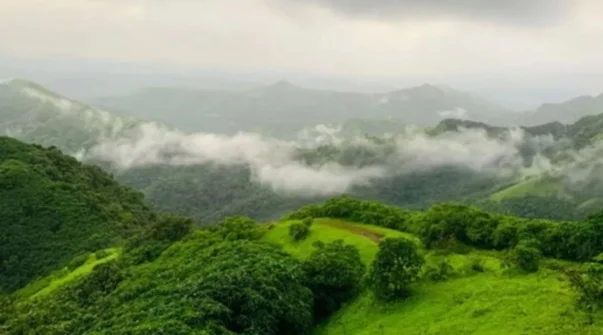
The Union Government has re-issued the seventh draft notification proposing 56,825.7 sq km of the Western Ghats as an Eco-Sensitive Area (ESA).
Important Point
An Eco-Sensitive Area (ESA) is a fragile ecosystem notified by the Central Government under the Environment (Protection) Act, 1986 to act as a buffer around ecologically important regions. These areas are regulated to minimise environmental degradation while allowing sustainable development.
|
State |
Proposed ESA (sq km) |
|
Gujarat |
449 |
|
Maharashtra |
17,340 |
|
Goa |
1,461 |
|
Karnataka |
20,668 |
|
Tamil Nadu |
6,914 |
|
Kerala |
9,993.7 |
Total Proposed ESA: 56,825.7 sq. km
The following projects will not be permitted:
Chairperson: Sanjay Kumar (Former Director General of Forest, MoEFCC)
Tenure Extended Till: July 2027
Chairperson: Madhav Gadgil
Recommendations
Chairperson: K. Kasturirangan
Recommendations
The first draft notification was issued in March 2014 based on these recommendations.
Prelims MCQQ. With reference to the proposed Eco-Sensitive Area (ESA) in the Western Ghats, consider the following statements:
Which of the statements given above is/are correct? A. 1 and 2 only Mains Practice QuestionThe Western Ghats Eco-Sensitive Area (ESA) notification reflects the challenge of balancing environmental conservation with socio-economic development. Discuss the significance of the ESA notification and examine the issues involved in its implementation. |
1. What is an Eco-Sensitive Area (ESA)?An Eco-Sensitive Area is an environmentally fragile region notified under the Environment (Protection) Act, 1986, where developmental activities are regulated to protect biodiversity and ecosystems. 2. Why has the Western Ghats ESA notification been re-issued?The sixth draft notification expired without finalisation due to disagreements between the Centre and the six Western Ghats states over the extent and demarcation of ESA boundaries. 3. Why are some states opposing the notification?States such as Karnataka have raised concerns that strict environmental regulations may affect farmers, local livelihoods, infrastructure development and economic activities. 4. Which committee forms the basis of the current ESA proposal?The present draft notification is primarily based on the recommendations of the Kasturirangan Committee (High-Level Working Group, 2013), which reviewed the earlier recommendations of the Madhav Gadgil Committee. |

Our support team will be happy to assist you!

 Contact Us
  New Batch : 9555124124/ 7428085757
  Tech Support : 9555124124/ 7428085757