Why in News?
- India is on track to add 7.5–8 GW of wind energy capacity in the financial year 2026–27, according to a senior official of the Ministry of New and Renewable Energy (MNRE).
- The government aims to increase India’s wind energy capacity to more than 100 GW by 2030.
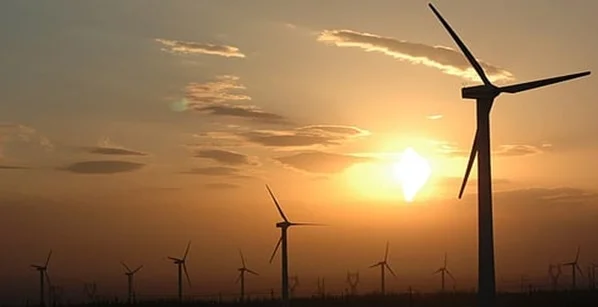
India’s Wind Energy Capacity
- India has made steady progress in expanding its wind energy capacity.
- As of August 31, 2026, India had an installed wind energy capacity of 58.52 GW.
- During the first five months of FY27, from April to August 2026, India added 2.42 GW of wind energy capacity.
- India had added more than 6 GW of wind energy capacity during FY26 (2025–26).
India’s Wind Energy Targets
- The government is focusing on increasing wind power generation as part of its broader renewable energy targets.
- India aims to:
- Add 7.5–8 GW of wind energy capacity in FY27.
- Achieve more than 100 GW of wind energy capacity by 2030.
- Contribute to the target of 500 GW of renewable energy capacity.
Why is Wind Energy Important for India?
- Wind energy is an important source of clean and renewable electricity. Increasing wind power capacity can help India reduce its dependence on fossil fuels and support its clean-energy transition.
- Wind energy can also contribute to India’s efforts to reduce greenhouse gas emissions and achieve its renewable energy targets.
India-EU Cooperation in Wind Energy
- The issue was discussed at the EU-India Wind Energy Business Summit 2026 at WindEnergy Hamburg.
- India also assured the European Union (EU) of full cooperation in the renewable energy sector.
- Greater India-EU cooperation can support investment, technology exchange and development of renewable energy projects.
Significance
- India’s planned expansion of wind energy capacity is significant for achieving its 500 GW renewable energy target and strengthening the country’s clean energy infrastructure.
- The growth of the wind energy sector can also create opportunities for investment, manufacturing, technology development and employment.
Challenges
India’s wind energy expansion faces challenges such as:
- Availability of suitable land and high-quality wind sites.
- Need for stronger transmission and grid infrastructure.
- Intermittency of wind power.
- Financing and investment requirements.
- Environmental and land-related clearances.
- Need for advanced wind turbine technology.
Way Forward
- India needs to strengthen grid infrastructure, energy storage, domestic manufacturing and transmission networks to support large-scale wind energy development.
- Greater cooperation with international partners can also help bring investment and advanced technologies into India’s renewable energy sector.
Conclusion
Wind energy can play a crucial role in India’s clean energy transition, energy security, and climate goals by expanding renewable capacity and reducing dependence on fossil fuels.
Prelims Practice Question
India added over how much wind energy capacity in FY 2025–26?
A. 4 GW
B. 5 GW
C. 6 GW
D. 8 GW
Mains Practice Question
Q. Discuss the role of wind energy in India’s transition towards clean energy and achieving its renewable energy targets.
|
FAQs
1. What is India’s wind energy capacity as of August 2026?
India’s installed wind energy capacity was 58.52 GW as of August 31, 2026.
2. How much wind energy capacity is India expected to add in FY 2026–27?
India is on track to add around 7.5–8 GW of wind energy capacity in FY 2026–27.
3. What is India’s wind energy target for 2030?
India aims to achieve more than 100 GW of installed wind energy capacity by 2030.
4. What is India’s broader renewable energy capacity target?
India has set a target of achieving 500 GW of renewable energy capacity by 2030.
5. Why is wind energy important for India?
Wind energy helps diversify India’s energy mix, reduce dependence on fossil fuels, improve energy security, and support its climate and clean-energy goals.
|






 Contact Us
  New Batch : 9555124124/ 7428085757
  Tech Support : 9555124124/ 7428085757