Prelims: (Nuclear Energy + CA)
Mains: (GS 3 – Disaster Management, Energy Security, Environmental Safety) |
Why in News ?
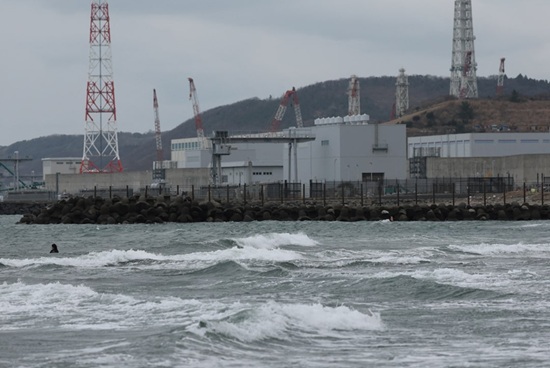
Nearly 15 years after the Fukushima nuclear disaster, Japan is preparing to restart the Kashiwazaki–Kariwa Nuclear Power Plant, triggering public protests and opposition from Fukushima survivors who warn of unresolved nuclear safety risks. The move is part of Japan’s strategy to reduce dependence on imported fossil fuels and meet rising energy demand while advancing its decarbonisation goals.
Background & Context
Japan is one of the world’s most energy-import-dependent economies, with 60–70% of electricity generation reliant on imported fossil fuels. Following the 2011 Fukushima disaster, Japan sharply curtailed nuclear power generation, increasing dependence on coal, LNG, and oil.
However, new challenges—such as:
- Rapid growth of AI data centres
- Rising electricity demand
- Climate commitments for net-zero emissions
have compelled Japan to reconsider nuclear energy as a stable, low-carbon baseload power source.
Kashiwazaki–Kariwa Nuclear Power Plant: Key Facts
- World’s largest nuclear power plant by installed capacity
- Located in Niigata Prefecture, near Tokyo
- Operated by Tokyo Electric Power Company (TEPCO)
- Houses multiple reactors with very high cumulative capacity
- Restart contingent on:
- Regulatory clearance
- Local government consent
- Enhanced safety upgrades
Fukushima Nuclear Disaster (2011): Overview
- Triggered by a 9.0 magnitude earthquake and subsequent tsunami
- Flooding disabled emergency cooling systems
- Resulted in:
- Core meltdowns in three reactors
- Massive radiation release
- Consequences:
- Worst nuclear accident since Chernobyl (1986)
- Large-scale evacuations
- Long-term exclusion zones
- Persistent health, environmental, and social impacts
Why Japan Is Reviving Nuclear Power
- Energy Security:
- Reduce vulnerability to global fuel price shocks
- Climate Commitments:
- Nuclear power emits minimal greenhouse gases
- Rising Demand:
- AI-driven digital infrastructure requires uninterrupted power
- Policy Target:
- Increase nuclear power’s share to 20% by 2040
Safety Concerns and Public Opposition
- Survivors and civil society groups argue:
- Seismic risks remain high
- Trust deficit with TEPCO, given Fukushima legacy
- Kashiwazaki–Kariwa has previously faced:
- Safety lapses
- Regulatory scrutiny
- Highlights enduring dilemma:
- Balancing energy security with disaster risk in seismically active regions
Broader Lessons for Nuclear Energy Governance
- Importance of:
- Independent regulatory oversight
- Disaster-resilient infrastructure
- Public trust and transparency
- Nuclear energy decisions must integrate:
- Geological risk
- Emergency preparedness
- Long-term waste management
India Context: Nuclear Energy Expansion
- As of 2025, India’s nuclear power capacity:
- Long-term target:
- SHANTI Act, 2025:
- Opens nuclear reactor development to private sector participation
- Aims to:
- Mobilise investment
- Improve efficiency
- Accelerate clean energy transition
- Japan’s experience offers lessons for India in:
- Safety culture
- Disaster preparedness
- Public engagement
FAQs
Q1. Why is Japan restarting the Kashiwazaki–Kariwa nuclear plant ?
To reduce fossil fuel dependence and meet rising electricity demand while pursuing decarbonisation.
Q2. Who operates the Kashiwazaki–Kariwa plant ?
Tokyo Electric Power Company (TEPCO).
Q3. What caused the Fukushima nuclear disaster ?
A massive earthquake and tsunami that disabled reactor cooling systems.
Q4. Why is nuclear energy controversial in Japan ?
Due to seismic risks, Fukushima’s legacy, and public safety concerns.
Q5. How is India expanding its nuclear energy capacity ?
Through policy reforms like the SHANTI Act, 2025 and a target of 100 GW by 2047.
|






 Contact Us
  New Batch : 9555124124/ 7428085757
  Tech Support : 9555124124/ 7428085757