New
GS Foundation (P+M) - Delhi : 15th Jan., 2026 New Year offer UPTO 75% + 10% Off | Valid till 03 Jan 26 GS Foundation (P+M) - Prayagraj : 15th Dec., 11:00 AM New Year offer UPTO 75% + 10% Off | Valid till 03 Jan 26 GS Foundation (P+M) - Delhi : 15th Jan., 2026 GS Foundation (P+M) - Prayagraj : 15th Dec., 11:00 AM

Parliamentary Privileges: Scope and Limits

Prelims: (Polity + CA)
Mains: (GS 2 – Indian Constitution, Parliament, Separation of Powers, Judicial Review)

Why in News ?

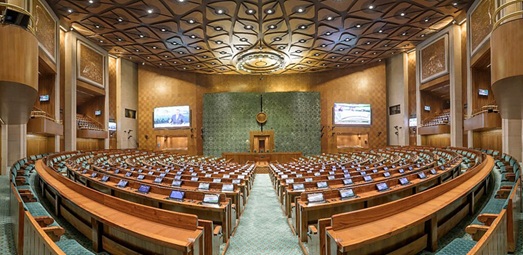
The Lok Sabha Speaker is examining a breach of parliamentary privilege notice over alleged disruptive conduct during the debate on the Viksit Bharat – Guarantee For Rozgar and Ajeevika Mission (Gramin) Bill, 2025, raising questions on contempt of the House and legislative discipline.
Background & Context

Parliamentary privileges are derived from the British parliamentary tradition and are meant to safeguard the independence, dignity, and effective functioning of legislatures. In India, these privileges are constitutionally recognised but not codified, leading to frequent debates on their scope, misuse, and conflict with democratic accountability.

What are Parliamentary Privileges ?

Parliamentary privileges are special rights, immunities, and exemptions enjoyed by:

  • Each House of Parliament
  • Parliamentary committees
  • Members of Parliament

Objective: To ensure free debate, uninhibited decision-making, and protection from external interference.

Types of Parliamentary Privileges

Individual Privileges

  • Freedom of speech in Parliament (Article 105)
  • Immunity from legal proceedings for speeches and votes
  • Freedom from arrest in civil cases during parliamentary sessions and related periods

Collective Privileges

  • Right to regulate internal proceedings
  • Power to punish for breach of privilege and contempt
  • Right to publish proceedings and conduct secret sittings

Sources of Parliamentary Privileges

  • Constitutional: Articles 105, 122, 194, 212
  • Legal: Article 105(3), Code of Civil Procedure, 1908
  • Conventions: British parliamentary practices
  • Rules & Procedure: Lok Sabha and Rajya Sabha rules
  • Judicial Interpretation: Supreme Court rulings

Breach of Privilege and Contempt of House

  • Breach of Privilege: Violation of a specific parliamentary right
  • Contempt of House: Any act that obstructs parliamentary functioning or lowers its authority

All breaches amount to contempt, but contempt can occur without a specific breach.

Procedure for Privilege Complaints

  1. Written notice to Speaker/Chairman
  2. Consent of Presiding Officer
  3. Leave of the House (supported by at least 25 members)
  4. Inquiry by the House or Committee of Privileges
  5. Punishment: reprimand, suspension, expulsion, or imprisonment till prorogation

Key Judicial Pronouncements

  • Searchlight Case (1958): Privileges can override freedom of press
  • PV Narasimha Rao Case (1998): Legislative immunity (now overturned)
  • Sita Soren Case (2024): Bribery is not protected by parliamentary privilege

Key Issues & Concerns

  • Scope for political misuse
  • Conflict with Fundamental Rights
  • Lack of codification and transparency
  • Erosion of public trust

Way Forward

  • A broad statutory framework defining core privileges
  • Transparent and fair procedures
  • Stronger ethics oversight
  • Harmonious balance between privileges and Fundamental Rights

FAQs

Q1. What are parliamentary privileges ?

Special rights and immunities that protect Parliament and MPs in performing legislative functions.

Q2. Which constitutional articles deal with parliamentary privileges ?

Articles 105, 122, 194, and 212.

Q3. What is the difference between breach of privilege and contempt of the House ?

Breach involves violation of a specific privilege; contempt is broader and includes any act obstructing parliamentary functioning.

Q4. Can MPs claim immunity for criminal acts ?

No. As clarified by the Supreme Court (2024), criminal acts like bribery are not protected.

Q5. Why is reform of parliamentary privileges needed ?

To prevent misuse, enhance transparency, and align privileges with constitutional values.

Have any Query?

Our support team will be happy to assist you!

OR