This editorial “The struggle to count women’s labour”, published in The Hindu on 6th Jan 2026, examines the persistent invisibility of women’s unpaid, emotional, and care work, highlighting how economic frameworks, policy priorities, and legal systems continue to undervalue labour that is essential for households, society, and the broader economy.
Invisibility of Women’s Labour: A Persistent Reality
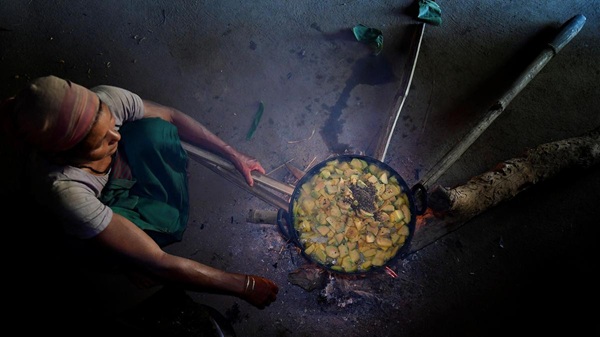
- In The Woman’s Labour (1739), Mary Collier highlighted how women’s essential work remains unseen.
- A 2023 United Nations report shows that women globally spend 2.8 more hours per day than men on unpaid care and domestic work.
- Domestic labour has entered public discourse, but emotional and mental labour - managing relationships, households, and well-being remains largely unacknowledged.
- This uncounted labour is crucial for the smooth functioning of families and societies, yet it is rarely measured or rewarded.
- Shirin Rai argues that such labour is excluded from definitions of production, national budgets, and policy frameworks.
Structural Reasons for Devaluation
- Economic systems have prioritised labour defined as “productive,” while care-related work has been treated as secondary.
- The male breadwinner model, emphasis on GDP growth, and preference for physical over social infrastructure have diverted resources away from childcare, elder care, and mental health services.
- This separation of production from social reproduction has reinforced gendered power relations and women’s subordination.
Global Efforts to Recognise Unpaid Work
- Bolivia (Article 338): Recognises domestic work as economic activity and provides social security to housewives.
- Trinidad and Tobago (Counting Unremunerated Work Act, 1996): Mandates measurement and monetary valuation of unpaid work by gender.
- Argentina: Provides pension credits for unpaid care work through domestic employment laws.
Indian Context
- India lacks a legal or policy framework to recognise or compensate unpaid care and emotional labour.
- In Kannaian Naidu v. Kamsala Ammal (2023), the Madras HC ruled that a wife’s household and caregiving work entitled her to an equal share in family property.
Beyond Editorial
Addressing the Undervaluation of Women’s Labour
- Recognise emotional labour: Include emotional and mental labour in policy discourse, as it sustains households, communities, and productivity but remains uncounted.
- Redefine work: Recognise unpaid care, domestic, and emotional labour as productive; ILO/OECD estimates suggest monetisation would add 9–15% of GDP.
- Induct men into care economy: Promote paternity leave and male caregiving; Sweden’s “use-it-or-lose-it” paternal leave increased men’s long-term care involvement.
- Legal recognition: Enact laws acknowledging unpaid care work; Bolivia’s Constitution (Article 338) recognises domestic work as economic activity with social security rights.
- Statistical valuation: Mandate valuation of unremunerated work; Trinidad and Tobago’s Counting Unremunerated Work Act, 1996 requires gender-wise measurement and monetary valuation.
- Social security inclusion: Provide pension credits for caregivers; Argentina grants pension credits for unpaid care work during child-rearing years.
- Strengthen care infrastructure: Expand childcare, eldercare, and mental health services; Nordic countries with universal childcare show higher female labour force participation.
- Redistribute care responsibilities: Enable flexible work and parental leave; Germany’s parental allowance reforms increased fathers’ share in childcare.
|





 Contact Us
  New Batch : 9555124124/ 7428085757
  Tech Support : 9555124124/ 7428085757