
- UPSC Exam
- State PCS
- One Day Exam
- Current Affairs
- PT Quiz
- Downlaods
- About Coaching
- Blog
- Videos

| Prelims: (Economy + CA) Mains: (GS 2 – India & Neighbourhood Relations; GS 3 – Water Resources, Environment & Infrastructure) |
The Jammu & Kashmir government is reportedly considering leveraging the suspended Indus Waters Treaty to divert water from the Ravi River towards the Jammu region and revive the long-pending Tulbul Navigation Barrage Project. The proposal has reignited debate over water management, interstate allocation, and India-Pakistan hydro-diplomacy.
The Indus Waters Treaty (1960), brokered by the World Bank, allocated:
The Tulbul project, initiated in the 1980s, was halted following objections from Pakistan, which argued that it violated treaty provisions regarding storage on the Jhelum River (a Western river). With renewed tensions and treaty uncertainties, discussions around reviving the project have resurfaced as part of broader water strategy considerations.
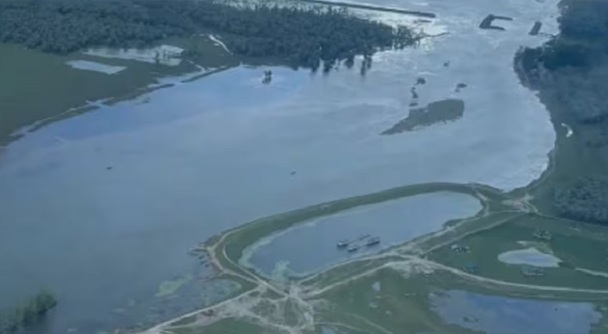
Also known as the Wular Barrage, the Tulbul Navigation Project is located at the outlet of Wular Lake in Jammu & Kashmir.
Key Features:
Additional Benefits:
Wular Lake plays a critical ecological role in flood control, biodiversity conservation, and groundwater recharge.
Navigation Revival
The barrage would restore inland water transport during winter when water levels drop significantly.
Hydropower Optimisation
Regulated water release improves efficiency and consistency in downstream hydropower plants.
Water Management in Jammu Region
Diversion of Ravi waters could enhance irrigation, drinking water supply, and regional water security.
Strategic Leverage
In the context of India-Pakistan tensions, water infrastructure is viewed as a tool of strategic assertion within treaty limits.
While infrastructure revival promises economic gains, concerns remain:
As a Ramsar site, ecological safeguards would be essential before project revival.
Water-sharing arrangements remain a sensitive issue in India-Pakistan relations.
The Tulbul project lies at the intersection of hydro-diplomacy, regional development, and ecological governance.
FAQs1. What is the Tulbul Navigation Barrage Project ? It is a proposed navigation and water regulation structure at the outlet of Wular Lake designed to maintain water flow in the Jhelum River during winter. 2. Why was the project stalled earlier ? Pakistan objected, arguing that it violated storage restrictions under the Indus Waters Treaty. 3. How does the project benefit hydropower generation ? By regulating water flow, it stabilises downstream hydroelectric plants such as the Uri I and II projects. 4. What is the importance of Wular Lake ? It is India’s largest freshwater lake, a Ramsar-designated wetland, and a key ecological buffer in Kashmir. 5. What are the major concerns regarding revival ? Environmental risks, treaty-related diplomatic tensions, and ecological impacts on the Ramsar-listed wetland. |


Our support team will be happy to assist you!

 Contact Us
  New Batch : 9555124124/ 7428085757
  Tech Support : 9555124124/ 7428085757