
- UPSC Exam
- State PCS
- One Day Exam
- Current Affairs
- PT Quiz
- Downlaods
- About Coaching
- Blog
- Videos

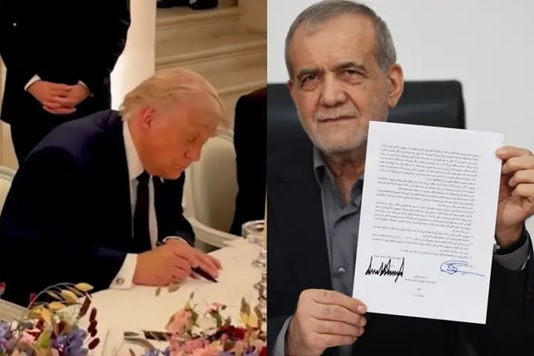
The 2015 Joint Comprehensive Plan of Action (JCPOA) was primarily limited to Iran's nuclear program and sanctions. In contrast, the 2026 MoU seeks to redefine the overall political, economic, and strategic relationship between the two countries.
The key issues covered in this agreement are :
This clause expresses a commitment to end hostilities between Iran, the US, and allied parties. Lebanon is specifically included in the ceasefire arrangement.
The US has pledged to distance itself from its regime change policy and not interfere in Iran's internal affairs. This is considered a significant political achievement for Iran.
If both parties agree, the 60-day negotiation period can be extended, providing more time for a final agreement.
The US has agreed to reduce its naval presence in the Hormuz region and lift the blockade.
This is considered the most important economic clause of the agreement. It proposes a $300 billion plan for Iran's economic reconstruction and infrastructure development.
Negotiations will be held to lift sanctions related to energy, shipping, nuclear activities, and terrorism. If sanctions are lifted, Iran's oil exports are estimated to generate approximately $60 billion annually.
Iran has reiterated its commitment not to develop nuclear weapons. However, the agreement does not include the condition of handing over its 60 percent enriched uranium stockpile to a third country.
Iran will not pursue new enrichment programs until a final agreement is reached. It is noteworthy that the ballistic missile program and regional coalition groups are excluded from the scope of this agreement.
Immediate relief from some sanctions will be provided during the interim period until a final agreement is reached.
Over $100 billion of Iranian assets stashed in foreign banks will be released in a phased manner. This is expected to provide immediate relief to Iran's economic situation.
A special executive mechanism will be established to monitor compliance with the agreement.
This clause sets the agenda and priorities for negotiations to be held over the next 60 days.
The final agreement will be endorsed by a United Nations Security Council (UNSC) resolution, giving it international legitimacy.
This agreement is not limited to improving relations between the United States and Iran, but could impact the geopolitical structure of the entire Middle East. If successful, it could lead to a reduction in regional conflicts, stability of energy supplies, and a strengthening of global economic balance.
The US-Iran MoU 2026 could mark not just a ceasefire agreement, but the beginning of a new strategic balance in West Asia. This agreement offers Iran an opportunity for economic revival, diplomatic legitimacy, and increased regional influence, while offering the US a chance to reduce regional tensions and establish stability. The coming 60 days will determine whether this agreement will prove to be a step toward lasting peace or will remain another unfinished chapter in the history of US-Iran relations.



Our support team will be happy to assist you!

 Contact Us
  New Batch : 9555124124/ 7428085757
  Tech Support : 9555124124/ 7428085757