Why in the News ?
- The Government of India has asked WhatsApp to temporarily halt the rollout of its proposed Username Feature.
- The government believes that introducing the feature in its current form could significantly increase cybercrimes such as impersonation, phishing, online financial fraud, digital arrest scams, and spam messaging.

What is WhatsApp's Username Feature ?
- WhatsApp has proposed a new Username-based feature that would allow users to communicate with others without sharing their mobile phone numbers.
- At present, initiating a conversation on WhatsApp requires the recipient's phone number.
- Under the proposed system, users will be able to choose a unique username, and others can contact them using that username instead of their mobile number.
- This means users will no longer need to publicly share their phone numbers.
- Similar functionality already exists on messaging platforms such as Telegram and Signal, where users can communicate through usernames instead of phone numbers.
Key Features of the Proposed Model
- Every user will be able to select a unique and exclusive username for their WhatsApp account.
- Other users will be able to connect using the username instead of the mobile number.
- The primary objective of the feature is to strengthen user privacy, especially when communicating with new contacts without revealing personal phone numbers.
- However, WhatsApp has clarified that a mobile number will still remain mandatory for creating, verifying, and operating a WhatsApp account. The username is not a replacement for the phone number but merely an additional method of communication.
- According to WhatsApp, users often meet new classmates, neighbours, business contacts, or people at events with whom they may wish to communicate without immediately sharing their personal phone numbers.
- In such situations, the Username Feature aims to provide a more private and secure communication option.
Government's Directive
- The Central Government has expressed serious concerns regarding the proposed Username Feature and has instructed WhatsApp not to launch it for the time being.
- The Ministry of Electronics and Information Technology (MeitY) has issued a formal notice to WhatsApp.
- The notice directs the company to submit a detailed explanation within three days and refrain from launching the feature until extensive consultations with the government and other stakeholders are completed.
- The government believes that any new digital feature with significant public impact should undergo a comprehensive assessment of its social, technological, and cybersecurity implications before implementation.
- India has over 800 million WhatsApp users, accounting for more than one-fourth of WhatsApp's 3 billion global users.
Government's Major Concerns
The government fears that allowing users to communicate solely through usernames while hiding their phone numbers could make it much easier for cybercriminals to deceive people.
According to the government, the feature could facilitate :
- Impersonation
- Phishing
- Online Financial Fraud
- Digital Arrest Scams
- Spam Messaging
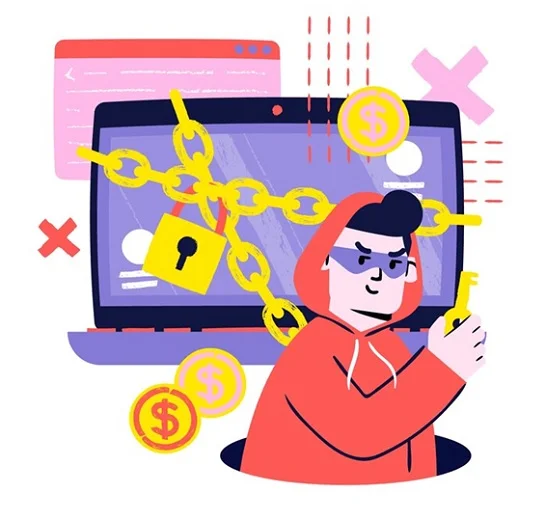
Risk of Fake Identities
- Officials believe users may create usernames that closely resemble those of: Government departments ,Banks ,Police organizations ,Verified institutions ,Well-known companies ,Public personalities .
- Such deceptive usernames could make it extremely difficult for ordinary users—especially senior citizens, digitally less-literate individuals, and rural internet users—to distinguish between genuine and fake accounts.
Existing Cybercrime Concerns
- The government noted that impersonation-based cyber fraud is already widespread on WhatsApp.
- Criminals frequently pose as: Police officers ,Bank officials ,Government employees ,Representatives of reputed organizations .
to deceive victims and steal money.
- If mobile numbers are hidden and communication occurs only through usernames, fraudsters may gain an additional layer of anonymity, making identity verification even more difficult.
Concern over Digital Arrest Scams
- The government also believes the feature could encourage the growing menace of Digital Arrest scams.
- In such scams, fraudsters impersonate officials from agencies such as the Police, CBI, ED, or other government authorities, intimidate victims, and extort large sums of money.
- If these fraudsters use usernames resembling government institutions, it could become even harder for users to verify their authenticity.
WhatsApp's Response
WhatsApp has stated that the proposed feature already incorporates several safeguards to minimize impersonation and misuse.
Security Measures Proposed by WhatsApp
- Usernames associated with:Public figures ,Government institutions ,Well-known personalities ,Meta-verified accounts will be reserved and unavailable for registration.
- Lookalike usernames resembling famous or verified names will not be permitted.
- Anyone wishing to contact another user must know the exact username.
- When a user receives the first message from an unknown account, WhatsApp will display additional contextual information, such as:
- Whether the sender's account is newly created.
- Whether the sender is already in the recipient's contact list.
- Whether both users are members of a common group.
- Whether the sender is messaging from another country.
Additional Protective Measures
- The number of messages that a new account can send to unfamiliar users will be limited.
- Repeated attempts to guess usernames will be blocked.
- Advanced technical systems will monitor and detect common patterns of impersonation and abuse.
- If any user is found engaging in impersonation or fraudulent activities, WhatsApp may remove the username or permanently ban the account.




 Contact Us
  New Batch : 9555124124/ 7428085757
  Tech Support : 9555124124/ 7428085757