Prelims: COP31, UNFCCC, UNEP, climate adaptation finance, climate mitigation, heat action plans and CBDR-RC.
Mains: General Studies Paper III - Environment, climate change, disaster management, sustainable development and international environmental cooperation.
Keywords: COP31 2026, climate adaptation finance, heatwaves as natural disasters, India heat action plans, global climate finance gap, UNEP Adaptation Gap Report 2025, CBDR-RC, sustainable cooling. |
Why in News?
- The 31st Conference of the Parties (COP31) to the United Nations Framework Convention on Climate Change (UNFCCC) is scheduled to be held in Antalya, Türkiye, from November 9 to 20, 2026.
- The conference is significant as countries will discuss measures to address climate change, strengthen climate finance, improve adaptation and accelerate the implementation of the Paris Agreement.
- The summit is also in focus following India’s call for COP31 to prioritise the fulfilment of existing climate commitments, faster implementation of the Paris Agreement and greater support for countries in need.
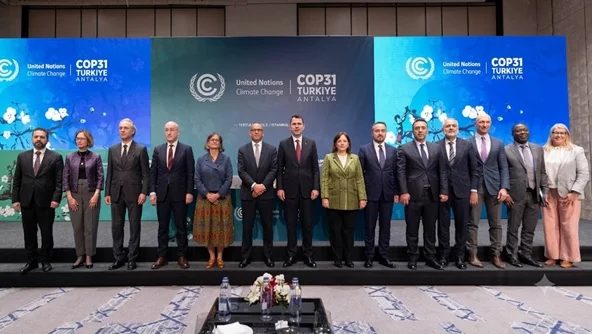
Important Points
- Conference: 31st Conference of the Parties (COP31)
- Dates: November 9–20, 2026
- COP31 President: Murat Kurum
- Lead for Official Climate Negotiations: Chris Bowen, Australia’s Minister for Climate Change and Energy
- Climate Convention: United Nations Framework Convention on Climate Change (UNFCCC)
- UNFCCC Adoption: 1992
- Paris Agreement Adoption: 2015
- World Leaders’ Summit: November 11–12, 2026
COP31 will also include CMP21, the 21st session of the meeting of the Parties to the Kyoto Protocol, and CMA8, the eighth session of the meeting of the Parties to the Paris Agreement.
What Is COP31?
- The Conference of the Parties (COP) is the main decision-making body under the UNFCCC. It brings together countries that are parties to the convention to review progress, negotiate climate policies and strengthen international cooperation.
- The first COP meeting was held in Berlin, Germany, in 1995. Since then, COP conferences have become a central platform for global climate negotiations.
- COP31 will focus on implementing existing climate commitments, strengthening international cooperation and addressing the growing impacts of climate change.
Who Will Lead COP31?
COP31 will be hosted by Türkiye, while Australia will lead the official climate negotiations under an agreement between the two countries.
- Murat Kurum: Türkiye’s Minister of Environment, Urbanisation and Climate Change; President of COP31.
- Chris Bowen: Australia’s Minister for Climate Change and Energy; will lead the official climate negotiations.
- Samed Ağırbaş: President of the Zero Waste Foundation; Climate High-Level Champion for COP31, promoting climate action by businesses, cities and citizens.
Key Issues to Be Discussed at COP31
1. Climate Change Mitigation
- Climate change mitigation refers to efforts to reduce greenhouse gas emissions and limit global warming.
- Discussions are expected to focus on accelerating the transition to cleaner energy, improving energy efficiency and strengthening countries’ climate commitments.
2. Climate Change Adaptation
- Adaptation involves adjusting to the actual or expected effects of climate change. It includes measures to address heatwaves, floods, droughts, rising sea levels and other climate-related risks.
- Developing countries, particularly those with limited resources, require greater support to strengthen their resilience to these impacts.
3. Climate Finance
- Climate finance is a key issue for developing countries, which often face high costs in reducing emissions and adapting to climate change.
- COP31 is expected to provide an important platform for discussing the mobilisation of climate finance, the fulfilment of international commitments and improved access to funding for vulnerable countries.
4. Loss and Damage
- Loss and damage refer to the harmful consequences of climate change that cannot be fully avoided through mitigation or adaptation.
- The issue is particularly important for countries facing severe climate-related disasters, including small island developing states and other vulnerable nations.
- Discussions may focus on support mechanisms and the implementation of existing arrangements.
5. Technology Transfer and Capacity Building
- Access to affordable climate technologies is essential for developing countries to reduce emissions and adapt to climate impacts.
- International cooperation on clean energy, early warning systems, climate-resilient infrastructure and technical expertise will remain important.
6. Implementation of the Paris Agreement
- A central objective of COP31 will be to advance the implementation of the Paris Agreement, adopted in 2015.
- The agreement aims to keep the rise in global average temperature well below 2°C above pre-industrial levels and pursue efforts to limit it to 1.5°C. Countries are expected to strengthen their climate action and work towards meeting their commitments.
COP31 World Leaders’ Summit
- The World Leaders’ Summit is scheduled for November 11–12, 2026, in Antalya. It will provide an opportunity for heads of state and government to discuss climate priorities and build political support for international climate action.
- A pre-COP meeting is also planned in Fiji from October 5–8, 2026, alongside a leaders’ event in Tuvalu. These Pacific-focused engagements are intended to bring greater attention to the concerns of climate-vulnerable island nations ahead of COP31.
- Small island states in the Pacific face serious threats from rising sea levels, coastal erosion and extreme weather events. Their priorities include adaptation support, climate finance and stronger international action to limit global warming.
Why Is COP31 Significant?
COP31 is important because the world continues to face rising temperatures, extreme weather events and increasing economic and social losses associated with climate change.
The conference will provide an opportunity to:
- Strengthen the implementation of the Paris Agreement.
- Accelerate global efforts to reduce greenhouse gas emissions.
- Improve access to climate finance for developing countries.
- Strengthen adaptation and resilience against climate-related disasters.
- Address loss and damage in vulnerable countries.
- Promote cooperation on climate technologies and capacity building.
The success of COP31 will depend not only on new announcements but also on countries’ willingness to implement existing commitments and provide the financial and technical support needed to achieve them.
Most Important COP Summits
|
COP
|
Year
|
Host Country
|
Key Outcome
|
|
COP 3
|
1997
|
Japan
|
Kyoto Protocol adopted
|
|
COP 8
|
2002
|
India
|
Delhi Ministerial Declaration
|
|
COP 15
|
2009
|
Denmark
|
Copenhagen Accord
|
|
COP 21
|
2015
|
France
|
Paris Agreement adopted
|
|
COP 26
|
2021
|
United Kingdom
|
Glasgow Climate Pact
|
|
COP 27
|
2022
|
Egypt
|
Loss and Damage Fund agreed upon
|
|
COP 28
|
2023
|
UAE
|
First Global Stocktake; call to transition away from fossil fuels
|
|
COP 29
|
2024
|
Azerbaijan
|
New climate finance goal: at least $300 billion annually by 2035
|
|
COP 30
|
2025
|
Brazil
|
Focus on implementing climate commitments
|
|
COP 31
|
2026
|
Türkiye
|
Scheduled for November 9–20, 2026
|
India’s COP History
- India has played an active role in international climate negotiations, particularly in advocating climate equity, sustainable development and the principle of common but differentiated responsibilities and respective capabilities (CBDR-RC).
- India hosted COP8 in New Delhi in 2002. The conference adopted the Delhi Ministerial Declaration, which emphasised sustainable development and the implementation of climate commitments while recognising the different capacities and responsibilities of developed and developing countries.
- India has also emphasised the importance of climate finance, technology transfer and the need to balance climate action with development priorities.
- The Paris Agreement, adopted at COP21 in Paris in 2015, was a major milestone in international climate cooperation. It established a framework under which countries submit and strengthen their national climate commitments to address global warming.
- India’s climate priorities include expanding renewable energy, improving energy efficiency, strengthening climate resilience and ensuring that the global transition to a low-carbon economy remains fair and inclusive.
Challenges
- Insufficient Climate Finance: Lack of adequate funding for developing countries.
- Implementation Gap: Failure to translate climate commitments into action.
- Global Disagreements: Differences over historical emissions and climate responsibilities.
- Rising Emissions: Continued dependence on fossil fuels.
- Adaptation and Loss and Damage: Inadequate support for climate-vulnerable countries.
- Technology Transfer: High costs and limited access to clean technologies.
- Geopolitical Tensions: Conflicts that hinder international cooperation.
- Accountability: Weak monitoring and implementation of climate commitments.
Way Forward
- Strengthening Climate Finance: Developed countries and international financial institutions should provide predictable, accessible and adequate finance to developing countries for mitigation and adaptation.
- Effective Implementation of the Paris Agreement: Countries should strengthen their Nationally Determined Contributions (NDCs) and translate climate targets into measurable actions.
- Promoting Climate Justice: Climate policies should follow the principle of Common but Differentiated Responsibilities and Respective Capabilities (CBDR-RC), recognising differences in countries’ historical emissions and capacities.
- Accelerating the Clean Energy Transition: Countries should expand renewable energy, improve energy efficiency and gradually reduce dependence on fossil fuels through a just and inclusive transition.
- Strengthening Adaptation and Resilience: Greater investment is needed in climate-resilient infrastructure, early warning systems, sustainable agriculture and disaster risk reduction.
- Addressing Loss and Damage: Existing international arrangements should be made more effective to support vulnerable countries facing irreversible climate-related losses.
- Enhancing Technology Transfer: International cooperation should facilitate affordable access to clean technologies, research, innovation and capacity-building support.
- Ensuring Accountability: Transparent monitoring, regular progress assessments and stronger international cooperation are essential to ensure that climate commitments translate into tangible results.
Conclusion
COP31 will provide an important platform to strengthen global climate cooperation and implement the Paris Agreement. Its success will depend on translating climate commitments into action, ensuring adequate climate finance, promoting technology transfer and addressing the needs of developing and vulnerable countries.
Prelims Practice Question
Q. With reference to climate adaptation finance and COP31, consider the following statements:
- COP31 is scheduled to be held in Antalya, Türkiye, from November 9 to 20, 2026.
- Climate adaptation finance aims to reduce vulnerability to the impacts of climate change.
- The principle of Common but Differentiated Responsibilities and Respective Capabilities (CBDR-RC) recognises that all countries have identical responsibilities and financial capacities to address climate change.
Which of the statements given above is/are correct?
(a) 1 and 2 only
(b) 2 and 3 only
(c) 1 and 3 only
(d) 1, 2 and 3
Mains practice Question
Q. “The growing frequency of extreme heat events highlights the need for adequate climate adaptation finance in developing countries.” Discuss the major challenges in accessing climate adaptation finance and suggest measures to strengthen India’s climate resilience.
|
FAQs
1. What is COP31?
COP31 is the 31st Conference of the Parties to the United Nations Framework Convention on Climate Change (UNFCCC), where countries discuss climate action and international cooperation.
2. When and where will COP31 2026 be held?
COP31 is scheduled to take place in Antalya, Türkiye, from November 9 to 20, 2026.
3. What is climate adaptation finance?
It is funding used to help countries and communities prepare for and manage climate change impacts, including heatwaves, floods and droughts.
4. How much adaptation funding does India require by 2030?
India’s first Adaptation Communication to the UNFCCC estimated a cumulative adaptation expenditure requirement of ₹56.68 trillion by 2030.
5. What is the CBDR-RC principle?
It is the principle that all countries share responsibility for addressing climate change, but their responsibilities and capacities differ, with developed countries expected to take the lead.
|