New
GS Foundation (P+M) - Delhi : 05th Jan., 2026 Winter Sale offer UPTO 75% + 10% Off, Valid Till : 5th Dec., 2025 GS Foundation (P+M) - Prayagraj : 15th Dec., 11:00 AM Winter Sale offer UPTO 75% + 10% Off, Valid Till : 5th Dec., 2025 GS Foundation (P+M) - Delhi : 05th Jan., 2026 GS Foundation (P+M) - Prayagraj : 15th Dec., 11:00 AM

Current Affairs for 03 December 2025

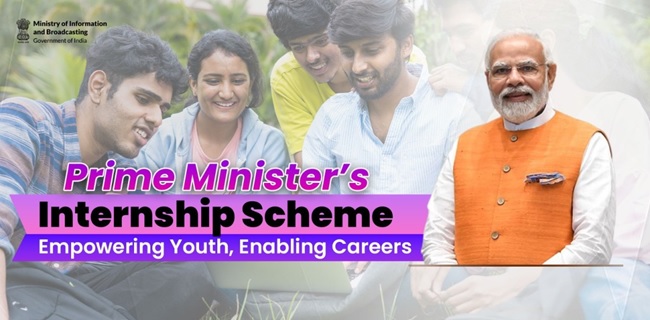
PM Internship Programme Faces Operational Setbacks

Prelims: (Polity + CA)
Mains: (GS 2 – Governance)

Why in the News?

The Prime Minister’s Internship Scheme has come under scrutiny after official data showed very low participation:

  • Only 1 in 5 selected candidates accepted the internship offer, and
  • 20% of those who did join eventually dropped out before completion.

This has raised serious concerns regarding the scheme’s design, incentives, and implementation.
PM-Internship-Programme

Overview of the PM Internship Scheme

  • The Prime Minister’s Internship Scheme aims to provide young graduates with practical exposure to the functioning of Central Ministries, Departments, and public institutions.
  • Interns gain experience in:
    • Research & analysis
    • Project monitoring
    • Field surveys
    • Data management
    • Governance documentation
  • Selection is merit-based, with a national-level application process.
  • The internship provides a stipend, fixed tenure, and structured work roles.
  • It does not guarantee government employment, which remains a key criticism.

Key Findings: Low Acceptance & Premature Dropouts

Acceptance Rate: Only 20%

Despite rigorous shortlisting, only one-fifth of selected applicants accepted the internship.

Dropout Rate: 20%

A significant number of interns quit mid-way, pointing to systemic shortcomings.

Why Did Many Candidates Decline the Offer?

1. Low Stipend / Financial Pressure

  • Stipend often fails to cover living costs in Delhi or Tier-1 cities.
  • Relocation burdens disproportionately affect students from rural or low-income backgrounds.

2. Better Private Sector Prospects

  • Corporate internships offer higher pay and clearer career pathways.

3. No Job Guarantee

  • Since the scheme does not lead to government recruitment, students often deprioritise it.

4. Geographic Mismatch

  • Many interns are posted far from home, increasing financial and logistical burdens.

Reasons for Early Dropouts

  • Mismatch between expectations and reality of work
  • Limited mentorship, leading to poor learning outcomes
  • Monotonous or clerical tasks instead of meaningful policy exposure
  • Accommodation & logistical difficulties
  • Lack of structured training modules

These issues undermine the scheme’s original goals.

Government Response & Proposed Improvements

1. Revising Stipend Structures

  • Discussions underway to increase allowances, especially for Tier-1 postings.

2. Strengthening Mentorship Systems

  • Plans for structured orientation, supervisor training, and a defined learning roadmap.

3. Better Matching of Interns & Departments

  • Efforts to align interns’ academic backgrounds with relevant ministries.

4. Robust Monitoring Mechanisms

  • Digital dashboards for attendance, task tracking, and learning milestones.

5. Exploring Hybrid / Remote Internship Models

  • To encourage wider participation, especially from smaller towns.

Broader Significance: Why the Scheme Matters

  • Enhances youth participation in governance
  • Strengthens understanding of public administration
  • Creates a pipeline of trained policy professionals
  • Encourages innovation and tech-driven governance
  • Offers ministries fresh perspectives and additional research capacity

For students, it provides:

  • Exposure to national policy mechanisms
  • Networking with civil servants
  • Analytical and administrative skills

Challenges Ahead

  • Low perceived career value
  • Competition from private sector internships
  • Accessibility barriers for rural, female, and low-income applicants
  • Need for strict assessment, certification, and defined competencies
  • Need to create meaningful, non-clerical work opportunities

Unless reforms address these issues, participation levels may remain low.

FAQs

1. Is the PM Internship Scheme a paid internship?

Yes, it provides a stipend, but many applicants feel it is insufficient for major-city postings.

2. Does the internship guarantee a government job?

No. The scheme is for learning and exposure only; it does not provide employment.

3. Who is eligible to apply?

Recent graduates or young professionals meeting the academic and age criteria set by the government.

4. Why are so many interns dropping out early?

Key reasons include low stipend, lack of mentorship, mismatch in expectations, and logistical difficulties.

5. Is the government planning to modify the scheme?

Yes, reforms under consideration include higher stipends, hybrid internship options, improved mentorship, and better matching mechanisms.

Health Equity: WHO Global Fertility Care Guidelines

(Prelims: Current Affairs)
(Mains, General Studies Paper 2: Topics related to the development and management of social sectors/services related to health, education, and human resources.)

Context

The World Health Organization (WHO) has released global guidelines on the prevention, diagnosis, and treatment of infertility for the first time. Their aim is to make fertility care safer, more affordable, and accessible to all worldwide.

Infertility: A Global Crisis

Health-Equity

Infertility is increasing rapidly worldwide, but access to diagnosis and treatment remains limited. In many countries, techniques like IVF are prohibitively expensive, leaving people vulnerable to financial hardship. The WHO has identified this as a major health equity issue.

Background

  • According to the WHO, 1 in 6 people of reproductive age faces infertility at some point in their lives.
  • Infertility is defined as the failure to conceive despite 12 months of regular unprotected sexual intercourse (without contraception).
  • Currently, in many countries, infertility treatment relies on the private sector, and patients bear the cost themselves.
  • WHO Director Tedros has described infertility as "one of the most neglected global public health challenges."

Key Points

  • For the first time, WHO released 40 recommendations on the prevention, diagnosis, and treatment of infertility.
  • The guidelines emphasize promoting cost-effective options and incorporating fertility care into national health strategies.
  • WHO recommends timely treatment of sexually transmitted infections (STIs), reducing tobacco use and unhealthy lifestyles, improving diet, physical activity, and tobacco cessation.
  • The guidelines call for increasing fertility awareness in schools, primary health centers, and reproductive health facilities.
  • Clinical pathways have been outlined to diagnose common biological causes of male and female infertility.
  • Treatment is recommended to progress progressively from simple counseling (fertile window awareness) to more complex treatments like IUI and IVF.
  • WHO emphasizes the importance of providing psychosocial support, considering the psychological impact of infertility, such as depression, anxiety, and social isolation.

Challenges

  • In many countries, the cost of treatments like IVF exceeds a family's annual income by several times.
  • Demand for infertility services is growing, but infrastructure is limited.
  • Social taboos, psychological stress, and stigmatization of women remain issues.
  • Lack of fertility care in health systems and inadequate inclusion in government programs.
  • Access to diagnosis and treatment is extremely limited for people in rural areas and low-income groups.

Way Forward

  • Increasing government support: Incorporate fertility testing and treatment into health insurance and government schemes.
  • Providing affordable services: Develop affordable models for techniques like IVF/IUI in public hospitals.
  • Awareness campaigns: Educate on fertility literacy, STI prevention, and healthy lifestyles from the school level.
  • Mental health support: Ensure counseling and support services in fertility clinics.
  • Equitable access: Mobile clinics, telemedicine, and training programs to increase access to fertility services for rural and marginalized communities.
  • Data and research: Promote national infertility data collection and research.

We Rise Initiative

Recently, the We Rise initiative has been launched. The full form of We Rise is:  Women Entrepreneurs Reimagining Inclusive Sustainable Enterprises

This initiative is a significant institutional effort to promote women-led enterprises in the global market. It has been launched by NITI Aayog’s Women Entrepreneurship Platform (WEP) in partnership with DP World, under their Award to Reward (ATR) program.

We-Rise-Initiative.

Objectives

The main objective of this initiative is to enhance the global presence of women entrepreneurs and women-led MSMEs. Under this initiative, they will be provided with:

  • Access to global business opportunities
  • Development of export capabilities
  • Mentorship, capacity building, and training
  • Facilitation of strategic partnerships
  • Technical and financial support for business expansion

Key Features

  • Assistance to women entrepreneurs in market access and supply chain integration
  • International connectivity through DP World’s business network
  • Support for product quality, packaging, and export standards
  • Skilling, networking, and knowledge-sharing through WEP’s digital platform
  • Steps to make the MSME sector export-oriented

Significance

  • Provides structural support to women entrepreneurship in India
  • Increases women’s participation in the MSME sector
  • Strengthens the ‘Vocal for Local to Global’ approach
  • Promotes women-led economic development in India
  • Enhances the role of women in exports and integrates them into global competition

Meghalaya: Regional AI Impact Conference 2025 Held in Shillong

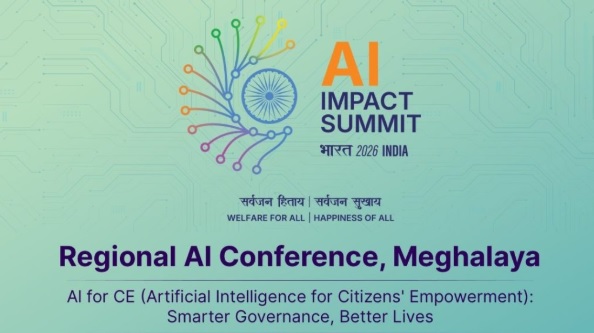
The Regional Artificial Intelligence (AI) Impact Conference 2025 was organized in Shillong, the capital of Meghalaya. This conference is one of the major regional events leading up to the India AI Impact Summit 2026, scheduled for February 2026. The event was hosted in collaboration with the IndiaAI Mission, MeitY, and the Government of Meghalaya.
Regional-AI-Impact

Objectives of the Conference:

  • Assess the regional potential of AI
  • Promote AI-based innovation in Northeast India
  • Discuss AI applications in governance, education, health, agriculture, and skill development
  • Prepare inputs for the upcoming India AI Impact Summit 2026

Key Highlights of the Conference:

Focus on PM’s ‘Democratization of Technology’ Vision

  • Ashwini Vaishnaw, Union Minister for Electronics & IT, Information & Broadcasting, and Railways, addressed virtually:

“We are organizing regional AI Impact Conferences across the country. The Shillong conference is focused on People, Planet, Progress.”

  • These three pillars are considered the core theme of the upcoming AI Impact Summit 2026.

Progress of IndiaAI Mission:

  • Financial Allocation: 10,300 crore allocated over the last five years for AI mission initiatives.
  • National AI Computing Infrastructure (Shared GPU Infrastructure):
    • Developed to ensure AI resources are accessible to all
    • Over 38,000 GPUs added so far – a major step in expanding AI capacity in India
  • AI Labs Establishment:
    • Target to set up 570 AI and data labs nationwide
    • 30 labs inaugurated to date

AI Infrastructure in Meghalaya:

  • NIELIT Shillong: Operational AI lab at the National Institute of Electronics & Information Technology (NIELIT)
  • New AI Labs (Proposed/Under Construction):
    • ITI Shillong – Proposed
    • Shillong Polytechnic – Proposed
    • ITI Tura – Under construction
  • These labs aim to strengthen the AI skilling ecosystem among youth in Northeast India

Goal of Training 1 Million People:

  • The government aims to train 10 lakh individuals in AI skills
  • Focus on defining future employment opportunities for youth
  • Ensure AI technology reaches every part of the country

Participants in the Conference:

  • Senior government officials
  • Technology experts and industry leaders
  • Startup founders
  • Academics
  • Researchers and innovators
  • Discussions focused on leveraging AI as a transformative tool for society, economy, and governance

Significance of the Conference:

  • Step toward establishing Northeast India as an AI Innovation Hub
  • Promote digital inclusion
  • Lay foundation for AI-enabled governance in states
  • Provide regional inputs for India AI Impact Summit 2026
  • Encourage AI skilling and entrepreneurship among youth

RBI Initiatives to Reduce Compliance Burden

(Prelims: Current Economic Events)

Why in News

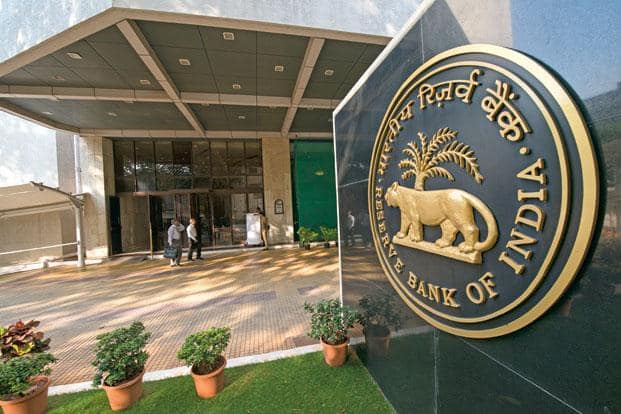
On November 28, 2025, the Reserve Bank of India (RBI) took a significant step by issuing 244 "Consolidated Master Directions." The aim is to reduce the compliance burden on regulated entities (REs) and bring transparency and clarity to the regulatory framework.
RBI11

About RBI's Regulation Initiatives

Background

  • RBI has issued over 9,000 circulars/guidelines over the past few years.
  • Due to the various directions issued at different times, REs such as banks, NBFCs, and financial companies had difficulty understanding which direction was applicable and which was not.
  • In 2025, RBI issued a new framework to make the regulatory process more consultative and transparent.
  • This consolidation is considered a major and historic step in this direction.

Key Points

  • 244 new key directives were issued, consolidating 3,500 old directives.
  • Separate directives have been formulated for the following 11 types of REs:
  1. Commercial Banks
  2. Small Finance Banks
  3. Payments Banks
  4. Local Area Banks
  5. Regional Rural Banks
  6. Urban Cooperative Banks
  7. Rural Cooperative Banks
  8. All-India Financial Institutions
  9. NBFCs
  10. Asset Reconstruction Companies
  11. Credit Information Companies

Challenges

  • Removing old directives and implementing new ones on a large scale is a complex process.
  • Some stakeholders made suggestions related to regulatory changes, but these were not covered by this process and could not be incorporated.
  • It may take time for all REs to understand the new MDs and update their internal compliance systems. 
  • Large-scale changes may lead to initial confusion or technical challenges.

Way Forward

  • The RBI continues to emphasize a consultation-based regulatory process.
  • Financial institutions will need training and internal process upgrades to understand and implement the new Master Directions.
  • The clarity and uniformity of the new directions will facilitate regulation enforcement and improve ease of doing business.
  • The RBI may review and make necessary amendments from time to time.

Conclusion

This move by the RBI is a major achievement towards enhancing clarity, transparency, and efficiency in the financial sector. The 244 consolidated Master Directions will not only reduce compliance burdens but also strengthen ease of doing business. This step will prove crucial in making the financial system more streamlined, modern, and consumer-friendly.

Centre’s Directive on Sanchar Saathi App Sparks Debate on Digital Rights

Prelims: (Cyber Security + CA)
Mains: (GS 2 – Governance)

Why in the News?

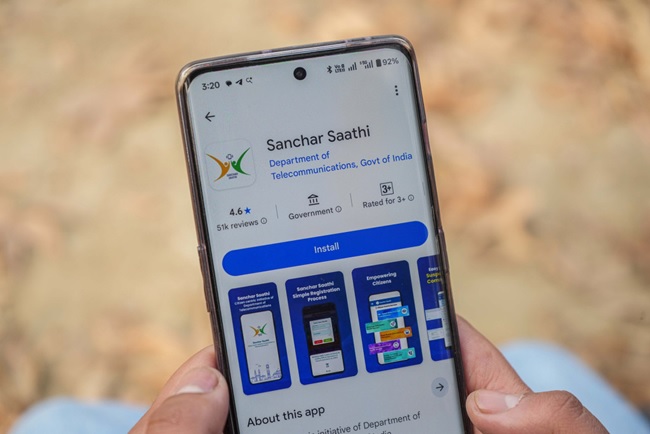
The Union Government recently directed smartphone manufacturers to pre-install the Sanchar Saathi app on all new devices and push it via software updates to existing phones.
Initially, the government also stated that the app must be non-deletable, raising major concerns around privacy and digital autonomy. However, the Telecom Minister later clarified that the app is not mandatory and can be deleted by users.
Sanchar-Saathi-App

About Sanchar Saathi

  • Developed by the Department of Telecommunications (DoT), Sanchar Saathi is officially described as an optional smartphone app and website.
  • It aims to improve user security, prevent mobile fraud, and provide digital literacy material on telecom and cyber safety.
  • It offers multiple citizen-centric services including fraud reporting, stolen phone tracking, and updates on telecom policies.

Key Services Offered by Sanchar Saathi

1. Chakshu: Reporting Suspected Fraud

Allows users to report suspicious communications such as:

  • Fake KYC alerts
  • Fraudulent investment schemes
  • Impersonation of police, TRAI, DoT
  • Phishing links, malicious APKs, and device-cloning attempts

Note: Chakshu is not meant for filing cybercrime complaints.

Users may also report spam/UCC under TRAI’s TCCCPR 2018 regulations.

2. Block & Track Lost or Stolen Devices

Using the IMEI number, users can:

  • Block a stolen device
  • Track it when someone attempts to use it
  • Unblock it after recovery

This leverages the central database of IMEI records maintained by networks.

3. Mandatory Mobile-Number Registration

  • Users must register with their mobile number to access services.
  • On Android devices, the app automatically detects the number and sends an SMS to DoT without explicit user consent.
  • This has triggered widespread privacy concerns.

What Permissions Does Sanchar Saathi Request?

  • Send SMS to transmit the registration message to DoT
  • Call/SMS Logs for reporting suspicious communications
  • Photos/Filesto upload screenshots for fraud reporting
  • Camera Access to scan IMEI barcode

These permissions are extensive and form a major part of the privacy debate.

Legal Basis for Mandating Sanchar Saathi

The directive draws authority from:

  • Telecommunications Act, 2023
  • Telecom Cyber Security (TCS) Rules, 2024, amended in 2025

Originally, DoT’s mandate applied only to telecom operators.
But the 2025 amendment greatly broadened the scope.

Expanded Definition Under TCS Rules: TIUE

The amendment introduced Telecommunication Identifier User Entity (TIUE) — any entity that uses a phone number for user verification, including:

  • Smartphone manufacturers
  • WhatsApp & messaging platforms
  • Apps using phone-number login/verification

Under this, DoT has already mandated:

  • Auto log-out of WhatsApp Web sessions every 6 hours
  • Deactivation of WhatsApp accounts when used without the registered SIM
  • Pre-installation of Sanchar Saathi on all devices

Constitutional Concerns & Right to Privacy

Experts argue that mandatory installation and non-removal of the app could face constitutional scrutiny.

Key Concerns

  • Forced compliance violates digital autonomy.
  • Creating non-deletable apps requires deep OS-level changes, possibly reducing device security.
  • Government-backed apps receive wide exemptions under India’s Data Protection Act, increasing fears of surveillance.
  • Under the Puttaswamy judgment (2017), any intrusion must meet tests of:
    • Legality
    • Necessity
    • Proportionality
    • Least intrusive means

If Sanchar Saathi is non-removable, the requirement may not pass these constitutional thresholds.

FAQs

1. Is Sanchar Saathi mandatory on all phones?

The Telecom Minister has stated it is not mandatory and may be deleted by users, despite earlier DoT instructions.

2. Why was the app controversial?

Because the initial directive required it to be non-deletable, raising concerns about privacy, surveillance, and forced digital compliance.

3. Does Sanchar Saathi collect personal data?

The app requires permissions like SMS, call logs, and IMEI, raising concerns about potential overreach and data risks.

4. What legal authority allows the government to mandate such apps?

Powers under the Telecommunications Act 2023 and TCS Rules 2024 (amended 2025), which broadened DoT’s jurisdiction to TIUE entities.

5. Can mandatory pre-installed apps violate the Right to Privacy?

Yes, if they fail the Puttaswamy tests or if less intrusive alternatives exist, courts may strike them down as unconstitutional

India Expands ISR Capabilities with Enhanced Deployment of Heron Mk II UAVs Post Operation Sindoor

Prelims: (Defence Technology +CA)
Mains: (GS 3 – Security)

Why in the News?

Following the operational insights gained during Operation Sindoor, the Indian Armed Forces have initiated emergency procurement of additional satellite-linked Heron Mk II Unmanned Aerial Vehicles (UAVs). These high-end ISR systems are expected to significantly boost India's real-time intelligence gathering, border surveillance, and electronic intelligence capabilities.

Heron-MkII

What’s in Today’s Article?

  • Background of Operation Sindoor
  • Heron Mk II (Origin, Specifications, ISR Capabilities)
  • Strategic Advantages for India
  • Why Heron Mk II was Procured under Emergency Powers
  • Implications for India’s Border Management
  • Prelims & Mains Relevance
  • FAQs

Operation Sindoor: Background, Context & Significance

1. What Triggered Operation Sindoor?

Operation Sindoor was launched in 2025 after a series of attempted infiltrations, heightened border tensions, and increased surveillance activity by hostile neighbours along the Northern and Western frontiers. The operation emerged as a proactive readiness exercise to:

  • Strengthen early-warning mechanisms,
  • Improve air-ground joint operations,
  • Assess real-time ISR deficiencies, and
  • Evaluate interoperability between Army, Air Force, and intelligence agencies.

2. Nature of the Operation

Operation Sindoor was a multi-domain exercise, integrating:

  • Ground forces,
  • UAV surveillance units,
  • Signals intelligence teams,
  • Airborne early-warning aircraft (AEW&C),
  • Cyber and electronic warfare units.

It revealed that India urgently needed persistent long-endurance UAV coverage across extended borders, without risking the crossing of international lines.

3. Findings Leading to UAV Procurement

Key gaps highlighted:

  • Insufficient coverage in mountainous terrain
  • Limited ELINT/COMINT surveillance
  • Heavy reliance on patrol units rather than aerial monitoring
  • Need for real-time coordination across commands

This led to fast-tracked procurement under emergency powers to induct the Heron Mk II.

What is the Heron Mk II?

The Heron Mk II is a Medium-Altitude Long-Endurance (MALE) Unmanned Aerial Vehicle developed by Israel Aerospace Industries (IAI). It is an upgraded successor to the Heron 1, already in service with India, but significantly more capable in endurance, avionics, ISR payloads, and satellite communication.

Key Technical Specifications of Heron Mk II

1. Performance Parameters

  • Endurance: Up to 45 hours continuously
  • Top Speed: 150 knots (≈ 277 km/h)
  • Service Ceiling: 35,000 feet
  • Operational Range: 1,000+ km, expandable via SATCOM

This enables extensive loitering over sensitive sectors, weather-independent monitoring, and deployment from secure bases far from the border.

2. Payload & Sensor Suite

Heron Mk II can carry a multi-mission payload, making it one of the most versatile ISR platforms in India’s fleet.

Electro-Optical / Infra-Red (EO/IR) Sensors

  • Detect human and vehicular movement
  • Track cross-border infiltration
  • Identify heat signatures at night

Synthetic Aperture Radar (SAR)

  • Provides all-weather, day-night imaging
  • Supplements ground intelligence in mountainous terrain

Signals Intelligence (SIGINT) Package

a. Electronic Intelligence (ELINT)

  • Detects radar signals
  • Maps enemy air defense sites
  • Identifies radar frequency, type, and mode

b. Communications Intelligence (COMINT)

  • Intercepts enemy communication signals
  • Locates mobile radio transmissions
  • Tracks command nodes and communication hubs

Importantly: Heron Mk II can collect intelligence from 20–40 km inside enemy territory without crossing the border, making it ideal for politically sensitive regions.

3. Satellite Connectivity (SATCOM)

The UAV features secure SATCOM links enabling:

  • Beyond-line-of-sight control from remote ground stations
  • Real-time data streaming to operational commands
  • Secure transfer of high-resolution imagery and electronic intelligence

This makes Heron Mk II a true strategic ISR asset, not just a tactical drone.

Why Heron Mk II Matters for India: Strategic Significance

1. Enhanced Border Monitoring

Vital along:

  • LAC in Eastern Ladakh & Arunachal Pradesh
  • LoC in Jammu & Kashmir
  • Western borders (Rajasthan & Punjab)
  • Coastal surveillance for the Navy

2. Reduces Risk of Surveillance Aircraft Violations

India can monitor enemy activity without risking manned aircraft or entering contested airspace.

3. Strengthens Counter-Terror & Counter-Infiltration Operations

Useful for:

  • Identifying launch pads
  • Tracking infiltrators
  • Detecting illegal smuggling routes
  • Providing live support for ground troops

4. Force Multiplier for Tri-Service Operations

The UAV can be deployed jointly by the Army, Air Force, Navy, and intelligence agencies, improving synergy.

Why procured under emergency financial powers?

Emergency powers allow procurement within 3–6 months without lengthy bureaucratic approvals.
Reasons India invoked them:

  • Urgent ISR gaps identified during Operation Sindoor
  • Increased hostile UAV activity across borders
  • Need for 24×7 surveillance in sensitive fronts
  • Rapid modernization drive ahead of geopolitical instability

FAQs

1. Is Heron Mk II armed?

It has the capability to be armed but India currently uses it only for surveillance and intelligence roles.

2. How is Heron Mk II different from Heron I?

Heron Mk II provides:

  • 45-hour endurance (higher)
  • SATCOM control
  • Better radars and EO/IR systems
  • ELINT/COMINT integration
  • Faster climb rate and better engine

3. Will India replace Heron Mk II with indigenous drones?

Yes, but gradually. Indigenous platforms like Archer-NG, Tapas-BH 201, and Ghatak UCAV are under development.

4. Why is SATCOM important for UAV missions?

It enables the drone to be controlled from anywhere in the country and provides uninterrupted data, crucial for long-endurance missions.

5. Which forces use the Heron Mk II?

The Indian Army, Air Force, Navy, and strategic intelligence units.

India Proposes Major Overhaul of Insurance Regulations Under New Reform Bill

Prelims: (Economy + CA)
Mains: (GS-3 – Economy)

Why in the News?

The Government of India is set to introduce the Insurance Laws (Amendment) Bill, 2025 during the sixth session of the 18th Lok Sabha. The proposed legislation is expected to modernise India’s underpenetrated insurance sector, enabling higher foreign investment, eased market entry, and structural reforms. Industry experts believe the Bill could significantly expand India’s insurance ecosystem, attract global insurers, and spur long-term sectoral innovation.

FDI

Background: FDI in Insurance Raised to 100%

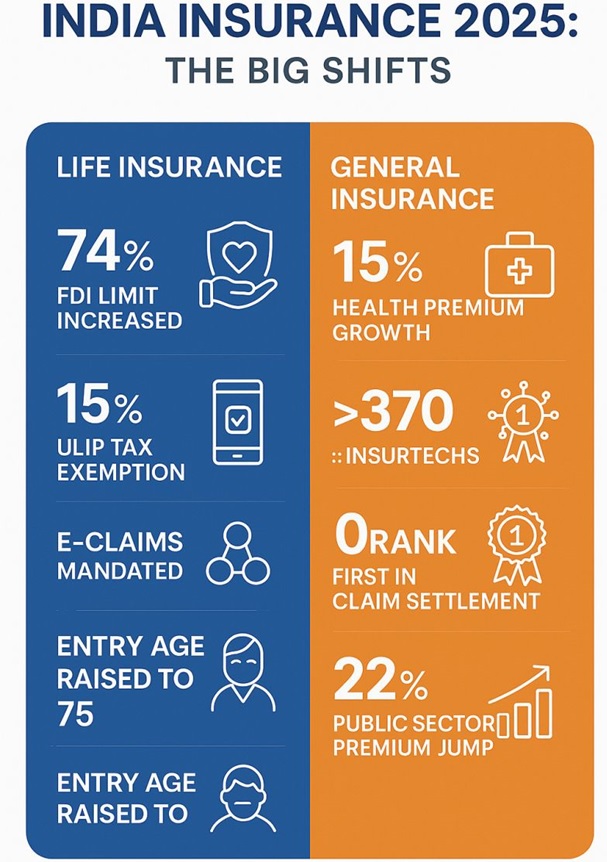
  • On 1st February 2025, the Finance Minister announced a landmark reform: raising FDI in insurance from 74% to 100%.
  • This will enable deeper foreign participation, stronger capital inflows, and improved professional standards.

Acts Proposed for Amendment

  • Insurance Act, 1938
  • Life Insurance Corporation Act, 1956
  • IRDAI Act, 1999

Impact-of-fdi

Opening the Indian Market for Global Leaders

  • Of the world’s top 25 insurers, nearly 20 do not operate in India.
  • The new framework may encourage their entry, while existing joint ventures could restructure into fully foreign-owned subsidiaries.
  • Industry projections suggest India could develop a 1,000-insurer ecosystem over the next decade.

Why 100% FDI Could Transform India’s Insurance Sector

  • India’s insurance penetration stands at just 3.7% (2023–24), significantly below the global average of 7%.
  • Higher FDI strengthens:
    • Capital availability
    • Risk assessment capabilities
    • Digital claims processing
    • Underwriting sophistication
    • Customer experience

The reform also supports deeper expansion into rural and underserved regions, where affordability and reach remain barriers.

Easier Entry Norms to Attract More Reinsurers

  • Net owned funds requirement for foreign reinsurers may be reduced from ₹5,000 crore to ₹500 crore.
  • This move is expected to diversify India’s reinsurance market, which is currently dominated by GIC Re.
  • Greater competition may lead to better pricing and risk diversification.

Composite Licensing: A Unified Insurance Framework

  • The Bill proposes composite licences, enabling insurers to sell life and non-life products under one umbrella.
  • This replaces the rigid compartmentalisation of the Insurance Act, 1938.
  • Composite licensing enables:
    • Bundled products
    • Seamless service delivery
    • Integrated life, health, and general coverage
    • Better alignment with evolving consumer needs

Lower Capital Requirements to Encourage New and Niche Insurers

  • Current capital norms:
    • ₹100 crore – insurers
    • ₹200 crore – reinsurers
  • The Bill proposes reducing these thresholds, especially to support:
    • Regional insurers
    • Micro-insurers
    • Rural-focused companies
    • Digital-first & niche players

This aligns with India’s goal of achieving “Insurance for All” by 2047.
Captive Insurers & Flexible Capital Norms

  • Large corporations may be allowed to establish captive insurance companies to manage their own risks.
  • Captive insurers improve:
    • Claims management
    • Risk coverage
    • Financial control
  • Differentiated capital norms will replace uniform requirements, encouraging innovation and diversified players.

Simplified Registration & Greater Flexibility for Intermediaries

  • Intermediaries may receive perpetual, one-time registration, eliminating the current three-year renewal cycle.
  • They must continue paying annual IRDAI fees.
  • Individual agents may be permitted to sell products from multiple insurers, enhancing distribution reach and customer choice.

India-Insurance-2025

FAQs

1. What is the objective of the Insurance Laws (Amendment) Bill, 2025?

To modernize the regulatory framework, expand competition, deepen insurance penetration, and attract global players.

2. How will 100% FDI impact consumers?

It is likely to improve product variety, reduce premiums through competition, and ensure faster, tech-enabled services.

3. What is composite licensing?

A single licence allowing an insurer to offer life, general, and health insurance products, promoting integrated coverage solutions.

4. Why is lowering capital requirements significant?

It enables new insurers, regional entities, and specialized players to enter the market, especially in underserved geographies.

5. How will reforms affect intermediaries?

Simplified registration and multi-insurer selling permissions will expand last-mile outreach and enhance customer access. 

CJI Advocates Unified Judicial Policy; NJAC Revival Plea to Be Examined

Prelims: (Polity + CA)
Mains: (GS 2 – poity)

Why in the News?

Chief Justice of India (CJI) Surya Kant has proposed the formulation of a National Judicial Policy to standardise core judicial processes across courts and reduce inconsistency in judgments. He also stated that the Supreme Court will consider a plea seeking the revival of the National Judicial Appointments Commission (NJAC), which challenges the existing Collegium system.
Supreme-court

Why is a National Judicial Policy Needed?

1. Address Divergent Judgments

  • High Courts and even different Supreme Court benches often deliver conflicting rulings on matters such as bail or reservations.
  • This creates legal uncertainty, inconsistency in constitutional interpretation, and encourages forum shopping.
  • A unified policy would reinforce precedent, coherence, and judicial uniformity.

2. Improve Access to Justice

  • India has over 5 crore pending cases, with long delays, high litigation costs, language barriers, and limited access for marginalised groups.
  • A national policy can improve affordability, accessibility, and uniformity in judicial processes.

3. Strengthen Judicial Infrastructure

  • The India Justice Report 2025 revealed that 33% of High Court judges’ posts remain vacant, with only one HC judge for every 18.7 lakh people.
  • District courts suffer from overcrowded halls, inadequate staff, poor IT systems, and infrastructure deficits.
  • A national policy can guide structured capacity-building and resource allocation.

4. Standardise Technology Adoption

  • Courts vary in use of e-filing, virtual hearings, and digital case management.
  • A unified digital framework ensures consistent litigant experience nationwide.

5. Promote Judicial Cohesion

  • A national framework can help courts uphold shared constitutional values while maintaining judicial independence.

Collegium-System

Concerns with a National Judicial Policy

  • One-Size-Fits-All Issues: States differ in caseloads, infrastructure, digital readiness, and staffing.
  • Risk of Executive Overreach: Any executive involvement may raise concerns about separation of powers.
  • Implementation Constraints: Many courts lack funds, staff, or digital tools needed for uniform implementation.
  • High Court Resistance: High Courts enjoy administrative autonomy under Articles 214–226.
  • Data Limitations: Many states lack reliable real-time data on pendency and performance.

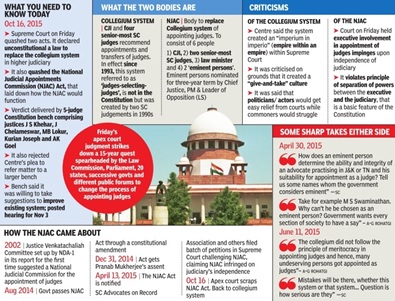
What is the National Judicial Appointments Commission (NJAC)?

About NJAC

Created through the 99th Constitutional Amendment (2014), NJAC aimed to replace the Collegium system for appointing judges of the Supreme Court and High Courts.

NJAC Composition

A 6-member body:

  • CJI (Chairperson)
  • Two senior-most SC judges
  • Union Law Minister
  • Two eminent persons (chosen by a panel of PM, CJI, Leader of Opposition)

Why NJAC Was Struck Down

In the Fourth Judges Case (2015), the SC struck down the 99th Amendment & NJAC Act as unconstitutional, holding:

  • Executive veto undermines judicial independence—part of the basic structure.
  • Selection of “eminent persons” lacked clear criteria, enabling political influence.
  • Executive participation threatens judicial impartiality since government is the largest litigant.
    The Collegium system was restored.

Collegium vs NJAC: A Comparison

Aspect

Collegium System

NJAC

Primacy

Judiciary has full primacy

Judicial primacy diluted

Transparency

Opaque; no published criteria

More diverse decision-makers

Veto Power

None

Any 2 members can veto

Risks

Nepotism, opacity

Political interference

Judicial Independence

Upheld (basic structure)

Seen as compromised

Efficiency

Delays due to govt clearance

Could improve timelines

Constitutional Basis for Judicial Appointments

  • Article 124: Appointment of SC judges
  • Article 217: Appointment of HC judges
  • Article 127: Ad hoc SC judges
  • Article 126: Appointment of Acting CJI
  • Article 128: Requesting retired SC judges to sit in Court

Appointment Procedures

  • CJI: Appointed by seniority, recommended by outgoing CJI.
  • SC Judges: Recommended by Collegium; Law Ministry → PM → President.
  • HC Judges: President appoints after consulting CJI, Governor, and HC Chief Justice.

What Reforms Can Strengthen India’s Judiciary?

  • Judicial Policy with Flexible Federal Structure: Core national standards with local adaptability.
  • Institutionalised Case Management: Common rules for filing, adjournments, and disposal timelines.
  • Transparent & Timely Appointments: Through improved Collegium processes or future consensus-based mechanisms.
  • Enhanced Access to Justice: Legal aid, ADR, regional courts, language services, and digital justice.
  • Infrastructure Upgrade: Modern court halls, e-courts, trained staff, and robust IT systems.

FAQs

1. Why is the CJI calling for a National Judicial Policy?

To address conflicting judgments, streamline procedures, and ensure uniform access to justice nationwide.

2. Why was the NJAC struck down?

The SC ruled that NJAC diluted judicial independence by giving the executive and non-judicial members veto power.

3. Does a national judicial policy impact judicial independence?

Not necessarily—if framed by the judiciary itself. Issues arise only if the executive plays a substantial role.

4. What is the biggest challenge in judicial reforms today?

Vacancies, infrastructure gaps, lack of data, and non-uniform adoption of technology.

5. Can NJAC be revived?

Only through a constitutional amendment or a new model acceptable to both judiciary and legislature, ensuring independence is preserved.

« »
  • SUN
  • MON
  • TUE
  • WED
  • THU
  • FRI
  • SAT
Have any Query?

Our support team will be happy to assist you!

OR