Current Affairs for 03 November 2026

Bihar Becomes First State to Introduce Comprehensive Silt Management Policy 2026

Why in News?

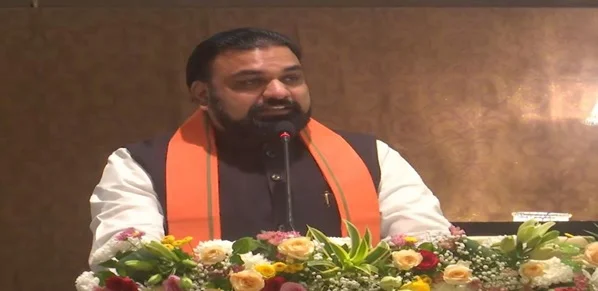
  • On 3 November 2026, Bihar Chief Minister Samrat Choudhary stated that Bihar had become the first Indian state to introduce a comprehensive silt management policy.
  • The Bihar Water Source Restoration and Silt Management Policy, 2026 aims to restore the water-carrying capacity of rivers and reservoirs, reduce flood risks and promote the productive utilisation of accumulated silt.

Key Facts at a Glance

Particular

Details

Policy name

Bihar Water Source Restoration and Silt Management Policy, 2026

State

Bihar

Cabinet approval

15 September 2026

Gazette notification

17 September 2026

Notification number

803

Department

Water Resources Department, Bihar

Announced as India's first

Comprehensive state-level silt management policy

Associated initiative

Nadi Sanjeevani

Partner agency

National Highways Authority of India (NHAI)

Main objectives

Desilting, waterbody restoration, flood-risk management and productive reuse of sediments

Priority areas

Rivers, barrages, reservoirs, canals and other waterbodies

Major applications

Highway construction, embankment filling and other infrastructure works

Why Does Bihar Need a Silt Management Policy?

  • Bihar is highly vulnerable to recurring floods because of its location in the Ganga basin and its connection with several Himalayan rivers originating in Nepal.
  • These rivers carry substantial quantities of sediment, especially during the monsoon season, which can accumulate in river channels, reservoirs and other waterbodies.
  • Excessive sedimentation at vulnerable locations may reduce water-storage capacity, obstruct drainage and increase pressure on flood-protection infrastructure.
  • The problem also affects agricultural land, irrigation systems and the livelihoods of communities living in flood-prone regions.

Major Flood-Prone Rivers of Bihar

River

Origin / Important Geography

Significance

Ganga

Enters Bihar near Buxar

Principal drainage system of the state

Kosi

Himalayan basin in Nepal and Tibet

Known for historical channel shifts and major floods

Gandak

Nepal Himalayas

Important transboundary river and tributary of the Ganga

Bagmati

Shivapuri Hills, Nepal

Major flood-prone river of north Bihar

Kamla-Balan

Nepal Himalayas

Frequent flooding in the Mithila region

Mahananda

Darjeeling Hills, West Bengal

Important river of northeastern Bihar

Sone

Amarkantak region, Madhya Pradesh

Major southern tributary of the Ganga

What Is Silt Management?

  • Silt management refers to the scientific assessment, monitoring, removal, transportation and beneficial utilisation of sediment deposited in rivers, reservoirs, canals and other waterbodies.
  • Silt is a fine-grained sediment transported by flowing water. It commonly accumulates when water velocity decreases, allowing suspended particles to settle.

Difference Between Siltation, Desilting and Dredging

Term

Meaning

Siltation

Accumulation of fine sediment in a waterbody

Desilting

Removal of accumulated sediment to restore functional capacity

Dredging

Excavation of underwater material using mechanical or hydraulic methods

Sediment management

Broader planning of sediment movement, deposition, removal and reuse

Major Objectives of Bihar's Silt Management Policy 2026

  1. Water Resource Restoration: Restore the water-carrying and water-retention capacity of rivers, canals and reservoirs.
  2. Flood Risk Reduction: Address excessive sediment accumulation at critical locations and strengthen flood-management efforts.
  3. Infrastructure Development: Promote the reuse of technically suitable silt and excavated materials in roads, highways and other development projects.
  4. Agricultural Land Conservation: Reduce dependence on fertile agricultural topsoil for infrastructure-related earth filling.
  5. Water Security: Improve the functioning of water resources used for irrigation, domestic supply and other purposes.
  6. Sustainable Resource Management: Link river restoration with scientifically regulated sediment extraction and environmental safeguards.

Nadi Sanjeevani Initiative: Linking River Restoration with Highway Construction

  • The Nadi Sanjeevani Initiative aims to connect river desilting with infrastructure development by utilising suitable excavated sediments in National Highway projects.
  • Under the agreement between the Bihar government and NHAI, desilting activities will be undertaken following technical assessments and environmental safeguards.

Significance of the Policy

Area

Potential Significance

Flood Management

May reduce local drainage congestion and improve capacity at identified locations

Water Security

Restores storage and water-management functions of affected waterbodies

Agriculture

Helps protect fertile topsoil from being excavated for construction

Infrastructure

Provides an alternative source of suitable earth-fill material

Economy

Creates opportunities for resource recovery and cost-efficient construction

Environment

Encourages planned management of sediment with ecological safeguards

Governance

Promotes coordination between state agencies and NHAI

Challenges and Concerns

  • Environmental Impact: Unregulated dredging can disturb aquatic habitats, biodiversity and river ecosystems.
  • River Morphology: Excessive sediment extraction may alter channel depth, riverbank stability and natural sediment movement.
  • Technical Feasibility: Not all excavated silt is suitable for engineering applications.
  • Transportation Costs: Removing and transporting sediment over long distances can be expensive.
  • Transboundary Issues: Flood and sediment management in Bihar also depends on upstream river systems in Nepal.
  • Implementation Challenges: Effective monitoring is necessary to prevent excessive extraction and unauthorised mining.

Way Forward

  1. Adopt basin-level sediment management plans based on scientific river studies.
  2. Use satellite monitoring, bathymetric surveys and GIS to identify critical sedimentation zones.
  3. Conduct environmental impact assessments before major dredging operations.
  4. Promote suitable reuse of excavated material without compromising engineering standards.
  5. Strengthen inter-state and India–Nepal cooperation for flood forecasting and river-basin management.
  6. Establish transparent monitoring systems and regular evaluation of restoration outcomes.

Conclusion

  • The Bihar Water Source Restoration and Silt Management Policy, 2026 represents an important attempt to integrate flood management, water-resource restoration and infrastructure development. 
  • By promoting the productive reuse of accumulated sediments, the state seeks to transform an environmental challenge into an economic resource. However, its long-term success will depend on scientific planning, environmental safeguards and coordinated river-basin management.

Prelims Practice Question

Q. Consider the following statements regarding the Bihar Water Source Restoration and Silt Management Policy, 2026:

  1. It aims to restore the water-carrying capacity of rivers and reservoirs.
  2. It promotes the utilisation of suitable excavated silt in infrastructure development.
  3. It is implemented exclusively by the Ministry of Environment, Forest and Climate Change.

Which of the statements given above are correct?

(a) 1 and 2 only

(b) 2 and 3 only

(c) 1 and 3 only

(d) 1, 2 and 3

Mains Practice Question

Q. Discuss the significance of scientific sediment management in reducing flood risks and promoting sustainable infrastructure development in India.

FAQs

1. Which Indian state introduced the first comprehensive silt management policy?

Bihar, according to the announcement made by Chief Minister Samrat Choudhary on 3 November 2026.

2. What is the primary objective of Bihar's Silt Management Policy 2026?

To restore the functional capacity of rivers and waterbodies, improve sediment management and promote the productive reuse of excavated material.

3. What is the Nadi Sanjeevani Initiative?

It is an initiative linking river desilting and waterbody restoration with the reuse of suitable sediment in National Highway construction.

4. Which agency partnered with Bihar for the desilting initiative?

The National Highways Authority of India (NHAI).

5. How can silt management help reduce floods?

Targeted sediment removal can improve local drainage and water-carrying capacity. However, its effectiveness depends on river conditions and scientific assessment.

India's First-Ever BIMSTEC Maritime Security Exercise 2026

Why in News ?

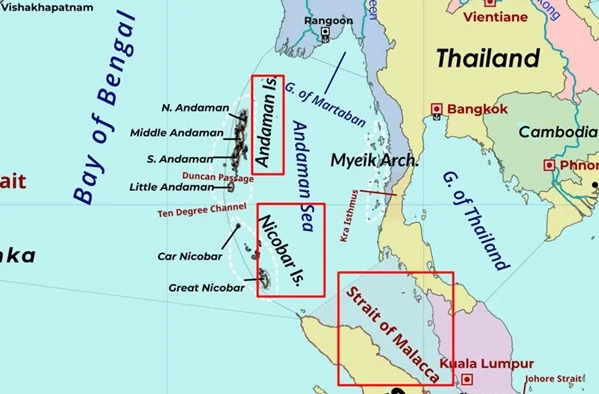
  • India is hosting the first-ever BIMSTEC Maritime Security Exercise from October 30 to November 3, 2026, in the Andaman and Nicobar Islands.
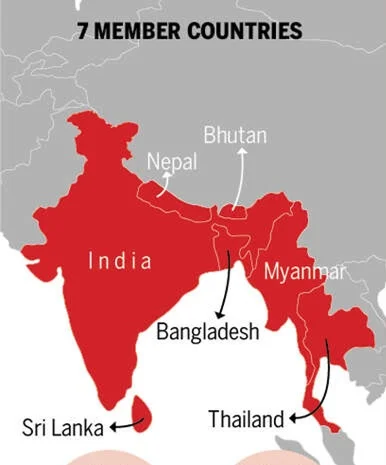
  • All seven BIMSTEC member countries—Bangladesh, Bhutan, India, Myanmar, Nepal, Sri Lanka and Thailand—are participating in the exercise.
  • Organised by the Indian Navy, the exercise aims to strengthen maritime security, regional coordination, operational capabilities and cooperation among member countries in the Bay of Bengal.
  • The exercise comprises two phases: the Harbour Phase and the Sea Phase.

BIMSTEC Maritime Security Exercise 2026

  • Duration: October 30 to November 3, 2026.
  • Host Country: India.
  • Venue: Andaman and Nicobar Islands.
  • Organiser: Indian Navy.
  • Participating Countries: All seven BIMSTEC member countries.
  • Major Phases: Harbour Phase and Sea Phase.
  • Key Objectives: To promote maritime security, operational interoperability, Maritime Domain Awareness and regional cooperation.

What is BIMSTEC?

  • BIMSTEC stands for Bay of Bengal Initiative for Multi-Sectoral Technical and Economic Cooperation.
  • It is a regional organisation comprising countries located around the Bay of Bengal in South and Southeast Asia.
  • It was established on June 6, 1997, through the Bangkok Declaration.

Member Countries (7)

  1. Bangladesh
  2. Bhutan
  3. India
  4. Myanmar
  5. Nepal
  6. Sri Lanka
  7. Thailand

Headquarters: Dhaka, Bangladesh.

Major Areas of Cooperation under BIMSTEC

BIMSTEC has identified seven major sectors for regional cooperation:

  1. Trade, Investment and Development.
  2. Environment and Climate Change.
  3. Security.
  4. Agriculture and Food Security.
  5. People-to-People Contact.
  6. Science, Technology and Innovation.
  7. Connectivity.

Significance of the Maritime Security Exercise

  1. Regional Maritime Security: It will enhance cooperation in addressing challenges such as piracy, illegal trafficking, human trafficking and illegal fishing in the Bay of Bengal.
  2. Operational Interoperability: It will improve coordination among the navies and coast guards of member countries and strengthen their ability to conduct joint operations.
  3. Maritime Domain Awareness: It will facilitate maritime surveillance, information sharing and the identification of suspicious activities.
  4. Trade and Energy Security: The Bay of Bengal is an important maritime route for international trade and energy transportation. Ensuring its security is essential for regional economic stability.
  5. India's Regional Role: The exercise will support India's maritime cooperation initiatives, including SAGAR (Security and Growth for All in the Region) and MAHASAGAR (Mutual and Holistic Advancement for Security and Growth Across Regions).

Strategic Significance of the Andaman and Nicobar Islands for India

The Andaman and Nicobar Islands are an important component of India's maritime strategy in the Indian Ocean Region.

  • They are located near the western entrance of the Strait of Malacca.
  • The Strait of Malacca is a major maritime trade route connecting the Indian Ocean with the Pacific Ocean.
  • The islands enable India to monitor maritime activities in Southeast Asia and East Asia.
  • The region is strategically important for maritime security, Search and Rescue (SAR) operations, and Humanitarian Assistance and Disaster Relief (HADR).

Andaman and Nicobar Command (ANC): It is India's first integrated tri-service command, established in 2001. It brings together the operational capabilities of the Indian Army, Navy and Air Force.

Major Challenges Facing BIMSTEC

  • Economic and strategic disparities among member countries.
  • Regional geopolitical competition and the influence of external powers.
  • Maritime piracy, illegal trafficking and other non-traditional security threats.
  • Limited institutional coordination among member countries.
  • Delays in implementing regional connectivity and trade projects.
  • Climate change, rising sea temperatures and increasing pressure on marine ecosystems.

Way Forward

  • BIMSTEC member countries should promote regular joint maritime exercises and strengthen information-sharing mechanisms.
  • There is a need to improve maritime surveillance systems, coordination among coast guards and disaster management capabilities.
  • Furthermore, cooperation in regional connectivity projects, the Blue Economy and sustainable marine resource management should be strengthened.
  • These efforts can help transform the Bay of Bengal into a hub of economic growth, maritime security and regional stability.

‘Mothers of Courage’ Wins UN SDG Action Award 2026: Bihar’s Women-Led Movement for Girls’ Education

Why in News?

  • The documentary Mothers of Courage, highlighting a women-led grassroots movement promoting girls’ education in Bihar, won the 2026 United Nations Sustainable Development Goals (SDG) Action Award in the Creativity category.
  • The award was presented on 29 October 2026 in Rome, Italy, following a selection process involving more than 7,000 applications from 190 countries and territories.
  • The documentary highlights the Shikshagraha movement, which has mobilised more than 1.19 million citizens across 14 districts of Bihar to promote girls’ education and discourage child marriage.

Key Facts: Mothers of Courage Documentary

Particulars

Details

Documentary

Mothers of Courage

Award

UN SDG Action Award 2026

Award category

Creativity

Award ceremony

29 October 2026

Location

Rome, Italy

Main focus

Girls' education and prevention of child marriage

State highlighted

Bihar

Associated movement

Shikshagraha

Director

Vandana R. Jayakumar

Production

Butterfly Effect Media

Key community initiative

Shiksha Chaupal

Citizens mobilised

Over 1.19 million (11.9 lakh)

Districts covered in Bihar

14

Key supporting organisations

ShikshaLokam and Mantra4Change

Award received by

Khushboo Awasthi

What is the Shikshagraha Movement?

  • Shikshagraha is a community-driven public education movement that seeks to improve the quality of education and learning outcomes in government schools.
  • The movement is championed by Infosys co-founder S. D. Shibulal and supported by Bengaluru-based non-profit organisations ShikshaLokam and Mantra4Change.
  • It brings together more than 40 partner organisations across 16 states and Union Territories.
  • It emphasises shared responsibility among parents, educators, communities, civil society and institutions for improving public education.

Key Features of Shikshagraha

Feature

Description

Community participation

Encourages parents and local residents to participate in improving education

Women-led leadership

Empowers mothers to become advocates for girls' schooling

Public education improvement

Focuses on improving learning outcomes in government schools

Social awareness

Addresses child marriage, gender discrimination and school dropouts

Partnerships

Collaborates with civil society and other stakeholders

Grassroots approach

Uses village-level gatherings to identify and address local problems

What are Shiksha Chaupals ?

  • Shiksha Chaupals are village-level community gatherings where mothers, parents and local residents discuss challenges affecting children's education, particularly girls' schooling.
  • They provide a platform to address social barriers such as child marriage, gender discrimination and school dropouts.
  • Women play a leading role in identifying local problems and encouraging families to support girls' education.
  • These discussions promote community-level commitments to keeping girls in school and preventing early marriage.

About the UN SDG Action Awards

  • The UN SDG Action Awards recognise individuals, initiatives and organisations contributing to the achievement of the United Nations Sustainable Development Goals.
  • The awards highlight innovative approaches, creative communication and community-led action addressing social and environmental challenges.
  • The 2026 awards featured categories including Creativity, Resilience and Changemaker.
  • Mothers of Courage received recognition in the Creativity category for transforming traditional community gatherings into a platform for social change.

UN SDG Action Awards 2026: Important Facts

Particulars

Details

Award

UN SDG Action Awards

Associated with

United Nations SDG Action Campaign

Year

2026

Award ceremony

Rome, Italy

Applications

More than 7,000

Participating countries and territories

190

Categories

Creativity, Resilience and Changemaker

Winning documentary

Mothers of Courage

Winning category

Creativity

Contribution to Sustainable Development Goals (SDGs)

The initiative contributes particularly to SDG 4 (Quality Education) and SDG 5 (Gender Equality) by encouraging girls to continue their education and empowering women to participate in community decision-making.

SDG

Objective

Relevance to the Initiative

SDG 4 Quality Education

Inclusive and equitable quality education

Promotes girls' education and school retention

SDG 5 Gender Equality

Empower women and girls

Challenges gender discrimination and child marriage

SDG 10 Reduced Inequalities

Reduce inequalities within and among countries

Supports educational inclusion among disadvantaged communities

SDG 17 Partnerships for the Goals

Strengthen partnerships

Encourages collaboration among communities, NGOs and other stakeholders

Significance of the Initiative

1. Promotion of Girls' Education

  • Encourages families to prioritise girls' schooling and reduce educational discontinuation.
  • Supports educational opportunities for women who wish to resume their studies.

2. Women Empowerment

  • Recognises mothers as active participants in educational and social transformation.
  • Strengthens women's voices in household and community decision-making.

3. Prevention of Child Marriage

  • Creates awareness about the harmful consequences of early marriage.
  • Encourages families to support continued education rather than early marriage.

4. Community-Led Governance

  • Demonstrates the role of local communities in identifying and addressing educational barriers.
  • Promotes participatory approaches to improving public education.

5. International Recognition

  • Brings global attention to grassroots educational initiatives in India.
  • Demonstrates the potential of documentary filmmaking and creative communication to mobilise communities.

Area

Relevance

National Education Policy 2020

Supports equitable access, inclusion and reduction of educational disparities

Samagra Shiksha

Complements efforts to improve inclusive and equitable school education

Beti Bachao Beti Padhao

Aligns with the broader objective of promoting the value and education of girls

SDG Commitments

Contributes to India's progress towards SDG 4 and SDG 5

Local governance

Highlights the importance of community involvement in education

Social development

Encourages changes in attitudes towards women's rights and educational opportunities

Challenges in Girls' Education

  • Social Norms: Traditional gender roles and discriminatory attitudes can discourage girls from continuing education.
  • Child Marriage: Early marriage can interrupt education and restrict future opportunities.
  • Economic Constraints: Financial difficulties may lead families to prioritise household responsibilities over education.
  • Educational Infrastructure: Inadequate transport, sanitation and school facilities can affect attendance.
  • Digital Divide: Unequal access to digital devices and internet connectivity limits educational opportunities.
  • Implementation Gaps: Sustaining community participation and measuring actual improvements in schooling remain important challenges.

Way Forward

  1. Strengthen Community Participation: Expand local educational awareness programmes and encourage parental involvement.
  2. Improve School Infrastructure: Ensure safe classrooms, sanitation, transport and accessible educational facilities.
  3. Promote Women's Leadership: Encourage mothers and local women's groups to participate in education-related decisions.
  4. Prevent Child Marriage: Improve awareness, coordination and enforcement of existing child protection laws.
  5. Enhance Institutional Partnerships: Strengthen cooperation among government departments, NGOs and local communities.
  6. Measure Educational Outcomes: Monitor enrolment, attendance, retention, completion rates and actual learning improvements.

Conclusion

  • The recognition of Mothers of Courage at the UN SDG Action Awards 2026 demonstrates the potential of women-led grassroots initiatives to address educational inequality and harmful social practices. 
  • The Shikshagraha movement highlights that sustainable improvements in girls' education require not only institutional support but also community participation, social awareness and women's leadership.

Prelims Practice Question

Q. Consider the following statements regarding the ‘Mothers of Courage’ documentary:

  1. It won the 2026 UN SDG Action Award in the Creativity category.
  2. It highlights the Shikshagraha movement promoting girls' education in Bihar.
  3. The initiative is primarily associated with SDG 6 and SDG 13.

Which of the statements given above are correct?

(A) 1 and 2 only

(B) 2 and 3 only

(C) 1 and 3 only

(D) 1, 2 and 3

Mains Practice Question

Q. Examine the role of women-led community initiatives in promoting girls' education and preventing child marriage in rural India.

FAQs

1. What is the Mothers of Courage documentary?

It is a documentary highlighting women-led grassroots efforts in Bihar to promote girls' education, prevent child marriage and challenge restrictive social norms.

2. Which award did Mothers of Courage win in 2026?

It won the United Nations SDG Action Award 2026 in the Creativity category.

3. What is Shikshagraha?

Shikshagraha is a community-driven movement aimed at strengthening public education through collective participation and partnerships.

4. What is a Shiksha Chaupal?

It is a village-level community gathering where parents, women and other residents discuss challenges related to children's education and identify possible solutions.

5. Which Sustainable Development Goals are most relevant to this initiative?

SDG 4 (Quality Education) and SDG 5 (Gender Equality) are the most directly relevant.

Rural Development Ministry Notifies 2026 Grievance Redressal Rules Under VB–G RAM G Act

Why in the News?

  • The Ministry of Rural Development has notified the VB–G RAM G Grievance Redressal Rules, 2026 to ensure transparent, accountable and timely resolution of complaints related to the implementation of the scheme.
  • Under the new rules, grievance redressal mechanisms will be established at the Gram Panchayat, Block and District levels.

Important Facts

  • Ministry: Ministry of Rural Development
  • Rules: VB–G RAM G Grievance Redressal Rules, 2026
  • Grievance Redressal Levels: Gram Panchayat, Block and District
  • Enquiry Timeline: 7 working days
  • Complaint Resolution Timeline: 15 days
  • Appeal Provision: Schedule I of the VB–G RAM G Act, 2025
  • Key Objective: Transparency, accountability and time-bound grievance redressal.

Key Features of the Grievance Redressal Rules, 2026

1. Three-Tier Grievance Redressal Mechanism

The rules require State Governments to establish grievance redressal mechanisms at three levels:

  • Gram Panchayat level
  • Block level
  • District level

Designated Grievance Redressal Officers will be responsible for receiving, registering, examining and resolving complaints. At the district level, the District Programme Coordinator will oversee the grievance redressal process.

2. Multiple Channels for Filing Complaints

Any person can file a complaint related to the implementation of the scheme through the following channels:

  • In person before the designated Grievance Redressal Officer.
  • Through speed post with proof of delivery.
  • Through the Digital Public Infrastructure designated by the Central Government.
  • Through telephone, designated helplines or other modes decided by the State Government.

3. Mandatory Registration of Complaints

  • Complaints received in physical form at the Gram Panchayat, Block or District level must be registered on the designated digital platform on the same day or, if not possible, by the next working day.
  • The complainant will receive an acknowledgement containing the registration number, date of receipt and designation of the receiving authority.
  • No complaint can be refused registration on the grounds of its format, language, mode of submission or procedural deficiency.

4. Time-Bound Investigation and Resolution

The rules prescribe specific timelines for examining and resolving complaints.

  • The Grievance Redressal Officer must complete the enquiry within 7 working days of receiving the complaint.
  • The officer can seek relevant records, documents, reports and electronic data from concerned authorities.
  • The complainant may be given an opportunity to present their case in person or through electronic means.
  • Every complaint must be resolved within 15 days from the date of its receipt.

5. Digital Tracking of Complaints

  • The designated Digital Public Infrastructure will enable end-to-end tracking of complaints, from registration to final disposal.
  • The findings of the enquiry and action taken will also be recorded digitally. The complainant will be informed about the outcome through electronic or physical communication.

6. Escalation and Appeal Mechanism

  • If a complaint remains unresolved within the prescribed 15-day period, it will be escalated to the next higher level under the grievance redressal mechanism established by the State Government.
  • The higher authority will examine the complaint and take appropriate action. Appeals against orders passed under the grievance redressal mechanism will be filed and disposed of in accordance with Schedule I of the VB–G RAM G Act, 2025.

Significance of the New Rules

  • The new rules aim to make the implementation of the VB–G RAM G scheme more transparent, accessible and accountable.
  • The multi-tier grievance mechanism will help rural households raise complaints and seek timely solutions. Mandatory registration, digital tracking and fixed resolution timelines are expected to reduce delays and improve administrative accountability.
  • The provisions will also strengthen the protection of the rights and entitlements of rural households under the scheme.

Important Provisions of the VB–G RAM G Act, 2025

The Viksit Bharat–Guarantee for Rozgar and Ajeevika Mission (Gramin) Act, 2025 provides a legal framework for rural employment and livelihood security.

  • Key provisions of the Act:
    • Guarantee of 125 Days of Employment: Every eligible rural household is entitled to 125 days of wage employment in a financial year, provided its adult members volunteer to undertake unskilled manual work.
    • Focus on Rural Development: The Act focuses on water security, essential rural infrastructure, livelihood-related infrastructure and measures to reduce the impact of extreme weather events.
    • Grievance Redressal Mechanism: The Act provides a system for receiving and registering complaints, issuing dated acknowledgements, conducting enquiries within a prescribed time limit and taking corrective action. Unresolved complaints can be escalated to higher authorities. These provisions are included in Schedule I.
    • Ward-Level Complaint Mechanism: Schedule I also provides for receiving complaints at the ward level. Officials must remain available to receive complaints on at least one designated day every week.

Conclusion

The Grievance Redressal Rules, 2026 are an important step towards establishing a citizen-centric and transparent grievance redressal system under the VB–G RAM G Act. Their effective implementation will help ensure timely resolution of complaints and improve the delivery of employment and livelihood-related benefits to rural households.


Prelims Practice Question

Consider the following statements regarding the VB–G RAM G Grievance Redressal Rules, 2026:

  1. The grievance redressal mechanism will operate at the Gram Panchayat, Block and District levels.
  2. The enquiry into a complaint must be completed within 7 working days.
  3. Every complaint must be resolved within 30 days.

Which of the statements given above is/are correct?

(a) 1 and 2 only
(b) 2 and 3 only
(c) 1 and 3 only
(d) 1, 2 and 3

Mains Practice Question

Q. Discuss the significance of the VB–G RAM G Act, 2025 in strengthening rural employment and livelihood security in India. How can an effective grievance redressal mechanism improve its implementation?

FAQs

1. What is the full form of VB–G RAM G?

VB–G RAM G stands for Viksit Bharat–Guarantee for Rozgar and Ajeevika Mission (Gramin).

2. What is the main objective of the VB–G RAM G Act, 2025?

Its main objective is to provide guaranteed wage employment to rural households, strengthen rural livelihoods and create durable rural infrastructure.

3. Which ministry is responsible for implementing the VB–G RAM G framework?

The Ministry of Rural Development is responsible for its implementation.

4. What are the key features of the VB–G RAM G Grievance Redressal Rules, 2026?

The rules establish a multi-level, time-bound grievance redressal system at the Gram Panchayat, Block and District levels. They provide for complaint registration, enquiry, digital tracking and timely resolution.

5. What is the prescribed timeline for resolving grievances?

An enquiry must generally be completed within 7 working days, and the complaint must be resolved within 15 days of receipt.

India and US Begin Tiger Triumph 2026 Exercise to Strengthen Military Cooperation

Why in News ?

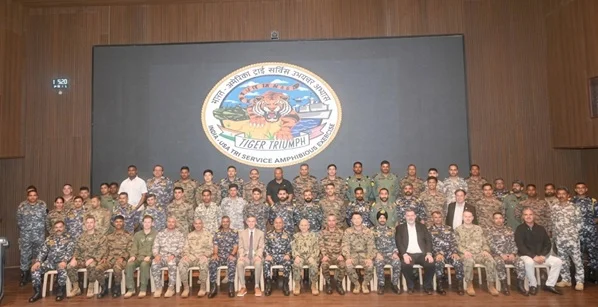
  • India and the United States officially began the fifth edition of the bilateral military exercise Tiger Triumph 2026 with an opening ceremony in Visakhapatnam, Andhra Pradesh, on November 2, 2026.
  • The exercise aims to strengthen military cooperation and improve the ability of both countries' armed forces to work together during humanitarian assistance and disaster relief operations.

About Exercise Tiger Triumph 2026

  • Exercise Tiger Triumph is a bilateral, tri-service military exercise between India and the United States. It was first launched in 2019.
  • The 2026 edition focuses on improving joint operational coordination, staff planning and command-and-control capabilities of the armed forces of both countries.
  • It also aims to strengthen cooperation in responding to natural disasters and other humanitarian emergencies.

Key Objectives of the Exercise

The major objectives of Exercise Tiger Triumph 2026 include:

  • Humanitarian Assistance and Disaster Relief (HADR): Improving the ability of both countries to respond jointly to natural disasters and humanitarian emergencies.
  • Joint Military Planning: Conducting tabletop exercises and staff-level discussions to improve coordination and decision-making.
  • Interoperability: Strengthening the ability of the Indian and US armed forces to operate together effectively.
  • Multi-Domain Coordination: Improving coordination across different operational domains, including command, control, cyber and space.
  • Professional Cooperation: Organising expert-level exchanges, community outreach activities and cultural programmes to strengthen relations between military personnel.

Participation of Indian and US Armed Forces

  • The exercise brings together personnel from the armed forces of both countries. It focuses on combining their capabilities and improving coordination during complex humanitarian and disaster response situations.
  • US Navy Rear Admiral Joaquin Martinez de Pinillos, Vice Commander of the US Pacific Fleet, highlighted that the exercise reflects the growing India-US defence partnership and their shared commitment to regional stability.
  • Indian Navy Rear Admiral Vishal Bishnoi, Flag Officer Commanding Eastern Fleet, stated that the exercise provides an opportunity to strengthen mutual trust, professional cooperation and operational coordination between the two countries.

Significance of Exercise Tiger Triumph

  1. Strengthening Defence Partnership: The exercise further strengthens defence ties and mutual trust between India and the United States.
  2. Better Disaster Response: It improves the preparedness of both countries to respond quickly and effectively to natural disasters and humanitarian emergencies.
  3. Improving Military Interoperability: Joint planning and training help the armed forces coordinate their operations more effectively.
  4. Regional Stability: Greater cooperation between the two countries contributes to peace, security and stability in the Indo-Pacific region.

Conclusion

Exercise Tiger Triumph 2026 reflects the growing defence cooperation between India and the United States. By focusing on joint planning, interoperability and humanitarian assistance, the exercise aims to improve the preparedness of both countries to respond to regional emergencies.

Prelims practice question

Q. With reference to Exercise Tiger Triumph 2026, consider the following statements:

  1. It is a bilateral military exercise between India and the United States.
  2. It was first launched in 2019.
  3. It focuses on improving cooperation in Humanitarian Assistance and Disaster Relief (HADR) operations.
  4. It is a joint exercise involving only the Indian Navy and the US Navy.

Which of the statements given above are correct?

(a) 1 and 2 only
(b) 1, 2 and 3 only
(c) 2, 3 and 4 only
(d) 1, 2, 3 and 4

Mains practice Question

Q. Examine the significance of joint military exercises such as Exercise Tiger Triumph in strengthening India's defence partnership with the United States and promoting regional security in the Indo-Pacific.

FAQs

1. What is Exercise Tiger Triumph 2026?

It is a bilateral military exercise between India and the United States aimed at improving joint operational coordination and military interoperability.

2. When was Exercise Tiger Triumph first launched?

The exercise series began in 2019.

3. Where is Exercise Tiger Triumph 2026 being conducted?

The 2026 edition commenced in Visakhapatnam, Andhra Pradesh.

4. Which edition of the exercise is being conducted in 2026?

It is the fifth edition of Exercise Tiger Triumph.

5. What is the main objective of the exercise?

Its main objective is to strengthen joint military capabilities, particularly for Humanitarian Assistance and Disaster Relief (HADR) operations.

upsc english
« »
  • SUN
  • MON
  • TUE
  • WED
  • THU
  • FRI
  • SAT