Current Affairs for 06 November 2026

INS Sahyadri Arrives in Japan for MALABAR 2026 Naval Exercise

Why in News?

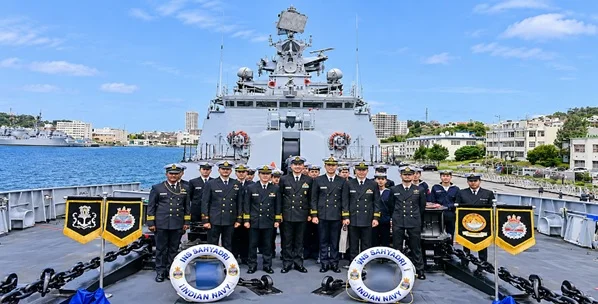
  • India’s indigenous stealth frigate INS Sahyadri arrived at Yokosuka Naval Base in Japan on November 4, 2026, to participate in the multilateral naval exercise MALABAR 2026.
  • The exercise brings together the navies of four countries: India, Japan, the United States and Australia.

Yokosuka Naval Base

  • INS Sahyadri, a part of the Indian Navy’s Eastern Fleet, received a warm welcome from the Japan Maritime Self-Defense Force (JMSDF).
  • The welcome ceremony was attended by Vice Admiral Yagi Koji, Commandant of Yokosuka District, and R. Madhu Sudan, Deputy Chief of the Indian Mission in Japan.

About Exercise MALABAR 2026

MALABAR is a multilateral naval exercise involving four countries:

  • India
  • Japan
  • United States
  • Australia

The exercise aims to strengthen maritime cooperation and improve coordination among the participating navies.

Key Activities of the Exercise

The exercise will be conducted in two phases:

1. Harbour Phase

  • Professional interactions among naval personnel.
  • Joint planning and coordination.
  • Exchange of operational knowledge and experience.

2. Sea Phase

  • Joint naval operations.
  • Maritime coordination and interoperability.
  • Training alongside naval units from Japan, the United States and Australia.

Significance of the Exercise

  • Strengthens maritime cooperation among the four countries.
  • Improves coordination and interoperability between their navies.
  • Builds mutual trust and professional understanding.
  • Supports peace, security and stability in the Indo-Pacific region.

India's MAHASAGAR Vision

  • INS Sahyadri's participation reflects India's commitment to strengthening maritime partnerships with like-minded countries.
  • It is also in line with India's MAHASAGAR vision, which stands for Mutual and Holistic Advancement for Security and Growth Across Regions.
  • The vision focuses on promoting maritime security, regional cooperation and shared growth.

Conclusion

MALABAR 2026 provides an important platform for India, Japan, the United States and Australia to strengthen naval cooperation and maritime security. INS Sahyadri’s participation highlights India's growing naval capabilities and commitment to ensuring a free, open and stable Indo-Pacific region.

FAQs

1. What is Exercise MALABAR 2026?

MALABAR 2026 is a multilateral naval exercise involving the navies of India, Japan, the United States and Australia.

2. Which Indian naval ship participated in MALABAR 2026?

INS Sahyadri, an indigenous stealth frigate of the Indian Navy, participated in the exercise.

3. Where did INS Sahyadri arrive for the exercise?

INS Sahyadri arrived at Yokosuka Naval Base in Japan on November 4, 2026.

4. What is the main objective of Exercise MALABAR?

Its main objective is to strengthen naval cooperation, improve interoperability and enhance maritime security among participating countries.

5. What is the MAHASAGAR Vision?

MAHASAGAR stands for Mutual and Holistic Advancement for Security and Growth Across Regions. It is India's vision for strengthening maritime cooperation, regional security and shared growth.

India Proposes Mandatory 1% Sustainable Aviation Fuel Blending from January 2027

Keywords: Sustainable Aviation Fuel (SAF), Aviation Turbine Fuel (ATF), SAF Blending Policy 2026, Green Aviation, ICAO, CORSIA, Net Zero Emissions, Biofuels, Economic Tankering, Carbon Emissions, Green Energy Transition

Why in News?

  • On 5 November 2026, reports stated that India's Ministry of Civil Aviation had circulated a draft policy proposing mandatory 1% Sustainable Aviation Fuel (SAF) blending from January 2027 for international flights.
  • The proposed roadmap aims to increase SAF blending to 5% by 2030, supporting the decarbonisation of India's aviation sector.

Key Facts at a Glance

Particular

Details

Proposed policy

National Policy on Sustainable Aviation Fuels

Nodal ministry

Ministry of Civil Aviation

Initial blending requirement

1% from January 2027

Target for 2028

2% (previously announced indicative target)

Target for 2030

5%

Initial applicability

International flights

Conventional aviation fuel

Aviation Turbine Fuel (ATF)

International organisation

International Civil Aviation Organization (ICAO)

Related global mechanism

CORSIA

Long-term global aviation goal

Net-zero CO₂ emissions by 2050

Policy status

Draft proposal, not yet a final mandate

What is Sustainable Aviation Fuel (SAF)?

Sustainable Aviation Fuel (SAF) is a lower-carbon aviation fuel produced from eligible renewable or waste-based feedstocks, or through synthetic production pathways that meet applicable sustainability standards.

  • SAF can be blended with conventional aviation turbine fuel and used in compatible aircraft without major engine modifications.
  • It can be produced from used cooking oil, agricultural residues, certain municipal wastes and other sustainable feedstocks.
  • Certain SAF pathways can reduce lifecycle carbon dioxide emissions by up to 80% compared with conventional jet fuel, depending on feedstock and production processes.
  • SAF is considered an important near-term solution for reducing emissions from aviation, particularly long-distance flights that are difficult to electrify. 

India's Sustainable Aviation Fuel Blending Roadmap

The government had previously announced indicative SAF blending targets of 1% in 2027, 2% in 2028 and 5% in 2030 for international flights. The November 2026 proposal seeks to move towards mandatory implementation. 

Major Provisions of the Draft Policy

  1. Mandatory Blending of SAF: The draft proposes introducing SAF into conventional aviation fuel supplies, beginning with 1% blending for international flights in 2027 and increasing the proportion progressively.
  2. Promotion of Domestic SAF Production: The draft reportedly proposes using indigenously manufactured SAF to strengthen domestic production, reduce dependence on imported fuel and develop the country's green aviation industry.
  3. Prevention of Economic Tankering: Airlines operating international services would be required to procure a minimum of 90% of their relevant annual aviation fuel requirements from international airports in India, according to the reported proposal.
  4. Financial and Regulatory Support: The draft reportedly considers taxation relief, viability gap funding, green financing and support for refinery retrofitting to encourage domestic SAF production.
  5. Innovation and Research: A proposed SAF Innovation Seed Fund would support pilot projects, indigenous technology development, feedstock optimisation, lifecycle assessment and startups.
  6. Compliance Mechanism: Airlines and oil marketing companies could face penalties for failing to comply with mandatory blending obligations. The precise enforcement framework would depend on the final policy. 

What is Economic Tankering?

  • Economic tankering refers to an airline carrying additional aviation fuel from an airport where fuel is cheaper to reduce refuelling at another airport where fuel is more expensive.
  • Although this may reduce immediate fuel expenditure, carrying extra fuel increases aircraft weight and can lead to additional emissions. The proposed procurement requirement aims to discourage this practice and support fuel offtake at Indian airports.

International Framework: ICAO and CORSIA

International Civil Aviation Organization (ICAO)

  • ICAO is a specialised agency of the United Nations, established under the Chicago Convention of 1944.
  • Its headquarters is located in Montreal, Canada.
  • ICAO develops international standards for aviation safety, security, efficiency and environmental protection.
  • In 2022, ICAO member states adopted a long-term aspirational goal of achieving net-zero carbon emissions from international aviation by 2050.

Carbon Offsetting and Reduction Scheme for International Aviation (CORSIA)

CORSIA is a global market-based mechanism established by ICAO to address carbon dioxide emissions from international aviation. It requires covered operators to offset emissions above a prescribed baseline, while eligible SAF can reduce their offsetting obligations.

Phase

Period

Participation

Pilot Phase

2021–2023

Voluntary

First Phase

2024–2026

Voluntary

Second Phase

2027–2035

Mandatory for covered states, subject to exemptions

  • The CORSIA baseline for 2024–2035 is 85% of the covered international aviation emissions in 2019.
  • India did not participate in the voluntary offsetting phases, but its applicable compliance obligations begin in 2027.
  • CORSIA and India's proposed SAF blending mandate are related but distinct regulatory measures. 

Difference between SAF and Conventional Aviation Turbine Fuel

Basis

Sustainable Aviation Fuel

Conventional ATF

Raw materials

Renewable, waste-based or eligible synthetic sources

Crude petroleum

Carbon emissions

Potentially lower lifecycle emissions

Higher fossil lifecycle emissions

Production

Biofuel or synthetic fuel pathways

Petroleum refining

Cost

Generally more expensive

Relatively cheaper

Availability

Limited production and supply

Established global supply

Engine compatibility

Certified blends compatible with existing aircraft

Standard aviation fuel

Sustainability

Depends on feedstock and production pathway

Dependent on fossil resources

Significance for India

  1. Decarbonisation of Aviation: SAF can reduce lifecycle greenhouse gas emissions and support the transition towards low-carbon aviation.
  2. Energy Security: Indigenous SAF production could diversify India's aviation fuel supply and reduce dependence on conventional petroleum products.
  3. Agricultural Value Addition: Crop residues and suitable biomass could create additional economic opportunities for farmers and rural industries.
  4. Green Industrial Development: SAF production can stimulate investment in biorefineries, clean-fuel technologies and associated infrastructure.
  5. International Compliance: Greater SAF adoption can help Indian airlines reduce their CORSIA-related offsetting obligations.
  6. Global Competitiveness: Domestic SAF manufacturing could position India as an important producer and supplier in the emerging international green aviation market.

Challenges

  • High Production Costs: SAF remains significantly more expensive than conventional aviation fuel, potentially increasing airline operating expenses.
  • Limited Production Capacity: India requires substantial investment to establish commercially viable, large-scale SAF manufacturing.
  • Feedstock Availability: Competing demand for waste oils, agricultural residues and biomass could restrict sustainable raw-material supplies.
  • Supply Chain Infrastructure: Fuel collection, processing, certification, blending and airport distribution need further development.
  • Environmental Concerns: Poorly managed feedstock cultivation could lead to land-use changes, biodiversity loss or additional water consumption.
  • Certification Requirements: SAF must satisfy aviation fuel quality specifications and relevant sustainability criteria to qualify under international frameworks.

Way Forward

  1. Expand Domestic Production: Establish SAF production facilities through public-private partnerships and targeted industrial investments.
  2. Introduce Financial Incentives: Consider tax relief, viability gap funding and affordable green financing to narrow the cost gap.
  3. Promote Research and Development: Support advanced technologies, including biomass conversion and synthetic aviation fuels.
  4. Strengthen Feedstock Supply Chains: Develop sustainable collection systems for agricultural residues and waste materials.
  5. Ensure Robust Certification: Implement lifecycle emissions assessment, traceability and internationally recognised sustainability standards.
  6. Adopt Phased Implementation: Align mandatory blending requirements with domestic production capacity and airline affordability.

Conclusion

India's proposed mandatory Sustainable Aviation Fuel blending policy represents an important step towards greener aviation and improved energy security. Beginning with 1% blending in 2027, the initiative could accelerate domestic clean-fuel production, reduce lifecycle emissions and strengthen international aviation competitiveness. However, its success will depend on affordable production, adequate infrastructure, sustainable feedstock availability and effective regulatory implementation.

Prelims Practice MCQ

Q. With reference to Sustainable Aviation Fuel (SAF), consider the following statements:

  1. SAF can be produced from agricultural residues, used cooking oils and certain waste materials.
  2. SAF can be blended with conventional aviation turbine fuel for use in compatible existing aircraft engines.
  3. The Carbon Offsetting and Reduction Scheme for International Aviation (CORSIA) is administered by the United Nations Environment Programme (UNEP).

Which of the statements given above are correct?

(a) 1 and 2 only

(b) 2 and 3 only

(c) 1 and 3 only

(d) 1, 2 and 3

Mains Practice Question

"Discuss the significance of Sustainable Aviation Fuel (SAF) in decarbonising India's aviation sector. Examine the major challenges associated with its large-scale production and mandatory blending."

FAQs

1. What is Sustainable Aviation Fuel (SAF)?

It is a lower-carbon alternative to conventional aviation fuel.

2. When will mandatory SAF blending begin in India?

The government proposes implementation starting in January 2027.

3. What is India's SAF blending target for 2030?

India aims to achieve five percent blending by 2030.

4. Which ministry proposed the mandatory SAF blending policy?

The Ministry of Civil Aviation proposed the draft policy.

5. What is CORSIA?

It is ICAO's international aviation carbon offsetting scheme.

Memory of the World: Rajatarangini, Mahabharata and Arthashastra Receive UNESCO Recognition

Prelims: UNESCO, Memory of the World, MOWCAP, IGNCA, ancient Indian literature.
Mains: GS Paper I: Indian culture, ancient literature, historical traditions and heritage
GS Paper II: International organisations, UNESCO and cultural diplomacy
GS Paper III: Digitisation, preservation technology and scientific conservation

Why in news?

  • On 5 November 2026, UNESCO's Memory of the World Asia-Pacific Regional Register recognised three important Indian documentary heritage works: The Manuscript of Rajatarangini by Kalhana, The Birch-bark Manuscript of Mahabharata and Kautilya's Arthashastra an Ancient Palm leaf Manuscript on Governance and Statecraft.

Key Facts 

Particulars

Details

Recognition

UNESCO Memory of the World Regional Register

Newly recognised works

Rajatarangini, Mahabharata and Arthashastra

Recognition announced

5 November 2026

UNESCO regional programme

Memory of the World: Asia and the Pacific

Committee

Memory of the World Committee for Asia and the Pacific (MOWCAP)

Session

11th Session

Venue

Jakarta, Indonesia

Indian nodal institution

IGNCA

India's total regional inscriptions

6

Main objective

Preservation of documentary heritage

What is UNESCO's Memory of the World Programme?

  • The Memory of the World (MoW) Programme is an international initiative launched by UNESCO in 1992 to preserve the world's documentary heritage and protect historically and culturally significant records from loss, deterioration and destruction.
  • Documentary heritage includes manuscripts, historical documents, archives, books, photographs, films, sound recordings and other important records that preserve human knowledge and collective memory.
  • Major objectives are: 
    • Preservation: Protect valuable historical documents and manuscripts.
    • Accessibility: Improve public access to documentary heritage.
    • Awareness: Promote understanding of the importance of historical records.
    • International Cooperation: Encourage collaboration among countries and institutions.
    • Knowledge Transmission: Ensure that documentary heritage remains available for future generations.

Three levels of the Memory of the World Programme

Register

Coverage

Purpose

International Register

Global

Recognises documentary heritage of outstanding worldwide significance.

Regional Register

Regional

Recognises documentary heritage significant to a particular geographical region.

National Register

Country-specific

Identifies and promotes important documentary heritage within individual countries.

Understanding the Three Newly Recognised Indian Works

A. Rajatarangini: The Historical Chronicle of Kashmir

Particulars

Details

Work

Rajatarangini

Author

Kalhana

Period

12th century CE

Language

Sanskrit

Script of recognised manuscript

Sharada

Preserved at

Oriental Research Library, Srinagar

Historical significance

Chronicle of Kashmir's kings and political history

B. Mahabharata: India's Great Epic of Philosophy and Dharma

  • The Mahabharata, traditionally attributed to Maharishi Ved Vyasa, is one of theworld's longest epic compositions and an important foundation of Indian philosophical, ethical and literary traditions.
  • It narrates the conflict between the Pandavas and Kauravas and explores broader questions relating to Dharma, duty, justice, morality, leadership and human relationships.
  • The Mahabharata is not merely an epic about a war. It is also a vast source of philosophical and ethical discussions.
  • The Bhagavad Gita, which forms part of the Mahabharata, discusses Karma Yoga, Bhakti Yoga and Jnana Yoga, along with the relationship between duty and spiritual understanding.
  • Important features of the Mahabharata are: 
    • Traditionally attributed to Maharishi Ved Vyasa.
    • Written in Sanskrit.
    • Traditionally divided into 18 Parvas (books).
    • Contains approximately 100,000 verses in its commonly described traditional form.
    • Includes the Bhagavad Gita as an important philosophical section.
    • Explores Dharma, Karma, justice, duty and ethical decision-making.

C. Arthashastra: Ancient India's Treatise on Governance and Statecraft

  • The Arthashastra, traditionally attributed to Kautilya (Chanakya or Vishnugupta), is one of the most important ancient Indian texts on political administration, economics, diplomacy and statecraft.
  • It provides a systematic discussion of how a state should be governed, how economic resources should be managed and how a ruler should maintain security and political stability.
  • The Arthashastra is a valuable source for understanding ancient Indian political and economic thought.
  • It discusses the responsibilities of the state, the importance of public finance, administrative efficiency, law enforcement, national security and foreign relations.
  • Its ideas remain relevant to the academic study of political science, economics, international relations and public administration.
  • Important features of Arthashastra are: 
    • Traditionally attributed to Kautilya.
    • Written in Sanskrit.
    • Deals with governance, administration and public finance.
    • Discusses taxation, agriculture, trade and economic management.
    • Explains diplomacy, espionage and military strategy.
    • Includes the Saptanga Theory of the State and Mandala Theory of foreign relations.

Comparison of the Three Newly Recognised Works

Basis

Rajatarangini

Mahabharata

Arthashastra

Author

Kalhana

Ved Vyasa (traditional attribution)

Kautilya

Main subject

History of Kashmir

Epic, philosophy and Dharma

Governance and statecraft

Language

Sanskrit

Sanskrit

Sanskrit

Recognised manuscript

Sharada manuscript

Birch-bark manuscript

Palm-leaf manuscript

Script

Sharada

Sharada

Grantha

Manuscript location

Srinagar

Pune

Mysuru

Main contribution

Historical documentation

Ethical and philosophical thought

Political and economic administration

India's Previous Entries in the UNESCO Asia-Pacific Regional Register

Documentary Heritage

Importance

Illustrated Manuscripts of Ramcharitmanas

Preserves Tulsidas's devotional literary tradition through illustrated manuscripts.

Manuscript of Sahṛdayaloka-Locana

Important work on Sanskrit poetics, aesthetics and literary theory.

15th-Century Manuscript of Panchatantra

Preserves India's traditional animal fables and moral storytelling.

Role of the Indira Gandhi National Centre for the Arts (IGNCA)

  • Facilitates the nomination of India's documentary heritage for UNESCO recognition.
  • Supports the preservation and conservation of rare manuscripts.
  • Promotes research on India's artistic, cultural and intellectual traditions.
  • Organises workshops and awareness programmes related to documentary heritage.
  • Encourages international cooperation for manuscript preservation.

Significance of UNESCO Recognition for India

  • Cultural Heritage: Strengthens international recognition of India's ancient knowledge traditions.
  • Historical Research: Encourages further study of historical records and manuscripts.
  • Literature: Highlights India's contribution to world literature and epic traditions.
  • Political Science: Recognises ancient Indian contributions to governance and diplomacy.
  • Manuscript Conservation: Encourages scientific preservation of rare historical manuscripts.

Difference between UNESCO's Major Heritage Recognition Programmes

Programme

What does it recognise?

Example

World Heritage List

Cultural and natural sites

Taj Mahal, Kaziranga National Park

Intangible Cultural Heritage List

Living traditions and practices

Yoga, Kumbh Mela

Memory of the World Register

Documentary heritage

Rigveda manuscripts, newly recognised Indian manuscripts

Challenges in Preserving India's Manuscript Heritage

  • Physical Deterioration: Palm-leaf and birch-bark manuscripts are vulnerable to humidity, insects, heat and ageing.
  • Lack of Digitisation: Many rare manuscripts are not yet digitally documented or easily accessible.
  • Conservation Infrastructure: Scientific preservation facilities and trained conservators are not uniformly available.
  • Language and Script Barriers: Ancient languages and scripts require specialised expertise for interpretation.
  • Fragmentation of Collections: Historical manuscripts may be distributed across different libraries, archives and institutions.

Prelims MCQ

Q. Rajatarangini, recently recognised by UNESCO, is primarily associated with the history of:

A. Magadha

B. Kashmir

C. Gujarat

D. Bengal

Mains Practice Question

Q. Discuss the significance of India's ancient literary and intellectual traditions in shaping its cultural and historical identity. 

FAQs

What is the latest UNESCO recognition received by India in November 2026?

Three works (Rajatarangini, Mahabharata and Arthashastra) have been included in UNESCO's Memory of the World Asia-Pacific Regional Register.

What is the main subject of Arthashastra?

Governance, administration, economics, diplomacy and statecraft.

Where was the 11th MOWCAP session held?

Jakarta, Indonesia.

When was UNESCO's Memory of the World Programme launched?

1992.

Which organisation coordinates India's participation in the Memory of the World Programme?

The Indira Gandhi National Centre for the Arts (IGNCA).

National Cancer Awareness Day: Key Facts, Historical Background, Major Types, Causes and Risk Factors

Why in news?

National Cancer Awareness Day is observed on 7 November 2026 in India to highlight the growing burden of cancer and the importance of early detection, prevention and timely treatment.

Key Facts

Particulars

Details

Observance

National Cancer Awareness Day

Date

7 November

Country

India

First observed

2014

Announced by

Union Ministry of Health and Family Welfare

Objective

Cancer prevention, awareness and early detection

Associated personality

Marie Curie

Marie Curie's birth anniversary

7 November 1867

Major focus

Prevention, screening, diagnosis and treatment

Historical Background

  • National Cancer Awareness Day was first observed in India in 2014.
  • It was announced by the Union Health Minister, Dr Harsh Vardhan.
  • The date, 7 November, was selected because it marks the birth anniversary of Marie Curie, who was born on 7 November 1867.
  • Marie Curie was a pioneering physicist and chemist known for her ground breaking research on radioactivity.
  • Her discoveries of polonium and radium contributed significantly to the development of radiation-based medical applications, including cancer treatment.

What is Cancer?

  • Cancer is a group of diseases characterised by the uncontrolled growth and spread of abnormal cells in the body.
  • Normally, cells grow, divide and die in a controlled manner. However, when genetic changes disrupt this process, abnormal cells may multiply uncontrollably and form a mass known as a tumour.
  • Some cancers, such as leukaemia, do not generally form solid tumours.

Major Types of Cancer

Type

Description

Breast Cancer

Develops in breast tissue; predominantly affects women but can also occur in men.

Lung Cancer

Develops in lung tissues and is strongly associated with tobacco smoking.

Oral Cancer

Affects the mouth and oral cavity; tobacco and alcohol are important risk factors.

Cervical Cancer

Develops in the cervix and is largely associated with persistent high-risk HPV infection.

Colorectal Cancer

Develops in the colon or rectum.

Blood Cancer

Includes leukaemia, lymphoma and multiple myeloma.

Prostate Cancer

Develops in the prostate gland in men.

Major Causes and Risk Factors of Cancer

  • Tobacco consumption: Oral, lung, throat and other cancers
  • Alcohol consumption: Liver, breast, oral and colorectal cancers
  • Unhealthy diet: Increased risk of colorectal and other cancers
  • Physical inactivity: Increases the risk of certain cancers
  • Obesity: Associated with several types of cancer
  • HPV infection: Major cause of cervical cancer
  • Hepatitis B and C: Associated with liver cancer
  • Air pollution: Increases the risk of lung cancer
  • Excessive UV radiation: Increases the risk of skin cancer
  • Genetic factors: Can increase susceptibility to certain cancers

Cancer Burden in India

  • According to the Indian Council of Medical Research (ICMR)-National Cancer Registry Programme:

Year

Estimated Cancer Cases in India

2020

13,92,179

2021

14,26,447

2022

14,61,427

  • Breast cancer is the most common cancer among women in India.
  • Oral cancer is a major concern, particularly because of tobacco consumption.
  • Lung cancer is strongly associated with smoking and other environmental exposures.
  • Cervical cancer remains an important public health concern among women.
  • Delayed diagnosis and unequal access to treatment contribute to the cancer burden.

Importance of Early Detection and Screening

  • Awareness: Recognising early symptoms and understanding risk factors
  • Screening: Identifying possible cancer or precancerous changes before symptoms appear
  • Diagnosis: Confirming the disease through appropriate medical investigations

Common cancer screening methods

  • Breast Cancer: Clinical breast examination and mammography, where appropriate
  • Cervical Cancer: HPV testing, Pap smear and other recommended screening methods
  • Oral Cancer: Visual examination of the oral cavity
  • Colorectal Cancer: Stool-based tests and colonoscopy, depending on risk and guidelines
  • Lung Cancer: Low-dose CT screening for eligible high-risk individuals

Government Initiatives for Cancer Prevention and Control in India

A. National Programme for Prevention and Control of Non-Communicable Diseases (NP-NCD)

  • Implemented under the National Health Mission (NHM).
  • Focuses on the prevention and control of major non-communicable diseases.
  • Promotes population-based screening for common cancers.
  • Individuals aged 30 years and above are targeted for screening for oral, breast and cervical cancers.
  • Encourages health education, early diagnosis and timely referral.

B. National Programme for Cancer Control

  • The National Cancer Control Programme was launched in 1975.
  • It was subsequently integrated into the broader programme for prevention and control of non-communicable diseases.
  • Its objective has been to strengthen cancer prevention, diagnosis and treatment infrastructure.

C. Tertiary Care Cancer Centre Scheme

  • Aims to strengthen specialised cancer treatment facilities.
  • Supports the development of State Cancer Institutes (SCIs) and Tertiary Care Cancer Centres (TCCCs).
  • Focuses on improving access to advanced cancer diagnosis and treatment.

D. Ayushman Bharat – Pradhan Mantri Jan Arogya Yojana (PM-JAY)

  • Provides health coverage to eligible beneficiaries for secondary and tertiary hospitalisation.
  • Helps reduce the financial burden of hospital-based treatment.
  • Covers eligible cancer-related treatment packages under the scheme.

E. Ayushman Arogya Mandirs

  • Strengthen primary healthcare services.
  • Promote preventive healthcare and community-level awareness.
  • Facilitate screening, early identification and referral for common cancers.

F. National Cancer Grid (NCG)

  • Established in 2012.
  • Brings together cancer centres, research institutions and healthcare organisations.
  • Promotes uniform standards of cancer care, research, education and training.
  • Aims to improve the quality and accessibility of cancer treatment across India.

Major Challenges in Cancer Control in India

  • Late Diagnosis: Many patients approach healthcare facilities at advanced stages.
  • High Treatment Costs: Cancer treatment can impose a substantial financial burden on families.
  • Lack of Awareness: People may ignore early symptoms or avoid medical consultation.
  • Unequal Healthcare Access: Rural and remote areas often have limited specialised facilities.
  • Tobacco Consumption: Smoking and smokeless tobacco contribute significantly to cancer risk.
  • Shortage of Specialists: Unequal distribution of oncologists and trained healthcare professionals.

International Perspective: Global Cancer Control

Organisation / Initiative

Role

WHO

Provides global guidance on cancer prevention and control.

International Agency for Research on Cancer (IARC)

Conducts research on cancer causes and prevention.

International Atomic Energy Agency (IAEA)

Supports the safe and effective use of radiation medicine and radiotherapy.

WHO Global Breast Cancer Initiative

Works to reduce breast cancer mortality through health promotion, timely diagnosis and comprehensive treatment.

WHO Global Initiative for Childhood Cancer

Aims to improve survival rates among children with cancer.

Prelims MCQs 

Q. National Cancer Awareness Day is associated with the birth anniversary of which scientist?

A. Rosalind Franklin
B. Marie Curie
C. Dorothy Hodgkin
D. Jane Goodall

Mains Practice Question

Q. Cancer has emerged as a major public health challenge in India. Discuss.

FAQs

When is National Cancer Awareness Day observed?

7 November 

When National Cancer Awareness Day was first observed?

2014.

Who announced National Cancer Awareness Day in India?

The then Union Health Minister, Dr Harsh Vardhan.

What are the three major cancers covered under India's population-based screening programme?

Oral, breast and cervical cancer.

Which organisation maintains India's National Cancer Registry Programme?

The Indian Council of Medical Research (ICMR).

DRDO Successfully Tests Pralay Quasi-Ballistic Missile: A Major Boost to India’s Defence Capabilities

GS Paper III Science & Technology, Defence Technology, Indigenisation of Technology and Internal Security
Keywords: Pralay Missile, DRDO, Quasi-Ballistic Missile, Short-Range Ballistic Missile, Research Centre Imarat, Bharat Dynamics Limited, Solid Propellant, Integrated Test Range, Conventional Deterrence, Atmanirbhar Bharat

Why in News?

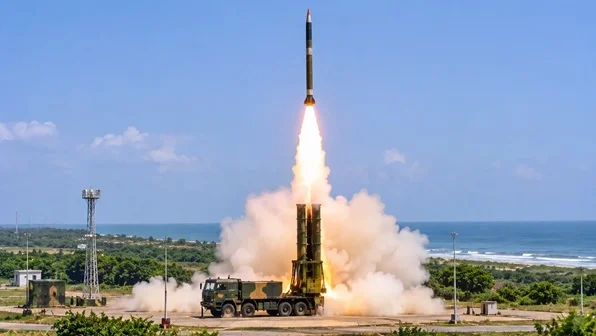
  • On 5 November 2026, the Defence Research and Development Organisation (DRDO) successfully conducted a flight test of the indigenously developed Pralay quasi-ballistic missile.
  • The test was conducted as part of user evaluation trials, and all stipulated objectives were successfully achieved, as confirmed by data collected through the Integrated Test Range (ITR), Chandipur.
  • The Ministry of Defence stated that the successful trial has brought the missile system closer to induction into the Indian Armed Forces. 

About Pralay Missile

  • Pralay is an indigenously developed, short-range, surface-to-surface quasi-ballistic missile designed to strike strategically important targets with high precision.
  • The missile combines the speed and striking power of a ballistic missile with limited trajectory manoeuvrability, making it an important component of India's conventional precision-strike capability.

Key Facts at a Glance

Particulars

Details

Missile name

Pralay

Developed by

DRDO

Lead development laboratory

Research Centre Imarat (RCI), Hyderabad

Production partner

Bharat Dynamics Limited (BDL)

Missile category

Short-range, surface-to-surface quasi-ballistic missile

Operational range

150–500 km

Payload capacity

500–1,000 kg

Propulsion system

Solid propellant

Warhead

Conventional; multiple warhead categories

Guidance

Advanced guidance and navigation systems

First flight test

December 2021

Latest flight test

5 November 2026

Launch site

Dr APJ Abdul Kalam Island, Odisha

Testing and monitoring

Integrated Test Range, Chandipur

Present status

User evaluation; induction imminent, not yet confirmed

Key Features of Pralay Missile

  1. Quasi-Ballistic Trajectory: Pralay follows a ballistic-like trajectory but possesses the ability to manoeuvre during flight. This provides greater trajectory flexibility than a conventional ballistic missile following a largely predictable path.
  2. High-Precision Strike Capability: The missile employs advanced guidance and navigation systems to improve accuracy against designated targets and support precision conventional operations.
  3. Solid-Fuel Propulsion: Pralay uses a solid-propellant propulsion system, which facilitates storage and reduces launch preparation requirements compared with many liquid-fuel missile systems.
  4. Multiple Warhead Configurations: The system is designed to accommodate different conventional warhead configurations suitable for different target categories.
  5. Short-Range Tactical Operations: With a reported range of 150–500 km, Pralay is intended to support precision strikes within a regional theatre of operations rather than long-range strategic missions.

What is a Quasi-Ballistic Missile?

  • A quasi-ballistic missile is a missile that follows a trajectory resembling that of a ballistic missile but can incorporate manoeuvres that alter its flight path.
  • Unlike a conventional ballistic missile, whose trajectory is comparatively predictable after the boost phase, a quasi-ballistic missile can use trajectory adjustments to complicate interception.

Feature

Conventional Ballistic Missile

Quasi-Ballistic Missile

Flight trajectory

Largely ballistic

Ballistic-like with manoeuvrability

Flight-path predictability

Relatively predictable

Potentially less predictable

Manoeuvring

Limited in basic designs

Designed with manoeuvring capability

Interception

Can be tracked and intercepted

Manoeuvres may complicate interception

Example

Agni series

Pralay

Strategic Significance for India

  1. Strengthening Conventional Deterrence: Pralay can enhance India's ability to respond to conventional military threats through precise, stand-off strikes without necessarily relying on nuclear weapons.
  2. Enhancing Border Defence: Its range and mobility could support military preparedness in strategically sensitive border regions, including the northern and western sectors.
  3. Countering Emerging Threats: The missile's manoeuvring capability may complicate adversary air and missile defence planning, thereby improving India's operational flexibility.
  4. Promoting Defence Indigenisation: The involvement of DRDO, RCI and BDL demonstrates cooperation between domestic research organisations and the defence manufacturing industry.
  5. Supporting Multi-Domain Operations: Pralay can potentially complement air power, artillery and other precision-strike systems in coordinated military operations.

Role of Major Organisations

Organisation

Role

DRDO

Overall missile research and development

Research Centre Imarat (RCI)

Lead indigenous development laboratory

Bharat Dynamics Limited (BDL)

Development-cum-production partner

Integrated Test Range (ITR), Chandipur

Tracking, instrumentation and evaluation of flight-test performance

Indian Armed Forces

User evaluation and prospective operational deployment

Challenges

  • Operational Integration: Incorporating the missile into existing command, control, targeting and military logistics networks.
  • Targeting Intelligence: Ensuring reliable, timely intelligence for effective precision-strike operations.
  • Air and Missile Defence: Maintaining effectiveness against evolving interception technologies.
  • Cost and Production: Balancing high-performance missile production with affordability and scalability.
  • Regional Security: Managing the implications of advanced conventional missile capabilities for strategic stability.

Way Forward

  • Complete the remaining user evaluation, acceptance and operational integration processes.
  • Strengthen indigenous manufacturing capabilities and reliable supply chains.
  • Invest in advanced guidance, navigation and electronic warfare resilience.
  • Improve coordination between the Army, Air Force and other defence agencies.
  • Maintain credible conventional deterrence alongside responsible strategic communication.

Conclusion

  • The successful flight test of the Pralay quasi-ballistic missile on 5 November 2026 marks an important achievement in India's indigenous missile development programme. 
  • Its precision-strike potential, solid-propellant propulsion and manoeuvring capability could enhance the operational preparedness of the Indian Armed Forces. With induction approaching, Pralay represents progress towards defence self-reliance and stronger conventional deterrence.

Prelims Practice Question

Q. With reference to the Pralay missile, consider the following statements:

  1. It is an indigenously developed surface-to-surface quasi-ballistic missile.
  2. It has an operational range of approximately 150–500 kilometres.
  3. It uses a liquid-propellant propulsion system.
  4. Research Centre Imarat, Hyderabad, has played a major role in its development.

Which of the statements given above are correct?

A. 1 and 2 only

B. 1, 2 and 4 only

C. 2, 3 and 4 only

D. 1, 2, 3 and 4

Mains Practice Question

 “The development of indigenous precision-strike missile systems is crucial for strengthening India's conventional deterrence and strategic autonomy.” Discuss with reference to the Pralay quasi-ballistic missile.

FAQs

1. What is the Pralay missile?

Pralay is India's indigenously developed short-range quasi-ballistic missile.

2. What is the range of the Pralay missile?

Pralay has a reported range of 150–500 kilometres.

3. Which organisation developed the Pralay missile?

DRDO developed Pralay, led by Research Centre Imarat, Hyderabad.

4. What type of missile is Pralay?

Pralay is a solid-fuelled, surface-to-surface, short-range quasi-ballistic missile.

5. Where was Pralay tested in November 2026?

It was tested from Dr APJ Abdul Kalam Island.

upsc english
« »
  • SUN
  • MON
  • TUE
  • WED
  • THU
  • FRI
  • SAT