New
Hindi Medium: (Delhi) - GS Foundation (P+M) : 14th Oct. 2026, 06:00 PM Hindi Medium: (Prayagraj) - GS Foundation (P+M) : 23rd Oct. 2026, 11:00 AM English Medium: (Delhi) - GS Foundation (P+M) : 12th Oct. 2026, 5:30PM English Medium: (Prayagraj) - GS Foundation (P+M) : 19th Aug 2026, 11:00 AM Hindi Medium: (Delhi) - GS Foundation (P+M) : 14th Oct. 2026, 06:00 PM Hindi Medium: (Prayagraj) - GS Foundation (P+M) : 23rd Oct. 2026, 11:00 AM English Medium: (Delhi) - GS Foundation (P+M) : 12th Oct. 2026, 5:30PM English Medium: (Prayagraj) - GS Foundation (P+M) : 19th Aug 2026, 11:00 AM

Current Affairs for 06 October 2026

Odisha Launches India’s First MICE Incentive Portal for Business Tourism

Why in News?

  • The Odisha government has launched India’s first dedicated MICE Incentive Portal to promote Odisha as a destination for business tourism, corporate events and large-scale conferences.
  • The portal was launched by Odisha Deputy Chief Minister Pravati Parida, who also holds the Tourism portfolio, during the Odisha Travel Bazaar 2026.

Important Points

  • MICE stands for Meetings, Incentives, Conferences and Exhibitions.
  • Odisha launched a dedicated MICE Incentive Portal.
  • The portal aims to promote business tourism and corporate events.
  • It seeks to simplify applications for financial incentives.
  • Bhubaneswar is known as the “Temple City”.
  • The initiative also focuses on destination weddings and experiential tourism.

What is the MICE Incentive Portal?

  • The MICE Incentive Portal is a dedicated digital platform aimed at promoting Odisha as a destination for Meetings, Incentives, Conferences and Exhibitions (MICE).
  • According to the Odisha government, the portal will:
    • Promote Odisha as a destination for corporate conventions and business events.
    • Simplify the process of applying for financial incentives.
    • Facilitate event organisers and tourism operators.
    • Support faster approvals for MICE-related projects.
    • Encourage investment in the tourism and hospitality sector.
  • The initiative is intended to create a more streamlined mechanism for organising business events and attracting investment to Odisha.

What is MICE Tourism?

  • MICE stands for Meetings, Incentives, Conferences and Exhibitions.
  • MICE tourism refers to organised travel undertaken primarily for professional, business, commercial and networking purposes.
  • It includes activities such as:
    • Corporate meetings
    • Business conferences
    • Trade exhibitions
    • Incentive trips for employees or business groups
    • Corporate conventions
  • MICE tourism is considered an important segment of the tourism industry because it can generate demand for hotels, transport, hospitality, event management and other tourism-related services.

Key Features of Odisha’s MICE Initiative

Digital Incentive Mechanism

The dedicated portal provides a digital mechanism for event organisers and tourism operators to apply for financial incentives related to eligible MICE activities.

Promotion of Business Tourism

The initiative seeks to position Odisha as a destination for corporate conventions, conferences and exhibitions, thereby expanding the state's business tourism ecosystem.

Faster Project Approvals

The Odisha government has indicated that it is working to expedite approvals for MICE events, destination weddings, sports events and cultural heritage-related tourism ventures.

Support for Private Investment

The government has also indicated that recommendations from the private sector will be considered and that administrative bottlenecks will be addressed to facilitate investment.

Odisha’s Focus on Destination Weddings and Experiential Tourism

Alongside MICE tourism, the Odisha government is focusing on destination weddings and experiential tourism.

Potential areas include:

  • Temple weddings
  • Local cultural experiences
  • Regional cuisine tours
  • Heritage-based events
  • Sports events

Bhubaneswar, known as the “Temple City”, has significant cultural and historical attractions that can support the development of distinctive tourism experiences and events.

Significance of the Initiative

The MICE Incentive Portal can contribute to the development of Odisha’s tourism sector by creating a more organised ecosystem for business events.

It can potentially:

  • Increase tourist footfall through business travel.
  • Attract domestic and international conferences.
  • Encourage private investment in tourism infrastructure.
  • Generate employment in hospitality and event management.
  • Promote Odisha’s cultural and heritage destinations.
  • Increase demand for hotels, transport and other tourism services.
  • Strengthen Odisha’s position in India’s business tourism market.

Challenges

Despite its potential, the development of MICE tourism requires adequate infrastructure and efficient coordination among multiple stakeholders.

Key challenges include:

  • Need for world-class convention and exhibition infrastructure.
  • Better air, road and rail connectivity.
  • Efficient coordination between government agencies.
  • Availability of quality accommodation and hospitality services.
  • Skilled manpower for event management and tourism services.
  • Effective implementation of financial incentives.

Way Forward

  • For the MICE sector to grow sustainably, Odisha can focus on developing integrated convention infrastructure, better connectivity, skilled human resources and simplified regulatory procedures.
  • Greater public-private collaboration, targeted incentives and effective promotion of Odisha’s cultural and natural attractions can further strengthen the state’s business tourism ecosystem.

Conclusion

The launch of the MICE Incentive Portal marks Odisha’s effort to strengthen its business tourism ecosystem through digital facilitation and targeted incentives. By combining MICE tourism with destination weddings, heritage experiences and regional cultural attractions, the state aims to attract greater investment and establish itself as a prominent destination for business and experiential tourism.

Prelims practice question 

1. With reference to the MICE Incentive Portal launched by Odisha, consider the following statements:

  1. It aims to promote business tourism in Odisha. 
  2. It seeks to simplify applications for financial incentives. 
  3. MICE stands for Meetings, Incentives, Conferences and Exhibitions. 

Which of the statements given above is/are correct?

(a) 1 and 2 only
(b) 2 and 3 only
(c) 1 and 3 only
(d) 1, 2 and 3

Mains practice Question

Q. MICE tourism can contribute significantly to the diversification of India’s tourism economy. Discuss its potential for promoting investment, employment and regional development, with special reference to Odisha.

FAQs

1. What is the MICE Incentive Portal?

It is a dedicated digital portal launched by the Odisha government to promote MICE tourism and facilitate applications for financial incentives by event organisers and tourism operators.

2. What does MICE stand for?

MICE stands for Meetings, Incentives, Conferences and Exhibitions.

3. Why has Odisha launched the MICE Incentive Portal?

The portal aims to position Odisha as a destination for corporate conventions and business events while simplifying the process of applying for financial incentives.

4. When was the portal launched?

The portal was launched during the Odisha Travel Bazaar 2026 by Deputy Chief Minister and Tourism Minister Pravati Parida.

5. What other tourism segments is Odisha promoting?

Along with MICE tourism, Odisha is focusing on destination weddings, experiential tourism, sports events and cultural heritage-related tourism ventures.

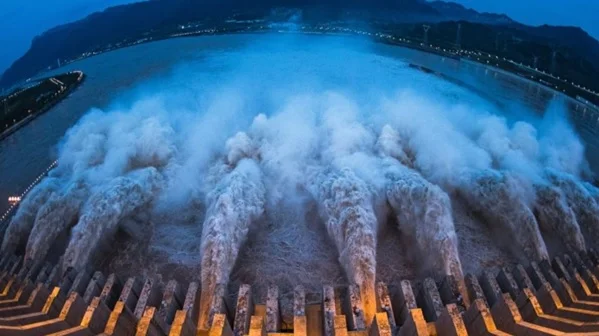
Siang Upper Multipurpose Project (SUMP): Water Security, Flood Management and India-China Strategic Concerns

Prelims: Siang River; Siang Upper Multipurpose Project; Arunachal Pradesh; Hydropower; Water Storage; NHPC; Brahmaputra River System
Mains: GS Paper I – Geography; GS Paper II – International Relations; GS Paper III – Infrastructure, Disaster Management and Energy Security; Transboundary Rivers
Focus Area: Siang Upper Multipurpose Project, Water Security, Flood Management, China’s Medog Project, Arunachal Pradesh, and Brahmaputra Basin

Why in News?

  • Arunachal Pradesh Deputy Chief Minister Chowna Mein has stated that the proposed 11,200 MW Siang Upper Multipurpose Project (SUMP) is intended not merely for power generation but primarily for water storage, regulation and management in the Siang basin.
  • The project is proposed to have around 9.2 billion cubic metres (BCM) of live storage, which could help regulate downstream flows during sudden releases or extreme upstream flows.

What is the Siang Upper Multipurpose Project?

  • The Siang Upper Multipurpose Project (SUMP) is a proposed large-scale multipurpose water and hydropower project on the Siang River in Arunachal Pradesh.
  • The project is planned with an installed capacity of approximately 11,200 MW, a proposed dam height of around 280–300 metres, and about 9.2 BCM of live storage.
  • According to the state government, its purpose extends beyond electricity generation to include water storage, downstream flow regulation and flood-risk reduction.
  • The project is associated with the National Hydroelectric Power Corporation (NHPC) and is currently at the preliminary assessment and survey stage.

Geographical Significance of the Siang River

  • The Siang is one of the major rivers of Arunachal Pradesh and forms an important part of the Brahmaputra river system.
  • In Tibet, the river is known as the Yarlung Tsangpo. It enters India through Arunachal Pradesh and subsequently contributes to the Brahmaputra system in Assam.
  • Therefore, developments on the Siang have implications not only for hydropower but also for water security, flood management, agriculture, ecology and regional strategic interests.

SUMP: More Than a Hydropower Project

  • The proposed capacity of 11,200 MW often attracts attention because of its enormous power-generation potential.
  • However, according to Deputy Chief Minister Chowna Mein, the project should not be assessed only through its installed power capacity.
  • Its proposed 9.2 BCM live storage could enable the regulated storage and release of water.
  • In the event of sudden upstream releases or extreme flows, such storage could potentially help moderate downstream discharge and reduce flood risks in parts of Arunachal Pradesh and Assam.

China’s Medog Project and India’s Concerns

  • The upper reaches of the Brahmaputra are located in Tibet, where the river is known as the Yarlung Tsangpo.
  • China has proposed a massive hydropower project in the Medog region of Tibet, leading to concerns in India regarding the possible impact of upstream infrastructure on downstream water flows.
  • The reported capacity of the Chinese project is around 60,000 MW, significantly higher than the proposed capacity of SUMP.

However, Chowna Mein has argued that the two projects should not be compared only on the basis of installed capacity because their proposed functions and storage characteristics are different.

Indicative Comparison

Parameter

SUMP – India

Medog Project – China

Location

Arunachal Pradesh

Tibet

Reported/Proposed Capacity

~11,200 MW

~60,000 MW

Major Focus

Water storage, regulation and power

Hydropower generation

Reported/Proposed Storage

~9.2 BCM live storage

~5.5 BCM reported

River System

Siang–Brahmaputra

Yarlung Tsangpo

Role in Flood Management

  • Flooding remains a major challenge across parts of the Brahmaputra basin, particularly in Arunachal Pradesh and Assam.
  • A large reservoir can potentially store water during periods of exceptionally high inflow and release it in a regulated manner.
  • Therefore, SUMP has been presented as a potential instrument for flood moderation and downstream flow management.
  • However, the actual effectiveness of the project in reducing flood risks will depend on detailed hydrological studies, reservoir operation, downstream geography and environmental assessments.

Importance for India’s Water Security

  • The Siang is part of an international river system whose upper reaches lie outside India.
  • This makes transboundary water management an important strategic concern.
  • China’s upstream infrastructure development has increased the importance of India developing adequate capabilities for water storage, hydrological monitoring, flood forecasting and disaster preparedness.
  • In this context, SUMP can potentially contribute to India's ability to manage downstream water flows while also strengthening domestic energy infrastructure.

Strategic Significance for India

  • The project has significance beyond electricity generation.
    • Water Security: Large storage capacity could strengthen India's ability to manage seasonal and extreme water flows.
    • Flood Management: Regulated releases may help moderate downstream discharge during extreme flow events.
    • Energy Security: An installed capacity of approximately 11,200 MW could significantly contribute to India's hydropower generation.
    • Northeastern Development: The project could create employment, infrastructure and economic opportunities in Arunachal Pradesh.
    • Strategic Infrastructure: Large-scale infrastructure in a strategically sensitive border state can contribute to India's broader national security preparedness.
    • Transboundary River Management: It highlights the importance of India's preparedness regarding rivers originating outside its territory.

Major Challenges

  1. Environmental Concerns: A large dam can significantly alter river ecology, sediment transport and downstream ecosystems.
  2. Seismic Risks: Arunachal Pradesh lies in a highly seismic region, making detailed geological and seismic assessment essential.
  3. Community Concerns: Local participation, consent, rehabilitation and livelihood protection are critical for the project's social acceptability.
  4. Transboundary Water Issues: India must continue to monitor developments in the upper Brahmaputra basin and strengthen hydrological cooperation and data-sharing mechanisms.
  5. Economic and Technical Viability: The project's enormous scale requires detailed assessment of construction costs, geological conditions, environmental impacts and long-term benefits.

Way Forward

  • The government should adopt a science-based, transparent and participatory approach before taking a final decision on the project.
  • Detailed hydrological, geological, seismic and environmental studies should be completed before construction.
  • Local communities should be meaningfully involved through consultations, while a comprehensive rehabilitation and livelihood protection framework should be established wherever required.
  • At the regional level, India should strengthen flood forecasting, hydrological monitoring, early-warning systems and transboundary river diplomacy.
  • The objective should be to balance national water security, energy requirements, environmental sustainability and the rights of local communities.

Prelims Practice Question

Q. With reference to the Siang Upper Multipurpose Project (SUMP), consider the following statements:

  1. It is proposed on the Siang River in Arunachal Pradesh.
  2. It is proposed to have a large water-storage component.
  3. Its objective is limited only to hydropower generation.

Which of the statements given above is/are correct?

A. 1 and 2 only
B. 2 and 3 only
C. 1 and 3 only
D. 1, 2 and 3

Mains Practice Question

“The Siang Upper Multipurpose Project has implications beyond hydropower generation and is closely linked with India’s water security and strategic interests.” Discuss.

FAQs

Q1. What is the Siang Upper Multipurpose Project?

SUMP is a proposed large-scale multipurpose water and hydropower project on the Siang River in Arunachal Pradesh.

Q2. What is the proposed capacity of SUMP?

The proposed installed capacity is approximately 11,200 MW.

Q3. How much live storage is proposed under SUMP?

The project is proposed to have approximately 9.2 BCM of live storage.

Q4. Why is the Siang River strategically important?

The Siang forms part of the Brahmaputra river system and is connected to the Yarlung Tsangpo in Tibet, making it important for India's water security and transboundary river management.

Q5. Has the SUMP received final construction approval?

No. The project is still undergoing preliminary assessment, including the Pre-Feasibility Report (PFR) and survey-related activities. Final construction would require further studies and statutory clearances.

World Cotton Day 2026: Theme, Key Facts, India and World Cotton production, Kapas Kanti, Economic importance, Significance and Challenges

Why in news?

World Cotton Day is observed every year on 7 October to highlight cotton’s importance for farmers, workers, the textile industry, international trade and sustainable development.

Key Facts 

Particular

Details

Observed on

7 October

First World Cotton Day

7 October 2019

First celebration venue

WTO Headquarters, Geneva

UN recognition

2021

UN Resolution

A/RES/75/318

2026 International Event

Tashkent, Uzbekistan

2026 Theme

Cotton for Good: Building Prosperity Through Trade, Transformation and Partnership

World’s Cotton Production

  • Cotton is cultivated across more than 75 countries. The leading cotton-producing countries include China, India, Brazil, United States and Pakistan. These five countries account for more than three-fourths of global cotton production.
  • In 2024, global cotton production was estimated at approximately 26 million tonnes, while more than 9 million tonnes entered international trade.
  • For the 2026–27 season, the International Cotton Advisory Committee (ICAC) projected:

World production

25.9 million tonnes

World consumption

25.2 million tonnes

Global trade

around 9.6 million tonnes

Ending stocks

nearly 18 million tonnes

India and Cotton: The “White Gold”

  • Cotton is popularly known as “White Gold” because of its high economic importance. India is the only country cultivating all four recognised cultivated cotton species.
  • India occupies a distinctive position in the global cotton economy. It has the world’s largest area under cotton cultivation and ranks among the world's leading cotton producers and consumers.

Four Cultivated Cotton Species

Species

Common classification

Gossypium arboreum

Asian/Desi cotton

Gossypium herbaceum

Asian/Desi cotton

Gossypium hirsutum

American/Upland cotton

Gossypium barbadense

Egyptian/Extra-long staple cotton

India’s Cotton Production

  • According to the Ministry of Textiles, India's cotton production in 2025–26 was provisionally estimated at 290.91 lakh bales, with each bale weighing 170 kg.
  • The area under cotton cultivation stood at approximately 114.82 lakh hectares, while productivity was around 431 kg per hectare.

Indicator

2025–26

Area

114.82 lakh hectares

Production

290.91 lakh bales

Productivity

431 kg/hectare

Standard Indian cotton bale

170 kg

Major Cotton-Producing States in India

  • Cotton is predominantly grown in the Deccan Plateau, central India and north-western plains.
  • Important cotton-producing states include Gujarat, Maharashtra, Telangana, Rajasthan, Karnataka, Madhya Pradesh, Andhra Pradesh, Haryana and Punjab.
  • Cotton requires a warm climate, adequate sunshine and a relatively long frost-free period. Black soil or Regur soil is particularly suitable for cotton because of its high moisture-retaining capacity.

Why is Cotton important?

  • Cotton is one of the world’s most important natural fibres and supports a vast global value chain extending from farms to ginning to spinning to weaving to garments to international trade.
  • According to FAO, cotton sustains about 24 million growers and benefits more than 100 million families worldwide. Women constitute an estimated 43% of the labour force in cotton production, particularly playing important roles in planting and harvesting.
  • Cotton therefore contributes to rural livelihoods, employment, textile manufacturing, international trade, export earnings and poverty reduction. 

Economic Importance for India

  • Cotton connects two major sectors of the Indian economy Agriculture and Textile Industry. 
  • Millions of farmers depend directly or indirectly on cotton cultivation, while the cotton textile value chain supports employment in ginning, spinning, weaving, processing, garment manufacturing and exports.
  • India also has a significant international trade footprint. According to the Ministry of Textiles, India exported an estimated 18 lakh bales of cotton in 2024–25.

Mission for Cotton Productivity (Kapas Kanti)

  • A major recent development is the government's five-year Mission for Cotton Productivity (Kapas Kanti) covering 2026-27 to 2030-31.
  • The mission has an approved outlay of approximately ₹5,659.22 crore.
  • Its broad focus includes higher productivity, better cotton quality, climate resilience, pest resistance, high-yielding varieties and extra-long staple cotton. 
  • The initiative seeks to address one of India's major cotton-sector challenge relatively low productivity despite having a very large area under cultivation.

Minimum Support Price and Cotton Farmers

  • The Government announces a Minimum Support Price (MSP) for cotton to protect farmers against sharp falls in market prices.
  • The Cotton Corporation of India (CCI) undertakes MSP procurement when market prices fall below the prescribed support price.
  • CCI therefore acts as an important institutional mechanism for Price support, Prevention of distress sale, Farmer protection and Cotton market stability. 

Challenges Facing the Cotton Sector

  • Climate Change: Irregular rainfall, droughts, extreme temperatures and changing weather patterns can reduce cotton productivity.
  • Pest Attacks: Cotton cultivation remains vulnerable to pests such as the pink bollworm, increasing production risks and pesticide dependence.
  • Low Productivity: India has a very large cotton cultivation area, but increasing yield per hectare remains a major policy priority.
  • Water Stress: Cotton cultivation can create water-management concerns, particularly where irrigation practices are inefficient.
  • Price Volatility: Cotton prices are influenced by domestic production, international prices, global demand and competition from synthetic fibres.
  • Competition from Synthetic Fibres: Cotton's share of global fibre consumption has declined significantly over the decades as synthetic fibres expanded rapidly. FAO notes that cotton's share fell from around 60% in the 1960s to about 22% in 2024.

Significance of World Cotton Day

  • Promote sustainable cotton production
  • Recognise the contribution of cotton farmers and workers
  • Encourage value addition in developing countries
  • Strengthen international cooperation and improve opportunities for small farmers
  • Promote innovation across the cotton value chain.
  • It also draws attention to the importance of an open, fair, predictable and transparent international trading system for cotton-producing developing countries.

Prelims MCQ

Q. With reference to cotton cultivation in India, consider the following statements:

  1. India cultivates all four recognised cultivated species of cotton.
  2. Black soil is particularly suitable for cotton cultivation because of its moisture-retention capacity.
  3. Cotton Corporation of India undertakes MSP operations for cotton.

Which of the statements given above are correct?

(a) 1 and 2 only

(b) 2 and 3 only

(c) 1 and 3 only

(d) 1, 2 and 3

Mains Practice Question

Q. Discuss the major challenges facing India’s cotton sector. 

FAQs

When is World Cotton Day observed?

7 October every year.

When World Cotton Day was first celebrated?

7 October 2019.

When did the UN recognise World Cotton Day?

2021.

Where will the 2026 international event be held?

Tashkent, Uzbekistan.

What is cotton popularly called?

White Gold.

Nobel Prize 2026 in Medicine: Key Facts, Optogenetics, Optogenetics Working, Major Applications, Vision Restoration, Significance, Challenges and Limitations

Prelims: Nobel Prize in Physiology or Medicine 2026, Optogenetics, Channelrhodopsins, Ion Channels, Neurons, Chlamydomonas reinhardtii, Karolinska Institutet.
Mains: GS Paper III: Science and Technology, Biotechnology, Applications of Emerging Technologies, Healthcare and Neuroscience.

Why in news?

The 2026 Nobel Prize in Physiology or Medicine has been jointly awarded to Karl Deisseroth, Peter Hegemann and Georg Nagel for their discoveries concerning light-gated ion channels and optogenetics.

Key Facts

Particular

Details

Award

Nobel Prize in Physiology or Medicine 2026

Winner

Karl Deisseroth, Peter Hegemann and Georg Nagel

Awarded for 

Discoveries concerning light-gated ion channels and optogenetics

Core technology 

Optogenetics

Key proteins 

Channelrhodopsins

Original biological source

Light-sensitive green algae

Major application

Controlling selected cells, particularly neurons, using light

Awarding body

Nobel Assembly at Karolinska Institutet

Prize money

12 million Swedish kronor, shared equally

Nobel Prize in Physiology or Medicine

  • The Nobel Prize in Physiology or Medicine is awarded by the Nobel Assembly at Karolinska Institutet in Sweden. It is one of the prizes established through the will of Alfred Nobel.
  • The 2026 award recognises how research spanning basic biology, genetics and neuroscience created a new experimental approach for investigating one of science's most difficult questions how the brain generates behaviour.

What is Optogenetics?

  • Optogenetics is a technique that combines genetic engineering and light to control the activity of specific cells.
  • The technique is particularly important in neuroscience, where researchers can make selected neurons sensitive to light and then activate or inhibit their activity using pulses of light.
  • This provides researchers with a highly precise way of investigating which nerve cells are responsible for particular brain functions.

How did the discovery begin?

  • The Nobel-winning discovery has its roots in research on a microscopic green alga called Chlamydomonas reinhardtii. The organism can detect light and swim towards it.
  • Peter Hegemann studied how this microorganism responds to light. His research, together with Georg Nagel, helped establish the role of proteins called channelrhodopsins. Channelrhodopsins function as light-gated ion channels.
  • When light of an appropriate wavelength strikes them, the channels can open and allow electrically charged ions to cross the cell membrane. This changes the electrical state of the cell.

What are Light-Gated Ion Channels?

  • Ion channels are proteins present in cell membranes that allow electrically charged particles, or ions, to move across the membrane.
  • Some ion channels respond to Voltage, Chemicals, Mechanical forces, Light.
  • Channelrhodopsins belong to the light-responsive category.
  • Their importance lies in a simple property: Light → Channel Opens → Ions Flow → Electrical Activity of Cell Changes
  • This provided scientists with a biological mechanism that could eventually be transformed into a tool for controlling neurons.

Role of Peter Hegemann and Georg Nagel

  • Hegemann and Nagel's research helped demonstrate that channelrhodopsins could function as light-gated ion channels.
  • Their work showed that these proteins could be introduced into other cells and make those cells responsive to light.
  • This provided the fundamental biological mechanism required for the later development of optogenetics.

Role of Karl Deisseroth

  • The next breakthrough came when Karl Deisseroth and his collaborators applied the light-sensitive system to neuroscience.
  • In 2005, researchers demonstrated that neurons genetically equipped with channelrhodopsin could be rapidly activated using light.
  • It meant that researchers could essentially install a light-controlled biological switch inside selected nerve cells.

How Does Optogenetics Work?

Step 1: Identify the Target Neurons

Researchers select a particular group of nerve cells whose function they want to investigate.

Step 2: Introduce a Light-Sensitive Protein

Using genetic techniques, selected neurons are made to produce proteins such as channelrhodopsins.

Step 3: Deliver Light

Light is directed towards the targeted neurons.

Step 4: Ion Channels Respond

The light-sensitive proteins react to the light and affect the movement of ions across the cell membrane.

Step 5: Neuronal Activity Changes

Depending on the optogenetic tool used, researchers can activate or inhibit the targeted cells.

Step 6: Observe the Effect

Scientists can then study changes in behaviour or physiological responses.

Why Was Optogenetics Revolutionary?

  • Before optogenetics, researchers could observe correlations between brain activity and behaviour, but identifying cause and effect was much harder.
    • Eg.  Scientists might observe that a particular group of neurons becomes active during fear. But that alone does not prove that those neurons cause the fear response.
  • Optogenetics allows scientists to activate or suppress those specific neurons and observe whether the behaviour changes.
  • It therefore helped neuroscience move from observing brain activity to manipulating specific cells and testing cause and effect.

Major Applications of Optogenetics

  • Understanding Brain Circuits: Scientists can identify which neural circuits perform specific functions.
  • Memory Research: Researchers can investigate which groups of neurons participate in the formation and retrieval of memories.
  • Emotions and Behaviour: Optogenetics can help examine neural circuits associated with fear, reward, motivation and other behaviours.
  • Neurological Disorders: The technique has become an important research tool for understanding conditions involving abnormal neural circuits.
  • Psychiatric Research: Researchers use optogenetic approaches to better understand brain circuits relevant to psychiatric disorders.
  • Vision Restoration Research: One of the most promising clinical directions involves attempts to make surviving retinal cells light-sensitive in people with certain forms of visual impairment.

Optogenetics and Vision Restoration

  • Certain retinal diseases destroy the photoreceptor cells responsible for detecting light. However, other retinal cells may survive.
  • Researchers are therefore investigating whether light-sensitive proteins can be introduced into surviving retinal cells so that they acquire the ability to respond to light.
  • The broad idea is damaged photoreceptors to introduce light-sensitive protein into surviving cells to cells respond to light and visual signals reach brain. 
  • This represents one of the important examples of how a basic biological discovery involving algae could eventually contribute to medical innovation.

Why is this significant?

  • Understanding the Brain: The human brain contains enormous numbers of interconnected neurons. Optogenetics allows researchers to investigate specific cell populations within these complex networks.
  • High Precision: Researchers can control targeted cells with considerable spatial and temporal precision.
  • Establishing Cause and Effect: Scientists can test whether activating or inhibiting a particular neural circuit directly changes behaviour.
  • Interdisciplinary Innovation: Optogenetics represents the convergence of genetics, molecular biology, neuroscience, bioengineering and optics.
  • Translational Potential: Although optogenetics is primarily a powerful research tool, its principles are being explored for future therapeutic applications.

From Algae to Neuroscience

  • The discovery is an important example of how basic scientific research can produce unexpected technological breakthroughs.
  • A biological mechanism that originally helped microscopic algae respond to sunlight ultimately became a powerful tool for investigating the mammalian brain.

Challenges and Limitations

  • Gene delivery: Target cells must be made to produce appropriate light-sensitive proteins.
  • Light delivery: Delivering light deep inside biological tissues can require specialised devices.
  • Clinical translation: A technique effective in laboratory research does not automatically become a safe human therapy.
  • Long-term safety: Gene expression and repeated stimulation require careful evaluation for medical applications.
  • Complexity of brain disorders: Diseases such as Parkinson's or psychiatric conditions involve complex neural networks and cannot necessarily be treated simply by switching individual neurons on or off.

Prelims MCQ

Q. With reference to Optogenetics, consider the following statements:

  1. It can be used to control the activity of selected nerve cells using light.
  2. Channelrhodopsins are light-sensitive proteins used in optogenetics.
  3. Research on light-sensitive algae contributed to the development of the technique.

Which of the statements given above are correct?

(a) 1 and 2 only

(b) 2 and 3 only

(c) 1 and 3 only

(d) 1, 2 and 3

Mains Practice Question

Q. How can optogenetics transform the study of the human brain? Discuss its potential and limitations.

FAQs

Who won the 2026 Nobel Prize in Medicine?

Karl Deisseroth, Peter Hegemann and Georg Nagel.

What did they win it for?

Discoveries concerning light-gated ion channels and optogenetics.

What is optogenetics?

A technique that uses light-sensitive proteins to control selected cells using light.

What are channelrhodopsins?

Light-gated ion-channel proteins used as key tools in optogenetics.

Where did channelrhodopsins originate?

They were studied in light-sensitive microorganisms such as green algae.

MOUNTAIN GUARDIAN 2026: India-UAE Relations, Defence Cooperation, Military Exercises and Strategic Significance

Prelims: India-UAE Defence Relations; Joint Military Exercises; Mountain Warfare
Mains: GS Paper II – International Relations; Bilateral Relations; Defence Cooperation and Strategic Partnerships
Keywords: Exercise MOUNTAIN GUARDIAN 2026, India-UAE Defence Cooperation, Chaubatia, Uttarakhand, Mountain Warfare, Indian Army, UAE Army, Military Interoperability, Joint Military Exercise

Why in News?

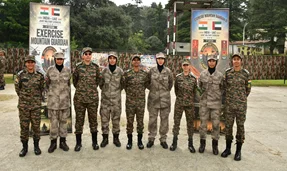
  • The India-UAE Joint Military Exercise MOUNTAIN GUARDIAN 2026 commenced on 5 October 2026 at the Foreign Training Node, Chaubatia, Uttarakhand.
  • Scheduled from 5 to 18 October 2026, the exercise aims to enhance interoperability, mutual understanding and operational cooperation between the Indian Army and the UAE Army, with a particular focus on mountain warfare.

India-UAE Relations

  • Strategic Partnership: India and the UAE share a Comprehensive Strategic Partnership, covering trade, investment, energy, defence, technology and security. 
  • Economic Relations: The UAE is an important trading and investment partner for India, with cooperation in infrastructure, logistics, energy and technology. 
  • CEPA: The India-UAE Comprehensive Economic Partnership Agreement (CEPA), effective since 2022, has strengthened bilateral trade and market access. 
  • Defence Cooperation: Defence ties include joint military exercises, training programmes, military exchanges and professional interactions between the two armed forces. 
  • Strategic Importance: The UAE is an important partner for India in the Gulf and West Asia, making growing defence and economic cooperation significant for India's regional interests.

 Key Features of Exercise MOUNTAIN GUARDIAN 2026

  • The exercise is being conducted at the Foreign Training Node, Chaubatia, in Uttarakhand from 5 to 18 October 2026. It brings together 92 military personnel, with equal representation from the Indian Army and the UAE Army.
  • The Indian contingent comprises troops from a Bhairav Battalion, while the UAE contingent consists of personnel from a Mountain Infantry Battalion. Women officers and combatants from both armies are also participating in specialist roles.
  • The exercise focuses on improving operational coordination, tactical proficiency and the exchange of military best practices in mountainous environments.

Major Military Exercises Between India and the UAE

  • Bilateral Naval Exercise (BILAT): A bilateral naval exercise between the Indian Navy and UAE Navy, focusing on maritime operations and enhancing naval interoperability. 
  • Desert Flag: A multilateral air combat exercise hosted by the UAE, in which the Indian Air Force regularly participates along with air forces of other countries. 
  • Desert Cyclone: A bilateral Army exercise between the Indian Army and UAE Land Forces, focusing on counter-terrorism operations and joint operations in desert environments. 
  • Desert Knight: A trilateral air exercise involving India, the UAE and France, aimed at enhancing interoperability and operational coordination among the three air forces.

Major Training Activities

The exercise includes a range of activities designed to strengthen the operational capabilities of both contingents.

  • Joint planning and tactical drills: Developing coordinated responses to operational situations.
  • Firing practices: Improving weapon-handling skills, accuracy and combat readiness.
  • Surveillance grids: Enhancing situational awareness and the monitoring of operational areas.
  • Drone operations: Integrating unmanned aerial systems into tactical activities.
  • Physical endurance training: Preparing troops for the demanding conditions of mountain warfare.
  • Rock climbing and obstacle training: Strengthening mobility, agility and the ability to negotiate difficult terrain.
  • Integrated field exercises: Practising coordinated military operations under realistic conditions.

The training also incorporates technology-enabled operations and the exchange of tactics, techniques and procedures relevant to mountainous terrain.

Significance of Mountain Warfare Training

  • Mountain warfare requires specialised training because high-altitude environments, steep slopes, unpredictable weather and difficult lines of communication can significantly affect military operations.
  • Training in such conditions helps soldiers improve physical endurance, terrain awareness, tactical mobility and operational coordination. It also highlights the importance of surveillance, rapid decision-making and effective use of technology.
  • For India, experience in mountain warfare is particularly relevant because of its extensive mountainous borders and the operational requirements of the Himalayan region.

Significance for India-UAE Defence Relations

  • Strengthening military interoperability: Joint training enables both armies to understand each other's tactics, procedures and operational capabilities, improving their ability to coordinate during combined activities.
  • Enhancing professional military exchanges: The exercise provides an opportunity for personnel to share operational experiences, specialised skills and best practices.
  • Expanding defence cooperation: Regular military engagements strengthen institutional relationships and contribute to the broader India-UAE strategic partnership.
  • Promoting mutual trust: Direct interaction between military personnel reinforces professional understanding, confidence and long-term cooperation between the two countries.

Relevance for India's Defence Preparedness

  • MOUNTAIN GUARDIAN 2026 supports India's efforts to enhance the preparedness of its armed forces through realistic training, technological integration and international military cooperation.
  • The inclusion of drone operations and surveillance activities reflects the growing importance of technology in modern warfare. These capabilities can improve battlefield awareness, support tactical planning and assist commanders in making informed decisions.
  • The participation of women officers and combatants in specialist roles also reflects their contribution to professional military training and operational activities.

Challenges in Mountain Warfare

  • Difficult terrain and weather: Steep slopes, low temperatures and rapidly changing weather conditions can affect troop movement and combat effectiveness.
  • Logistical constraints: Transporting personnel, equipment, ammunition and supplies through mountainous terrain can be difficult.
  • Communication limitations: Terrain-related obstacles may disrupt communication and coordination between military units.
  • Technological integration: Effective use of drones, surveillance systems and communication equipment requires specialised training and reliable technical support.

Way Forward

  • India and the UAE should continue expanding joint military training, professional exchanges and specialised exercises in areas of mutual interest.
  • Future cooperation can focus on mountain warfare, drone-enabled operations, surveillance, tactical communications and integrated field training. Greater emphasis on realistic scenarios, interoperability and the exchange of operational best practices can further strengthen the capabilities of both armies.
  • Regular evaluation of joint exercises can also help identify operational gaps and improve the effectiveness of future training programmes.

Conclusion

  • Exercise MOUNTAIN GUARDIAN 2026 represents an important step in strengthening military-to-military cooperation between India and the UAE. By focusing on mountain warfare, tactical coordination and technology-enabled operations, the exercise promotes professional military exchanges and enhances operational understanding.
  • Such joint exercises contribute to India's defence preparedness while reinforcing the broader strategic partnership between India and the UAE.

Prelims Practice Question

Q. With reference to Exercise MOUNTAIN GUARDIAN 2026, consider the following statements:

  1. It is a joint military exercise between India and the UAE.
  2. It is being conducted in Uttarakhand.
  3. It focuses on mountain warfare.

Which of the statements given above is/are correct?

(a) 1 only
(b) 1 and 2 only
(c) 2 and 3 only
(d) 1, 2 and 3

Mains Practice Question

Discuss the significance of joint military exercises in strengthening India's defence preparedness and strategic partnerships, with reference to the India-UAE Exercise MOUNTAIN GUARDIAN 2026.

Frequently Asked Questions (FAQs)

Q1. What is Exercise MOUNTAIN GUARDIAN 2026?

It is a joint military exercise between the Indian Army and the UAE Army, focused on mountain warfare and operational cooperation.

Q2. Where is Exercise MOUNTAIN GUARDIAN 2026 being conducted?

It is being conducted at the Foreign Training Node, Chaubatia, Uttarakhand.

Q3. What are the dates of the exercise?

The exercise is scheduled from 5 October to 18 October 2026.

Q4. How many personnel are participating in the exercise?

A total of 92 personnel are participating, with equal representation from both armies.

Q5. What is the primary objective of the exercise?

Its primary objective is to enhance interoperability, mutual understanding and cooperation between the two armies, particularly in mountain warfare.

National Household Travel Survey: Key Findings and Significance

Prelims: National Household Travel Survey, NSO, MoSPI,
Mains: GS Paper III – Infrastructure
Keywords: Household Travel Patterns, Domestic Mobility, Transport Infrastructure, Commuting Behaviour, Travel Expenditure, Rural-Urban Mobility, Public Transport, Evidence-Based Transport Planning.

Why in News?

  • The National Statistics Office (NSO) under the Ministry of Statistics and Programme Implementation (MoSPI) has conducted India’s first-ever All-India Survey on Household Travel.
  • The survey provides comprehensive data on household travel patterns, commuting behaviour, travel expenditure and modes of transportation across rural and urban India. The findings are expected to support transport planning, infrastructure development and evidence-based policymaking.

About the National Household Travel Survey

The National Household Travel Survey was conducted from July 2025 to June 2026.

The survey covered:

  • 14,274 villages
  • 10,377 urban blocks
  • Around 4.92 lakh households
  • More than 20.34 lakh persons

It is designed to generate reliable and data-based information on domestic travel patterns and mobility in India.

Key Findings of the Survey

Two-Wheelers Dominate Workplace Commutes

  • Two-wheelers emerged as the most common mode of transport for commuting to fixed workplaces.
  • Around 42.6% of workers use two-wheelers to travel to their workplaces.

Monthly Commuting Expenditure

  • The average monthly expenditure on commuting to a fixed workplace is ₹785 per worker.
  • Urban workers spend significantly more on commuting, with an average monthly expenditure of ₹1,044, compared with ₹612 for rural workers.

Overnight Travel

  • Public transport plays a major role in overnight travel.
  • Buses and railways together account for 73.5% of overnight travel, followed by:
  • Cars – 15.1%
  • Two-wheelers – 8.8%

Objective of the Survey

The primary objective of the survey is to generate robust, data-driven insights into household travel patterns and mobility.

The findings can help in:

  • Regional transport planning
  • Infrastructure development
  • Improving mobility systems
  • Understanding rural-urban travel patterns
  • Evidence-based policy formulation

Significance for India

  • The survey provides important data on how people travel for work and other purposes across different parts of the country.
  • Its findings can help policymakers design better public transport systems, improve transport infrastructure and address differences in mobility costs between rural and urban areas.
  • The data can also support more effective planning for sustainable and accessible transportation.

Conclusion

The first All-India National Household Travel Survey marks an important step towards building a stronger statistical foundation for India’s transport sector. By providing detailed information on travel behaviour, commuting costs and modes of transportation, the survey can support data-driven transport planning, infrastructure development and evidence-based policymaking.

Prelims practice question

1. Which organisation conducted India’s first-ever All-India Survey on Household Travel?

A. NITI Aayog
B. National Statistics Office (NSO)
C. Ministry of Road Transport and Highways
D. National Transport Authority

Mains Practice Question

How can comprehensive household travel data contribute to better transport planning and sustainable mobility in India?

FAQs

1. What is the National Household Travel Survey?

It is India’s first-ever All-India Survey on Household Travel, conducted by the National Statistics Office (NSO) under the Ministry of Statistics and Programme Implementation (MoSPI).

2. When was the survey conducted?

The survey was conducted from July 2025 to June 2026.

3. How many villages and urban blocks were covered?

The survey covered 14,274 villages and 10,377 urban blocks.

4. What is the main mode of transport for commuting to fixed workplaces?

Two-wheelers are the most common mode, used by 42.6% of workers.

5. What is the average monthly expenditure on commuting to a fixed workplace?

The average monthly expenditure is ₹785 per worker.

upsc english
« »
  • SUN
  • MON
  • TUE
  • WED
  • THU
  • FRI
  • SAT
Have any Query?

Our support team will be happy to assist you!

OR