New
GS Foundation (P+M) - Delhi : 19th Jan. 2026, 11:30 AM Spring Sale UPTO 75% + 10% Off, Valid Till : 6th Feb., 2026 GS Foundation (P+M) - Prayagraj : 09th Jan. 2026, 11:00 AM Spring Sale UPTO 75% + 10% Off, Valid Till : 6th Feb., 2026 GS Foundation (P+M) - Delhi : 19th Jan. 2026, 11:30 AM GS Foundation (P+M) - Prayagraj : 09th Jan. 2026, 11:00 AM

Current Affairs for 10 January 2026

Spina Bifida

(Preliminary Examination: Current Events of National Importance, General Science)
(Mains Examination, General Studies Papers 2 and 3: Topics related to the development and management of social sectors/services related to health, education, human resources; Science and Technology – Developments and Applications and their Impact on Daily Life)

Context

Since 1991, it has been established that folic acid supplementation by women before pregnancy can prevent more than 70% of spina bifida cases. Despite this, even after three decades, India remains one of the few countries where no concrete and widespread efforts have been made to increase public awareness about this effective measure. As a result, India continues to have one of the highest prevalence rates of spina bifida in the world.

About Spina Bifida

  • Spina bifida is a congenital spinal cord disorder that causes severe paralysis in childhood. The severity of paralysis in this disease can sometimes manifest as mild weakness in the legs.
  • In severe cases, the entire body below the hips becomes completely paralyzed. As a result, many children become wheelchair-dependent from an early age.
  • Children affected by this disease also experience excessive fluid accumulation in the brain (hydrocephalus), problems with urinary and bowel control, bone deformities such as clubfoot, and other medical complications.
  • Although paralysis and urinary incontinence occur in many children, their intellectual abilities are generally not affected.

Causes of Spina Bifida

  • Inadequate intake of folic acid before and during early pregnancy (major causes)
  • Maternal malnutrition and anemia
  • Unplanned pregnancies resulting from lack of micronutrient supplementation
  • The combined role of genetic predisposition and environmental influences

Treatment of Spina Bifida

  • Early surgical intervention: Immediately after birth, the defect in the spinal cord is surgically closed to reduce the risk of infection and prevent further nerve damage.
  • Treatment of hydrocephalus: A ventriculo-peritoneal (VP) shunt is placed to drain excess fluid from the brain.
  • Rehabilitation services: Long-term physiotherapy and occupational therapy are provided to improve the patient's mobility, function, and independence.
  • Orthopedic care: Surgery, braces, or plaster casts are used as needed to correct bone deformities such as clubfoot.

Lack of meaningful efforts in India

  • India is among the few countries where no concrete initiatives have been taken, either at the state or central government level, to raise public awareness about this simple and effective solution.
  • The result of this neglect is that thousands of children are born with severe paralysis every year, causing serious social and economic hardship for many families.
  • This condition affects over 25,000 children annually in India, making it one of the countries with the highest prevalence rates in the world. Furthermore, over 75% of Indian children with spina bifida lack access to essential medical services.
  • This disease places a severe socio-economic burden on families, communities, and the entire health system. In this context, every rupee spent on prevention has the potential to save over 100 rupees spent on treatment and long-term rehabilitation.

Global Efforts and Research

  • Many countries around the world have launched national public awareness campaigns and implemented schemes to promote folic acid supplementation to prevent spina bifida.
  • Additionally, 68 countries have mandated folic acid fortification of certain staple foods through legislation. In these countries, the combined effect of awareness programs and food fortification has virtually eliminated cases that could have been prevented by folic acid, reducing the prevalence of spina bifida to less than 1 per 1,000 births.
  • In contrast, the prevalence in India remains unacceptably high at approximately 4 per 1,000 births, primarily due to the lack of such effective and comprehensive efforts.

Somnath Swabhiman Parv

(Preliminary Examination: Current Events of National Importance, History of India)
(Mains Examination, General Studies Paper 1: Key Aspects of Art Forms, Literature, and Architecture in Indian Culture from Ancient to Modern Times)

Context

The "Somnath Swabhiman Parv" is being organized in Somnath from January 8th to 11th. The Government of India has decided to celebrate the "Somnath Swabhiman Parv" to mark the 1,000th anniversary of the first attack on the Somnath Temple, in order to convey the message of the continuity and vitality of Sanatan culture to our future generations.

About the Somnath Temple

  • The Somnath Temple is considered the first of the twelve sacred Jyotirlingas of Lord Shiva. This temple is not just a religious site but a symbol of faith, tolerance, and renaissance of Indian civilization. Its existence, despite repeated destruction and reconstruction, has earned it the status of an "eternal pilgrimage site."
  • The Somnath Temple is located at the confluence of the Kapila, Hiran, and Saraswati rivers on the Arabian Sea coast near Veraval in Prabhas Patan, in the Saurashtra region of Gujarat.

Historical Background

  • Ancient times: The Shiva Purana, other religious texts, and inscriptions indicate that the site has been a center of worship since ancient times.
  • 1026 AD: Mahmud of Ghazni attacked, looted, and destroyed the temple, a tragedy considered a significant event in Indian history.
  • Medieval period: The temple was rebuilt in the 12th century by rulers like Kumarapala and the Chudasama dynasty, but was again destroyed during the Sultanate period.
  • Continuous destruction and reconstruction: Historical evidence suggests that the Somnath Temple was destroyed approximately six times and rebuilt each time, demonstrating its remarkable resilience.

Architectural Features

The temple is built in the Chalukya (Solanki) architectural style. It features a high spire, intricate stone carvings, and a magnificent sanctum containing the Jyotirlinga. According to a famous inscription, there is no landmass from the southern edge of the temple to the South Pole, symbolizing its cosmic alignment.

Modern Reconstruction

  • After Independence (1947–1951): Sardar Vallabhbhai Patel initiated the reconstruction, considering it a national and cultural duty.
  • Renowned architect Prabhashankar Sompura built the temple according to traditional architectural methods.
  • Despite political differences, India's first President, Dr. Rajendra Prasad, inaugurated the temple on May 11, 1951.
  • Currently, the temple is maintained by the Somnath Trust, headed by the Prime Minister of India.

US Climate Withdrawal Explained: Strategic Recalibration with Uneven Implications for India

Prelims: (Environment & Ecology + CA)
Mains: (GS 2 - International Relations, Governance; GS 3 - Environment, Climate Change, Energy)

Why in News ?

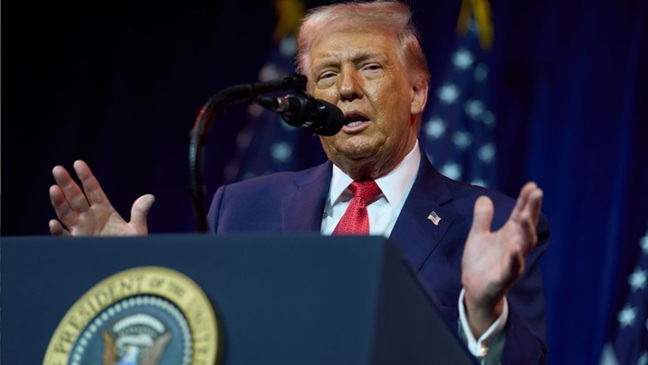
The United States has announced its withdrawal from the UN Framework Convention on Climate Change (UNFCCC) and more than 60 international treaties and organisations, citing misalignment with American national interests.

The exit covers major global climate institutions such as the Intergovernmental Panel on Climate Change (IPCC), the International Solar Alliance (ISA), and the International Renewable Energy Agency (IRENA). This follows the earlier decision by President Donald Trump to withdraw from the Paris Agreement, which will formally take effect after the mandatory one-year notice period. Together, these moves signal a near-total US disengagement from the global climate governance architecture, raising concerns over the future effectiveness of multilateral climate action.

Background: The United States in Global Climate Governance

The United States has historically played a central yet inconsistent role in global climate negotiations.

  • It was instrumental in shaping the UNFCCC, which established foundational principles such as common but differentiated responsibilities (CBDR).
  • However, its engagement has oscillated between leadership and withdrawal, depending on domestic political priorities.

The latest exit marks the most comprehensive retreat by the US from international climate institutions to date.

The United States’ Emissions Profile

Scale of Emissions

  • The US is among the top global emitters of greenhouse gases.
  • Territorial CO₂ emissions (2024): ~4.9 billion tonnes
    • ~12.7% of global emissions
  • Per-capita CO₂ emissions (2024): ~14.6 tonnes
    • Significantly higher than the global average

Historical Responsibility

  • Largest cumulative emitter of CO₂ from fossil fuels and industry
  • Accounts for approximately 24% of historical global emissions

Emissions Composition

  • Total GHG emissions (2022): ~6.3 billion tonnes CO₂-equivalent
  • Land use and forests offset about 13% as a net carbon sink

This emissions profile underscores the disproportionate impact of US climate policy choices on global outcomes.

US and Climate Action: A Longstanding Love–Hate Relationship

Early Leadership, Limited Commitment

  • The US helped conceptualise the UNFCCC
  • However, it never ratified the Kyoto Protocol, citing economic concerns over binding emission targets

Architect of Paris, Weak on Delivery

  • The US played a pivotal role in shaping the Paris Agreement
  • Yet, its domestic emissions reductions and climate finance commitments remained modest

Pre-Trump Engagement

  • While imperfect, earlier administrations:
    • Accepted climate science
    • Invested heavily in climate research
    • Promoted clean energy and green investments

Trump Era: From Ambivalence to Undermining

  • Open climate scepticism
  • Withdrawal from agreements
  • Severe cuts to climate research funding
  • Downsizing of scientific agencies

These actions weakened global confidence in sustained US climate leadership.

Fallout of the US Exit from Global Climate Institutions

Immediate Impact: Limited but Symbolic

  • The world was already off-track on 2030 climate targets
  • US contributions to recent multilateral climate action were limited
  • Hence, short-term emissions trajectories may not change dramatically

Long-Term Risks

  • Prolonged US absence could:
    • Undermine multilateral trust
    • Delay collective action
    • Weaken scientific coordination

Geopolitical Consequences

  • The US risks ceding leadership to China, which is rapidly expanding:
    • Renewable energy manufacturing
    • Clean technology supply chains
    • Climate diplomacy influence

Renewable Energy Transition: An Irreversible Momentum

Despite US withdrawal:

  • Most countries are committed to renewables for:
    • Energy security
    • Cost competitiveness
  • Solar and wind power are now economically viable
  • Expanding fossil fuel production may slow, but not reverse, the transition

By stepping back, the US risks:

  • Losing technological leadership
  • Undermining its long-term economic and geopolitical interests

Impact on India’s Climate and Energy Transition

Short-Term Relief

  • Reduced diplomatic pressure on India for rapid decarbonisation
  • Greater policy space to balance development and climate goals

Medium- to Long-Term Risks

  • Increased uncertainty in global climate finance
  • Potential slowdown in clean technology investments

Setback to India–US Climate Cooperation

Prior to the Trump administration’s renewed withdrawal:

  • India–US climate cooperation was strong
  • Collaboration covered:
    • Solar energy
    • Grid modernisation
    • Clean technology innovation

The current disengagement is expected to:

  • Stall joint initiatives
  • Force India to diversify partnerships

International Solar Alliance and Funding Gaps

  • The US has exited the International Solar Alliance (ISA), co-founded by India and France at COP21.
  • Although the US joined the ISA in 2021 as its 101st member, it:
    • Did not provide financial support
  • Proposed annual membership fees (2025) remain unimplemented

This raises concerns over:

  • Funding predictability
  • Momentum of ISA-led initiatives

Way Forward for India

  • Deepening cooperation with:
    • EU
    • Japan
    • Global South partners
  • Strengthening domestic clean energy ecosystems
  • Leveraging multilateral platforms where momentum remains strong
  • Reducing over-dependence on any single global partner

FAQs

1. Which climate institutions has the US withdrawn from ?

The US has exited the UNFCCC, IPCC, ISA, IRENA, and several other international climate bodies.

2. Why is the US withdrawal significant globally ?

As a major emitter and historical contributor to climate change, US disengagement weakens multilateral climate cooperation.

3. Does this slow the global energy transition ?

Not fundamentally. Renewable energy momentum remains strong, though leadership and financing may be affected.

4. How does this affect India in the short term ?

It eases immediate pressure on India but introduces uncertainty in climate finance and technology partnerships.

5. What happens to the International Solar Alliance after the US exit ?

While the US contributed little financially, its exit raises questions about long-term funding and political momentum.

Samagra Shiksha 3.0 Unveiled: Charting the Next Phase of India’s School Education Reforms

Prelims: (Science & Technology + CA)
Mains: (GS 2 - Governance, Education)

Why in News ?

The Union Government has initiated nationwide consultations with States, Union Territories, and key stakeholders to prepare a roadmap for Samagra Shiksha 3.0, scheduled to be rolled out from the 2026–27 academic cycle. The exercise aims to align India’s school education framework with five years of NEP 2020 implementation and the broader national vision of Viksit Bharat @2047.

Background: Evolution of Samagra Shiksha

Integrated Approach to School Education

Samagra Shiksha is a centrally sponsored scheme covering the entire school education continuum, from pre-primary to senior secondary level.

  • Launched in 2018
  • It subsumed:
    • Sarva Shiksha Abhiyan (SSA)
    • Rashtriya Madhyamik Shiksha Abhiyan (RMSA)
    • Teacher Education schemes

This marked a decisive shift from fragmented interventions to a holistic, lifecycle-based approach to education.

Transition to Samagra Shiksha 3.0

Samagra Shiksha 3.0 represents the next reform phase, building on:

  • NEP 2020 principles
  • Learning from pandemic-era disruptions
  • India’s long-term demographic and economic aspirations

Core Objectives of Samagra Shiksha 3.0

The proposed framework seeks to achieve:

  • Universal enrolment up to Class XII
  • Reduction in dropout rates, especially at secondary level
  • Improvement in foundational and grade-level learning outcomes
  • Strengthening teacher capacity and school leadership
  • Ensuring equity for socio-economically disadvantaged groups

Key Focus Areas Under Samagra Shiksha 3.0

1. Access and Infrastructure

  • Bridging regional and social disparities
  • Strengthening school infrastructure in remote and aspirational districts

2. Quality of Learning

  • Age-appropriate learning benchmarks
  • Curriculum equivalence across education boards
  • Shift towards competency-based assessments

3. Teacher Capacity Building

  • Continuous professional development
  • Pedagogical reforms aligned with NEP
  • Leadership training for school heads

4. Digital Education

  • Integration of digital platforms in classrooms
  • Use of Artificial Intelligence for personalised learning
  • Blended and hybrid learning models

5. Equity and Inclusion

  • Focused support for:
    • Girls
    • Children with disabilities
    • SC/ST students
    • Learners in aspirational districts

Governance and Planning Approach

Bottom-Up and Consultative Model

A major shift under Samagra Shiksha 3.0 is the emphasis on decentralised, consultative planning.

  • States and UTs encouraged to prepare robust annual plans
  • Planning grounded in:
    • Local school realities
    • District-level data
    • Community participation

Convergence and Coordination

  • Greater convergence among:
    • Central Ministries
    • State governments
    • Civil society and experts
  • Aim: improve efficiency, reduce duplication, and enhance outcomes

News Summary: Key Consultation Outcomes

A high-level consultation in New Delhi brought together:

  • State Education Secretaries
  • State Project Directors
  • Central ministries
  • Education experts and practitioners

Major Themes of Deliberation

  • Bridging learning gaps aggravated by the pandemic
  • Integrating nutrition and learning outcomes
  • Embedding vocational education and skilling pathways within schools
  • Leveraging digital tools and AI for personalised education
  • Reimagining schools as agents of social and economic transformation

Alignment with National Development Goals

The consultations underscored that human capital development is central to India’s growth trajectory.

Strengthening school education was identified as the foundation for:

  • A skilled workforce
  • Social mobility
  • Inclusive and sustainable development

Outcome-Oriented Vision of Samagra Shiksha 3.0

The proposed framework aims to be:

  • Globally competitive, yet rooted in Indian values
  • Responsive to regional and learner diversity
  • Outcome-driven, with measurable learning indicators
  • Society-centric, encouraging community participation in school governance

Road Ahead

States have been urged to treat the 2026–27 planning cycle as a national movement, not a routine administrative exercise.

The convergence of:

  • Best practices
  • Technological innovation
  • Cooperative federalism

is expected to reshape India’s school education ecosystem over the coming decade.

FAQs

1. What is Samagra Shiksha 3.0 ?

It is the next phase of India’s integrated school education scheme, aligned with NEP 2020 and Viksit Bharat @2047 goals.

2. How is Samagra Shiksha 3.0 different from earlier versions ?

It places stronger emphasis on learning outcomes, digital education, bottom-up planning, and vocational integration.

3. Which levels of education does Samagra Shiksha cover ?

It covers education from pre-primary to senior secondary level.

4. Why is digital education central to Samagra Shiksha 3.0 ?

To personalise learning, bridge access gaps, and improve efficiency using technology and AI tools.

5. How does Samagra Shiksha 3.0 support cooperative federalism ?

By encouraging States and UTs to design locally relevant plans aligned with national priorities through consultations.

Kamala Hydropower Cleared: Boosting Energy Security and Flood Control in the Eastern Himalayas

Prelims: (Economy + CA)
Mains: (GS 2 - Governance; GS 3 - Economy, Energy Security, Disaster Management, Environment)

Why in News ?

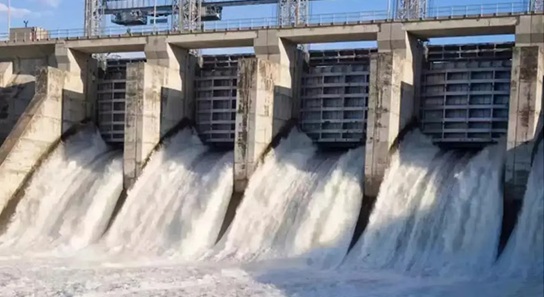
The Public Investment Board (PIB) has recently approved the ₹26,070-crore Kamala Hydroelectric Project with an installed capacity of 1,720 MW in Arunachal Pradesh. The project represents a major step in India’s push to harness hydropower potential in the North-Eastern region, while simultaneously addressing flood moderation challenges in the Brahmaputra valley.

Background: Hydropower Development in Arunachal Pradesh

Arunachal Pradesh possesses nearly one-third of India’s untapped hydropower potential, owing to its mountainous terrain and perennial rivers originating in the Eastern Himalayas.

Policy Context

  • Hydropower is a key pillar of India’s:
    • Renewable energy transition
    • Grid stability and peaking power needs
  • The North-East has been prioritised under:
    • National hydropower development plans
    • Regional infrastructure and connectivity initiatives

Despite its vast potential, hydropower development in the region has faced challenges related to terrain, ecology, financing, and state participation, necessitating innovative implementation models.

About the Kamala Hydroelectric Project

The Kamala Hydroelectric Project is a large storage-based hydropower scheme proposed on the Kamala River, a major tributary of the Subansiri River, in Kamle district of Arunachal Pradesh.

Key Technical Features

  • Installed Capacity: 1,720 MW
  • Estimated Cost: ₹26,070 crore
  • River: Kamala River (Subansiri basin)
  • Type: Storage-based hydroelectric project

Structural and Design Components

  • Dam Type: Concrete gravity dam
  • Powerhouse: Underground powerhouse
  • Scheme Nature: Multipurpose, with both power generation and flood moderation objectives

The storage component allows controlled water release, making the project suitable for both electricity generation and downstream flood management.

Flood Moderation and Regional Significance

Flood Control Role

  • The project includes a flood moderation component
  • Aims to:
    • Regulate excess monsoon flows
    • Reduce flood intensity in the Brahmaputra valley, which frequently experiences devastating floods

Strategic Importance

  • Enhances disaster resilience in Assam and downstream regions
  • Integrates energy infrastructure with disaster management objectives

Implementation Model: BOOT-Based PPP Framework

The project will be implemented under a Build-Own-Operate-Transfer (BOOT) model through a joint venture company.

Equity Structure

  • NHPC: 74% equity
  • Government of Arunachal Pradesh (GoAP): 26% equity

Significance of the Model

  • Reduces financial burden on the state
  • Ensures technical expertise through NHPC
  • Provides revenue and long-term ownership transfer benefits to the state

Why the Project Matters

Energy Security

  • Contributes to India’s renewable energy targets
  • Provides reliable base-load and peaking power
  • Supports grid stability as renewable penetration increases

Regional Development

  • Infrastructure creation in a remote district
  • Employment generation during construction and operation
  • Strengthens Centre–State cooperation in strategic sectors

Environmental and Governance Considerations

Environmental Aspects

  • Storage-based projects have:
    • Greater ecological footprints than run-of-the-river projects
  • Require:
    • Rigorous environmental impact assessments
    • Biodiversity safeguards
    • Resettlement and rehabilitation measures

Governance Challenges

  • Balancing development with ecological sensitivity
  • Ensuring transparent project execution
  • Addressing local community concerns

Way Forward

  • Strengthening environmental monitoring mechanisms
  • Ensuring fair compensation and rehabilitation
  • Leveraging hydropower for integrated river basin management
  • Enhancing disaster-resilient infrastructure planning in the North-East

FAQs

1. What is the Kamala Hydroelectric Project ?

It is a 1,720 MW storage-based hydropower project proposed on the Kamala River in Arunachal Pradesh.

2. Which river basin does the project belong to ?

It is part of the Subansiri River basin, a major tributary system of the Brahmaputra.

3. What is the significance of the project beyond power generation ?

It includes a flood moderation component aimed at reducing floods in the Brahmaputra valley.

4. Who will implement the Kamala Hydroelectric Project ?

It will be implemented through a BOOT-based joint venture with NHPC holding 74% and the Government of Arunachal Pradesh 26% equity.

5. Why is Arunachal Pradesh important for India’s hydropower strategy ?

The state has vast untapped hydropower potential due to its Himalayan rivers and terrain.

Weimar Triangle Explained: India’s First Outreach to a Key European Trilateral

Prelims: (International Relations + CA)
Mains: (GS 2: International Relations, India–Europe Relations, Multilateral & Mini lateral Diplomacy)

Why in News ?

India’s External Affairs Minister recently participated in India’s first-ever engagement with the Weimar Triangle, holding discussions with counterparts from France and Poland, along with representatives from Germany.

This engagement marks a significant step in India’s expanding diplomatic outreach to European minilateral groupings, amid shifting geopolitical dynamics and growing convergence between India and Europe on security, energy, and global governance issues.

Background: Emergence of the Weimar Triangle

The Weimar Triangle is a regional political cooperation framework involving:

  • France
  • Germany
  • Poland

It was established through a joint declaration in 1991 in Weimar, Germany, issued by the Foreign Ministers of the three countries in the immediate aftermath of the Cold War.

Historical Context

  • Europe in the early 1990s was undergoing:
    • German reunification
    • Democratic transition in Central and Eastern Europe
    • Redefinition of NATO and EU security architectures
  • Poland sought integration with Western institutions after decades under the Soviet sphere of influence.

The Weimar Triangle emerged as a confidence-building and reconciliation mechanism during this transformative phase.

Objectives of the Weimar Triangle

The grouping was founded with three core objectives:

  1. Franco–German–Polish Reconciliation
    • To involve France in the reconciliation process between Germany and Poland
    • Built upon the successful Franco-German post-war reconciliation model
  2. Strengthening Political Dialogue
    • To institutionalise regular political consultations
    • Enable coordination on European security, foreign policy, and integration
  3. Supporting Poland’s Western Integration
    • Facilitate Poland’s accession to:
      • NATO (achieved in 1999)
      • European Union (achieved in 2004)

Evolution and Functioning of the Weimar Triangle

Nature of the Grouping

  • Non-institutional and flexible
  • No permanent secretariat or treaty-based structure
  • Operates through political consensus and dialogue

Levels of Engagement

Regular interactions take place among:

  • Heads of government
  • Foreign ministers
  • Ministers for European affairs

Key Outcomes

  • Policy coordination within the EU framework
  • Support for NATO enlargement
  • Dialogue on:
    • European security
    • Russia–Ukraine conflict
    • Energy security
    • Democratic resilience

Beyond Diplomacy: Societal and Economic Dimensions

The Weimar Triangle extends beyond formal diplomacy to include:

  • Civil society cooperation
  • Youth exchanges
  • Academic collaborations
  • Business and economic networks

These initiatives aim to:

  • Promote intercultural dialogue
  • Enhance people-to-people contacts
  • Improve mobility within Europe

Significance of India’s Engagement with the Weimar Triangle

Strategic Importance for India

India’s engagement with the Weimar Triangle reflects:

  • A shift towards minilateral diplomacy
  • Deepening engagement with continental Europe, beyond bilateral ties
  • Recognition of Poland’s growing strategic relevance within the EU and NATO

Geopolitical Context

  • Europe is reassessing its strategic autonomy amid:
    • Russia–Ukraine war
    • Energy insecurity
    • Transatlantic uncertainties
  • India is seen as:
    • A reliable strategic partner
    • A key Indo-Pacific stakeholder
    • An important voice of the Global South

Why This Matters for India–Europe Relations

  • Enhances India’s diplomatic footprint in Europe
  • Strengthens engagement with EU’s core political actors
  • Complements India’s existing partnerships with:
    • France (strategic partnership)
    • Germany (strategic partnership)
    • Poland (emerging defence and economic ties)

This engagement also aligns with India’s broader objective of issue-based coalitions rather than rigid alliances.

Global Context: Rise of Minilateral Groupings

The Weimar Triangle exemplifies a broader trend of flexible, issue-driven groupings, such as:

  • Quad (Indo-Pacific)
  • AUKUS
  • I2U2

These platforms allow countries to:

  • Coordinate without formal institutional constraints
  • Respond rapidly to emerging challenges
  • Preserve strategic autonomy

Challenges and Limitations of the Weimar Triangle

Lack of Institutional Structure

  • No binding mechanisms for implementation
  • Depends heavily on political will

Internal EU Differences

  • Divergent threat perceptions among members
  • Varied approaches to Russia and defence spending

Inconsistent Momentum

  • Periods of inactivity due to domestic political changes

Way Forward

  • Renewed political commitment among members
  • Focus on shared priorities such as:
    • European security
    • Defence cooperation
    • Energy transition
  • Expanding external dialogue with partners like India can:
    • Increase the grouping’s global relevance
    • Strengthen EU–India strategic convergence

FAQs

1. What is the Weimar Triangle ?

It is a political cooperation framework involving France, Germany, and Poland, established in 1991 to promote reconciliation, dialogue, and European integration.

2. Does the Weimar Triangle have a formal institutional structure ?

No. It is a non-institutional, flexible grouping without a permanent secretariat.

3. Why is India’s engagement with the Weimar Triangle significant ?

 It marks India’s first interaction with this European minilateral grouping and reflects India’s expanding diplomatic engagement with Europe.

4. What role did the Weimar Triangle play in Poland’s integration with the West ?

It supported Poland’s accession to NATO in 1999 and the EU in 2004 through sustained political backing.

5. How does the Weimar Triangle fit into current global diplomacy ?

It represents the growing importance of minilateral, issue-based cooperation in addressing complex geopolitical challenges.

M-STrIPES in Action: Strengthening India’s Tech-Driven Tiger Conservation

Prelims: (Environment + CA)
Mains: (GS 3: Environment, Biodiversity Conservation, Science & Technology)

Why in News ?

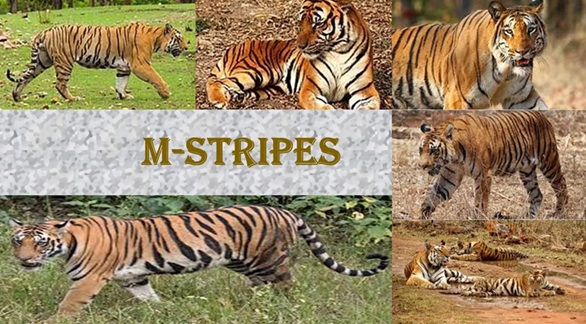
Forest staff involved in the upcoming tiger and wildlife census at the Anamalai Tiger Reserve will be using the Monitoring System for Tigers: Intensive Protection and Ecological Status (M-STrIPES) mobile application. The move highlights India’s increasing reliance on technology-enabled conservation tools to improve wildlife monitoring, protection, and management of protected areas.

Background: India’s Tiger Conservation Framework

India is home to nearly three-fourths of the world’s wild tiger population, making effective monitoring and protection critical.

Institutional Context

  • Project Tiger was launched in 1973 to conserve tiger populations and habitats.
  • The National Tiger Conservation Authority (NTCA) was established under the Wildlife (Protection) Act, 1972, to provide statutory backing to tiger conservation.
  • Over time, conservation strategies evolved from manual patrols to data-driven and technology-assisted monitoring systems.

It was in this context that M-STrIPES was introduced to enhance ground-level protection and ecological assessment.

What is M-STrIPES ?

The Monitoring System for Tigers: Intensive Protection and Ecological Status (M-STrIPES) is a software-based wildlife monitoring system designed to assist in the patrolling, protection, and ecological assessment of tiger habitats.

Launch and Development

  • Launched in 2010
  • Developed by:
    • National Tiger Conservation Authority (NTCA)
    • Wildlife Institute of India (WII)

Objectives of M-STrIPES

  • Strengthen anti-poaching efforts
  • Enable real-time monitoring of forest patrols
  • Improve scientific management of Protected Areas
  • Support evidence-based decision-making in tiger reserves

Key Components of the M-STrIPES System

1. Analytical and Desktop Platform

  • Centralised desktop software
  • Online analysis tools
  • Used for:
    • Data storage
    • Spatial and statistical analysis
    • Generating management insights

2. Mobile-Based Field Application

  • Android-based application
  • Used by frontline forest staff
  • Enables:
    • Recording wildlife sightings
    • Tracking patrol routes
    • Uploading data using real-time GPS

Technologies Used in M-STrIPES

  • Global Positioning System (GPS) – tracks patrol routes and locations
  • General Packet Radio Services (GPRS) – enables data transmission
  • Remote Sensing – supports habitat and landscape analysis
  • Geographic Information Systems (GIS) – spatial mapping of wildlife data
  • Statistical Tools – trend analysis and risk assessment

How M-STrIPES Works on the Ground

Role of Forest Guards

  • Forest guards patrol their assigned beats
  • Each patrol involves:
    • Recording GPS tracks
    • Logging animal sightings
    • Noting signs of threats like poaching or encroachment
  • Data is uploaded and analysed centrally

What is a Beat ?

  • A beat is the smallest administrative unit of forest management in India
  • Originates from the British forest administration system
  • Typically:
    • One forest guard is responsible for one beat

Significance of M-STrIPES in Wildlife Management

  • Enhances accountability of patrol staff
  • Enables real-time situational awareness
  • Helps identify:
    • Poaching hotspots
    • Animal movement patterns
    • Habitat degradation
  • Improves coordination between:
    • Field staff
    • Reserve managers
    • Policy authorities

Anamalai Tiger Reserve: Ecological Context

Location

  • Situated in the Anamalai Hills
  • Lies south of the Palakkad Gap
  • Part of the Southern Western Ghats

Surrounding Protected Areas

  • Parambikulam Tiger Reserve (east)
  • Chinnar Wildlife Sanctuary
  • Eravikulam National Park (south-west)

Biodiversity of Anamalai Tiger Reserve

Indigenous Communities

The reserve is inhabited by six indigenous communities:

  • Kadar
  • Muduvar
  • Malasar
  • Malai Malasar
  • Eravalar
  • Pulayar

Vegetation Types

  • Wet evergreen forests
  • Semi-evergreen forests
  • Moist deciduous forests
  • Dry deciduous and thorn forests
  • Shola forests
  • Montane grasslands, savannahs, and marshy grasslands

Flora

  • Rich in wild relatives of cultivated plants:
    • Mango
    • Jackfruit
    • Wild plantain
    • Ginger, turmeric
    • Pepper, cardamom

Fauna

  • Tiger
  • Asiatic elephant
  • Sambar
  • Spotted deer
  • Barking deer
  • Leopard
  • Jackal
  • Jungle cat

Why M-STrIPES Matters for Tiger Census

  • Ensures scientific accuracy in population estimation
  • Reduces manual errors
  • Integrates protection and monitoring with census activities
  • Strengthens India’s reputation as a global leader in tiger conservation

Challenges and the Way Forward

Challenges

  • Dependence on digital connectivity in remote areas
  • Need for regular training of frontline staff
  • Data security and system maintenance

Way Forward

  • Strengthening digital infrastructure in forest areas
  • Continuous capacity building of forest personnel
  • Integration with other wildlife databases and AI-based analytics

FAQs

1. What is M-STrIPES ?

M-STrIPES is a technology-based monitoring system used for patrolling, protection, and ecological assessment of tiger reserves.

2. Who developed and launched M-STrIPES ?

It was launched in 2010 by the NTCA in collaboration with the Wildlife Institute of India.

3. How does M-STrIPES help in tiger conservation ?

It enables real-time tracking of patrols, scientific data collection, and better management of tiger habitats.

4. What technologies are used in M-STrIPES ?

GPS, GPRS, remote sensing, GIS, and statistical analysis tools.

5. Why is M-STrIPES important for Anamalai Tiger Reserve ?

It improves the accuracy of wildlife census and strengthens protection in a biodiversity-rich and ecologically sensitive landscape.

« »
  • SUN
  • MON
  • TUE
  • WED
  • THU
  • FRI
  • SAT
Have any Query?

Our support team will be happy to assist you!

OR
X