New
Civil Services Day Offer - Valid Till : 23rd April GS Foundation (P+M) - Delhi : 4th May 2026, 11:30 AM GS Foundation (P+M) - Prayagraj : 4th May 2026, 5:30PM Civil Services Day Offer - Valid Till : 23rd April GS Foundation (P+M) - Delhi : 4th May 2026, 11:30 AM GS Foundation (P+M) - Prayagraj : 4th May 2026, 5:30PM

Current Affairs for 11 April 2026

Jyotirao Phule: How Did His Ideas Shape Social Reform and Education in India?

Prelims : Modern History, Social Reform Movements + CA
Mains : GS Paper 1 – Indian Society, Social Reform Movements; GS Paper 4 – Ethics (Social Justice, Equality)

Why in News ?

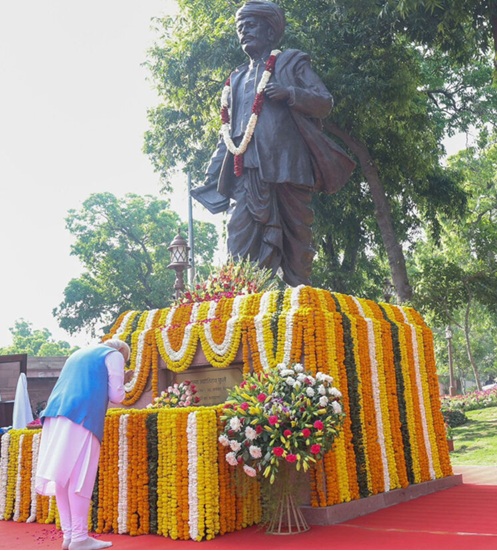
The Prime Minister paid tribute to Jyotirao Phule on his birth anniversary (April 11), marking the beginning of his 200th birth anniversary celebrations.

The occasion highlights his enduring contributions to social justice, education, and anti-caste movements in India.
Background and Context

Jyotirao Phule (1827–1890) was one of the earliest and most radical social reformers in 19th-century India.

Born in Pune in a lower-caste Mali family, he experienced caste discrimination firsthand, shaping his lifelong struggle against social inequality.

He was influenced by:

  • Liberal ideas like The Rights of Man
  • Anti-slavery movements in the West

Key Areas of Work

1. Education for the Marginalised

  • Opened the first girls’ school (1848) at Bhide Wada in Pune
  • Promoted education for : 
    • Women
    • Lower castes
    • Untouchables

His wife, Savitribai Phule, became India’s first female teacher and played a crucial role in this movement.

2. Women’s Empowerment

  • Established a home (1863) for :
    • Widows
    • Orphaned children
  • Challenged :
    • Widow oppression
    • Social stigma around women

3. Fight Against Caste System

  • Critiqued Brahminical dominance
  • Rejected texts like Manusmriti as tools of oppression
  • Linked caste exploitation with economic inequality

4. Formation of Satyashodhak Samaj

  • Founded in 1873
  • Objectives :
    • Uplift lower castes
    • Promote rational thinking
    • Remove priestly dominance
  • Introduced Satyashodhak marriages (without Brahmin priests)

5. Literary Contributions

Important works :

  • Gulamgiri (1873)
  • Shetkaryaca Asud (1883)
  • Sarvajanik Satyadharma Pustak (1889)

These writings exposed social injustice and exploitation.

Legacy and Recognition

  • Conferred the title “Mahatma” in 1888
  • Inspired B. R. Ambedkar, who considered him a major influence
  • Recognised as a pioneer of modern social reform in India

Key Highlights from Recent Tribute

1. Catalyst for Social Change

  • Emphasised internal reform within society
  • Inspired generations towards justice and equality

2. Central Role of Education

  • Education seen as a tool for empowerment
  • Focus on inclusive and accessible learning

3. Champion of Equality

  • Advocated dignity for : 
    • Farmers
    • Marginalised communities
    • Women

4. Role of Savitribai Phule

  • Pioneer of women’s education
  • Continued reform work and served society selflessly

5. Contemporary Relevance

  • Ideas linked to : 
    • Education reforms
    • Social justice policies
    • Inclusive development

Significance for Modern India

1. Social Justice Framework

  • Foundation for anti-caste movements
  • Influenced constitutional values of equality

2. Education as Empowerment

  • Basis for inclusive education policies
  • Focus on universal access to education

3. Gender Equality

  • Early advocate of women’s rights
  • Continues to inspire gender justice initiatives

Challenges in Realising His Vision

  • Persistent caste discrimination
  • Gender inequality
  • Gaps in access to quality education

Way Forward

  • Strengthen inclusive education systems
  • Promote social awareness and equality
  • Empower marginalised communities
  • Integrate Phule’s ideas into policy and governance

Practice Questions

Prelims

Q. Who founded the Satyashodhak Samaj ?
(a) Raja Ram Mohan Roy
(b) Jyotirao Phule
(c) Swami Dayanand Saraswati
(d) Ishwar Chandra Vidyasagar

Mains

“Jyotirao Phule’s ideas on education and social justice remain relevant in contemporary India.” Discuss.

FAQs

Q1. Who was Jyotirao Phule ?

A 19th-century social reformer who fought caste and gender inequality.

Q2. What is Satyashodhak Samaj ?

A social reform organisation founded in 1873 for equality and rationalism.

Q3. Why is Phule important for UPSC ?

He is central to social reform movements and modern Indian thought.

Q4. What was his role in education ?

He pioneered education for girls and marginalised communities.

Q5. Who was Savitribai Phule ?

India’s first female teacher and a key reformer in women’s education.

Shree Chamundeshwari Temple: What Are Its Architectural Features, Location, and Cultural Significance?

Prelims : Art & Culture + Geography + CA
Mains : GS Paper 1 – Indian Culture, Architecture

Why in News ?

Recent developments and debates regarding construction and infrastructure projects on Chamundi Hills have brought attention to the preservation of the Shree Chamundeshwari Temple and its surrounding heritage landscape.

Concerns have been raised about balancing tourism development and heritage conservation.
Background and Context

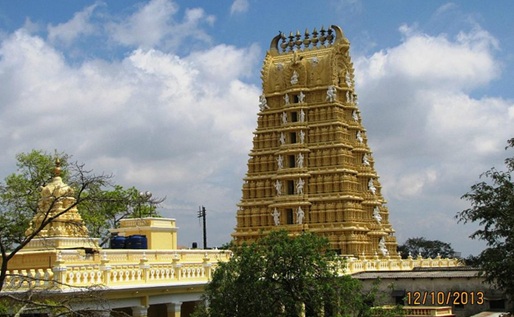
The Shree Chamundeshwari Temple is one of the most important Shakti Peethas in South India.

It is located atop Chamundi Hills in Mysuru, Karnataka.

The temple is dedicated to Goddess Chamundeshwari, a fierce form of Durga, regarded as the guardian deity of Mysuru.

Location

  • Situated at an altitude of ~1000 metres above sea level
  • Overlooks the city of Mysuru
  • Accessible via : 
    • Road
    • Traditional 1000-step stairway pilgrimage route

Architectural Features

1. Dravidian Style Architecture

The temple follows the Dravidian style, typical of South Indian temples :

  • Pyramid-shaped tower (Gopuram)
  • Intricate carvings and sculptures

2. Rajagopuram (Main Tower)

  • A seven-tiered gopuram
  • Decorated with detailed mythological figures
  • Acts as the most iconic visual element of the temple

3. Sanctum (Garbhagriha)

  • Houses the idol of Goddess Chamundeshwari
  • Idol is depicted as : 
    • Slayer of demon Mahishasura
    • Symbol of power and protection

4. Temple Complex

  • Includes smaller shrines and mandapas
  • Presence of a large Nandi statue on the hill pathway

Deity

  • Presiding deity : Goddess Chamundeshwari (form of Durga)
  • Associated with the legend of Mahishasura Mardini

The city name Mysuru is derived from Mahishasura.

Cultural and Religious Significance

1. Mysuru Dasara Festival

  • The temple plays a central role in the famous Dasara celebrations
  • Historically patronised by the Wodeyar dynasty

2. Pilgrimage Importance

  • One of the most visited temples in Karnataka
  • Attracts lakhs of devotees annually

3. Symbol of Regional Identity

  • Considered the protecting deity of Mysuru region
  • Integral to Karnataka’s cultural heritage

Latest Developments / Issues

1. Heritage vs Development Debate

  • Infrastructure projects under government schemes have sparked concerns
  • Issues include : 
    • Impact on heritage structures
    • Environmental degradation of hills

2. Conservation Concerns

  • Experts warn construction activities may violate heritage norms
  • Risk to temple’s architectural integrity and surrounding ecosystem

3. Administrative and Local Issues

  • Governance of temple area and development authorities under scrutiny
  • Debate on preserving sanctity vs improving tourist facilities

Significance for UPSC

1. Art & Culture

  • Example of Dravidian temple architecture

2. Geography

  • Hill temple + cultural landscape

3. Society & Heritage

  • Case study of: 
    • Heritage conservation
    • Religious tourism vs sustainability

Challenges

  • Balancing tourism with ecological protection
  • Preserving heritage structures
  • Managing large pilgrim influx

Way Forward

  • Adopt eco-sensitive tourism models
  • Strict enforcement of heritage protection laws
  • Involve local communities in conservation
  • Promote sustainable infrastructure

Practice Questions

Prelims

Q. Shree Chamundeshwari Temple is located in which state ?
(a) Tamil Nadu
(b) Karnataka
(c) Andhra Pradesh
(d) Kerala

Mains

“Discuss the architectural features and cultural significance of hill temples in India with reference to Chamundeshwari Temple.”

FAQs

Q1. Where is Chamundeshwari Temple located ?

On Chamundi Hills in Mysuru, Karnataka.

Q2. Which deity is worshipped here ?

Goddess Chamundeshwari (form of Durga).

Q3. What is its architectural style ?

Dravidian temple architecture.

Q4. Why is it important ?

It is the guardian deity temple of Mysuru and central to Dasara celebrations.

Q5. What are current concerns?

Heritage conservation vs development activities.

Great Nicobar Island Master Plan: Can Tourism Drive Sustainable Growth Amid Ecological Concerns?

Prelims : Geography +  Environment + CA
Mains : GS Paper 3 – Infrastructure, Environment, Sustainable Development; GS Paper 1 – Distribution of Resources

Why in News ?

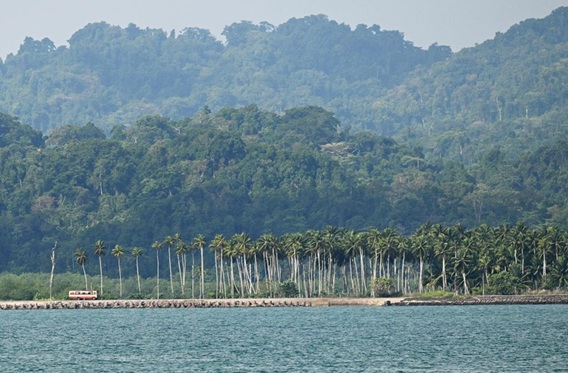
The draft master plan for the development of Great Nicobar Island has identified tourism as the primary growth driver for the island’s future development.

The plan is part of a mega infrastructure project aimed at transforming the island into an economic, strategic, and tourism hub.
Background and Context

Great Nicobar Island is India’s southernmost island, located in the Bay of Bengal and part of the Nicobar group.

The proposed development project, with an estimated cost of around ₹81,000 crore, includes:

  • International airport
  • Transshipment port
  • Power infrastructure
  • Greenfield coastal city

The plan aligns with India’s long-term vision of enhancing its strategic and economic presence in the Indo-Pacific region.

Key Features of the Draft Master Plan

1. Tourism as the Primary Growth Driver

The master plan identifies tourism and entertainment as the backbone of economic growth.

Key proposals include :

  • Resort clusters and beachfront tourism
  • Eco-tourism trails and wellness retreats
  • Gaming and entertainment hubs

Tourist inflow is projected to increase significantly, reaching over 7 lakh visitors by 2047.

2. Development of a Greenfield Coastal City

  • A new urban corridor stretching about 35 km along the eastern coast is proposed
  • Land use includes : 
    • Hotels, retail, and offices
    • Residential zones
    • Parks and open spaces

This integrated township will form the core of economic activity.

3. Multi-Sector Infrastructure Development

Key components :

  • International airport
  • Galathea Bay transshipment port
  • Renewable and gas-based power plants
  • Defence infrastructure

These aim to transform the island into a logistics, tourism, and strategic hub.

4. Cluster-Based Development Model

The plan divides the region into :

  • Tourism and entertainment cluster
  • Administrative and institutional cluster
  • Agro and seafood processing cluster
  • Special zones for defence and future expansion

5. Environmental Safeguards

  • Around 66 sq km designated as no-felling zone
  • Conservation of agricultural land
  • Promotion of eco-tourism and sustainable practices

However, significant forest diversion is still involved.

Significance of the Project

1. Economic Development

  • Boosts tourism-led growth
  • Generates employment and investment
  • Promotes regional development in remote island areas

2. Strategic Importance

  • Enhances India’s presence near key maritime routes like the Strait of Malacca
  • Strengthens defence and maritime security

3. Infrastructure Expansion

  • Improves connectivity through air and sea
  • Supports trade via transshipment hub

4. Promotion of Blue Economy

  • Encourages sustainable utilisation of marine resources
  • Integrates tourism, fisheries, and coastal development

Concerns and Challenges

1. Environmental Impact

  • Large-scale deforestation and habitat loss
  • Threat to biodiversity, including endemic species
  • Impact on coastal and marine ecosystems

2. Tribal Rights and Livelihoods

  • Indigenous communities like the Shompen and Nicobarese may be affected
  • Risk of displacement and cultural disruption

3. Disaster Vulnerability

  • Region lies in a seismically active zone prone to earthquakes and tsunamis

4. Sustainability Concerns

  • Balancing economic growth with ecological preservation remains a key challenge

Way Forward

  • Adopt a sustainable tourism model with strict environmental safeguards
  • Ensure free, prior, and informed consent of tribal communities
  • Strengthen environmental impact assessments and monitoring
  • Promote eco-sensitive infrastructure development
  • Integrate disaster-resilient planning

Practice Questions

Prelims

Q. Great Nicobar Island is located in :
(a) Arabian Sea
(b) Bay of Bengal
(c) Indian Ocean near Lakshadweep
(d) Gulf of Mannar

Mains

“Tourism-led development in ecologically sensitive regions presents both opportunities and challenges.” Discuss in the context of the Great Nicobar Island project.

FAQs

Q1. Where is Great Nicobar Island located ? 

In the Bay of Bengal, part of the Andaman and Nicobar Islands.

Q2. What is the main objective of the master plan ?

To develop the island as a tourism, logistics, and strategic hub.

Q3. Why is tourism important in the plan ?

It is identified as the primary driver of economic growth.

Q4. What are the major concerns ?

Environmental damage and impact on indigenous communities.

Q5. Why is the project strategically important ?

Due to its proximity to major international shipping routes.

NBFC-Upper Layer Framework: What Are RBI’s Proposed Changes and Their Implications?

Prelims : Economy + CA
Mains : GS Paper 3 – Indian Economy, Banking Reforms, Financial Stability

Why in News ?

The Reserve Bank of India has issued a draft framework to review the classification and regulatory requirements of NBFCs in the Upper Layer.

The move aims to strengthen regulation, improve risk management, and ensure financial stability in the non-banking financial sector.
Background and Context

Non-Banking Financial Companies (NBFCs) play a crucial role in credit delivery, especially in sectors underserved by banks.

The RBI had earlier introduced a scale-based regulatory (SBR) framework classifying NBFCs into :

  • Base Layer
  • Middle Layer
  • Upper Layer
  • Top Layer

The Upper Layer consists of systemically important NBFCs that require stricter regulatory oversight.

Key Features of the Draft Framework

1. Revision of Criteria for Upper Layer Classification

The Reserve Bank of India proposes refining parameters used to identify NBFCs in the Upper Layer.

Criteria may include :

  • Size of assets
  • Leverage
  • Interconnectedness
  • Complexity of operations

This ensures that only truly systemically important NBFCs are included.

2. Dynamic Movement Across Layers

NBFCs can move in and out of the Upper Layer based on evolving risk profiles.

This dynamic classification enhances regulatory flexibility and responsiveness.

3. Enhanced Regulatory Requirements

Upper Layer NBFCs are subject to stricter norms such as :

  • Higher capital adequacy requirements
  • Enhanced corporate governance standards
  • More rigorous disclosure norms

4. Strengthening Risk Management

The framework emphasises :

  • Better internal risk controls
  • Stress testing mechanisms
  • Improved asset-liability management

5. Alignment with Global Standards

The draft aims to align India’s NBFC regulation with international best practices in financial supervision.

Significance of the Framework

1. Financial Stability

  • Reduces systemic risks arising from large NBFCs
  • Prevents contagion effects in the financial system

2. Improved Governance

  • Promotes transparency and accountability
  • Strengthens investor confidence

3. Better Credit Ecosystem

  • Ensures sustainable lending practices
  • Enhances resilience of the NBFC sector

4. Regulatory Efficiency

  • Focuses supervisory resources on high-risk entities
  • Encourages prudent growth of NBFCs

Challenges

  • Compliance burden for NBFCs
  • Risk of over-regulation affecting credit flow
  • Implementation and monitoring complexities
  • Balancing growth with regulation

Way Forward

  • Gradual implementation to ease compliance burden
  • Continuous monitoring and periodic review of framework
  • Strengthening supervisory capacity of RBI
  • Encouraging adoption of best governance practices
  • Maintaining balance between regulation and credit growth

Practice Questions

Prelims

Q. Which of the following is the regulator of NBFCs in India ?
(a) SEBI
(b) RBI
(c) Ministry of Finance
(d) NABARD

Mains

“Discuss the significance of the scale-based regulatory framework for NBFCs in India. How can it contribute to financial stability?”

FAQs

Q1. What are NBFCs ?

Financial institutions that provide banking-like services without holding a banking licence.

Q2. What is the Upper Layer in NBFC classification ?

It consists of systemically important NBFCs requiring stricter regulation.

Q3. Why has RBI proposed this draft framework ?

To strengthen regulation and reduce systemic risk.

Q4. What is scale-based regulation ?

A framework that classifies NBFCs based on size and risk.

Q5. How will this impact the financial system ?

It will enhance stability, transparency, and risk management.

ALH MK-III Helicopter: What Are Its Features, Roles, and Strategic Significance?

Prelims : Science & Technology + CA
Mains : GS Paper 3 – Defence Technology, Internal Security

Why in News ?

The ALH MK-III Helicopter has been in news due to its increasing deployment in maritime and coast guard operations, highlighting its importance in surveillance and rescue missions.

Background and Context

The ALH Dhruv is an indigenously developed helicopter designed and manufactured by Hindustan Aeronautics Limited.

The MK-III variant is an advanced version primarily used by :
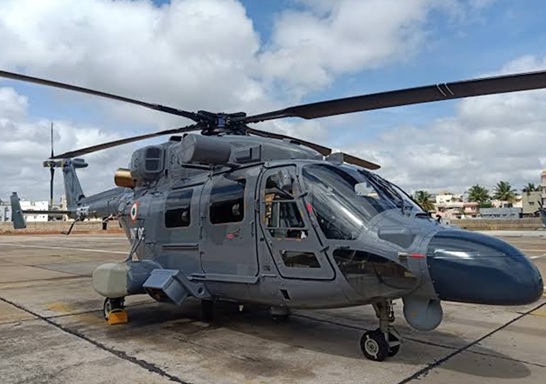
  • Indian Coast Guard
  • Indian Navy

Key Features of ALH MK-III

1. Advanced Avionics

  • Equipped with glass cockpit
  • Integrated avionics system for better navigation and control

2. All-Weather Capability

  • Capable of operating in : 
    • Day and night conditions
    • Adverse weather environments

3. Multi-Role Capability

  • Designed for diverse operations : 
    • Search and Rescue (SAR)
    • Medical evacuation (MEDEVAC)
    • Maritime surveillance

4. Enhanced Safety Systems

  • Features : 
    • Crashworthy structure
    • Advanced warning systems

5. High Endurance

  • Can operate over long distances
  • Suitable for offshore and coastal missions

Operational Uses

1. Maritime Surveillance

  • Monitoring coastal areas and Exclusive Economic Zone (EEZ)

2. Search and Rescue (SAR)

  • Rescue operations during : 
    • Natural disasters
    • Maritime emergencies

3. Medical Evacuation

  • Rapid evacuation of injured personnel

4. Disaster Relief

  • Deployed in floods, cyclones, and emergencies

5. Law Enforcement Support

  • Assists in anti-smuggling and anti-piracy operations

Significance for India

1. Boost to Indigenous Defence

  • Promotes Atmanirbhar Bharat in defence manufacturing

2. Maritime Security

  • Strengthens coastal surveillance and response capability

3. Strategic Capability

  • Enhances India’s readiness in the Indian Ocean Region (IOR)

4. Disaster Response

  • Improves quick response during humanitarian crises

Challenges

  • Maintenance and operational costs
  • Need for continuous technological upgrades
  • Integration with modern defence systems

Way Forward

  • Further modernisation of avionics and systems
  • Increase indigenous production and exports
  • Strengthen integration with defence networks
  • Enhance training and operational efficiency

Practice Questions

Prelims

Q. The ALH Dhruv helicopter is developed by which organisation ?
(a) DRDO
(b) ISRO
(c) HAL
(d) BEL

Mains

“Discuss the role of indigenously developed defence platforms like ALH MK-III in strengthening India’s maritime security.”

FAQs

Q1. What is ALH MK-III ?

An advanced version of India’s indigenously developed Dhruv helicopter.

Q2. Who manufactures it ?

Hindustan Aeronautics Limited (HAL).

Q3. What are its main uses ?

Surveillance, rescue, medical evacuation, and disaster relief.

Q4. Why is it important ?

It enhances India’s defence self-reliance and maritime security.

Q5. Which forces use it ?

Primarily Indian Coast Guard and Indian Navy.

« »
  • SUN
  • MON
  • TUE
  • WED
  • THU
  • FRI
  • SAT
Have any Query?

Our support team will be happy to assist you!

OR