Prelims : Modern History, Social Reform Movements + CA
Mains : GS Paper 1 – Indian Society, Social Reform Movements; GS Paper 4 – Ethics (Social Justice, Equality) |
Why in News ?
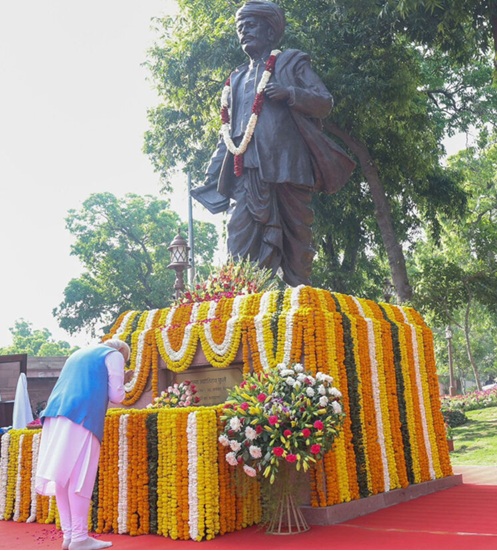
The Prime Minister paid tribute to Jyotirao Phule on his birth anniversary (April 11), marking the beginning of his 200th birth anniversary celebrations.
The occasion highlights his enduring contributions to social justice, education, and anti-caste movements in India.
Background and Context
Jyotirao Phule (1827–1890) was one of the earliest and most radical social reformers in 19th-century India.
Born in Pune in a lower-caste Mali family, he experienced caste discrimination firsthand, shaping his lifelong struggle against social inequality.
He was influenced by:
- Liberal ideas like The Rights of Man
- Anti-slavery movements in the West
Key Areas of Work
1. Education for the Marginalised
- Opened the first girls’ school (1848) at Bhide Wada in Pune
- Promoted education for :
- Women
- Lower castes
- Untouchables
His wife, Savitribai Phule, became India’s first female teacher and played a crucial role in this movement.
2. Women’s Empowerment
- Established a home (1863) for :
- Challenged :
- Widow oppression
- Social stigma around women
3. Fight Against Caste System
- Critiqued Brahminical dominance
- Rejected texts like Manusmriti as tools of oppression
- Linked caste exploitation with economic inequality
4. Formation of Satyashodhak Samaj
- Founded in 1873
- Objectives :
- Uplift lower castes
- Promote rational thinking
- Remove priestly dominance
- Introduced Satyashodhak marriages (without Brahmin priests)
5. Literary Contributions
Important works :
- Gulamgiri (1873)
- Shetkaryaca Asud (1883)
- Sarvajanik Satyadharma Pustak (1889)
These writings exposed social injustice and exploitation.
Legacy and Recognition
- Conferred the title “Mahatma” in 1888
- Inspired B. R. Ambedkar, who considered him a major influence
- Recognised as a pioneer of modern social reform in India
Key Highlights from Recent Tribute
1. Catalyst for Social Change
- Emphasised internal reform within society
- Inspired generations towards justice and equality
2. Central Role of Education
- Education seen as a tool for empowerment
- Focus on inclusive and accessible learning
3. Champion of Equality
- Advocated dignity for :
- Farmers
- Marginalised communities
- Women
4. Role of Savitribai Phule
- Pioneer of women’s education
- Continued reform work and served society selflessly
5. Contemporary Relevance
- Ideas linked to :
- Education reforms
- Social justice policies
- Inclusive development
Significance for Modern India
1. Social Justice Framework
- Foundation for anti-caste movements
- Influenced constitutional values of equality
2. Education as Empowerment
- Basis for inclusive education policies
- Focus on universal access to education
3. Gender Equality
- Early advocate of women’s rights
- Continues to inspire gender justice initiatives
Challenges in Realising His Vision
- Persistent caste discrimination
- Gender inequality
- Gaps in access to quality education
Way Forward
- Strengthen inclusive education systems
- Promote social awareness and equality
- Empower marginalised communities
- Integrate Phule’s ideas into policy and governance
Practice Questions
Prelims
Q. Who founded the Satyashodhak Samaj ?
(a) Raja Ram Mohan Roy
(b) Jyotirao Phule
(c) Swami Dayanand Saraswati
(d) Ishwar Chandra Vidyasagar
Mains
“Jyotirao Phule’s ideas on education and social justice remain relevant in contemporary India.” Discuss.
FAQs
Q1. Who was Jyotirao Phule ?
A 19th-century social reformer who fought caste and gender inequality.
Q2. What is Satyashodhak Samaj ?
A social reform organisation founded in 1873 for equality and rationalism.
Q3. Why is Phule important for UPSC ?
He is central to social reform movements and modern Indian thought.
Q4. What was his role in education ?
He pioneered education for girls and marginalised communities.
Q5. Who was Savitribai Phule ?
India’s first female teacher and a key reformer in women’s education.
|





 Contact Us
  New Batch : 9555124124/ 7428085757
  Tech Support : 9555124124/ 7428085757