Current Affairs for 15 October 2026

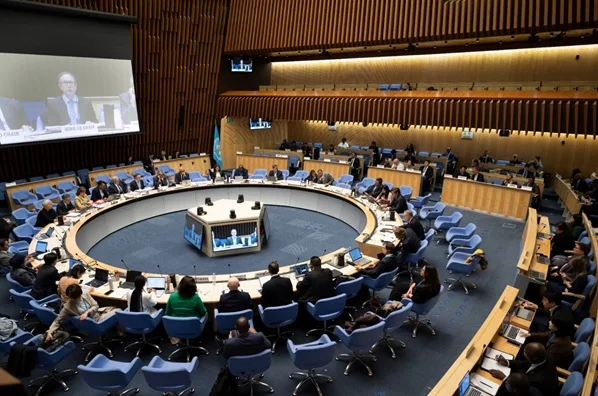
WHO Pandemic Agreement: Key Provisions, PABS Framework and Significance for India

Prelims: World Health Organization, World Health Assembly, WHO Pandemic Agreement, Pathogen Access and Benefit-Sharing, One Health, International Health Regulations, TRIPS.
Mains: GS Paper II – International Institutions, Global Health Governance, Issues Relating to Health, India and the Global South; GS Paper III – Biotechnology, Intellectual Property Rights and Health Security.
Keywords: WHO Pandemic Agreement, Pandemic Treaty, PABS Annex, Pandemic Preparedness, Equitable Vaccine Access, One Health Approach, Global Health Security, India’s Vaccine Manufacturing.

Why in News?

  • On 12 October 2026, the United Nations General Assembly adopted the Political Declaration on Pandemic Prevention, Preparedness and Response (PPPR), following its consideration at the high-level meeting on 25 September 2026.
  • The declaration renewed political support for stronger health systems, equitable access to medical products and sustained investment in pandemic preparedness.

What Is the WHO Pandemic Agreement?

  • The WHO Pandemic Agreement is an international treaty designed to improve cooperation in preventing, preparing for and responding to pandemics.
  • Its central objective is to ensure that access to vaccines, medicines, diagnostics and other essential resources is more equitable during future emergencies.
  • Adoption does not mean that the agreement is already in force. The PABS annex must first be adopted, enabling signature and subsequent ratification. 

Pathogen Access and Benefit-Sharing System

The proposed PABS system links two responsibilities:

  • Rapid sharing of pathogen materials and genetic sequence information.
  • Fair access to vaccines, therapeutics and diagnostics developed using those resources.

Access to Pandemic-Related Medical Products

During a pandemic emergency, the agreement envisages participating manufacturers providing WHO with rapid access targeting 20% of their real-time production of relevant vaccines, therapeutics and diagnostics.

The arrangement includes:

  • A minimum of 10% of real-time production as donations.
  • The remaining percentage towards the target being made available at affordable prices.
  • Allocation guided by public-health risks and needs.

The provision should not be described as a universal requirement that every pharmaceutical company must donate 20% of its production.

One Health Approach

The agreement promotes a One Health approach, recognising the connections between human, animal and environmental health.

Its preventive focus includes:

  • Stronger coordination between health, veterinary and environmental authorities.
  • Improved surveillance of diseases with pandemic potential.
  • Identification of factors contributing to disease emergence and transmission.

For India, this approach is particularly relevant to coordination across public health, livestock management, wildlife protection and environmental monitoring.

Stronger Health Systems and Workforce

  • Pandemic preparedness requires functioning health systems as well as medical supplies.
  • The agreement addresses health-system resilience and the protection of health and care workers, including their safety and well-being.
  • Practical priorities include adequate staffing, laboratory capacity, primary healthcare, emergency planning and reliable access to essential services.

Research, Technology Transfer and Manufacturing

  • The framework promotes research cooperation and more geographically diversified production of pandemic-related health products.
  • Technology transfer is pursued on mutually agreed terms, while existing rights and obligations under other international agreements remain relevant.
  • For developing countries, access to manufacturing expertise, trained personnel and production technology is crucial alongside access to patents.

Supply Chains and Financing

  • The agreement provides for a Global Supply Chain and Logistics Network and a Coordinating Financial Mechanism to support implementation.
  • These arrangements aim to improve access to essential products and strengthen preparedness financing, particularly for developing countries. Their effectiveness will depend on operational arrangements and sustained support. 

National Sovereignty

  • The agreement does not give WHO authority to impose domestic lockdowns, vaccination mandates or national legislation.
  • Countries retain responsibility for their health policies and constitutional processes. International cooperation under the agreement therefore operates alongside national decision-making.

Pandemic Agreement and UN Political Declaration: Key Differences

Basis

WHO Pandemic Agreement

UN Political Declaration on PPPR

Nature

International treaty

Non-binding political commitment

Institutional platform

World Health Assembly

UN General Assembly

Main purpose

Establish a framework for sustained pandemic cooperation

Mobilise political leadership and collective action

Legal effect

Binding on parties once applicable entry-into-force requirements are met

Does not itself create treaty obligations

Relationship

Provides the treaty framework

Reinforces political support for implementation and preparedness

The International Health Regulations (IHR) remain a complementary framework for international public-health emergency detection, notification and response. 

Significance

  1. Promotes Equity in Global Health: Linking pathogen sharing with access to medical products can help address the unequal distribution of benefits witnessed during COVID-19.
  2. Encourages Preparedness Before Emergencies: Sustained investment in surveillance, healthcare workers and laboratories can reduce dependence on improvised responses after an outbreak spreads.
  3. Strengthens Collective Health Security: Infectious diseases cross borders. Better coordination and timely information-sharing can support earlier detection and more effective responses.
  4. Supports Regional Production Capacity: A wider manufacturing base could reduce excessive dependence on a limited number of suppliers and improve access during global shortages.
  5. Connects Health with Development: Pandemic preparedness also protects livelihoods, education, trade and public finances, making it an important component of development policy.

Challenges

  1. Unresolved PABS Arrangements: Negotiations must reconcile rapid scientific access with credible and timely benefit-sharing. WHO’s October 2026 update confirms that finalising the annex remains an outstanding step. 
  2. Technology-Transfer Barriers: Agreement on licensing terms may not automatically provide the practical expertise and production capacity needed to manufacture complex medical products.
  3. Uncertain Financing: Preparedness requires continuous expenditure. Political commitments may deliver limited results unless supported by predictable funding.
  4. Unequal Implementation Capacity: Countries differ considerably in their laboratory infrastructure, regulatory capacity, health workforce and financial resources.
  5. Supply Nationalism: During emergencies, domestic political pressure may encourage stockpiling and restrictive trade measures, complicating equitable international distribution.
  6. Accountability and Public Trust: Implementation depends on credible reporting, transparent allocation and cooperation. Misleading claims about WHO’s powers can further weaken public support.

Conclusion

The WHO Pandemic Agreement offers an opportunity to make global pandemic cooperation more equitable and reliable. Its success will depend on a workable PABS system, sustainable financing and stronger national capacities. For India, the priority is to combine global health leadership with domestic preparedness, technological capability and affordable access to medical products.

Prelims MCQ

The WHO Pandemic Agreement was adopted under which provision of the WHO Constitution?

(a) Article 7
(b) Article 19
(c) Article 21
(d) Article 33 

Mains Practice Question

“Equitable access to medical countermeasures is central to effective global pandemic preparedness.” Discuss the significance and implementation challenges of the WHO Pandemic Agreement, with particular reference to India.

FAQs

1. What is the WHO Pandemic Agreement?

It is an international treaty adopted in May 2025 to strengthen cooperation on pandemic prevention, preparedness and response, with an emphasis on equitable access to medical products.

2. Has the WHO Pandemic Agreement entered into force?

No. As of WHO’s 12 October 2026 update, the PABS annex remained under negotiation. Its adoption is necessary before the agreement can open for signature and ratification. 

3. What does PABS mean?

PABS stands for Pathogen Access and Benefit-Sharing. It seeks to connect the sharing of pathogen materials and sequence information with fair access to resulting medical products.

4. Can WHO impose lockdowns under the agreement?

No. The agreement does not authorise WHO to impose lockdowns, vaccination mandates or domestic legislation. 

5. Why is the agreement important for India?

It is relevant to India’s pharmaceutical manufacturing, access to technology, disease surveillance, medical supply security and advocacy for equitable global health cooperation. 

Global Cities Index 2026: Key Facts, Major Dimensions, Delhi's Performance and Major Indian Cities

Prelims: Global Cities Index, Oxford Economics, Urbanisation, Quality of Life, Human Capital, Sustainable Cities and Urban Governance.
Mains: GS Paper I: Urbanisation and Urban Problems
GS Paper II: Urban Governance and Public Services
GS Paper III: Infrastructure, Sustainable Development and Environmental Challenges.

Why in news?

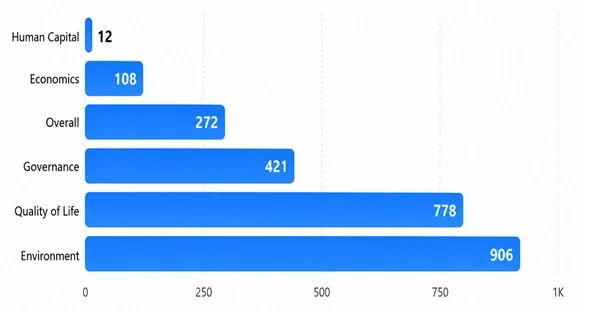
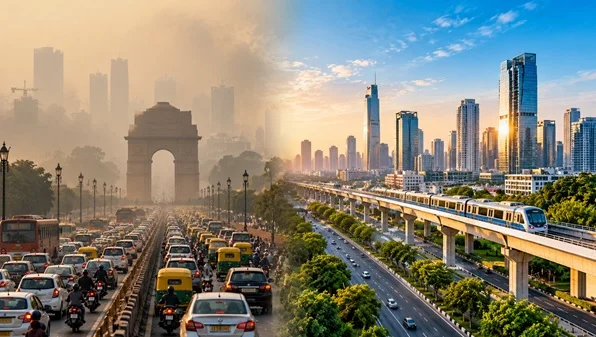
The Oxford Economics Global Cities Index 2026 has highlighted significant gaps between economic development and living standards in Indian cities. Delhi emerged as India's highest-ranked city, securing 268th position overall. 
Key Facts

Aspect

Details

Report

Global Cities Index 2026

Released by

Oxford Economics

Cities evaluated

1,000

Number of Indian cities covered

91

Global rank 1

New York

Best-ranked Indian city

Delhi-268th

Delhi's Quality of Life rank

781st

Delhi's Environment rank

915th

Major focus

Economic strength, talent, living standards, environment and governance

First edition

2024

What is the Global Cities Index?

  • The Global Cities Index is a comparative urban assessment developed by Oxford Economics, an international economic forecasting and research organisation.
  • The index evaluates the performance of 1,000 major cities worldwide using economic, social, environmental and governance indicators.
  • It helps identify the strengths and weaknesses of cities and provides insights into their development potential.

Five Major Dimensions of the Index

Dimension

Major focus

Economics

Economic size, growth, employment and economic performance

Human Capital

Education, workforce skills, talent and demographic characteristics

Quality of Life

Healthcare, housing, accessibility and living conditions

Environment

Environmental quality, sustainability and climate-related conditions

Governance

Political and institutional environment and governance performance

Top 10 cities in the world

Rank

City

Country

1

New York

USA

2

London

United Kingdom

3

Paris

France

4

Seattle

USA

5

San Francisco

USA

6

Dublin

Ireland

7

Boston

USA

8

San Jose

USA

9

Tokyo

Japan

10

Zurich

Switzerland

Rankings of Major Indian Cities

City

Overall Global Rank

Delhi

268

Bengaluru

311

Mumbai

330

Chennai

381

Hyderabad

421

Pune

427

Delhi's Performance across Five Categories

Global Leaders across Different Categories

Category

First-ranked city

Overall

New York, USA

Economics

New York, USA

Human Capital

London, UK

Quality of Life

Canberra, Australia

Environment

Honolulu, USA

Why are Indian Cities performing poorly in Quality of Life?

  • Air Pollution: High pollution levels in major cities can affect public health and environmental quality.
  • Traffic Congestion: Rapid urbanisation increases pressure on roads and public transport.
  • Housing Affordability: Rising housing costs and inadequate affordable housing affect urban residents.
  • Infrastructure Pressure: Increasing populations create greater demand for water, sanitation, waste management and public services.
  • Environmental Degradation: Declining green spaces, urban flooding and extreme heat can reduce liveability.

Significance 

  • Urban Policy: Highlights the need to prioritise quality of life alongside economic development.
  • Sustainable Development: Reinforces the importance of SDG 11 – Sustainable Cities and Communities.
  • Human Capital: Shows the importance of skilled workers and education in urban competitiveness.
  • Environmental Governance: Emphasises the need for pollution control, green infrastructure and climate resilience.
  • Evidence-Based Planning: Helps policymakers identify weaknesses and compare urban performance internationally.

Government Initiatives Related to Urban Development

Initiative

Main objective

Smart Cities Mission

Improve urban infrastructure and services through area-based development and technology

AMRUT / AMRUT 2.0

Improve water supply, sewerage and urban infrastructure

Swachh Bharat Mission-Urban 2.0

Improve sanitation and solid waste management

PMAY-Urban / PMAY-U 2.0

Support affordable housing for eligible urban households

National Clean Air Programme

Improve air quality in targeted cities

PM-eBus Sewa

Expand electric bus-based urban public transport

Prelims MCQ

Q. Which organisation releases the Global Cities Index that ranked Delhi 268th overall in 2026?

(a) World Bank

(b) United Nations Development Programme

(c) Oxford Economics

(d) World Economic Forum

Mains Practice Question

Q. India's major cities demonstrate strong economic and human capital potential but continue to face significant quality-of-life and environmental challenges. Discuss.

FAQs

Who releases the Global Cities Index?

Oxford Economics.

How many cities were assessed in the 2026 index?

1,000 cities worldwide.

How many categories are included in the index?

Five: Economics, Human Capital, Quality of Life, Environment and Governance.

What was Delhi's overall rank in 2026?

268th globally.

What was Delhi's Quality of Life rank?

781st globally.

World Students Day 2026: Key Facts, Background, Dr. APJ Abdul Kalam and his contributions

Why in news?

World Students’ Day is observed on 15 October, commemorating the birth anniversary of Dr. APJ Abdul Kalam, former President of India.

Key Facts

Aspect

Details

Observed on

15 October

Occasion

Birth anniversary of Dr. APJ Abdul Kalam

Dr. Kalam's birth

15 October 1931

Birthplace

Rameswaram, Tamil Nadu

Popular title

Missile Man of India

Constitutional position

11th President of India

Presidential tenure

2002-2007

Main focus

Education, students, scientific temper and innovation

Official UN recognition

Not designated as a UN international day

Background 

  • World Students’ Day is associated with Dr. APJ Abdul Kalam's dedication to education and his belief that students are central to national development.
  • Dr. Kalam consistently encouraged young people to develop scientific curiosity, pursue ambitious goals and contribute to society through knowledge and innovation.
  • Even after serving as President of India, he continued interacting with students at schools, colleges and universities.
  • His commitment to teaching remained evident until his death on 27 July 2015, when he collapsed while delivering a lecture at the Indian Institute of Management Shillong.

About Dr. APJ Abdul Kalam

  • Full name: Avul Pakir Jainulabdeen Abdul Kalam.
  • Born on 15 October 1931 in Rameswaram, Tamil Nadu.
  • Studied physics at St. Joseph's College, Tiruchirappalli, and aerospace engineering at Madras Institute of Technology.
  • Worked with the Defence Research and Development Organisation (DRDO) and Indian Space Research Organisation (ISRO).
  • Served as the 11th President of India from 25 July 2002 to 25 July 2007.
  • Popularly known as the People's President for his accessibility and engagement with young citizens.

Major Contributions of Dr. APJ Abdul Kalam

  • Indian Space Programme: Dr. Kalam served as Project Director of India's first indigenous Satellite Launch Vehicle, SLV-3. In July 1980, SLV-3 successfully placed the Rohini RS-1 satellite into orbit, marking an important milestone in India's indigenous space-launch capabilities.
  • Missile Development Programme: He played a leading role in the Integrated Guided Missile Development Programme (IGMDP), launched in 1983. The programme included the development of missile systems such as Prithvi, Agni, Akash, Trishul and Nag.
  • India's Strategic Capabilities: Dr. Kalam played an important scientific and organisational role in India's 1998 Pokhran-II nuclear tests, alongside other scientists and institutions.
  • Education and Youth Development: He promoted scientific education, creativity, entrepreneurship and innovation, emphasising the role of young people in building a developed India.

Major Awards and Honours

Year

Award

1981

Padma Bhushan

1990

Padma Vibhushan

1997

Bharat Ratna

Important Books Written by Dr. Kalam

  • Wings of Fire: Autobiography co-authored with Arun Tiwari.
  • Ignited Minds: Focuses on unlocking India's potential through youth and ideas.
  • India 2020: Presents a vision for India's development, co-authored with Y. S. Rajan.
  • My Journey: Recollections and experiences from his life.

Significance of World Students’ Day

  • Education for All: Highlights the importance of equitable access to quality education.
  • Scientific Temper: Encourages students to develop curiosity, critical thinking and evidence-based reasoning.
  • Youth Empowerment: Recognises young people as important contributors to national development.
  • Innovation and Research: Promotes creativity, technological advancement and problem-solving.
  • Nation Building: Encourages students to apply knowledge and skills to address social and economic challenges.

Challenges in Student Development

  • Unequal access to quality education, particularly in rural and disadvantaged areas.
  • Digital divide and limited access to educational technology.
  • Skill gaps between academic education and employment requirements.
  • Examination pressure and student mental health concerns.
  • Limited access to research facilities and practical learning opportunities.

Prelims MCQ

Q. World Students’ Day, observed on 15 October, is associated with the birth anniversary of which Indian personality?

(a) Dr. Sarvepalli Radhakrishnan

(b) Dr. APJ Abdul Kalam

(c) Dr. Homi J. Bhabha

(d) Vikram Sarabhai

Mains Practice Question

Q. Discuss the contribution of Dr. APJ Abdul Kalam to India's scientific development. 

FAQs

When is World Students’ Day observed?

15 October every year.

Whose birth anniversary is celebrated on World Students’ Day?

Dr. APJ Abdul Kalam.

Is World Students’ Day an official United Nations observance?

No, it is not officially designated by the UN.

Who is known as the Missile Man of India?

Dr. APJ Abdul Kalam.

When did Dr. APJ Abdul Kalam receive the Bharat Ratna?

In 1997.

NSAP Renamed Pradhan Mantri Samajik Sahayata Yojana: Cabinet Approves ₹53,428 Crore Till 2030–31

Prelims: National Social Assistance Programme, Pradhan Mantri Samajik Sahayata Yojana, Social Pensions, Article 41, Directive Principles of State Policy, Disability Pension.
Mains: GS Paper II – Welfare Schemes for Vulnerable Sections, Social Justice, Government Policies and
Interventions; GS Paper III – Inclusive Growth and Public Expenditure.
Keywords: NSAP Renamed 2026, Pradhan Mantri Samajik Sahayata Yojana, ₹53,428 Crore Social Assistance Programme, Old Age Pension, Widow Pension, Divyangjan Pension, Social Security, Pension Reforms.

Why in News?

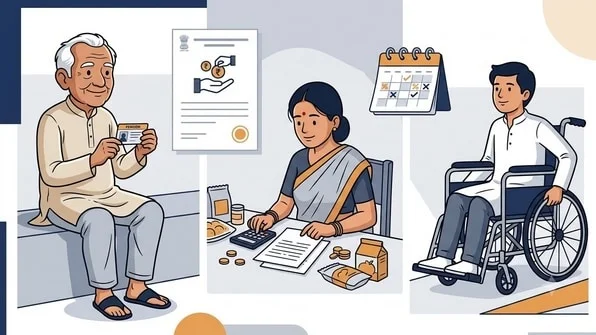
  • On 14 October 2026, the Union Cabinet approved ₹53,428 crore for continuing the National Social Assistance Programme (NSAP) during 2026-27 to 2030-31.
  • The programme will be renamed Pradhan Mantri Samajik Sahayata Yojana, while the “Indira Gandhi” prefix will be removed from three pension schemes.
  • The decision also expands disability pension eligibility and revises assistance rates.

What Is the National Social Assistance Programme?

  • The National Social Assistance Programme, launched on 15 August 1995, provides assistance to poor households facing vulnerabilities such as old age, widowhood, disability and the death of a breadwinner.
  • It is administered by the Ministry of Rural Development and reflects the social assistance objectives of Article 41 of the Constitution.
  • The programme provides central assistance, while States may supplement benefits or extend coverage through their own schemes. Consequently, the total support received by beneficiaries can vary across States.

Five-Year Financial Approval

Parameter

Details

Approved outlay

₹53,428 crore

Financial period

2026–27 to 2030–31

Duration

Five years

Principal changes

Renaming, revised disability pension provisions and programme continuation

Old-age, widow and family benefits

Continue in their existing form, apart from renaming

The approved amount is a five-year programme outlay, not an annual allocation or a payment directly available to each beneficiary.

New Names of the Programme and Sub-Schemes

Existing name

Approved new name

National Social Assistance Programme

Pradhan Mantri Samajik Sahayata Yojana

Indira Gandhi National Old Age Pension Scheme

Pradhan Mantri Vridhavastha Pension Yojana

Indira Gandhi National Widow Pension Scheme

Pradhan Mantri Vidhawa Pension Yojana

Indira Gandhi National Disability Pension Scheme

Pradhan Mantri Divyangjan Pension Yojana

National Family Benefit Scheme

Pradhan Mantri Parivar Labh Yojana

The renaming therefore covers both the umbrella programme and its listed sub schemes.

Changes in Disability Pension

Parameter

Previous Criteria

Approved New Criteria

Disability Threshold

80% or more

Reduced to 40% (aligned with benchmark disability)

Minimum Eligible Age

18 years

From Birth (no minimum age limit)

Assistance (Ages 0–79)

₹300 / month

₹375 / month

Assistance (Ages 80+)

₹500 / month

₹625 / month

The Cabinet release connects the changes to the Rights of Persons with Disabilities Act, 2016. Revised implementation guidelines are to be issued and implemented within three months; Cabinet approval should therefore be distinguished from completed rollout.

Coverage: Existing Figures and the New Announcement

The figures refer to different contexts and should be read separately:

  • Earlier central coverage: The supplied news report identifies a ceiling of 3.09 crore beneficiaries under the three pension schemes.
  • State-supported coverage: It cites the Economic Survey 2024–25 as recording an additional 5.86 crore beneficiaries supported by States, bringing combined coverage to 8.95 crore.
  • New announcement: The Cabinet release states that the approval will benefit 3.20 crore people across 36 States and Union Territories.
  • The new headline figure should not be treated as a revised count of all beneficiaries under central and independent State pension programmes combined.

Significance

  1. Continuity of Social Assistance: The five-year approval provides a planning framework for continuing support to vulnerable households.
  2. Wider Disability Inclusion: A lower disability threshold and eligibility from birth can extend assistance to people previously excluded by disability severity or age requirements.
  3. Household Income Security: Social pensions can help beneficiaries meet basic expenses, including food, transport and healthcare, while reducing dependence on relatives.
  4. Greater Dignity and Autonomy: Regular assistance can strengthen the ability of elderly persons, widows and persons with disabilities to make every day financial decisions.

Relevance for India

  • Ageing population: Social protection must respond to increasing demand for old-age support.
  • Informal employment: People without employment-linked pensions depend more heavily on household resources and public assistance.
  • Gender vulnerability: Widow Pensions can provide an independent source of support to women facing income insecurity.
  • Inclusive development: Disability assistance can help address additional living costs and barriers to participation.
  • Centre–State coordination: Central support and State supplements together shape the adequacy and reach of social pensions.

Challenges

  • Inflation and Inadequate Benefits: When pension amounts remain unchanged, rising prices reduce their purchasing power. Formal continuation of a scheme does not necessarily preserve the real value of its benefits.
  • Coverage Ceilings: A fixed beneficiary ceiling can exclude eligible applicants. The handbook Realising Rights: A Handbook of Welfare in India, cited in the supplied report, highlights the gap between meeting eligibility conditions and actually receiving assistance.
  • Demographic Changes: Funding requirements depend on both benefit levels and the number of eligible people. A five-year framework needs mechanisms to respond to changes in these factors.
  • Differences Across States: State supplements can improve support, but differences in fiscal capacity and policy choices may produce unequal assistance across regions.

Way Forward

  1. Review benefits periodically: Assess pension amounts against inflation and essential living costs.
  2. Update coverage estimates: Use current demographic and eligibility information to identify unmet demand.
  3. Allow responsive funding: Review expenditure requirements during the five-year period as beneficiary numbers change.
  4. Improve access: Simplify applications and provide assistance to elderly and disabled applicants.
  5. Ensure timely payments: Strengthen payment tracking and grievance resolution.
  6. Publish clear implementation information: Explain revised eligibility, benefit levels and rollout dates in accessible language.

Conclusion

The continuation and restructuring of NSAP provide an opportunity to strengthen social assistance, particularly for persons with disabilities. Its effectiveness will depend on adequate benefits, inclusive coverage and reliable delivery. Renaming should be accompanied by measurable improvements in beneficiaries’ financial security and dignity.

Prelims Practice Question

The National Social Assistance Programme primarily reflects the objectives of which Article of the Indian Constitution?

(a) Article 21A
(b) Article 32
(c) Article 41
(d) Article 280 

Mains Practice Question

“The effectiveness of social pensions depends on benefit adequacy and inclusive coverage as much as budgetary continuity.” Discuss in the context of the recent restructuring of the National Social Assistance Programme.

FAQs

1. What is the new name of NSAP?

The approved new name is Pradhan Mantri Samajik Sahayata Yojana.

2. How much funding has the Cabinet approved?

The Cabinet approved ₹53,428 crore for five years, covering 2026–27 to 2030–31.

3. Have old-age and widow pension benefits been increased under this decision?

The announcement continues these schemes in their existing form, apart from renaming. The specified benefit revisions concern disability pensions.

4. What is the main change in disability pension eligibility?

The disability threshold has been reduced from 80% to 40%, and the minimum age requirement has been changed to allow eligibility from birth.

5. Why has the allocation attracted criticism?

Critics question whether the funding adequately reflects inflation, demographic changes and the needs of eligible people outside existing coverage.

10 Years of the Kigali Amendment: Why India’s Cooling Choices Matter

Why in News?

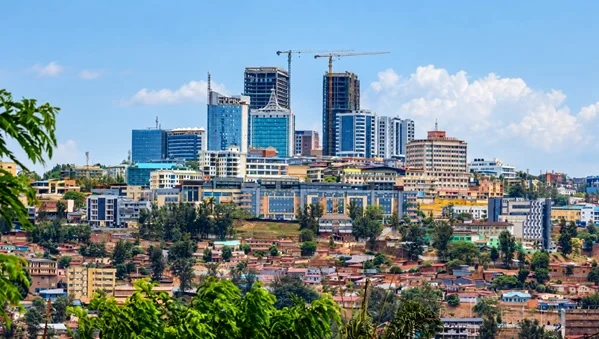
  • The Kigali Amendment to the Montreal Protocol marks its 10th anniversary on 15 October 2026. Adopted in Kigali, Rwanda, in 2016, the amendment aims to gradually reduce the production and consumption of hydrofluorocarbons (HFCs), powerful greenhouse gases commonly used in air conditioners and refrigerators.
  • The amendment could prevent around 0.3°C to 0.5°C of global warming by 2100 if fully implemented. 
  • As demand for cooling continues to rise, its implementation is becoming increasingly important for India’s climate goals, electricity demand and sustainable development.

What Is the Kigali Amendment?

  • The Kigali Amendment is an international agreement adopted on 15 October 2016 to reduce the use of HFCs. It is part of the Montreal Protocol, which was adopted in 1987 to protect the ozone layer by phasing out ozone-depleting substances.
  • HFCs became widely used as alternatives to chlorofluorocarbons (CFCs), which damage the ozone layer. Although HFCs do not deplete the ozone layer, many of them have a high global warming potential.
  • The Kigali Amendment therefore aims to reduce the impact of these gases on climate change while allowing countries time to adopt safer alternatives.
  • The amendment entered into force on 1 January 2019. Unlike a complete phase-out, it requires countries to reduce HFC production and consumption in stages.

Why Was the Kigali Amendment Needed?

  • The Montreal Protocol helped countries eliminate nearly 99% of controlled ozone-depleting substances. However, the widespread use of HFCs created a new environmental challenge.
  • HFCs are used in air conditioners, refrigerators, commercial cooling systems and other equipment. When these gases leak into the atmosphere, they can trap much more heat than carbon dioxide.
  • The Kigali Amendment was introduced to address this problem. It also encourages the development of climate-friendly refrigerants and more energy-efficient cooling technologies.

How Does Cooling Contribute to Global Warming?

  • Cooling affects the climate in two major ways.
  • Refrigerant emissions: HFCs can escape from air conditioners and refrigerators during use, servicing or disposal. Many HFCs have a strong warming effect.
  • Electricity consumption: Air conditioners and refrigerators consume electricity. When this electricity is generated using fossil fuels, it leads to carbon dioxide emissions.
  • Replacing high-impact refrigerants with lower-impact alternatives can reduce direct emissions. Improving the energy efficiency of cooling equipment can also reduce electricity consumption and indirect emissions.
  • Combining both measures can significantly increase the climate benefits of the Kigali Amendment.

Why Is the Kigali Amendment Important for India?

  • India faces a major cooling challenge because of its hot climate, growing population, urbanisation and rising incomes. Demand for air conditioners, refrigerators and other cooling equipment is expected to increase substantially in the coming years.
  • The country must expand access to affordable cooling while limiting greenhouse gas emissions and pressure on its electricity system.
  • The Kigali Amendment is important for India for the following reasons:
    • Climate action: Reducing HFC use can help India limit greenhouse gas emissions.
    • Energy security: Efficient cooling equipment can reduce electricity demand, especially during summer.
    • Lower household expenses: Energy-efficient appliances can help consumers save money on electricity bills.
    • Cleaner technology: The transition can encourage manufacturers to develop and adopt climate-friendly refrigerants.
    • Sustainable development: Affordable and efficient cooling is important for healthcare, food storage, industries and comfortable living conditions.

India’s Commitments Under the Kigali Amendment

  • India ratified the Kigali Amendment in 2021. Under its agreed schedule, India is required to freeze HFC production and consumption in 2028, followed by a gradual reduction.
  • The main milestones are:
    • 2028: Freeze HFC production and consumption at the agreed baseline level.
    • 2032: Reduce HFC production and consumption by 10% below the baseline.
    • 2047: Achieve an 85% reduction below the baseline.

These commitments provide India with time to develop alternatives, upgrade manufacturing facilities and prepare the cooling sector for the transition.

What Challenges Does India Face?

1. Rising Demand for Cooling

  • As temperatures rise and incomes grow, more households and businesses are likely to purchase cooling equipment. 
  • Meeting this demand without increasing emissions will be a major challenge.

2. High Cost of New Technology

  • Manufacturers may need to redesign products, modify factories and adopt new refrigerants. 
  • These changes can increase initial costs, particularly for small businesses.

3. Need for Energy-Efficient Appliances

  • A shift to climate-friendly refrigerants alone is not enough. 
  • Cooling equipment must also consume less electricity to reduce overall emissions.

4. Refrigerant Leakage and Disposal

  • Refrigerants can escape when equipment is poorly maintained, repaired or discarded. 
  • Weak recovery and recycling systems can increase emissions even when new HFC use is being reduced.

5. Skills and Training

  • Technicians need training to handle alternative refrigerants safely, maintain modern equipment and recover refrigerants during repairs and disposal.

6. Financing and Technology Access

  • Indian manufacturers and service providers need access to suitable technologies, skilled workers and financial support to complete the transition without making cooling unaffordable.

What Should India Do Next?

India needs a comprehensive cooling strategy that combines climate action with affordability and energy efficiency.

  • Promote energy-efficient appliances: Strengthen efficiency standards and encourage consumers to choose equipment that uses less electricity.
  • Adopt climate-friendly refrigerants: Support research, manufacturing and the adoption of alternatives with lower global warming potential.
  • Improve refrigerant recovery: Establish effective systems to collect, reuse or safely destroy refrigerants from old and damaged equipment.
  • Train cooling technicians: Expand technical training programmes on the safe installation, repair and disposal of modern cooling systems.
  • Support manufacturers: Improve access to finance, technology and research facilities, particularly for small and medium-sized enterprises.
  • Increase public awareness: Inform consumers about energy-efficient appliances, proper maintenance and the environmental impact of refrigerant leakage.
  • Strengthen international cooperation: Work with other countries and international institutions to secure technical assistance, funding and access to cleaner technologies.

How Has the Montreal Protocol Been Successful?

  • The Montreal Protocol is widely regarded as an important example of international environmental cooperation. It established common targets, introduced binding reduction schedules and allowed countries to strengthen their commitments over time.
  • Developing countries were given longer implementation periods and financial support through the Multilateral Fund, which helps eligible countries meet the additional costs of complying with the treaty.
  • The Kigali Amendment builds on this approach by addressing HFCs through phased reductions, technological improvements and international cooperation.
  • The experience also offers lessons for tackling other climate pollutants, although each pollutant requires measures suited to its sources and the technologies available to control it.

Can the Kigali Approach Help Reduce Other Climate Pollutants?

  • The Kigali Amendment directly addresses HFCs, but its approach may offer lessons for reducing other short-lived climate pollutants, including methane and black carbon.
  • Methane is emitted by sources such as oil and gas operations, agriculture and waste. Black carbon, commonly known as soot, is produced by incomplete combustion of fuels.
  • Reducing these pollutants can help slow near-term warming. However, they require different policies, technologies and implementation strategies.
  • For example, methane reduction in the energy sector can involve detecting and repairing leaks, while reducing black carbon requires cleaner transport, cooking fuels and industrial processes. International cooperation can help coordinate action, but any new agreement must account for the specific challenges of each sector.

Way Forward

India should adopt a sustainable cooling strategy that balances rising demand for cooling with climate protection and affordability.

  • Promote Energy Efficiency: Strengthen energy-efficiency standards for air conditioners, refrigerators and other cooling equipment to reduce electricity consumption.
  • Adopt Climate-Friendly Refrigerants: Encourage the use of alternatives with low global warming potential and support research into safer, affordable technologies.
  • Strengthen Refrigerant Management: Improve the recovery, recycling and safe disposal of refrigerants to prevent emissions from leaking and discarded equipment.
  • Support Industry: Provide financial and technical assistance to manufacturers, particularly small and medium-sized enterprises, to adopt cleaner technologies.
  • Build Technical Skills: Train technicians in the safe handling, installation, repair and maintenance of modern cooling systems.
  • Increase Public Awareness: Encourage consumers to choose energy-efficient appliances and ensure their proper maintenance.
  • Enhance International Cooperation: Work with global institutions to access funding, technology and technical expertise for implementing the Kigali Amendment.

India must combine HFC reduction with energy efficiency and responsible refrigerant management to make cooling affordable, reliable and environmentally sustainable.

Conclusion

Ten years after its adoption, the Kigali Amendment remains an important part of global efforts to address climate change. For India, its success will depend not only on reducing HFC production and consumption but also on improving energy efficiency, preventing refrigerant leakage and making clean cooling technologies affordable.

As cooling demand rises, India has an opportunity to protect the climate while strengthening energy security and improving access to essential cooling. A well-planned transition can help the country meet its international commitments and build a more sustainable cooling sector.

Prelims Practice Question 

The Kigali Amendment is associated with which of the following international agreements?

(a) Paris Agreement 

(b) Montreal Protocol

(c) Kyoto Protocol

(d) Convention on Biological Diversity

Mains Practice Question

“The Kigali Amendment to the Montreal Protocol is an important step towards mitigating climate change. However, rising cooling demand presents both challenges and opportunities for India.” Discuss the significance of the Kigali Amendment for India and suggest measures to promote sustainable cooling. 

FAQs

1. What is the Kigali Amendment?

The Kigali Amendment is an amendment to the Montreal Protocol, adopted on 15 October 2016, to gradually reduce the production and consumption of hydrofluorocarbons (HFCs).

2. Why is the Kigali Amendment important for climate change?

HFCs are powerful greenhouse gases. Reducing their use can help limit global warming and encourage the adoption of climate-friendly cooling technologies.

3. What is the difference between CFCs and HFCs?

CFCs damage the ozone layer and contribute to global warming. HFCs do not deplete the ozone layer but can have a strong warming effect.

4. When did India ratify the Kigali Amendment?

India ratified the Kigali Amendment in 2021.

5. What are India’s key HFC reduction targets?

India is scheduled to freeze HFC production and consumption in 2028, reduce them by 10% below the agreed baseline in 2032, and achieve an 85% reduction by 2047.

International Day of Rural Women 2026: Theme, Significance and Women’s Role in Sustainable Agriculture

Keywords: International Day of Rural Women 2026, Rural Women Farmers, UN Women, Sustainable Agriculture, Women’s Land Rights, Food Security, Biodiversity Conservation, Unpaid Care Work.

Why in News?

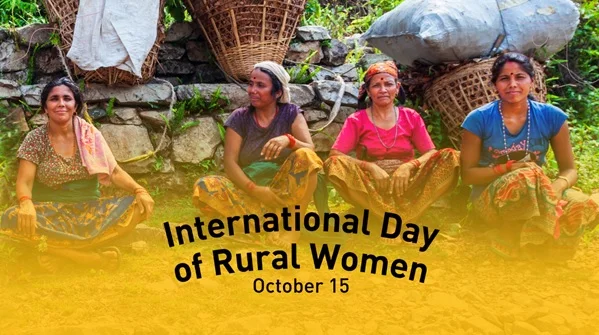
  • International Day of Rural Women on 15 October 2026, UN Women has issued a statement highlighting rural women’s contributions to agriculture, livelihoods and environmental protection.
  • The theme highlighted in the statement is “Rural Women Farmers Caring for Mother Nature.”
  • It recognises their work in conserving seeds, protecting biodiversity, managing water and restoring degraded land.

What is International Day of Rural Women?

  • The United Nations General Assembly, through Resolution 62/136 adopted on 18 December 2007, designated 15 October as the International Day of Rural Women.
  • The first observance took place on 15 October 2008.
  • The day recognises the contribution of rural women, including indigenous women, to agricultural development, food security and the reduction of rural poverty.
  • The UN General Assembly has also declared 2026 the International Year of the Woman Farmer, giving additional attention to women’s participation in sustainable agrifood systems. 

Theme: Rural Women Farmers Caring for Mother Nature

The theme connects women’s agricultural work with the protection of natural resources. The statement highlights four important contributions:

  • Seed conservation: Preserving seeds and agricultural diversity.
  • Biodiversity protection: Supporting the conservation of species and ecosystems.
  • Water management: Managing a resource essential for farming and household needs.
  • Land restoration: Helping restore degraded land and sustain its productive capacity.

It presents rural women as knowledge holders and leaders whose work supports both communities and the environment.

Stronger Rights over Land and Natural Resources

UN Women emphasises the need for enforceable rights to land, water and other natural resources.

  • Rural women should have secure rights over the resources on which their livelihoods depend.
  • Their contribution to agriculture should be matched by influence over resource management.
  • Policies should address the gap between women’s responsibilities and their decision-making power.

Equal Access to Economic Opportunities

The statement calls for equal access to:

  • Finance and financial services.
  • Markets and trading opportunities.
  • Agricultural technology.
  • Agricultural services, advice and training.

These measures can help women improve their productivity, strengthen livelihoods and exercise greater control over economic decisions.

Recognition of Unpaid Care Work

UN Women stresses that unpaid care work must be recognised, reduced and redistributed.

Priority

Meaning

Recognise

Acknowledge the value of unpaid domestic and caregiving work.

Reduce

Improve services and infrastructure that reduce the time and effort required for these tasks.

Redistribute

Share responsibilities more fairly within households and through public and community support.

Addressing care responsibilities can give rural women more time for education, paid work, agricultural training and public participation.

Decent Work, Social Protection and Infrastructure

The statement also highlights the need for:

  • Decent work and better working conditions.
  • Social protection against livelihood shocks.
  • Resilient infrastructure that supports rural communities.
  • Services that enable women to participate more fully in economic life.

Participation in Agricultural and Environmental Decisions

Rural women should help shape agricultural policies and influence how environmental funding is allocated.

The statement identifies three areas where their participation is essential:

  • Addressing climate change.
  • Protecting biodiversity.
  • Restoring degraded land.

Their leadership should be reflected in policy commitments, budgets and implementation, alongside recognition of their contributions.

Connection with the Three Rio Conventions

The statement identifies meetings under the three Rio Conventions as opportunities to strengthen women’s participation in environmental action.

Convention

Main focus

United Nations Framework Convention on Climate Change UNFCCC

Climate change

Convention on Biological Diversity CBD

Biodiversity conservation, sustainable use and fair benefit-sharing

United Nations Convention to Combat Desertification UNCCD

Desertification, land degradation and drought

These conventions address interconnected environmental challenges. Women’s knowledge and participation can help connect agricultural development with climate, biodiversity and land-restoration objectives. 

Direct Investment in Rural Women

  • UN Women calls on governments, financial institutions, businesses and development partners to invest directly in rural women.
  • Its central message is that women’s contributions to food systems and environmental conservation should be matched by adequate rights, resources and power.

Significance

  • Food security: Supporting women farmers can strengthen agricultural livelihoods and community food supplies.
  • Environmental sustainability: Their knowledge can contribute to seed conservation, biodiversity protection and responsible resource management.
  • Climate resilience: Access to finance, technology and services can improve their ability to respond to environmental shocks.
  • Gender equality: Greater control over resources and participation in decisions can help address structural inequalities.
  • Inclusive development: Investment in rural women can connect livelihood improvement with environmental protection.

Relevance for India

  • Recognising Women as Farmers: The statement provides a useful framework for strengthening recognition of women’s agricultural work. Policy attention should extend to their access to productive resources, training, markets and decision-making.
  • Strengthening Existing Rural Livelihood Initiatives: India’s Mahila Kisan Sashaktikaran Pariyojana (MKSP) was launched as a subcomponent of Deendayal Antyodaya Yojana–National Rural Livelihoods Mission (DAY-NRLM) to empower women in agriculture and strengthen agriculture-based livelihoods.
  • Supporting Women’s Collectives: Self-help groups and women-led producer organisations can provide platforms for collective purchasing, marketing, training and participation in local development decisions.
  • Linking Empowerment with Environmental Planning: The statement suggests a policy opportunity for India: involve women farmers more directly in local water management, biodiversity conservation and land-restoration planning.

Challenges

  • Unequal resource access: Limited control over land, water and productive assets.
  • Financial barriers: Inadequate access to suitable finance and investment.
  • Technology and service gaps: Unequal access to agricultural advice, tools and training.
  • Unpaid care responsibilities: Competing demands on women’s time and labour.
  • Limited representation: Insufficient influence over policies, institutions and funding decisions.
  • Environmental pressures: Climate change, biodiversity loss and land degradation threaten the resources supporting rural livelihoods.

Way Forward

  1. Strengthen resource rights: Make women’s rights to land, water and natural resources enforceable and accessible.
  2. Improve financial inclusion: Design financial services and investment mechanisms around women farmers’ needs.
  3. Expand agricultural support: Improve access to technology, extension services, training and markets.
  4. Address unpaid care work: Invest in services and infrastructure while promoting shared care responsibilities.
  5. Ensure meaningful participation: Include rural women in agricultural policymaking and environmental funding decisions.
  6. Support collective institutions: Strengthen women’s groups and producer organisations.
  7. Track measurable outcomes: Assess progress through women’s access to resources, control over income and influence over decisions.

Conclusion

The International Day of Rural Women 2026 highlights the close relationship between gender equality, sustainable agriculture and environmental protection. Recognising rural women’s contributions must be accompanied by secure rights, adequate investment and meaningful decision-making power.

Prelims Practice Question

Which of the following is NOT one of the three Rio Conventions?

(a) United Nations Framework Convention on Climate Change
(b) Convention on Biological Diversity
(c) United Nations Convention to Combat Desertification
(d) Ramsar Convention on Wetlands 

Mains Practice Question

“Rural women’s empowerment is essential for sustainable agriculture and environmental resilience.” Discuss with reference to resource rights, unpaid care work and participation in decision-making.

FAQs

1. When is the International Day of Rural Women observed?

It is observed annually on 15 October. The first observance was held in 2008.

2. What is the theme highlighted in UN Women’s statement for 2026?

The theme is “Rural Women Farmers Caring for Mother Nature.”

3. Why are rural women important for environmental protection?

They contribute to seed conservation, biodiversity protection, water management and the restoration of degraded land.

4. What are the main demands of UN Women’s statement?

The statement calls for stronger resource rights, equal economic opportunities, social protection, recognition of unpaid care work and meaningful participation in decisions.

5. Why is 2026 particularly significant for women farmers?

The United Nations has declared 2026 the International Year of the Woman Farmer, creating an opportunity to advance women’s recognition and empowerment in agrifood systems.

upsc english
« »
  • SUN
  • MON
  • TUE
  • WED
  • THU
  • FRI
  • SAT