New
GS Foundation (P+M) - Delhi : 19th Jan. 2026, 11:30 AM Republic Day offer UPTO 75% + 10% Off, Valid Till : 28th Jan., 2026 GS Foundation (P+M) - Prayagraj : 09th Jan. 2026, 11:00 AM Republic Day offer UPTO 75% + 10% Off, Valid Till : 28th Jan., 2026 GS Foundation (P+M) - Delhi : 19th Jan. 2026, 11:30 AM GS Foundation (P+M) - Prayagraj : 09th Jan. 2026, 11:00 AM

Current Affairs for 20 January 2026

Bio-Safety Level-4 (BSL-4)

(Preliminary Examination: Current Events of National Importance, General Science)
(Mains Examination, General Studies Papers 2 and 3: Topics related to the development and management of social sectors/services related to health, education, human resources; achievements of Indians in science and technology; indigenous technology development, nanotechnology, biotechnology)

Context

Union Home Minister Amit Shah laid the foundation stone of the country's first state-funded Bio-Safety Level-4 (BSL-4) containment laboratory in Gandhinagar. Describing it as a "health shield" for the nation, he said that this initiative will usher in a new chapter in India's health safety and biotechnology sectors.
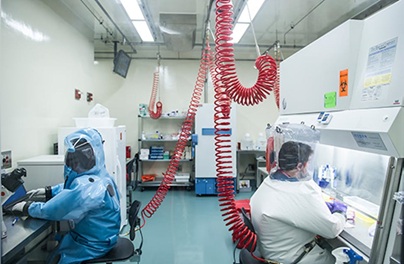
Bio-Safety-level-4

Introduction to the BSL-4 Facility

  • A Bio-Safety Level-4 (BSL-4) laboratory is the highest level of biological safety, developed for the safe study of highly dangerous and highly infectious pathogens.
  • Operating under stringent internationally established safety standards, these laboratories enable high-level research on deadly diseases, such as the development of testing methods, vaccines, and treatments, as well as rapid disease outbreak investigation and response.
  • India's new BSL-4 laboratory, proposed in Gandhinagar, along with the Animal Bio-Safety Level (ABSL) facility, will be a vital national asset for research on highly lethal pathogens. This initiative will further strengthen the country's biosecurity and pandemic preparedness.

State-Funded BSL-4 Laboratory in Gujarat

  • This BSL-4 laboratory being developed in Gandhinagar, Gujarat, will be India's first fully state-funded and state-controlled BSL-4 facility. It will also be the country's second civilian BSL-4 research laboratory.
  • The project, spread over an area of ​​approximately 11,000 square meters, has an estimated cost of ₹362 crore and is being implemented through the Gujarat State Biotechnology Mission.

Institutional Arrangements and Timeline

  • This high-security facility will be operated under the Gujarat Biotechnology Research Centre, which already has a BSL-2+ laboratory. This institute played a key role in genome sequencing of the SARS-CoV-2 virus during the COVID-19 pandemic.
  • The BSL-4 laboratory was planned for mid-2022, with its foundation stone laid on January 13, 2026.

Infrastructure and Safety Standards

  • The complex will develop BSL-4, BSL-3, BSL-2, ABSL-4, and ABSL-3-class laboratories, along with state-of-the-art supporting systems and utilities.
  • The entire project is being developed in accordance with international biosafety standards set by the CDC, NIH, the Department of Biotechnology (DBT), and the Indian Council of Medical Research (ICMR).

Contribution to Disease Control and Vaccine Research

  • This laboratory will enable Gujarat, and the entire country, to respond quickly and effectively to outbreaks of deadly human diseases and zoonotic infections.
  • It will also promote research on advanced diagnostic techniques, vaccines, and treatments.
  • The ABSL-4 unit will enable research on animal diseases and vaccine development using antibodies derived from animals. This work previously relied on samples sent to the ICAR-National Institute of High Security Animal Diseases.
  • The Department of Biotechnology has signed a Memorandum of Understanding (MoU) to elevate this laboratory to national facility status, providing guidance from leading specialized institutions across the country. This facility will play a crucial role in addressing the long-standing shortage of BSL-4 infrastructure in India.

Current BSL-4 and ABSL-4 Facilities in India

  • Civilian BSL-4 Laboratories: Currently, India has only one operational civilian BSL-4 laboratory, located at the National Institute of Virology (NIV) in Pune, Maharashtra, conducting research on highly dangerous human pathogens.
  • Defense Sector BSL-4 Facility: In late 2024, the Defence Research and Development Organisation (DRDO), under the Ministry of Defence, established a BSL-4 laboratory in Gwalior, Madhya Pradesh, enhancing the country's high-containment research capacity.

High-Security Animal Disease Research Laboratories

  • India has two major institutions dedicated to the study of high-risk zoonotic diseases:
  • The ICAR-National Institute of High Security Animal Diseases, Bhopal, is currently in the ABSL-3+ category and plans to upgrade to ABSL-4 level have been announced in June 2025.
  • The ICAR-International Centre for Foot and Mouth Disease, Bhubaneswar (Odisha), operates according to the ABSL-3Ag standard.

Global Scenario

According to officials, approximately 69 BSL-4 laboratories are either operational or under construction worldwide, reflecting India's limited but gradually increasing participation in the field of high-security biological research.

India's Expanded Biosafety Laboratory Infrastructure

  • By March 2025, the Department of Health Research, Ministry of Health and Family Welfare, has approved a total of 165 biosafety laboratories under the VRDL scheme.
  • These include 154 BSL-2 and 11 BSL-3 laboratories aimed at strengthening pandemic response and disaster response capabilities.
  • Facilities established by ICMR: In addition to the VRDL network, ICMR has developed 21 biosafety laboratories at various institutes, including 1 BSL-4, 8 BSL-3, and 12 BSL-2.
  • Science and Technology-Supported Laboratories: The National Research Foundation, under the Department of Science and Technology, has provided financial support to 5 BSL/ABSL-3 laboratories through the IRHPA program.

Biotechnology, Agricultural and Industrial Research

  • The Department of Biotechnology has established 26 biosafety laboratories.
    • The Indian Council of Agricultural Research (ICAR) has established 9 biosafety laboratories.
    • The Council of Scientific and Industrial Research (CSIR) has developed 11 biosafety laboratories at its institutions.

Holistic Approach

These efforts together demonstrate the significant expansion of biosafety infrastructure in India, with BSL-2 and BSL-3 capabilities serving as the foundation, and national preparedness for infectious diseases is being strengthened through targeted investments in high-containment laboratories.

Comprehensive Salary Account Package

Context

Recently, the Department of Financial Services, Ministry of Finance, launched a comprehensive salary account package for central government employees in public sector banks.

About the Comprehensive Salary Account Package

  • This initiative is in line with the government's vision of a "Developed India 2047" and the national commitment to insurance for all by 2047.
  • It aims to provide central government employees with a comprehensive package of banking and insurance benefits under a single, accessible account structure.
  • The package has been carefully designed in consultation with banks to ensure maximum coverage, uniformity, and convenience for all categories of employees (Group A, B, and C).
  • The three main segments of this product are banking, insurance, and cards, making it a complete financial solution for employees. The key features of the comprehensive salary account package are as follows:
    1. Banking Facilities
      1. Zero-balance salary account with advanced features
      2. Availability of free fund transfer (RTGS/NEFT/UPI) as well as cheque facility
      3. Concessional interest rates on loans for housing, education, vehicle, and personal needs
      4. Waiver of loan processing fees
      5. Discount on locker rent
      6. Family Banking Benefits
    2.  Enhanced Insurance Coverage
      1. Personal accident insurance up to ₹1.50 crore
      2. Air accident insurance up to ₹2 crore
      3. Permanent total and partial disability cover up to ₹1.50 crore
      4. Term Life Insurance: Built-in term life insurance cover up to ₹20 lakh, with additional top-up facility to enhance insurance coverage at affordable premiums.
      5. Health Insurance: Comprehensive health insurance coverage for self and family, including a base plan and additional top-up facility. This allows for enhanced insurance coverage at affordable premiums.
    3. Digital and Card Features
      1. Enhanced benefits on debit and credit cards
      2. Airport lounge access, rewards programs, and cashback offers
      3. Unlimited transactions and zero maintenance fees
      4. Full details of the comprehensive salary account package are available on the Department of Financial Services (DFS) website at https://financialservices.gov.in.

Gaza Peace Panel Proposal: India Weighs U.S.-Led Governance Framework

Prelims: (International Relations + CA)
Mains: (GS 2 – International Relations, UN Reforms, India’s Foreign Policy)

Why in News ?

The U.S. President Donald Trump has invited India to join the proposed Board of Peace for Gaza, a new governance and conflict-management mechanism.

The initiative has emerged after a group of Islamic countries backed Trump’s peace plan for Gaza and coincides with broader U.S. efforts to restructure global governance outside traditional multilateral institutions, particularly the United Nations (UN).

The proposal has triggered a global debate on the future of the post-World War II international order, especially the relevance and authority of the UN Security Council (UNSC).

Gaza_Peace_Panel

Background: Shifting Approaches to Conflict Management

The prolonged conflict in Gaza has exposed the limitations of existing international mechanisms in delivering durable peace, humanitarian access, and political reconstruction.

Amid growing frustration over UNSC paralysis—particularly due to veto politics—some global powers are exploring alternative governance arrangements that prioritise speed, executive control, and selective participation over universal legitimacy.

The proposed Board of Peace for Gaza reflects this evolving trend toward ad hoc coalitions and executive-led conflict resolution structures.

Board of Peace for Gaza

Purpose and Mandate

The Board is designed to:

  • Supervise Gaza’s transitional governance, stabilisation, and reconstruction.
  • Oversee a temporary technocratic, apolitical Palestinian administration.
  • Manage funding for redevelopment until the Palestinian Authority (PA) completes institutional reforms.

President Trump has indicated that this Gaza-specific body could serve as a global template for managing future international crises.

Composition and Leadership

  • The Board will be chaired by U.S. President Donald Trump.
  • Membership will include select invited countries and global leaders (such as Tony Blair).
  • It will function as an invitation-only body, not based on universal or regional representation.

UN Linkage

  • A UNSC Resolution 2803 authorised a Board to supervise Gaza’s transition until 2027.
  • While Russia and China abstained, several countries of the Global South voted in favour.
  • However, the proposed U.S.-led Board diverges in structure and authority from traditional UN mechanisms.

India’s Position

Current Status

India has received the invitation but has not yet issued a formal response. Pakistan has also reportedly been invited.

India’s Stated Principles

  • India has consistently supported a Two-State Solution, advocating peaceful coexistence of Israel and Palestine.
  • India welcomed the first phase of Trump’s peace plan, particularly the release of hostages and enhanced humanitarian assistance to Gaza.

On Military Involvement

  • The U.S. has sought troop contributions for a temporary International Stabilisation Force (ISF).
  • India has clearly ruled out participation, as the ISF is not a UN peacekeeping mission, and India’s overseas deployments are traditionally UN-mandated.

Broader Global Governance Debate

Challenge to the UN System

Critics argue that the Board of Peace undermines:

  • The UN Charter principles,
  • Sovereign equality of states, and
  • Collective decision-making.

It is widely viewed as an attempt to sidestep the UNSC and concentrate authority in a U.S.-led executive framework.

Trump’s Multilateral Skepticism

The proposal aligns with Trump’s long-standing scepticism toward multilateral institutions, reflected in:

  • U.S. withdrawals from UNESCO and WHO,
  • Exits from over 60 international organisations.

It also resonates with Project 2025 (the Heritage Foundation’s blueprint for a second Trump term), which advocates:

  • Sharp reductions in multilateral commitments,
  • Preference for ad hoc coalitions where the U.S. sets the agenda.

From Gaza to a Global Template

  • Trump seeks to transform the Board into a general crisis-management club, framed as a solution to UNSC paralysis.
  • However, critics warn that this risks diverting funds, legitimacy, and political attention away from the UN if such structures gain traction.

Key Challenges and Way Ahead

For the Global Order

  • Erosion of multilateralism and weakening of UN centrality.
  • Rise of exclusive, power-driven governance mechanisms.
  • Undermining of the rules-based international order.

For India

  • A tension emerges between India’s commitment to reformed multilateralism and pragmatic engagement with U.S.-led initiatives.
  • Risk of legitimising frameworks that weaken India’s long-term push for UNSC reform and marginalise the Global South.

India’s Strategic Options

  • Calibrated engagement: Participate diplomatically without endorsing erosion of UN authority.
  • Defend UN-centric multilateralism: Reiterate support for UNSC-authorised mechanisms and resist normalisation of extra-UN security architectures.
  • Strategic autonomy: Balance ties with the U.S. while safeguarding India’s principled positions.
  • Global South coordination: Work with like-minded countries to preserve inclusive governance.
  • Push for UN reform: Use the crisis to highlight the urgency of UNSC reform, not its bypassing.

FAQs

1. What is the Board of Peace for Gaza ?

It is a proposed U.S.-led body to oversee Gaza’s transitional governance, stabilisation, and reconstruction.

2. Has India accepted the invitation to join the Board ?

No, India has received the invitation but has not yet issued a formal response.

3. Why is the proposal controversial ?

It is seen as undermining the UN system by shifting conflict management to an exclusive, executive-led framework.

4. Will India contribute troops to the Gaza stabilisation effort ?

No, India has ruled out troop deployment as the force is not UN-mandated.

5. What does this mean for global governance ?

It signals a potential shift away from UN-

India’s Maritime Outreach: ICGS Sankalp Strengthens Indian Ocean Engagement

Prelims: (Science & Technology + CA)
Mains: (GS 3 – Internal Security, Maritime Security, Defence Preparedness)

Why in News ?

The Indian Coast Guard Ship (ICGS) Sankalp recently visited Port Louis, Mauritius, as part of its overseas deployment in the Indian Ocean Region (IOR), reflecting India’s continued commitment to maritime cooperation and regional security.
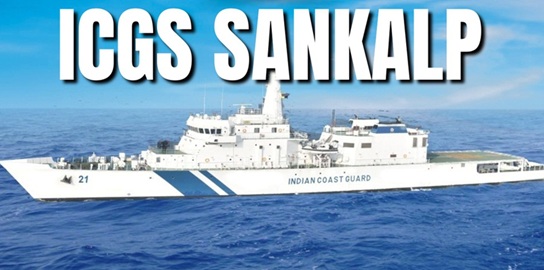
ICGS_Sankalp

Background: India’s Expanding Maritime Diplomacy in the IOR

  • The Indian Ocean Region is central to India’s strategic and economic interests, hosting vital sea lanes of communication and regional trade routes.
  • India has increasingly used naval and coast guard deployments as tools of maritime diplomacy, disaster response cooperation, and capacity building with friendly nations.
  • ICGS Sankalp’s port call in Mauritius aligns with India’s Security and Growth for All in the Region (SAGAR) vision and broader efforts to ensure a free, open, and secure maritime commons.

About ICGS Sankalp

  • ICGS Sankalp is the 5th Advanced Offshore Patrol Vessel (AOPV) of the Indian Coast Guard and was commissioned in 2008.
  • The vessel is indigenously built by Goa Shipyard Limited, reflecting India’s growing shipbuilding capabilities under the “Make in India” initiative.

Roles and Operational Functions

The ship is primarily designed for:

  • Extended maritime surveillance
  • Protection of the Exclusive Economic Zone (EEZ)
  • Search and Rescue (SAR) operations
  • Enforcement of maritime laws within India’s vast oceanic domains

These roles place ICGS Sankalp at the forefront of maritime safety, security, and humanitarian operations.

Key Features of ICGS Sankalp

Navigation and Communication Systems

The vessel is equipped with state-of-the-art navigational and communication sensors and advanced operational equipment, enabling sustained missions in distant maritime zones.

Aviation Capability

It can embark:

  • Advanced Light Helicopters (ALH)
  • Chetak helicopters

This enhances its surveillance reach, rapid response capacity, and rescue operations.

Armament Systems

The primary armament includes:

  • Two 30 mm CRN-91 twin-barrel naval guns
  • These are designed for surface engagement and are controlled by an integrated fire control system, providing precise and effective defensive and enforcement capabilities.

Interceptor Boat Deployment

The vessel is fitted with davits to deploy up to five high-speed interceptor boats, allowing rapid interception, boarding operations, and law enforcement missions at sea.

Strategic Significance of the Port Visit

The visit of ICGS Sankalp to Mauritius:

  • Strengthens bilateral maritime cooperation
  • Enhances interoperability between coast guard forces
  • Supports regional capacity building
  • Reinforces India’s role as a net security provider in the Indian Ocean

Such deployments also contribute to joint exercises, information sharing, and humanitarian assistance and disaster relief (HADR) preparedness.

FAQs

1. What type of vessel is ICGS Sankalp ?

It is an Advanced Offshore Patrol Vessel (AOPV) of the Indian Coast Guard.

2. Who built ICGS Sankalp ?

The vessel was indigenously built by Goa Shipyard Limited.

3. What are the primary roles of ICGS Sankalp ?

Maritime surveillance, EEZ protection, search and rescue, and enforcement of maritime laws.

4. What armament does ICGS Sankalp carry ?

It is equipped with two 30 mm CRN-91 twin-barrel naval guns and interceptor boats.

5. Why is its visit to Mauritius significant ?

It strengthens maritime cooperation and reflects India’s commitment to security and stability in the Indian Ocean Region.

Arctic Ambitions: How a U.S. Move on Greenland Could Disrupt Global Power Balance

Prelims: (International Relations + CA)
Mains: (GS 2 – International Relations, Global Security Architecture)

Why in News ?

Reports suggesting the possibility of a U.S. military takeover or acquisition of Greenland have triggered global concern, as such a move could undermine international law, fracture NATO unity, alarm allies, and hand strategic advantage to rival powers in the Arctic.
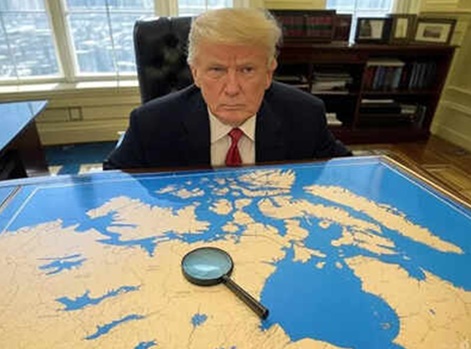
Arctic_Ambitions

Background: The Arctic’s Growing Strategic Significance

The Arctic is rapidly emerging as a key theatre of geopolitical competition due to:

  • Melting ice opening new shipping routes
  • Vast untapped reserves of hydrocarbons and rare earth minerals
  • Increasing military activity by major powers, particularly Russia and China

Greenland, administered by Denmark but strategically located between North America and Europe, has thus become central to Arctic security calculations.

NATO at Risk: The Greenland Contradiction

  • Any American military move into Greenland would strike at the very foundation of the North Atlantic Treaty Organization (NATO).
  • NATO’s credibility rests on Article 5, which is designed to respond to external aggression, not a scenario where one member violates another’s territorial sovereignty.
  • A U.S. action against Denmark, which administers Greenland, would create an unprecedented constitutional and moral crisis for the alliance, one it was never designed to resolve.

Denmark’s Sacrifice and the Irony of Article 5

  • The contradiction is particularly stark because Denmark was among the first to invoke Article 5 following the 9/11 attacks, standing firmly with the United States.
  • Danish troops fought alongside U.S. forces in Afghanistan and suffered significant casualties.
  • A U.S. incursion into Greenland would thus nullify decades of alliance solidarity and hollow out NATO’s moral foundation.

A Strategic Gift to Russia and China

  • Such a move would directly benefit Russia, which has long sought to fracture NATO unity and divert Western focus from Ukraine.
  • Ironically, an action justified as countering Russian influence in the Arctic would weaken the very alliance created to contain Moscow.
  • China, too, would gain diplomatically by highlighting Western hypocrisy on sovereignty and territorial integrity.

The Strategic Argument Falls Apart

  • From a military and strategic standpoint, the case for a takeover is weak.
  • The U.S. already enjoys extensive access rights in Greenland under a 1951 defence treaty and once operated 17 military bases there, most of which were voluntarily shut down by Washington.
  • These facilities could be reactivated or expanded through diplomatic agreements without violating Danish sovereignty.

The Real Arctic Pressure Point

While some U.S. leaders cite rising Russian and Chinese activity in the Arctic, American defence assessments show that the primary pressure point lies near Alaska, not Greenland.

Pentagon briefings and the 2024 Arctic Strategy highlight:

  • Infrastructure degradation in Alaska
  • Intensifying China–Russia cooperation in Arctic waters adjacent to U.S. territory

A Greenland misadventure would therefore weaken NATO, empower adversaries, distract from Ukraine, and undermine U.S. credibility — while addressing the wrong Arctic problem in the wrong location.

The Backers Behind the Greenland Push

  • The idea of acquiring Greenland has moved beyond speculation.
  • The White House has not ruled out military options, and U.S. officials have reportedly discussed potential purchase scenarios with European counterparts.
  • However, Denmark has categorically rejected any sale, and the issue is now so politically sensitive in Copenhagen and Nuuk that even discussing a commercial transaction could destabilise the Danish government.

Trump’s Domestic Constituencies

Support for the Greenland idea appears to come from figures close to former U.S. President Donald Trump:

  • Tech investor Peter Thiel has floated the idea of libertarian, post-nation settlements in places like Greenland.
  • Elon Musk has expressed interest in Greenland’s rare earth mineral resources.
  • Billionaire Ronald Lauder reportedly first raised the Greenland idea with Trump.
  • Trump himself is said to view the move through a real-estate and strategic asset lens, consistent with his business instincts.

Canada’s Security Anxiety

  • The country most alarmed by a potential U.S. annexation of Greenland is Canada.
  • American control of Greenland would effectively hem Canada in from the east, intensifying its strategic vulnerability.
  • This has sparked renewed debate within Canada about revisiting its non-nuclear stance, with security experts urging a re-examination of national defence policies.

Nuclear Domino Effect and Global Implications

The implications could extend far beyond North America. If NATO were to fracture over Greenland:

  • European countries such as Germany and Poland might reconsider nuclear deterrence options.
  • Asian allies like South Korea and Japan could also reassess their security postures.

A Greenland takeover could thus trigger a wider nuclear arms race, reshaping global security architecture in unpredictable and destabilising ways.

FAQs

1. Why is Greenland strategically important ?

Greenland’s location between North America and Europe, along with its natural resources and Arctic access, makes it geopolitically critical.

2. Why would a U.S. move into Greenland weaken NATO ?

Because it would violate the sovereignty of Denmark, a NATO member, contradicting the alliance’s core principle of collective defence against external aggression.

3. Does the U.S. already have military access to Greenland ?

Yes. Under a 1951 treaty, the U.S. has extensive defence rights and previously operated multiple bases there.

4. Which country is most concerned about a U.S. takeover of Greenland ?

Canada is particularly alarmed, as such a move would significantly alter its security environment.

5. What could be the global impact of a Greenland takeover ?

It could fracture NATO, embolden adversaries, and trigger a broader nuclear arms race across Europe and Asia.

Apex Court Verdict on Tiger Global–Flipkart Exit and Its Ripple Effects on Startup Investments

Prelims: (Polity & Governance + CA)
Mains: (GS 3 – Indian Economy, Taxation Policy, Investment Climate)

Why in News ?

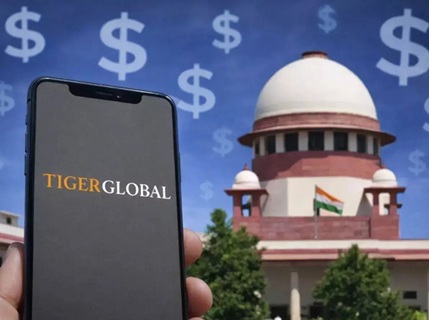
The Supreme Court of India has ruled that venture capital firm Tiger Global’s $1.6-billion stake sale in Flipkart to Walmart is taxable in India. The verdict, closely watched by foreign investors, is considered a landmark judgment with the potential to reshape cross-border deal structures and influence India’s startup investment landscape.
Apex-Court

Background: India’s Treaty-Based Investment Route and Rising Scrutiny

  • For decades, foreign investors have routed investments into India through treaty jurisdictions such as Mauritius and Singapore to avail tax benefits under Double Taxation Avoidance Agreements (DTAAs).
  • However, as India has strengthened anti-avoidance rules and prioritised tax certainty, courts and tax authorities have increasingly focused on the economic substance of offshore investment structures rather than their legal form.
  • The Tiger Global–Flipkart case represents a critical test of this evolving tax enforcement approach.

Dispute Over India–Mauritius Tax Treaty

  • The case arose from Tiger Global’s 2018 exit from Flipkart, executed through its Mauritius-based entities.
  • Tiger Global claimed exemption under the India–Mauritius Double Taxation Avoidance Agreement (DTAA).
  • A DTAA is a bilateral treaty designed to prevent the same income from being taxed in both the source country (where income is earned) and the residence country (where the investor is based).
  • However, the Supreme Court ruled that the DTAA benefit could not be extended in this case.

Court Rejects Treaty Benefits, Overturns High Court Order

In denying DTAA protection, the Supreme Court overturned an August 2024 ruling of the Delhi High Court, which had earlier set aside a 2020 decision of the Authority for Advance Rulings (AAR).

The AAR had concluded that the transaction was prima facie structured to avoid tax, and therefore did not merit treaty protection.

Broader Implications for Startup Investments

Mauritius had long been a favoured investment route into India due to the non-taxability of capital gains until 2016.

The judgment comes at a time when startup funding is slowing, as investors increasingly prioritise profitability, regulatory clarity, and tax certainty—potentially reshaping how foreign capital approaches Indian startup exits.

Background: Tiger Global’s Flipkart Investment

After acquiring a stake in Flipkart, Mauritius-based entities of Tiger Global—Tiger Global International II, III, and IV Holdings—went on to invest in several Indian companies.

Claim for Tax Exemption

  • Following the stake sale, the Tiger Global entities sought a “nil” withholding tax certificate from Indian tax authorities.
  • They argued that capital gains were exempt under the India–Mauritius DTAA due to the “grandfathering” clause for shares acquired before April 1, 2017.
  • Grandfathering means exempting an activity or transaction from a new law or regulation.

Tax Authorities’ Rejection

  • Indian tax authorities rejected the request, concluding that the Mauritius entities lacked independent decision-making authority.
  • They held that real control over share purchases and sales did not rest with these entities.

Authority for Advance Rulings (AAR) Decision

The matter was taken to the Authority for Advance Rulings, which in 2020 dismissed Tiger Global’s claim.

The AAR found that the investment structure was primarily designed to obtain DTAA benefits and that effective control lay outside Mauritius, particularly in the United States, through a complex web of entities.

Delhi High Court Intervention

On appeal, the Delhi High Court overturned the AAR ruling, holding that the conclusion of tax avoidance was arbitrary and unsustainable.

Supreme Court’s Final Word

  • The Supreme Court of India reversed the High Court’s decision.
  • It held that DTAA protection applies only where assets are directly owned by a Mauritian entity’s permanent establishment.
  • The Flipkart transaction, the Court ruled, fell outside this scope—rendering the capital gains taxable in India.

Implications of the Verdict for Indian Startups and Investors

End of Automatic Treaty Benefits

  • Tax experts warn that the ruling weakens automatic reliance on the India–Mauritius DTAA.
  • Merely holding a Tax Residency Certificate (TRC) will no longer guarantee capital gains tax exemption.
  • A TRC is an official document from a country’s tax authority proving that an individual or entity is a tax resident there for a specific period, enabling claims under a DTAA.

Substance Over Form Becomes the Test

The judgment reinforces a shift toward examining economic substance.

Investors must now demonstrate:

  • Genuine commercial rationale
  • Autonomous decision-making
  • Real operations in treaty jurisdictions

Higher Tax Uncertainty and Litigation Risk

The ruling increases uncertainty for venture capital and private equity exits.

Exit planning, valuations, and indemnity clauses may require reassessment amid higher scrutiny and litigation risk.

Impact on Offshore Investment Structures

  • Investment structures routed through Mauritius or Singapore, especially for pre-2017 investments, may face closer examination.
  • While closed cases may not automatically reopen, reassessments are now more likely where legally permissible.

Costlier Risk Management

Tax insurance and indemnity mechanisms are expected to become scarcer and more expensive, raising compliance costs and complicating deal-making for startups and foreign investors.

Startup Funding Slowdown Amid Investor Caution

The Supreme Court ruling coincides with a broader slowdown in India’s startup funding.

In 2025, Indian tech startups raised $10.5 billion, representing:

  • A 17% decline from 2024
  • A 4% decline from 2023

While seed-stage funding fell sharply, early-stage investments showed relative resilience, indicating selective but continued investor confidence.

FAQs

1. Why is the Tiger Global–Flipkart ruling significant ?

It clarifies that treaty benefits cannot be claimed automatically and that capital gains from such exits may be taxable in India based on substance.

2. What is the India–Mauritius DTAA ?

It is a tax treaty designed to prevent double taxation between India and Mauritius, historically used for routing investments into India.

3. What does the Supreme Court mean by “substance over form” ?

It means that courts will look beyond legal structures to assess the real economic control and purpose of transactions.

4. How will this affect foreign investors in Indian startups ?

It increases tax uncertainty, compliance costs, and litigation risk, influencing how future investments and exits are structured.

5. Does this ruling impact past closed transactions ?

While closed cases may not automatically reopen, reassessments are now more likely where legally permissible.

RBI’s Revamped Ombudsman Framework: Strengthening Consumer Redressal in Financial Services

Prelims: (Economy + CA)
Mains: (GS 3 – Indian Economy, Financial Sector Reforms, Institutional Mechanisms)

Why in News ?

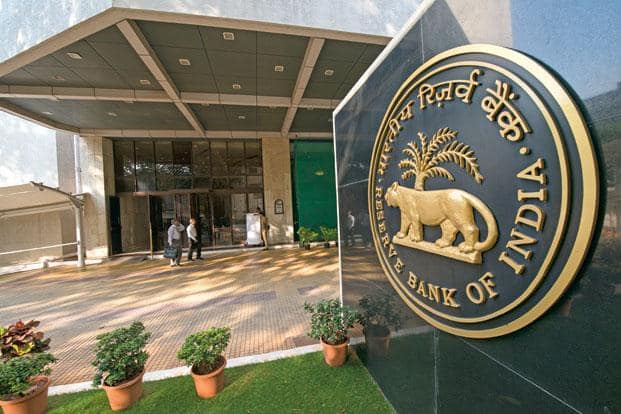
The Reserve Bank of India has unveiled the revised Integrated Ombudsman Scheme, 2026, aimed at improving the efficiency, accessibility, and timeliness of complaint resolution for customers of banks and other regulated entities.
rbi

Background: Need for a Strengthened Grievance Redressal Mechanism

As financial services become more digital and complex, the number and nature of customer grievances have expanded across banks, NBFCs, payment service providers, and credit bureaus.

To ensure trust in the financial system, RBI has progressively streamlined grievance redressal mechanisms, culminating in the Integrated Ombudsman Scheme of 2021. The 2026 revision seeks to further consolidate processes, enhance accountability, and simplify access for consumers.

  • About the Reserve Bank – Integrated Ombudsman Scheme, 2026
  • The scheme is aimed at further improving the efficiency of the resolution of complaints filed by aggrieved customers of banks and other regulated entities.
  • It will come into force on July 1, 2026, replacing the existing Integrated Ombudsman Scheme of 2021.
  • Proceedings under the scheme shall be summary in nature and shall not be bound by formal rules of evidence, ensuring speed and flexibility in decision-making.

Institutional Structure and Administration

The Reserve Bank of India will appoint one or more of its officers as:

  • RBI Ombudsman, and
  • RBI Deputy Ombudsman

These officers will carry out the functions entrusted under the Scheme. Appointments will generally be made for a period of three years at a time, ensuring continuity while allowing periodic institutional refresh.

The RBI will also establish a Centralised Receipt and Processing Centre (CRPC) at one or more locations to receive and process complaints filed under the Scheme.

Coverage: Who Comes Under the Scheme ?

The entities covered under the new scheme include:

  • Commercial banks
  • Regional Rural Banks (RRBs)
  • State and Central Co-operative Banks
  • Urban Co-operative Banks with deposits of ₹50 crore or more

Additionally, the scheme includes:

  • NBFCs that accept deposits or have assets over ₹100 crore and engage in customer dealings
  • Non-bank prepaid payment issuers, such as digital wallets
  • Credit information companies, including credit bureaus

Excluded entities: Housing finance companies and core investment companies are excluded from the scheme.

Types of Complaints: What Can and Cannot Be Filed ?

Eligible Complaints

Customers can file complaints related to:

  • Deficiency in service
  • Delays in service delivery
  • Failure to follow RBI directions
  • Inadequate customer service

Excluded Matters

The scheme does not entertain complaints involving:

  • Commercial judgment of institutions
  • Disputes between regulated entities
  • Employer–employee matters
  • Cases already pending before courts, tribunals, or other forums

A key precondition is that the customer must first approach the concerned entity. The ombudsman can be approached only if:

  • There is no response within 30 days, or
  • The customer is dissatisfied with the response received.

Compensation Framework Under the Scheme

There is no limit on the value of the dispute that can be brought before the ombudsman.

However, the RBI Ombudsman can award:

  • Up to ₹30 lakh for consequential financial loss, and
  • Up to ₹3 lakh for non-financial losses, such as harassment, mental anguish, or loss of time.

Complaint Filing Process

Complaints can be filed through:

  • The RBI’s Complaint Management System (CMS) portal
  • Email, or
  • Post to the Centralised Receipt and Processing Centre

Complaint Handling and Appeal Process

The RBI Ombudsman (or Deputy Ombudsman) acts in a quasi-judicial role.

The process prioritises:

  • Conciliation and settlement between the customer and the regulated entity.

If settlement fails:

  • The ombudsman may pass an award after giving both parties an opportunity to be heard.

Appeal Mechanism

If a customer is dissatisfied:

  • An appeal may be filed before the Appellate Authority (RBI’s Executive Director) within 30 days.

Regulated entities may also appeal, but:

  • Only with senior management approval, and
  • Not if they failed to comply with document requests during proceedings.

The appellate authority may:

  • Uphold the decision,
  • Modify it, or
  • Remand the case for reconsideration.

FAQs

1. When will the Integrated Ombudsman Scheme, 2026 come into force ?

It will come into effect on July 1, 2026, replacing the 2021 scheme.

2. Which institutions are covered under the new scheme ?

Banks, eligible NBFCs, prepaid payment issuers, and credit information companies are covered.

3. Is there any limit on the value of disputes that can be filed ?

No, there is no limit on the dispute value, though compensation awards are capped.

4. What compensation can the RBI Ombudsman award ?

Up to ₹30 lakh for financial loss and up to ₹3 lakh for non-financial losses.

5. Can customers appeal against the Ombudsman’s decision ?

Yes, customers can appeal to the RBI’s Executive Director within 30 days.

« »
  • SUN
  • MON
  • TUE
  • WED
  • THU
  • FRI
  • SAT
Have any Query?

Our support team will be happy to assist you!

OR