Prelims: Art & Culture + Ancient History, CA
Mains: GS Paper 1 – Indian Culture, Ancient Civilization; GS Paper 3 – Water Resource Management |
Why in News ?
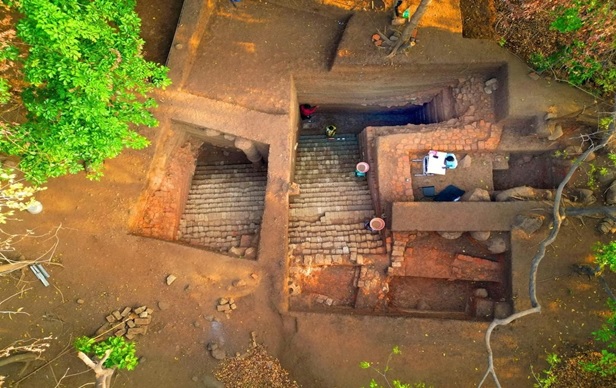
- A 1,500-year-old reservoir has been unearthed on Elephanta Island, shedding light on ancient water management systems and urban planning practices.
- The discovery is significant for understanding sustainable water conservation techniques used in early historic India.
Background and Context
- Elephanta Island, located near Mumbai, is renowned for its rock-cut cave temples, a UNESCO World Heritage Site.
- The island has historically been an important cultural, religious, and trade centre, with settlements dating back to early centuries CE.
- Water availability on the island has always been a challenge, making such discoveries crucial for understanding historical adaptation to geographical constraints.
Key Findings of the Discovery
- Archaeologists have uncovered a well-structured reservoir system, estimated to be around 1,500 years old.
- The structure indicates:
- Advanced engineering and planning techniques
- Efficient rainwater harvesting and storage mechanisms
- The reservoir was likely used to store water for domestic, religious, and possibly trade-related activities.
Significance of the Reservoir
1. Evidence of Advanced Water Management
The discovery highlights how ancient communities developed sophisticated water conservation systems suited to local environmental conditions.
2. Sustainable Practices in Ancient India
It reflects a strong emphasis on sustainability, efficient resource use, and ecological balance, long before modern environmental concerns.
3. Insights into Urban Planning
The presence of such infrastructure suggests planned settlements with provisions for long-term habitation.
4. Cultural and Archaeological Importance
The reservoir complements the historical significance of Elephanta’s cave complexes, offering a more holistic understanding of life on the island.
Relevance to Modern Water Management
- Ancient systems like this provide lessons for:
- Rainwater harvesting
- Decentralised water storage
- Climate-resilient infrastructure
- In the context of rising water scarcity, such discoveries underline the importance of reviving traditional knowledge systems.
Challenges
- Preservation of the site amidst tourism and environmental pressures
- Need for detailed archaeological study and documentation
- Risk of damage due to urbanisation and neglect
Way Forward
- Ensure scientific conservation and protection of the site
- Promote research and documentation of ancient water systems
- Integrate traditional practices into modern water management policies
- Enhance awareness about India’s rich heritage of sustainable living
Practice Questions
|
Prelims:
Q. Elephanta Caves, a UNESCO World Heritage Site, are located in:
(a) Gujarat
(b) Maharashtra
(c) Karnataka
(d) Tamil Nadu
Mains:
“Ancient Indian water management systems reflect a high degree of sustainability and environmental awareness. Discuss with reference to recent archaeological discoveries.”
|
FAQs
Q1. Where was the reservoir discovered ?
On Elephanta Island near Mumbai.
Q2. How old is the reservoir ?
Approximately 1,500 years old.
Q3. Why is the discovery important ?
It highlights ancient water conservation and urban planning practices.
Q4. What does it reveal ?
Advanced engineering and sustainable resource management.
Q5. How is it relevant today ?
It offers lessons for modern water conservation strategies.
|





 Contact Us
  New Batch : 9555124124/ 7428085757
  Tech Support : 9555124124/ 7428085757