Prelims: (Economy + CA)
Mains: (GS 3 – Indian Economy, Inflation, External Sector, Energy Security) |
Why in News ?
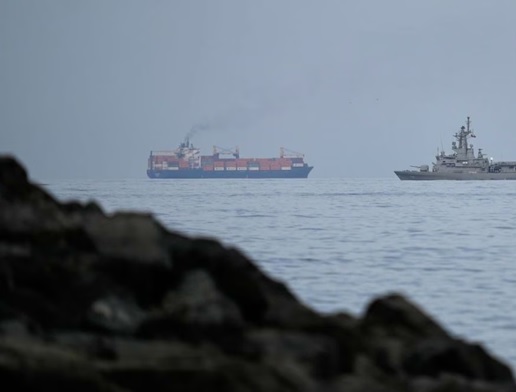
Rising global energy shocks—triggered by geopolitical conflicts and potential disruptions such as the closure of the Strait of Hormuz—are exerting pressure on India’s inflation, rupee stability, and economic growth.
This threatens India’s recent “Goldilocks phase”—a period of high growth with low inflation, highlighting vulnerabilities in India’s external sector and energy dependence.
Background and Context
What is the “Goldilocks Economy” ?
A Goldilocks economy refers to a situation where:
- Economic growth is strong but not overheating
- Inflation remains low and stable
India recently experienced such a phase, with:
- GDP growth rising above 7–8%
- Inflation falling below the Reserve Bank of India (RBI) target of 4%
However, external shocks—especially energy price volatility—are now threatening this balance.
India’s Structural Energy Vulnerability
Heavy Dependence on Energy Imports
India imports a significant share of its crude oil requirements, making it highly vulnerable to global disruptions.
Recent geopolitical events such as:
- Russia-Ukraine War
- Conflicts in West Asia
have exposed India’s structural dependence on imported energy.
Pressure on the Rupee
- Declining Foreign Direct Investment (FDI) inflows
- Rising portfolio outflows
This has led to:
- Depreciation of the rupee beyond ₹90–92 per dollar
- Possibility of further weakening if crude prices rise
Implications:
- Higher import bills
- Rising Current Account Deficit (CAD)
- Inflationary pressures
Rising Oil Prices: Impact on Economy
1. Inflationary Pressures
- Rising crude oil prices increase:
- Transportation costs
- Manufacturing costs
- Household fuel expenses
- Estimates suggest inflation may:
- Rise above 5% if oil crosses $100/barrel
2. Growth Slowdown
- Higher energy costs reduce:
- Consumer demand
- Industrial output
- GDP growth projections may fall below earlier estimates of ~7%
3. External Sector Stress
At elevated oil prices:
- Oil import bill could surge significantly
- CAD may exceed sustainable levels (~3% of GDP)
- Risk of currency depreciation and capital outflows
Domestic Impact: Fuel and Supply Constraints
- Gas shortages have led to:
- Prioritisation of essential sectors
- Increase in LPG prices
- Delays in refill cycles
- Though petrol/diesel prices remain stable, hidden inflation pressures are building.
Who Bears the Cost of Rising Fuel Prices ?
1. Government
- May cut excise duties to protect consumers
- Leads to revenue losses
2. Oil Marketing Companies (OMCs)
- Absorb short-term losses when prices are not passed on
- Financial stress may increase
3. Consumers (Indirectly)
- Face:
- Higher LPG and gas prices
- Rising cost of goods and services
Fiscal Implications
Pressure on Fiscal Targets
- Fiscal deficit target: ~4.3% of GDP
- Rising oil prices may:
- Increase subsidy burden
- Reduce tax revenues
Additional Stress Factors
- Fertiliser subsidies increase
- Economic growth moderation affects tax collections
Significance of the Issue
1. Threat to Macroeconomic Stability
Energy shocks can simultaneously affect:
- Inflation
- Growth
- Exchange rate
2. Exposure to External Shocks
Highlights India’s vulnerability to:
- Global supply disruptions
- Geopolitical instability
3. Policy Trade-offs
Government faces difficult choices between:
- Controlling inflation
- Maintaining fiscal discipline
- Supporting growth
4. Importance of Energy Security
Reinforces the need for:
- Diversification of energy sources
- Renewable energy transition
Way Forward
- Accelerate renewable energy adoption
- Diversify crude import sources
- Strengthen strategic petroleum reserves
- Enhance domestic energy production
- Build macroeconomic buffers (forex reserves, fiscal prudence)
FAQs
1. What is India’s Goldilocks phase ?
It refers to a period of high economic growth with low inflation, indicating macroeconomic stability.
2. Why do global energy shocks affect India significantly ?
Because India is heavily dependent on imported crude oil, making it vulnerable to global price fluctuations.
3. How do rising oil prices impact inflation ?
They increase transport, production, and fuel costs, leading to overall price rise in the economy.
4. What is the role of the Strait of Hormuz ?
The Strait of Hormuz is a critical oil transit route; disruptions here can significantly raise global oil prices.
5. What steps can India take to reduce energy vulnerability ?
Diversifying energy sources, boosting renewables, and strengthening reserves can improve resilience.
|






 Contact Us
  New Batch : 9555124124/ 7428085757
  Tech Support : 9555124124/ 7428085757