Indian puppetry is an integral part of India’s ancient cultural tradition. It is not just a form of entertainment but also a medium to convey social messages, folk tales, religious stories, and cultural heritage. In India, puppetry is broadly classified into four major types—String Puppets, Shadow Puppets, Glove Puppets, and Rod Puppets.
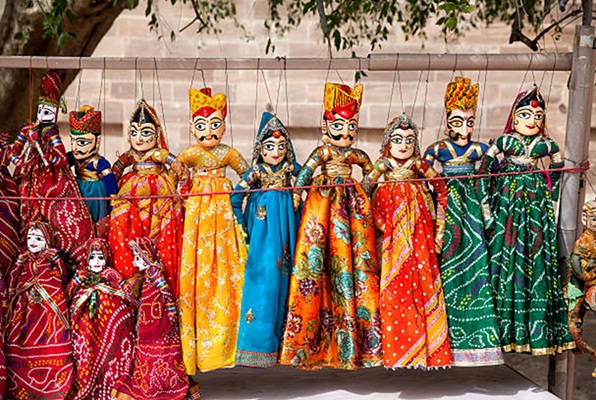
String Puppets (Marionettes)
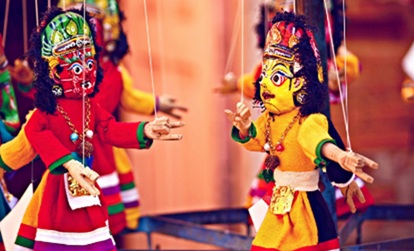
String puppets have jointed limbs controlled by strings.
Their flexibility, expressive movements, and realistic gestures make them the most lively and dynamic form of puppetry.
Regions
- Rajasthan
- Odisha
- Karnataka
- Tamil Nadu
Examples
1. Kathputli – Rajasthan
- The most famous puppetry style of India
- Colorful costumes, wooden heads, long strings
- Themes: Rajput bravery, local legends
2. Gombeyatta – Karnataka
- Influenced by the Yakshagana performance tradition
- Beautiful combination of woodwork and string control
3. Bommalattam – Tamil Nadu
- A unique blend of rod and string puppetry
- Large-sized puppets
- Themes from Tamil folklore and Puranic stories
4. Kundhei – Odisha
- Light wooden puppets controlled with strings
- Influenced by Jatra musical tradition
Shadow Puppets
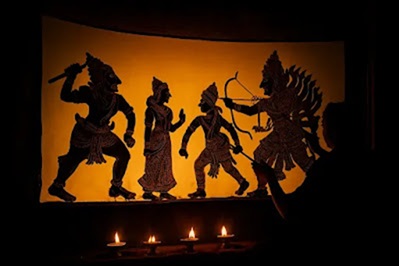
Shadow puppets are flat, usually made of processed leather to make them translucent. They are placed between a light source and a screen to create dramatic shadow performances.
Regions
- Odisha
- Kerala
- Andhra Pradesh
- Karnataka
- Maharashtra
- Tamil Nadu
Examples
1. Ravanachhaya – Odisha
- Flat black puppets without joints
- Based on Ramayana stories
2. Togalu Gombeyatta – Karnataka
- Colorful leather puppets
- Themes from mythology
Tholu Bommalata – Andhra Pradesh
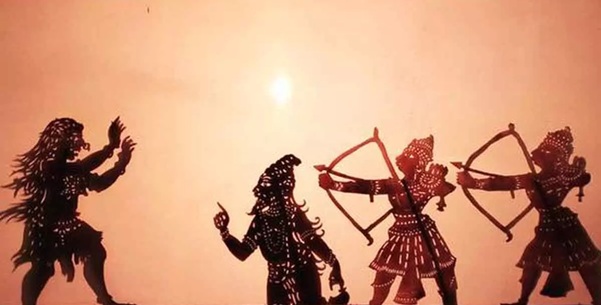
Known as “Dance of Leather Puppets”
- Puppets made of goat hide
- Performed on a vibrant translucent screen
- Characters include animals, birds, gods, demons
- Main themes: Ramayana and Mahabharata
Glove Puppets
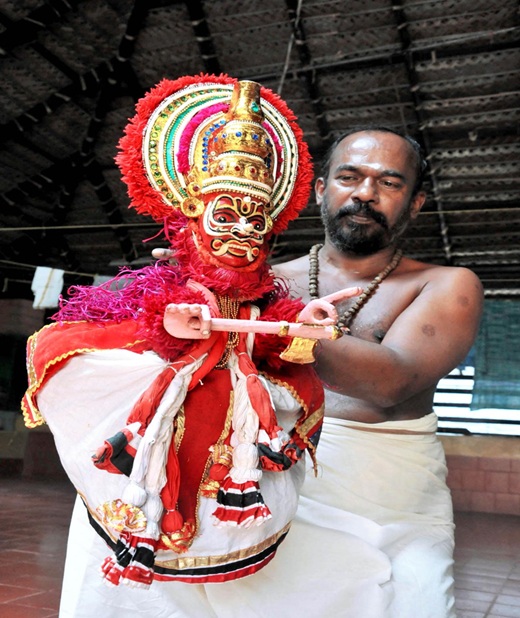
Glove puppets are worn on the hand like a glove. The performer uses fingers and palm movements to operate the puppet.
Regions & Styles
- Uttar Pradesh – Social themes and folk dramas
- Odisha – Radha–Krishna stories
- Kerala – Folk tales and temple traditions
Rod Puppets
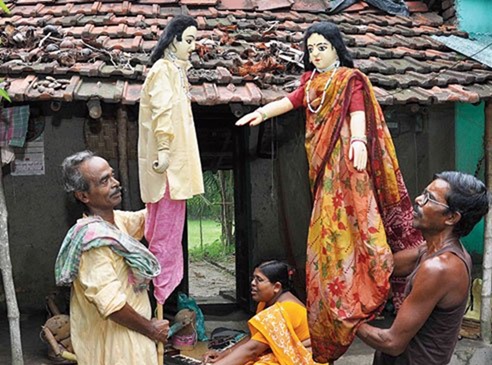
Rod puppets are larger in size and controlled by rods attached from below. They are considered an advanced form of glove puppets.
Regions
Examples
1. Putul Nach – West Bengal
- Puppets 3–4 feet tall
- Stories from Bengali folklore
2. Yampuri – Bihar
- Blend of mythology and folk theatre tradition
Cultural Importance of Indian Puppetry
- Preservation of folk tales and epics
- Medium for social awareness
- Showcases regional music, dialects, costumes
- Popular among children, rural communities, and festivals
Government Efforts
- Sangeet Natak Akademi – Training and funding
- National Puppet Theatre (Delhi)
- Art-integrated learning under NEP 2020
- Cultural and tourism ministry festivals and support
Challenges
- Declining popularity due to modern entertainment
- Limited income for traditional artists
- High cost of raw materials
- Low participation from younger generations
Conclusion
Indian puppetry is a vital part of the nation’s intangible cultural heritage. In the modern technological age, its preservation and revival require training support, digital promotion, and strong government assistance so that this rich art continues to thrive.







 Contact Us
  New Batch : 9555124124/ 7428085757
  Tech Support : 9555124124/ 7428085757