Prelims : (International Relations + CA)
Mains : (GS 2 – International Relations, Indian Diaspora; GS 3 – Security, Energy) |
Why in News ?
The ongoing conflict in West Asia has raised serious concerns for India due to its large diaspora presence, energy dependence, and maritime interests. The government has intensified evacuation efforts, activated consular mechanisms, and adopted a calibrated diplomatic stance emphasising dialogue and peace.
Background and Context
West Asia (Gulf region) is of critical importance to India due to :
- Large Indian diaspora
- Energy security (oil and gas imports)
- Strategic maritime routes such as the Strait of Hormuz
The current conflict has disrupted :
- Regional stability
- Shipping routes
- Economic activities
Indian Diaspora in the Gulf
- Approximately 1 crore (10 million) Indians reside in Gulf countries
- Major source states :
- Kerala
- Uttar Pradesh
- Bihar
- West Bengal
Importance :
- Key contributors to :
- Remittances
- Household incomes in India
Risk :
- Conflict threatens :
- Livelihoods
- Safety
- Economic stability of families back home
Stranded Indian Seafarers
- Around 700 Indian seafarers stuck
- On nearly 22 commercial ships
- Located near the Strait of Hormuz
Significance :
- Indians form a large share of global maritime workforce
- Disruptions increase :
- Safety risks
- Supply chain vulnerabilities
Evacuation and Relief Measures
- Over 3,75,000 Indians have returned safely
- Around 1,000 Indians evacuated from Iran :
- Including 700+ medical students
Additional Measures :
- CBSE cancelled Class 10 and 12 board exams in Gulf countries
- Steps taken to ensure academic continuity
Consular Mechanisms Activated
- Indian missions providing :
- Continuous assistance
- Regular advisories
- Measures include :
- 24/7 control rooms
- Emergency helplines in India and abroad
India’s Diplomatic Position: Dialogue Over Conflict
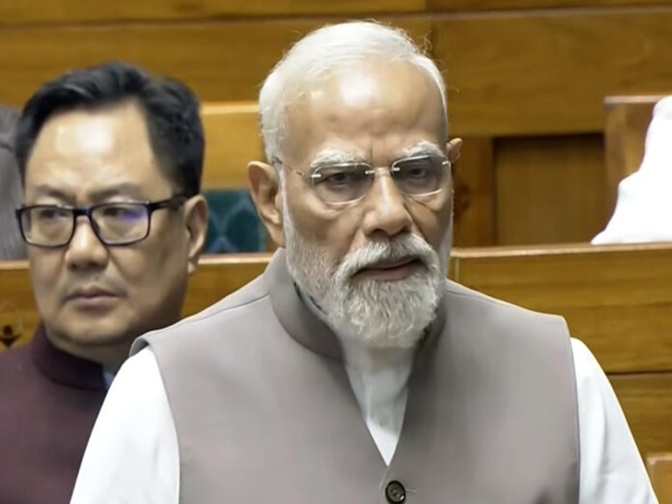
- Narendra Modi has :
- Spoken with leaders of :
- Iran
- Saudi Arabia
- United Arab Emirates
- Qatar
- Oman
- Kuwait
- Bahrain
Key Stand :
- Emphasis on :
- Consistent with India’s stance in :
India’s Strategic Silence: Diplomatic Signalling
Notable Observations :
- No direct condemnation of :
- No public condolences for Iranian leadership
Interpretation:
- Reflects India’s policy of strategic autonomy
Meaning :
- Avoiding alignment with any single bloc
- Maintaining relations with all stakeholders
- Protecting national interests
Key Challenges
- Safety of large diaspora population
- Disruptions in energy supplies
- Maritime security risks
- Balancing relations with competing global powers
Significance of India’s Approach
1. Protection of Indian Citizens
- Priority to evacuation and safety
2. Economic Stability
- Safeguards remittance flows and trade
3. Strategic Autonomy in Foreign Policy
- Maintains neutrality while engaging all sides
4. Energy Security
- Ensures continuity of oil imports
5. Global Diplomatic Role
- Positions India as a responsible and peace-oriented power
Way Forward
- Strengthen evacuation preparedness mechanisms
- Diversify :
- Energy sources
- Trade routes
- Enhance maritime security cooperation
- Continue diplomatic engagement with all stakeholders
- Develop long-term diaspora protection policies
FAQs
1. Why is the Gulf region important for India ?
Due to its large Indian diaspora, energy imports, and strategic trade routes.
2. What is the Strait of Hormuz’s significance ?
It is a key global oil transit chokepoint critical for India’s energy security.
3. What is India’s diplomatic stance on the conflict ?
India supports dialogue and diplomacy without taking sides.
4. What is strategic autonomy ?
It is India’s policy of maintaining independent foreign policy decisions without aligning with any major power bloc.
5. What are the main concerns for India in this crisis ?
Safety of citizens, energy security, economic impact, and geopolitical balancing.
|






 Contact Us
  New Batch : 9555124124/ 7428085757
  Tech Support : 9555124124/ 7428085757