
- UPSC Exam
- State PCS
- One Day Exam
- Current Affairs
- PT Quiz
- Downlaods
- About Coaching
- Blog
- Videos

| Prelims: (Defence + CA) Mains: (GS 2 – International Relations; GS 3 – Security & Defence) |
The sail training ship INS Tarangini is among several Indian and foreign naval vessels that arrived in Visakhapatnam for the International Fleet Review and the Exercise MILAN, beginning February 18. The participation of INS Tarangini highlights India’s maritime outreach, naval diplomacy, and commitment to professional training rooted in naval traditions.
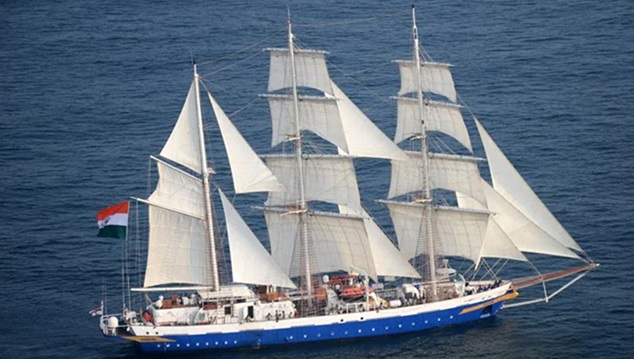
INS Tarangini was inducted to provide foundational seamanship training to officer cadets embarking on a naval career.
Its primary objectives include:
Sailing ships require coordinated teamwork, discipline, and mental toughness—qualities essential for naval officers.
The ship provides hands-on training in:
Unlike modern vessels dependent on automation, sail training requires physical effort and close coordination, thereby fostering strong interpersonal bonds and leadership capabilities.
This experiential learning builds character and confidence among cadets before they move on to technologically advanced combat platforms.
INS Tarangini frequently participates in international maritime events and goodwill visits, serving as a floating ambassador of India.
Its participation in Exercise MILAN, a multilateral naval exercise hosted by India, reinforces:
The International Fleet Review in Visakhapatnam also showcases India’s naval strength, maritime heritage, and growing global engagement.
INS Tarangini symbolises the blend of tradition and modernity in India’s naval evolution.
FAQs1. What is INS Tarangini ? INS Tarangini is the Indian Navy’s first Sail Training Ship used primarily for training officer cadets in traditional seamanship skills. 2. Why is sail training important in modern navies ? Sail training builds leadership, teamwork, endurance, and resilience—qualities essential for naval officers despite technological advancements. 3. What was INS Tarangini’s historic achievement ? It became the first Indian naval ship to circumnavigate the globe during 2003–2004. 4. What is Exercise MILAN ? Exercise MILAN is a multilateral naval exercise hosted by India to enhance maritime cooperation and strengthen naval diplomacy in the Indo-Pacific region. 5. How does INS Tarangini contribute to India’s foreign policy ? By participating in international fleet reviews and goodwill visits, it acts as a maritime ambassador, promoting defence diplomacy and regional cooperation. |



Our support team will be happy to assist you!

 Contact Us
  New Batch : 9555124124/ 7428085757
  Tech Support : 9555124124/ 7428085757