Why in News?
- Jaipur, the capital of Rajasthan, has been included in National Geographic’s Best of the World 2027 list of destinations worth visiting in the coming year.
- The recognition comes ahead of the city’s 300th foundation anniversary in 2027.
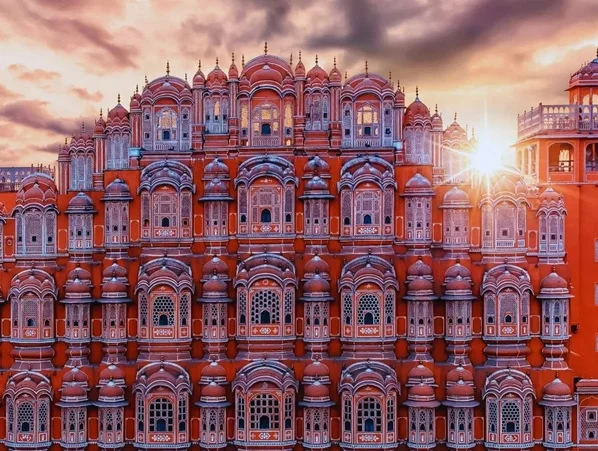
Why Has Jaipur Been Included in the Best of the World 2027 List?
National Geographic’s Best of the World list highlights destinations offering distinctive cultural experiences, historic milestones and important events.
Jaipur’s inclusion is associated with the following factors:
- 300th foundation anniversary: Jaipur will complete 300 years since its foundation in 1727, making 2027 a significant milestone in the city’s history.
- Architectural heritage: The city is known for its palaces, forts, historic gates, courtyards and distinctive facades.
- Cultural significance: Jaipur has a rich tradition of literature, art, jewellery, textiles, handicrafts and traditional craftsmanship.
- Major cultural events: The Jaipur Literature Festival and the International Kite Festival are among the prominent events that attract visitors.
- Heritage tourism: The city offers a combination of historical monuments, traditional markets, local cuisine and living cultural traditions.
Jaipur: Historical Background
Jaipur was founded in 1727 by Maharaja Sawai Jai Singh II, the ruler of the Kachwaha Rajput kingdom of Amber. The establishment of Jaipur marked an important development in the history of urban planning in India.
The main historical features of the city include:
- Foundation: 1727, under Maharaja Sawai Jai Singh II.
- Location: Rajasthan, northwestern India.
- Historical significance: An important centre of Rajput political, architectural and cultural heritage.
- Urban planning: Designed with organised streets, market areas and planned neighbourhoods.
- Pink City identity: The historic city became widely known for the pink colour of many of its buildings.
Unlike cities that developed gradually without a unified plan, Jaipur was designed with considerable attention to its street network, commercial activities and urban organisation.
Why Is Jaipur Known as the Pink City?
Jaipur is popularly known as the Pink City because of the distinctive pink colour associated with many buildings in its historic centre.
The tradition is commonly linked to the 1876 visit of the Prince of Wales, later King Edward VII, when the city was painted pink as a gesture of hospitality. The colour subsequently became an important part of Jaipur’s identity.
The pink facades, historic streets and traditional architecture contribute to the city’s distinctive visual character and tourism appeal.
Jaipur’s Architectural Heritage
Jaipur represents an important example of planned urban development in pre-modern India. Its architecture reflects Rajput traditions alongside influences from Mughal and other architectural styles.
Important examples include:
- Hawa Mahal: Known for its distinctive facade and numerous small windows, it is one of Jaipur’s most recognisable landmarks.
- City Palace: A historic palace complex that reflects the architectural and cultural legacy of Jaipur’s royal rulers.
- Jantar Mantar: An astronomical observatory established by Maharaja Sawai Jai Singh II. It demonstrates the development of observational astronomy and scientific instruments in India.
- Amber Fort: Located near Jaipur, it is an important example of Rajput architecture and fortification.
- Nahargarh Fort: Located in the Aravalli Hills overlooking Jaipur.
- Jaigarh Fort: Built in 1726 by Maharaja Sawai Jai Singh II, Jaigarh Fort is situated on the Cheel ka Teela (Hill of Eagles) in the Aravalli range, overlooking Amber Fort.
- Jal Mahal: A palace situated in the middle of Man Sagar Lake, known for its distinctive setting.
These monuments collectively demonstrate the historical importance of Jaipur as a centre of architecture, astronomy, governance and cultural development.
UNESCO World Heritage Status
- Jaipur’s historic walled city was inscribed on the UNESCO World Heritage List in 2019.
- The recognition acknowledges its planned urban form, historic architecture, traditional commercial streets and continuing cultural life.
- The walled city reflects the integration of residential areas, markets, religious buildings and public spaces within an organised urban framework.
- Its heritage value also lies in the fact that the historic city is not merely a collection of monuments. It continues to function as a living urban centre where traditional occupations, markets and cultural practices remain important.
- Heritage conservation in Jaipur therefore requires balancing tourism, infrastructure development, residents’ needs and the preservation of historic buildings.
Cultural Events That Strengthen Jaipur’s Global Appeal
Jaipur’s cultural calendar is an important reason for its recognition as a tourism destination.
- Jaipur Literature Festival: A major literary event that brings together writers, thinkers, publishers and readers from India and abroad. The 2027 edition is scheduled for 14–18 January, according to the information provided in the report.
- International Kite Festival: Celebrated around Makar Sankranti in January, the festival features colourful kites and attracts participants and visitors.
- Gangaur Festival: A traditional Rajasthani festival associated with Goddess Gauri, marriage traditions and seasonal celebrations. It features processions, music and cultural performances.
- Traditional crafts: Jaipur is known for block printing, blue pottery, jewellery, gemstone cutting, textiles and other craft traditions.
These events contribute to cultural exchange, local employment, tourism revenue and the preservation of traditional knowledge.
Significance of Jaipur’s Inclusion for India
Jaipur’s inclusion in the list has implications beyond tourism.
- Promotion of cultural diplomacy: International recognition of Indian heritage can strengthen India’s cultural presence and global image.
- Tourism-led economic growth: Increased tourist interest can benefit hotels, restaurants, transport operators, guides and local businesses.
- Support for traditional crafts: Greater demand for Jaipur’s handicrafts, textiles, jewellery and other products can create livelihood opportunities for artisans.
- Employment generation: Heritage and cultural tourism can support jobs in hospitality, transport, event management and conservation.
- Preservation of cultural identity: Increased awareness can encourage investment in restoring historic buildings and protecting traditional practices.
- Sustainable urban development: Jaipur provides an opportunity to demonstrate how historic cities can combine heritage conservation with modern infrastructure and public services.
Challenges in Heritage Conservation and Tourism
Despite its cultural significance, Jaipur faces several challenges.
- Urbanisation pressure: Rapid development can affect historic buildings, traditional neighbourhoods and the character of the walled city.
- Traffic congestion: Growing visitor numbers and increasing vehicle use can put pressure on narrow historic streets and public spaces.
- Environmental concerns: Waste generation, air pollution and pressure on water resources can affect the quality of the visitor experience and residents’ lives.
- Commercialisation of heritage: Unplanned commercial development may weaken the authenticity of historic neighbourhoods and traditional markets.
- Conservation funding: Historic structures require regular maintenance, specialised restoration and technical expertise.
- Tourism management: Popular monuments and cultural events need effective crowd management, public facilities and accessible transport.
Addressing these challenges requires cooperation among the state government, local authorities, conservation experts, tourism operators, businesses and residents.
Way Forward
Jaipur’s growing international visibility should be accompanied by a long-term strategy for heritage protection and sustainable tourism.
- Integrated heritage planning: Ensure that urban development respects the historic street network, architectural character and traditional markets.
- Sustainable tourism: Improve waste management, public transport, pedestrian access and visitor facilities.
- Support for artisans: Strengthen market access, skill development and fair remuneration for traditional craft workers.
- Digital heritage preservation: Use digital mapping, documentation and suitable technologies to record and monitor historic structures.
- Community participation: Involve residents, local businesses and heritage groups in conservation decisions.
- Responsible promotion: Distribute tourism across different sites and neighbourhoods to reduce pressure on heavily visited monuments.
- Improved accessibility: Make heritage sites more accessible while respecting conservation requirements.
These measures can help Jaipur protect its historic character while generating economic and social benefits from tourism.
Conclusion
Jaipur’s inclusion in National Geographic’s Best of the World 2027 list highlights the global appeal of India’s cultural and architectural heritage. As the city approaches its 300th foundation anniversary, its planned urban layout, historic monuments, literary events and traditional crafts offer valuable opportunities for tourism and cultural exchange.
However, international recognition must be supported by effective conservation, sustainable tourism and inclusive urban development. Jaipur’s experience demonstrates that heritage cities can contribute to economic growth while preserving their historical identity for future generations.





 Contact Us
 New Batch : 9555124124/ 7428085757
 Tech Support : 9555124124/ 7428085757
