


| GS Paper I: Indian Culture – Art Forms, Literature and Architecture from Ancient to Modern Times GS Paper III: Tourism Development and Conservation of Cultural Heritage Keywords: Nelakondapalli Buddhist Stupa, Telangana Buddhist Heritage, Mahastupa, Buddhist Viharas, Ikshvaku Dynasty, Vishnukundin Dynasty, Buddhist Tourism, Archaeological Conservation. |
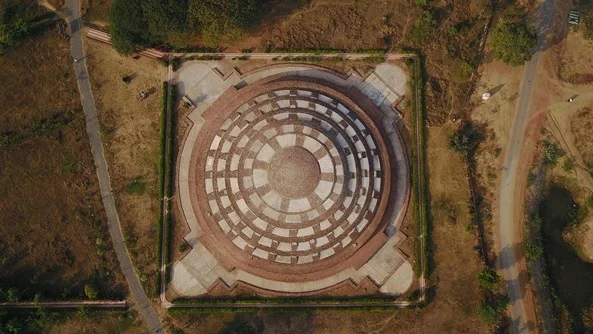
Nelakondapalli is an important archaeological site associated with the spread and development of Buddhism in the Deccan region. The site contains the remains of a large Buddhist Mahastupa, monastic establishments and several ancient structures.
|
Feature |
Details |
|
Location |
Nelakondapalli, Khammam district, Telangana |
|
Assembly constituency |
Palair |
|
Distance from Khammam |
Approximately 21 km |
|
Religious association |
Buddhism |
|
Major monument |
Brick-built Buddhist Mahastupa |
|
Historical period |
Early centuries CE, with remains particularly associated with the 3rd–4th centuries CE |
|
Associated dynasties |
Satavahana, Ikshvaku and Vishnukundin |
|
Important discoveries |
Buddhist sculptures, coins, pottery, terracotta figurines and monastic remains |
|
Archaeological importance |
Evidence of Buddhist religious and monastic activity in ancient Telangana |
The Khammam district administration records that the historic settlement is surrounded by an earthen fortification covering nearly 100 acres.
The archaeological remains of Nelakondapalli reflect the influence of different ruling dynasties that shaped the cultural and religious history of the Deccan.
|
Dynasty |
Approximate period |
Historical connection |
|
Satavahana |
c. 1st century BCE–3rd century CE |
Early Buddhist patronage in the Deccan; Satavahana-period coins are associated with the site |
|
Ikshvaku |
c. 3rd–4th century CE |
Important phase of Buddhist architectural and religious activity |
|
Vishnukundin |
c. 5th–7th century CE |
Archaeological evidence of later settlement and cultural activity |
Excavated coins and archaeological layers particularly establish connections with the Ikshvaku and Vishnukundin periods.
|
Archaeological discovery |
Historical significance |
|
Buddhist Mahastupa |
Indicates Buddhist worship and religious activity |
|
Brick-built viharas |
Provide evidence of organised monastic communities |
|
Bronze Buddha image |
Reflects Buddhist artistic and religious traditions |
|
Limestone miniature stupa |
Demonstrates Buddhist religious symbolism and sculptural craftsmanship |
|
Terracotta figurines |
Offer insights into material culture and artistic practices |
|
Ikshvaku and Vishnukundin coins |
Help identify chronological phases and economic activities |
|
Wells and water-storage structures |
Indicate organised settlement and water-management practices |
|
Pottery and beads |
Provide evidence of everyday life, craftsmanship and material culture |
The Mahastupa is the principal archaeological attraction of Nelakondapalli. Its design reflects the development of Buddhist religious architecture in ancient South India.
The Telangana government aims to develop the site into an internationally recognised Buddhist tourism destination while maintaining its archaeological authenticity.
|
Proposed initiative |
Objective |
|
Restoration and conservation |
Protect the historic Mahastupa and other structures |
|
Tourist amenities |
Improve facilities for domestic and international visitors |
|
Interpretation facilities |
Communicate the site's history and archaeological importance |
|
Walking tracks and landscaping |
Improve accessibility and the visitor experience |
|
Scientific archaeological surveys |
Identify and preserve buried historical remains |
|
Stakeholder consultations |
Include Buddhist monks, heritage experts and local communities |
|
Tourism promotion |
Position Nelakondapalli within Buddhist tourism networks |
|
Buddhist site |
District |
Major historical significance |
|
Nelakondapalli |
Khammam |
Large brick-built Mahastupa, Buddhist monasteries and ancient sculptures |
|
Phanigiri |
Suryapet |
Important Buddhist monastic complex with stupas and sculptural remains |
|
Dhulikatta |
Peddapalli |
Early Buddhist stupa and Satavahana-period archaeological remains |
|
Kotilingala |
Jagtial |
Early historic settlement associated with Satavahana history |
|
Buddhavanam |
Nalgonda |
Modern Buddhist heritage and interpretation project near Nagarjuna Sagar |
Prelims Practice QuestionQ. With reference to the Nelakondapalli Buddhist site, consider the following statements:
Which of the statements given above are correct? (A) 1 and 2 only (B) 2 and 3 only (C) 1 and 3 only (D) 1, 2 and 3 Mains Practice QuestionQ. Discuss the archaeological and cultural significance of Buddhist heritage sites in the Deccan region. How can heritage conservation and sustainable tourism development be balanced in India? |
1. Where is Nelakondapalli Buddhist Stupa located?It is located in Nelakondapalli village, approximately 21 km from Khammam in Telangana. 2. Why is Nelakondapalli historically important?It contains remains of a large Buddhist Mahastupa, monasteries, sculptures, ancient coins and other archaeological evidence of Buddhist activity in the Deccan. 3. Which ancient dynasties are associated with Nelakondapalli?The Satavahana, Ikshvaku and Vishnukundin dynasties are associated with different historical and archaeological phases of the site. 4. What important objects were discovered during excavations?Discoveries include Buddhist sculptures, a bronze Buddha image, terracotta figurines, pottery, coins, brick-built viharas and a miniature limestone stupa. 5. Is Nelakondapalli a UNESCO World Heritage Site?No. |




