
- UPSC Exam
- State PCS
- One Day Exam
- Current Affairs
- PT Quiz
- Downlaods
- About Coaching
- Blog
- Videos

| Prelims: (Defence & Security + Science & Technology + CA) Mains: (GS 3 – Defence Technology, Indigenisation, Internal Security) |
Bengaluru-based defence manufacturer Alpha Design Technologies Ltd (ADTL) has completed a major upgrade of the Indian Air Force’s Pechora surface-to-air missile (SAM) system, aligning with the government’s push to modernise ageing military platforms through indigenous capability and self-reliance.
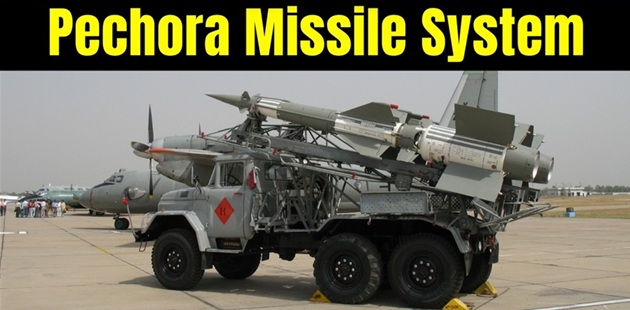
India’s air defence architecture includes a mix of legacy Soviet-era systems and modern indigenous and imported platforms. Many older systems, though structurally sound, require technological upgrades to remain effective against evolving aerial threats such as drones, cruise missiles, and electronic warfare environments.
The Pechora system, inducted decades ago, continues to serve as a critical component of India’s low- to medium-altitude air defence grid, especially for point defence of strategic installations. The recent upgrade reflects India’s broader defence policy focus on:
The Pechora, officially designated as the S-125 Neva/Pechora, is a Soviet-origin, medium-range surface-to-air missile (SAM) system designed to intercept low- and medium-altitude aerial targets.
It was originally developed to counter:
Over time, it has been adapted and upgraded by several countries, including India, to meet modern operational requirements.
The Pechora system comprises:
These parameters make Pechora particularly suited for point defence of high-value assets such as air bases, industrial installations, and urban centres.
The modernisation of Pechora by ADTL represents a major step in:
This aligns with national initiatives such as:
In the evolving security environment, aerial threats increasingly include:
Upgraded legacy systems like Pechora:
To further enhance air defence readiness, India should:
Such a multi-layered and indigenised approach will ensure sustained air defence preparedness in an increasingly contested aerial domain.
FAQsWhat is the Pechora missile system ? The Pechora, or S-125 Neva/Pechora, is a Soviet-origin medium-range surface-to-air missile system designed to intercept low- and medium-altitude aerial targets. Why is the Pechora system being upgraded ? To extend its service life, improve performance, and align it with modern air defence requirements through indigenous technology. What types of targets can Pechora effectively engage ? Low-flying aircraft, drones, cruise missiles, and slow-moving aerial threats. What are the range and altitude capabilities of the system ? It has a firing range of up to 30–35.4 km and can engage targets from 20 metres up to 20–25 km in altitude. How does the Pechora upgrade support India’s defence strategy ? It strengthens self-reliance, enhances layered air defence, and reduces dependence on foreign defence suppliers. |



Our support team will be happy to assist you!

 Contact Us
  New Batch : 9555124124/ 7428085757
  Tech Support : 9555124124/ 7428085757