New
Hindi Medium: (Delhi) - GS Foundation (P+M) : 6th July 2026, 6:00 PM Hindi Medium: (Prayagraj) - GS Foundation (P+M) : 1st June 2026, 5:30 PM English Medium: (Delhi) - GS Foundation (P+M) : 20th July 2026 Hindi Medium: (Delhi) - GS Foundation (P+M) : 6th July 2026, 6:00 PM Hindi Medium: (Prayagraj) - GS Foundation (P+M) : 1st June 2026, 5:30 PM English Medium: (Delhi) - GS Foundation (P+M) : 20th July 2026

Sahariya Tribe: History, Culture, PVTG Status and Key Facts

Why in News ?

  • Recently, the President of India, Droupadi Murmu, interacted with members of the Sahariya tribe at Kuno National Park. 
Tribal Identity

  • The Sahariya are recognised as a Particularly Vulnerable Tribal Group (PVTG) by the Government of India due to their socio-economic vulnerability. 
  • They are primarily concentrated in the states of Madhya Pradesh and Rajasthan. 
  • They are also known by names such as Seher, Sair, Savar, Saonar, and Sahra in different regions. 
  • The term "Sahariya" is believed to be derived from the Persian word 'Sehra', meaning forest or wilderness, reflecting their traditional forest-based lifestyle. 

Social and Cultural Features

  • Their traditional settlements are known as Seharana
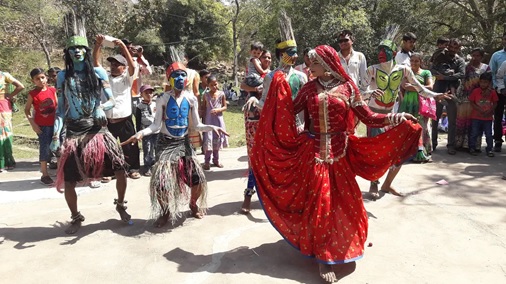
  • Their famous folk dance, Saharia Swang, is performed during the Holi festival and depicts themes from mythology and everyday life. 
  • Traditional musical instruments used in the dance include the dhol, nagari, and matki
  • They mainly practise Hinduism, blended with animistic beliefs, including the worship of nature, ancestors, and local deities. 
  • The community is divided into several sub-groups, including Jati, Arsi, Muli, Kindal, and Kumbi

Economic Activities

  • The Sahariya primarily depend on forest produce, wage labour, and small-scale agriculture for their livelihood. 
  • They cultivate small landholdings, mainly growing rain-fed crops such as millets, pulses, and maize. 
  • They are traditionally skilled in producing catechu (katha) from Khair trees, a product widely used in betel leaf preparation and traditional medicine. 
  • Collection and sale of minor forest produce such as mahua flowers, tendu leaves, honey, gum, and medicinal plants also form an important source of income.
Have any Query?

Our support team will be happy to assist you!

OR