
- UPSC Exam
- State PCS
- One Day Exam
- Current Affairs
- PT Quiz
- Downlaods
- About Coaching
- Blog
- Videos

| Prelims: (Economy + CA) Mains: (GS 2 – India & Neighbourhood Relations; GS 3 – Infrastructure, Water Resources & Energy) |
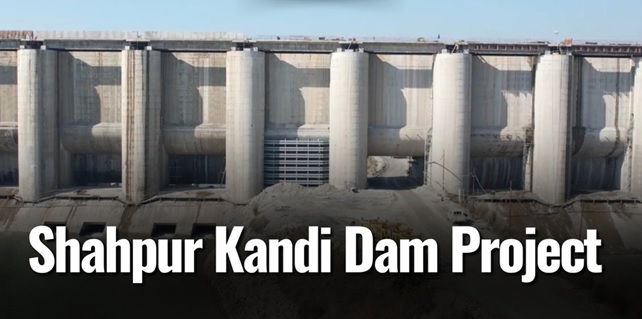
India plans to block the surplus flow of the Ravi River to Pakistan as the long-delayed Shahpur Kandi Dam Project on the Punjab–Jammu & Kashmir border approaches completion.
The development assumes significance in the context of India’s utilisation of its share of eastern rivers under the Indus Waters Treaty (IWT).
Background and Treaty Context
The Indus Waters Treaty (1960) allocates the waters of:
Despite having full rights over the eastern rivers, India has historically been unable to fully utilise its allocated share, resulting in some surplus water flowing into Pakistan.
The completion of the Shahpur Kandi Dam is expected to help India optimise the utilisation of Ravi waters for irrigation and power generation.
The Shahpur Kandi Dam is located in Pathankot district, Punjab, downstream of the Ranjit Sagar Dam.
Key Features
The project involves the construction of a dam and hydropower facilities to regulate and utilise surplus water.
The project experienced delays due to inter-state disputes between Punjab and Jammu & Kashmir over water sharing and power allocation.
Optimal Utilisation of Eastern Rivers
The dam enables India to fully utilise its share of Ravi waters under the Indus Waters Treaty, reducing unutilised outflow to Pakistan.
Irrigation Benefits
Power Generation
The water released from Ranjit Sagar Dam will be used for hydroelectric generation at Shahpur Kandi, enhancing renewable energy capacity.
Strategic Signalling
In the backdrop of fluctuating India–Pakistan relations, efficient utilisation of treaty-allocated waters strengthens India’s strategic position without violating treaty obligations.
The project underscores:
The eventual breakthrough in disputes allowed the project to resume construction after years of stagnation.
Significance
The Shahpur Kandi Dam represents a critical step in optimising eastern river resources while balancing development and treaty obligations.
FAQs1.Where is the Shahpur Kandi Dam located? It is located on the Ravi River in Pathankot district, Punjab, downstream of the Ranjit Sagar Dam. 2.Why is the project important under the Indus Waters Treaty? It helps India fully utilise its allocated share of waters from the eastern rivers. 3.Who is funding the project? Punjab contributes 80 percent of the cost, while the Central Government funds the remaining 20 percent. 4.What are the key benefits of the dam? It provides irrigation support and hydroelectric power generation. 5.Why was the project delayed? Delays occurred due to inter-state disputes between Punjab and Jammu & Kashmir regarding water sharing and power distribution. |



Our support team will be happy to assist you!

 Contact Us
  New Batch : 9555124124/ 7428085757
  Tech Support : 9555124124/ 7428085757