Key Highlights
- The Ministry of Environment, Forest and Climate Change (MoEFCC) has designated Siliserh Lake in Rajasthan and Kopra Reservoir in Chhattisgarh as new Ramsar Wetlands of International Importance.
- With this declaration, the total number of Ramsar sites in India has increased to 96, the highest in Asia.
Kopra Reservoir
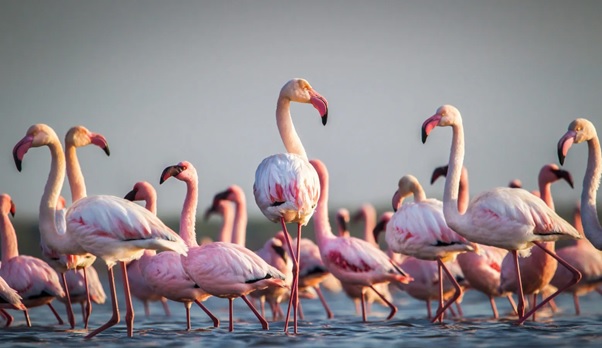
- Location: Bilaspur district, Chhattisgarh
- River Basin: Upper catchment of the Mahanadi River
- Significance:
- First Ramsar site of Chhattisgarh
- 95th Ramsar site of India
Siliserh Lake
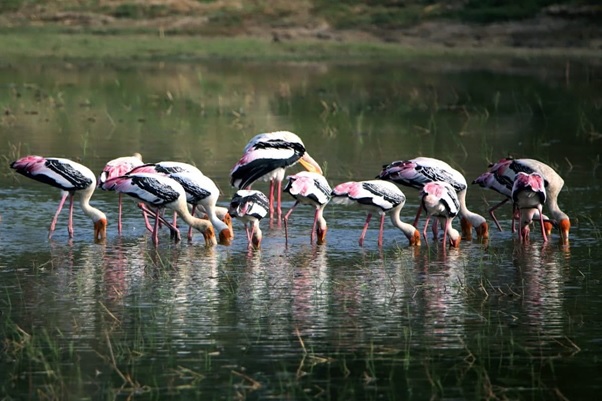
- Location: Alwar district, Rajasthan
- Significance:
- 5th Ramsar site of Rajasthan
- 96th Ramsar site of India
- Note: Prior to this, Rajasthan had four Ramsar sites.
Ramsar Convention: Global Treaty for Wetland Conservation
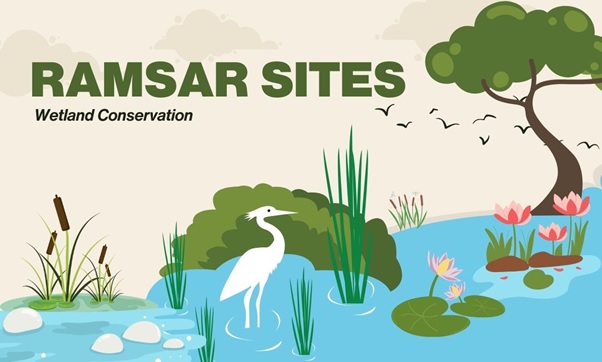
- The Ramsar Convention is an international treaty for the conservation and wise (sustainable) use of wetlands.
- It was adopted on 2 February 1971 in the city of Ramsar, Iran.
- The Convention came into force on 21 December 1975.
- Its primary objective is to protect wetlands of international importance and promote their sustainable use worldwide.
Key Facts about the Ramsar Convention
|
Aspect
|
Details
|
|
Adopted
|
2 February 1971
|
|
Entered into force
|
21 December 1975
|
|
Headquarters
|
Gland, Switzerland
|
|
Total Contracting Parties
|
172 countries (as of 2024)
|
|
India became a member
|
1 February 1982
|
|
World Wetlands Day
|
2 February
|
|
Administrative authority
|
International Union for Conservation of Nature (IUCN)
|
Three Core Objectives of the Ramsar Convention
- Conservation and wise use of wetlands
- Promotion of cooperation at local, national, and international levels
- Monitoring, management, and protection of Ramsar Sites
India and the Ramsar Convention
Important Facts
|
Aspect
|
Details
|
|
India’s membership
|
1 February 1982
|
|
Total Ramsar Sites in India (Jan 2024)
|
96
|
|
First Ramsar Sites (1981)
|
Chilika Lake (Odisha) & Keoladeo National Park (Rajasthan)
|
|
Largest Ramsar Site in India
|
Sundarbans Delta (West Bengal)
|
|
Smallest Ramsar Site in India
|
Rudrasagar Lake (Tripura)
|
|
Maximum sites added in a single year
|
11 sites in 2022
|
|
Date of addition of 11 sites
|
15 August 2022
|
Ramsar Sites in India (State-wise List)
Andhra Pradesh
-
Kolleru Lake
Assam
-
Deepor Beel
Bihar
- Kanwar Lake
- Nagi Bird Sanctuary
- Nakti Bird Sanctuary
- Gokul Reservoir (Buxar)
- Udaipur Lake (West Champaran)
- Gogabil Lake (Katihar)
Goa
- Nanda Lake
Gujarat
- Khijadiya Bird Sanctuary
- Nalsarovar Bird Sanctuary
- Thol Lake
- Wadhvana Wetland
Haryana
- Sultanpur National Park
- Bhindawas Wildlife Sanctuary
Himachal Pradesh
- Chandertal Lake
- Pong Dam Lake
- Renuka Lake
Jammu & Kashmir
- Hokersar Wetland
- Hygam Wetland
- Shallabugh Wetland
- Surinsar–Mansar Lakes
- Wular Lake
Karnataka
- Ranganathittu Bird Sanctuary
- Magadi Kere Conservation Reserve
- Ankasamudra Bird Conservation Reserve
- Aghanashini Estuary
Kerala
- Ashtamudi Wetland
- Sasthamkotta Lake
- Vembanad–Kol Wetland
Chhattisgarh
-
Kopra Reservoir
Ladakh
-
Tso Kar Lake
-
Tso Moriri Lake
Madhya Pradesh
- Bhoj Wetland
- Sakhya Sagar
- Sirpur Lake
- Yashwant Sagar
- Tawa Reservoir
Maharashtra
- Lonar Lake
- Nandur Madhmeshwar
- Thane Creek
Manipur
- Loktak Lake
Mizoram
- Pala Wetland
Odisha
- Ansupa Lake
- Bhitarkanika Mangroves
- Chilika Lake
- Hirakud Reservoir
- Satkosia Gorge
- Tampara Lake
Punjab
- Beas Conservation Reserve
- Harike Wetland
- Kanjli Wetland
- Keshopur–Miani Community Reserve
- Nangal Wildlife Sanctuary
- Ropar Wetland
Rajasthan
- Keoladeo National Park
- Sambhar Lake
- Menar Wetland
- Khichan Wetland Site
- Siliserh Lake
Tamil Nadu
- Chitrangudi Bird Sanctuary
- Gulf of Mannar Marine Biosphere Reserve
- Kanjirankulam Bird Sanctuary
- Karikili Bird Sanctuary
- Koonthankulam Bird Sanctuary
- Pallikaranai Marsh Reserve Forest
- Pichavaram Mangroves
- Point Calimere Wildlife & Bird Sanctuary
- Suchindram–Theroor Wetland Complex
- Udayamarthandapuram Bird Sanctuary
- Vaduvur Bird Sanctuary
- Vedanthangal Bird Sanctuary
- Vellode Bird Sanctuary
- Vembannur Wetland Complex
- Kazhuveli Bird Sanctuary
- Nanjarayan Bird Sanctuary
- Karaivetti Bird Sanctuary
- Longwood Shola Reserve Forest
- Sakkarakottai Bird Sanctuary
- Thiruthangal Bird Sanctuary
Tripura
- Rudrasagar Lake
Uttar Pradesh
- Bakhira Wildlife Sanctuary
- Haiderpur Wetland
- Nawabganj Bird Sanctuary
- Parvati Arga Bird Sanctuary
- Saman Bird Sanctuary
- Samaspur Bird Sanctuary
- Sandi Bird Sanctuary
- Sarsai Nawar Lake
- Sur Sarovar
- Upper Ganga River
Uttarakhand
-
Asan Barrage
Jharkhand
-
Udhwa Lake
West Bengal
- East Kolkata Wetlands
- Sundarban Wetland
Sikkim
-
Khecheopalri Wetland
Key Facts
- Tamil Nadu has the highest number of Ramsar sites (20) in India.
- Uttar Pradesh ranks second with 10 Ramsar sites.
Wetland:-
- A wetland is an area where the soil remains wet all the time or for most of the time, and the water level is close to the ground surface. These areas may be permanently or temporarily covered with water.
- Wetlands are often called the “Kidneys of the Earth” because they filter pollutants, regulate water flow, and maintain ecological balance.
Types of Wetlands under the Ramsar Convention
According to the Ramsar Convention, wetlands are classified into three categories:
- Marine and Coastal Wetlands
- Mangroves, coral reefs, coastal lagoons, estuaries.
- Inland Wetlands (Rivers & Lakes)
- Lakes, rivers, deltas, reservoirs.
- Artificial Wetlands.
- Paddy fields, reservoirs, artificial lakes.
Importance of Ramsar Sites in India
- Biodiversity Conservation: Provide natural habitats for wildlife and migratory birds.
- Water Resource Management: Help in groundwater recharge and flood control.
- Tourism and Economy: Promote eco-tourism and local livelihoods.
- Carbon Sequestration: Absorb greenhouse gases and mitigate climate change.
Importance of Wetlands
- Maintain ecological balance.
- Help in flood control by absorbing excess rainwater
- Act as natural water purifiers.
- Conserve biodiversity (birds, fish, aquatic species).
- Support human livelihoods like fisheries, agriculture, tourism, and water supply.
What Can We Do to Protect Wetlands?
- Avoid dumping plastic and waste into water bodies.
- Prevent encroachment on wetlands.
- Create awareness among local communities.
- Stop deforestation and promote afforestation.
- Support government and environmental conservation initiatives.







 Contact Us
  New Batch : 9555124124/ 7428085757
  Tech Support : 9555124124/ 7428085757