Prelims : International Relations + Geography + CA
Mains : GS Paper 2 – International Relations; GS Paper 3 – Energy Security |
Why in News?
Amid escalating geopolitical tensions in West Asia and disruptions in maritime trade routes, China has urged Iran to ensure the safety and uninterrupted freedom of navigation through the Strait of Hormuz, a critical global energy corridor.
- Wang Yi conveyed China’s concerns during diplomatic engagements with Iranian leadership, emphasising the need to maintain stability in international shipping lanes.
- The development comes at a time when conflict-driven uncertainties, naval deployments, and restrictions on shipping movements have raised serious concerns about global oil supply chains and trade continuity.
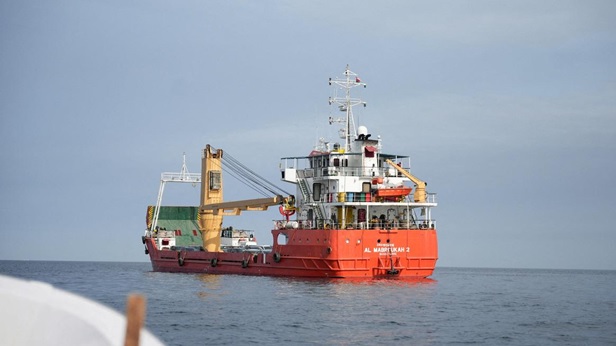
About the Strait of Hormuz
The Strait of Hormuz is one of the most strategically significant maritime chokepoints in the world.
- It is a narrow waterway located between Iran and Oman, acting as the only sea passage connecting the Persian Gulf with the Arabian Sea and the wider Indian Ocean.
- At its narrowest point, it is only about 55 km wide, making it highly vulnerable to blockades, military disruptions, and geopolitical tensions.
- Nearly one-fifth of the world’s total petroleum and liquefied natural gas (LNG) supply passes through this strait, making it indispensable for global energy security.
Background of the Current Crisis
1. Intensification of Iran–US Tensions
- The ongoing strategic confrontation between Iran and the United States has led to heightened instability in the region, particularly around critical maritime zones.
- Iran has, at various points, attempted to assert control over shipping routes in the strait, creating uncertainty for international vessels and increasing the risk of disruptions in global trade.
2. Increased Militarisation and Naval Presence
- The region has witnessed a significant rise in naval deployments by multiple countries, leading to a highly militarised maritime environment where the risk of miscalculation or accidental escalation is extremely high.
- The presence of competing naval forces has complicated navigation, with commercial vessels facing both security threats and regulatory uncertainties.
3. Disruption of Global Energy Supply Chains
- Any restriction or perceived threat to navigation through the strait has immediate repercussions on global oil markets, leading to :
- Sharp fluctuations in crude oil prices
- Increased transportation and insurance costs for shipping companies
- Supply chain disruptions affecting industries worldwide
- These developments highlight the fragility of global energy systems when dependent on narrow geographic chokepoints.
Why Did China Intervene ?
China’s appeal to Iran is rooted in a combination of economic necessity, geopolitical strategy, and global leadership aspirations :
1. Critical Dependence on Energy Imports
- China is one of the largest importers of crude oil in the world, with a significant portion of its energy supplies originating from the Gulf region.
- Any disruption in the Strait of Hormuz directly threatens :
- Industrial production and manufacturing output
- Energy security and domestic economic stability
- Long-term growth prospects of the Chinese economy
- Therefore, ensuring uninterrupted passage is a strategic priority for China’s economic sustainability.
2. Safeguarding Global Trade and Supply Chains
- As a leading trading nation, China relies heavily on stable maritime routes for the movement of goods and resources.
- The Strait of Hormuz is not only vital for oil but also for broader trade flows, making its security essential for :
- Global supply chain continuity
- International trade stability
- Economic interdependence among nations
- China’s intervention reflects its interest in maintaining open and secure global commons.
3. Strategic Diplomatic Positioning
- China maintains close diplomatic and economic ties with Iran while also engaging with other global powers, allowing it to act as a balancing force in international relations.
- By urging Iran to ensure freedom of navigation, China is attempting to :
- Position itself as a responsible global stakeholder
- Promote de-escalation and conflict resolution
- Enhance its influence in West Asian geopolitics
4. Preventing Escalation into a Wider Conflict
- China recognises that instability in the Strait of Hormuz could escalate into a broader regional or even global conflict, affecting multiple stakeholders.
- Ensuring safe navigation is seen as a confidence-building measure that can reduce tensions and prevent further deterioration of the security environment.
Legal Dimension: Freedom of Navigation
1. Principle of Transit Passage
- Under the United Nations Convention on the Law of the Sea, all ships and aircraft have the right to unimpeded transit passage through international straits used for navigation.
- This principle is fundamental to maintaining global maritime order and ensuring that no single country can arbitrarily restrict access.
2. Emerging Legal and Strategic Concerns
- Attempts by Iran to regulate or restrict passage, including proposals for selective access or additional conditions, raise concerns about :
- Violation of international maritime norms
- Precedents that could undermine global trade systems
- Increased tensions among major powers
- These developments highlight the gap between legal principles and geopolitical realities.
Significance of the Issue
1. Central Role in Global Energy Security
- The Strait of Hormuz acts as a lifeline for global energy supply, and any disruption can trigger :
- Sudden spikes in oil prices affecting global markets
- Inflationary pressures in both developed and developing economies
- Economic instability, particularly in energy-importing countries
- This makes the strait a critical node in the global economic system.
2. Strategic Geopolitical Importance
- Control and influence over the strait have far-reaching implications for global power dynamics, making it a focal point of strategic competition among major powers.
3. Implications for India
- India is heavily dependent on oil imports from the Gulf region, with a significant portion transported through the Strait of Hormuz.
- Disruptions could lead to :
- Increased import bills and pressure on foreign exchange reserves
- Domestic inflation due to rising fuel prices
- Adverse impacts on economic growth and fiscal stability
4. Impact on Global Trade and Maritime Security
- Beyond energy, the strait is vital for global shipping, and disruptions can :
- Affect international logistics networks
- Increase shipping costs and insurance premiums
- Undermine confidence in maritime security
Challenges
1. High Risk of Military Escalation
- The presence of multiple naval forces increases the likelihood of accidental clashes or deliberate confrontations, which could rapidly escalate into a larger conflict.
2. Weak Enforcement of International Law
- While UNCLOS provides a legal framework, enforcement depends on state cooperation, making it difficult to prevent violations in conflict situations.
3. Complex Geopolitical Rivalries
Way Forward
1. Strengthening Diplomatic Engagement
2. Upholding International Maritime Norms
3. Promoting Multilateral Cooperation
4. Diversifying Energy Sources and Routes
Practice Questions
Prelims
Q. The Strait of Hormuz connects :
(a) Red Sea and Mediterranean Sea
(b) Persian Gulf and Arabian Sea
(c) Arabian Sea and Bay of Bengal
(d) Black Sea and Caspian Sea
Mains
“The Strait of Hormuz remains one of the most critical chokepoints in global geopolitics and energy security.” Analyse in the context of recent developments.
FAQs
Q1. Why is the Strait of Hormuz important ?
It is a key route for global oil and gas transport.
Q2. Why did China intervene ?
To protect energy security and global trade stability.
Q3. What is the main issue ?
Threats to freedom of navigation due to geopolitical tensions.
Q4. What does international law say ?
It guarantees free transit passage through international straits.
Q5. Why is it important for India ?
India depends heavily on energy imports through this route.
|






 Contact Us
  New Batch : 9555124124/ 7428085757
  Tech Support : 9555124124/ 7428085757