Why in the news ?
- Recently, the Union Ministry of Environment, Forest and Climate Change (MoEFCC) released key findings (Insights) from India's first national report on the Nagoya Protocol on Access and Benefit Sharing (ABS).
- This report was submitted by India to the Convention on Biological Diversity (CBD) Secretariat on February 27, 2026.
- The report aims to assess the status of access to genetic resources and fair and equitable benefit sharing (Fair and Equitable Benefit Sharing) in the country.
What is the Nagoya Protocol ?
- The Nagoya Protocol is an international agreement adopted under the Convention on Biological Diversity (CBD), which was adopted in 2010, while the CBD was adopted globally in 1992.
- Its objective is to regulate access to biological resources, ensure equitable and just distribution of benefits arising from their use, and protect the rights and interests of local communities and traditional knowledge holders.
- It also emphasizes promoting biodiversity conservation and sustainable use of biological resources.
- In India, it is implemented through the Biodiversity Act, 2002 and the Access and Benefit Sharing (ABS) Regulations, 2014.
Key Points of the Report
Increase in ABS Approvals Across the Country
- According to the report, a total of 12,830 approvals were granted under the Access and Benefit Sharing (ABS) framework in the country between November 1, 2017, and December 31, 2025.
- Of these, 5,913 approvals were issued by the National Biodiversity Authority (NBA), while 6,917 approvals were granted by State Biodiversity Boards (SBBs) and Union Territory Biodiversity Councils. This reflects the increasing implementation of the ABS mechanism in the country.
India's Contribution Globally
- India has published 3,556 Internationally Recognized Certificates of Compliance (IRCC) under the Access and Benefit Sharing Clearing-House.
- This number represents approximately 60 percent of the total certificates issued globally.
- This clearly shows that India is among the leading countries in implementing access and benefit sharing arrangements for biological resources.
Economic Gains from Benefit Sharing
- A total amount of ₹216.31 crore was received through ABS agreements.
- Of this, approximately ₹139.69 crore was distributed to beneficiaries, local communities, and stakeholders.
- However, the report also mentions that no consolidated public data repository is yet available for information and data related to these agreements, which limits access to information.
Key Case Studies Included in the Report
- The report includes 12 successful case studies demonstrating the effective implementation of the Access and Benefit Sharing (ABS) mechanism and the economic and social benefits it has generated for local communities.
Madhya Pradesh: Use of Medicinal Plants for Dengue Treatment
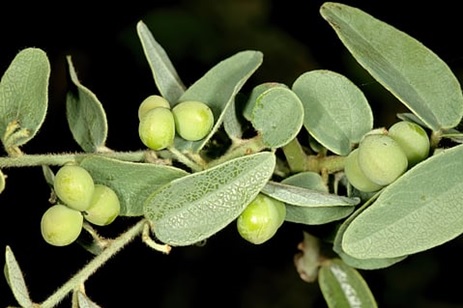
- In 2017, Sun Pharmaceutical Industries obtained access to a medicinal plant called Cocculus hirsutus from forest areas in Chhindwara district, Madhya Pradesh. The company believed the plant had potential for treating dengue.
- An advance payment of ₹4.5 lakh was stipulated in this case under the Access and Benefit Sharing (ABS) mechanism. The company requested a fee waiver, which was declined. Subsequently, an agreement was concluded on January 24, 2019, and the company paid the agreed amount.
- In accordance with ABS regulations, 95 percent of the funds received (₹427,500) were transferred to the Madhya Pradesh Minor Forest Produce Cooperative Federation. This amount was used for biodiversity conservation, resource management, and community development activities, while the remaining amount was kept for administrative purposes.
- This example demonstrates the important role the ABS mechanism is playing in providing direct economic benefits to local communities through the commercial exploitation of biological resources.
Uttar Pradesh: Bioethanol Research Project
- Indian Oil Corporation Limited used agricultural residues obtained from Narau village in Aligarh district, Uttar Pradesh, for research on improving bioethanol production. The project aimed to increase biofuel production capacity through better utilization of agricultural waste.
- An advance payment of ₹18.60 lakh was determined in this case under the Access and Benefit Sharing (ABS) arrangement. Of the amount received, ₹17.67 lakh was transferred to the Uttar Pradesh State Biodiversity Board (SBB), while the remaining amount was retained by the National Biodiversity Authority (NBA) and the State Biodiversity Board as administrative expenses.
- This example demonstrates that the use of bioresources and agricultural residues can ensure research, energy production, and benefits to local stakeholders.
Maharashtra: Soil Samples Benefit Villagers
- Locals in Dapur village, Maharashtra, provided soil samples that were used to identify microorganisms of industrial importance and commercialize probiotics.
- In this case, Advanced Enzyme Technologies paid a benefit-sharing amount of approximately ₹71.25 lakh.
- This case is considered a significant example of the success of the ABS system, as it provided direct economic benefits to local communities in exchange for their biological resources and traditional contributions. This demonstrates that biodiversity conservation and local development can complement each other.
Key Challenges Identified by the Report
The report identified some key challenges in ABS implementation:
Strengthening digital systems
- Improved monitoring systems
- Data integration
Valuation of biological resources
- Need to develop appropriate methodology for economic valuation of biological resources
Institutional capacity building
- Need for capacity development at the state and local levels
Awareness and coordination
- Increasing institutional coordination among stakeholders
- Raising awareness of the ABS mechanism
Importance of ABS Mechanisms in India
- Economic benefits to local communities
- Promotion of biodiversity conservation
- Protection of traditional knowledge
- Promotion of sustainable use of biological resources
- Support to research and innovation
Conclusion
- India's first national report on the Nagoya Protocol provides an important picture of the country's biological resource use, benefit sharing, and community-based conservation model.
- The report clearly demonstrates that India has not only established global leadership through the ABS mechanism but has also made significant progress in delivering economic benefits to local communities. In the future, this system can be further strengthened by strengthening digital infrastructure, data management, and institutional coordination.






 Contact Us
  New Batch : 9555124124/ 7428085757
  Tech Support : 9555124124/ 7428085757