Prelims: International Relations + CA
Mains: GS Paper 2 – International Relations; GS Paper 3 – Energy Security, Global Stability |
Why in News ?
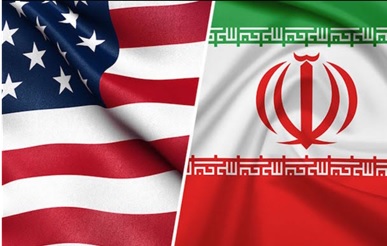
- A ceasefire between the United States and Iran was announced following heightened tensions lasting over a month.
- The agreement, facilitated through diplomatic efforts including outreach by Shehbaz Sharif, marks a temporary de-escalation in a volatile region.
- The development has significant implications for global energy security, regional stability, and international diplomacy.
Background and Context
- The conflict between the United States and Iran escalated over strategic and geopolitical issues, including nuclear concerns and regional influence in West Asia.
- The tensions raised fears of disruption in the Strait of Hormuz, a critical route for global oil shipments.
- After 39 days of hostilities, the ceasefire offers a temporary pause in military escalation, creating space for diplomatic negotiations.
Key Takeaways of the Ceasefire
1. De-escalation by the United States
- Donald Trump initially adopted a confrontational stance, marked by aggressive rhetoric and threats targeting Iran’s infrastructure.
- However, the ceasefire reflects a shift towards de-escalation and diplomatic engagement, signalling a pragmatic recalibration of strategy.
2. Iran’s Strategic Leverage: Strait of Hormuz
- Iran leveraged its control over the Strait of Hormuz, through which nearly one-fifth of global oil trade passes, to exert pressure.
- Restrictions on maritime movement led to spikes in global oil prices and disruptions in energy supply chains.
- The temporary reopening of the Strait indicates a strategic pause while retaining long-term leverage.
3. Complex Negotiation Dynamics
- Iran has proposed a comprehensive set of demands, including:
- Lifting of sanctions
- Recognition of uranium enrichment rights
- Security guarantees and troop withdrawal
- These demands reflect a maximalist negotiating position, making future talks complex and uncertain.
4. Pakistan’s Emerging Role as Mediator
- Pakistan has played an active diplomatic role in facilitating the ceasefire.
- It is attempting to position itself as a key mediator by hosting future negotiations, enhancing its geopolitical relevance.
5. Relief for the Region
- The conflict caused significant casualties and widespread disruption across West Asia, including countries like:
- Saudi Arabia
- Qatar
- United Arab Emirates
- The ceasefire provides a temporary respite, allowing affected nations to stabilise their economies and infrastructure.
Impact on Global Stability
1. Energy Security Concerns
Disruptions in the Strait of Hormuz led to volatility in global oil markets, affecting energy-importing countries worldwide.
2. Risk of Wider Conflict
The escalation highlighted the possibility of a broader regional conflict involving multiple actors, including non-state groups.
3. Importance of Maritime Security
The situation underscores the strategic importance of free navigation in global chokepoints, crucial for international trade.
Impact on India
1. Energy and Economic Impact
India, which depends heavily on Gulf energy imports, faced supply disruptions and rising import costs, affecting economic stability.
2. Relief Due to Ceasefire
The reopening of the Strait of Hormuz has provided significant relief by restoring energy supply routes.
3. Impact on Indian Diaspora
The conflict affected Indian nationals in the Gulf region, raising concerns for safety and remittance flows.
4. Strategic Concerns
India emphasised the importance of regional stability and uninterrupted trade routes, crucial for its economic interests.
Challenges Ahead
- The ceasefire is temporary and fragile, with unresolved core issues.
- Divergent demands between the United States and Iran may hinder long-term peace negotiations.
- Continued geopolitical rivalry in West Asia poses risks to global stability.
Way Forward
- Promote sustained diplomatic engagement and dialogue between conflicting parties
- Strengthen multilateral frameworks for conflict resolution
- Ensure security of global energy routes and maritime chokepoints
- Encourage regional cooperation for long-term peace and stability
Practice Questions
|
Prelims:
Q. The Strait of Hormuz connects:
(a) Red Sea and Mediterranean Sea
(b) Persian Gulf and Gulf of Oman
(c) Arabian Sea and Bay of Bengal
(d) Black Sea and Caspian Sea
Mains:
“Discuss the geopolitical significance of the Strait of Hormuz in the context of the US–Iran conflict. How do such conflicts impact global and Indian interests ?”
|
FAQs
Q1. What triggered the US–Iran conflict ?
Geopolitical tensions, including nuclear issues and regional influence.
Q2. Why is the Strait of Hormuz important ?
It is a major global oil transit route.
Q3. What is the significance of the ceasefire ?
It reduces immediate tensions and opens space for negotiations.
Q4. How does it affect India ?
Through energy supply, economic stability, and diaspora safety.
Q5. Is the ceasefire permanent ?
No, it is temporary and subject to further negotiations.
|






 Contact Us
  New Batch : 9555124124/ 7428085757
  Tech Support : 9555124124/ 7428085757