
- UPSC Exam
- State PCS
- One Day Exam
- Current Affairs
- PT Quiz
- Downlaods
- About Coaching
- Blog
- Videos

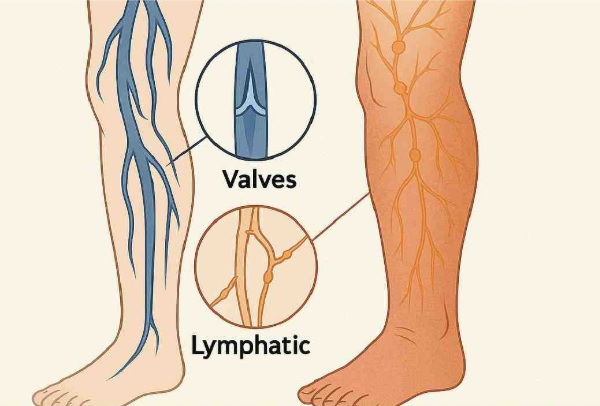
Lymphedema is an abnormal, persistent swelling of a body part (most commonly an arm or a leg) that occurs when the lymphatic system does not function properly.
The lymphatic system works as the body’s drainage and filtration network. It:
When this system becomes blocked or damaged, fluid accumulates in tissues → causing swelling (edema).
This condition is called lymphedema.
1. Primary Lymphedema
(Congenital / genetic)
2. Secondary Lymphedema (Most common)
Early Stage
Advanced Stage
Treatment
Important: Lymphedema is a chronic condition — it cannot usually be completely cured, but it can be effectively controlled.
Goals of Treatment
Scientists have recently identified a new cellular mechanism regulating lymph flow. This may lead to future targeted therapies — meaning lymphedema might one day be treated more effectively instead of only being managed.



Our support team will be happy to assist you!

 Contact Us
  New Batch : 9555124124/ 7428085757
  Tech Support : 9555124124/ 7428085757