New
Hindi Medium: (Delhi) - GS Foundation (P+M) : 14th Oct. 2026, 06:00 PM Hindi Medium: (Prayagraj) - GS Foundation (P+M) : 22nd Sept. 2026, 8:00 AM English Medium: (Delhi) - GS Foundation (P+M) : 26th Sept. 2026 English Medium: (Prayagraj) - GS Foundation (P+M) : 19th Aug 2026, 11:00 AM Hindi Medium: (Delhi) - GS Foundation (P+M) : 14th Oct. 2026, 06:00 PM Hindi Medium: (Prayagraj) - GS Foundation (P+M) : 22nd Sept. 2026, 8:00 AM English Medium: (Delhi) - GS Foundation (P+M) : 26th Sept. 2026 English Medium: (Prayagraj) - GS Foundation (P+M) : 19th Aug 2026, 11:00 AM

World Heart Day 2026: Cardiovascular Diseases, Risk Factors and Global Heart Health

Keywords: World Heart Day 2026, World Heart Federation, Don’t Miss a Beat, Cardiovascular Diseases, CVD, Heart Attack, Stroke, Hypertension, Cholesterol, Non-Communicable Diseases, WHO Global Hearts Initiative, Preventive Healthcare, Primary Healthcare, SDG 3.4, Public Health, Air Pollution.

Why in News?

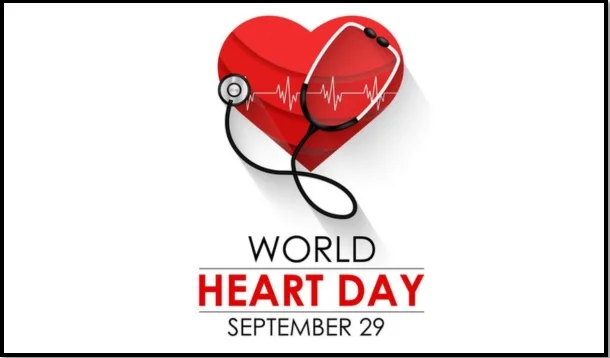
  • World Heart Day is observed every year on 29 September and is led globally by the World Heart Federation to increase awareness about cardiovascular health. The 2026 campaign focuses on recognising hidden or overlooked symptoms of cardiovascular disease and encouraging preventive action.
  • The campaign also calls for stronger cardiovascular-health systems, including national action plans, prevention, early detection and equitable access to treatment. The WHF notes that fewer than 20 countries currently have a standalone national plan specifically addressing CVDs.

What is World Heart Day?

World Heart Day is an annual global health-awareness campaign focused on cardiovascular diseases. The idea was introduced by the World Heart Federation in 1999 with support from WHO, while the first official World Heart Day was observed in 2000. Since 2011, it has been observed on a fixed date, 29 September.

Cardiovascular Diseases: Key Facts

  • Cardiovascular diseases are a group of disorders affecting the heart and blood vessels, including coronary heart disease, cerebrovascular disease, rheumatic heart disease and congenital heart disease. WHO identifies CVDs as the leading cause of death globally, with around 19.8 million deaths estimated in 2022.
  • Heart attacks and strokes account for the majority of cardiovascular deaths. Major preventable risk factors include tobacco use, unhealthy diet, physical inactivity, harmful alcohol use, high blood pressure, high blood glucose and abnormal blood lipids.

Major Risk Factors

  • The risk of cardiovascular disease is influenced by behavioural, metabolic and environmental factors. Tobacco use, unhealthy diets, physical inactivity and harmful alcohol consumption can contribute to conditions such as hypertension, obesity, diabetes and high cholesterol.
  • Air pollution is also an important environmental risk factor. WHO highlights that improving air quality, promoting physical activity and making healthy food choices more accessible can contribute to reducing cardiovascular risks.

Global and Developmental Significance

  • Cardiovascular diseases are not only a medical issue but also a development challenge, particularly for low- and middle-income countries. More than three-quarters of CVD deaths occur in these countries, where gaps in early detection, primary healthcare and access to essential medicines can increase the burden.
  • The WHO Global Hearts Initiative, launched in 2016, seeks to strengthen cardiovascular disease prevention and management through primary healthcare and supports the global goal of reducing premature deaths from CVDs by one-third by 2030.

Challenges

Major challenges include delayed diagnosis, inadequate awareness of symptoms, unequal access to healthcare and insufficient prevention of hypertension, diabetes and high cholesterol. Cardiovascular risks are also influenced by urbanisation, ageing populations, unhealthy lifestyles and environmental pollution.

Way Forward

A comprehensive approach should focus on prevention, early screening, stronger primary healthcare, affordable medicines, healthier urban environments and public awareness. Governments can also strengthen national cardiovascular-health plans and integrate CVD prevention into broader non-communicable disease strategies.

MCQ

Consider the following statements regarding World Heart Day:

  1. It is observed annually on 29 September.
  2. It is led globally by the World Heart Federation.
  3. The 2026 campaign is titled “Don’t Miss a Beat”.

Which of the statements given above is/are correct?

A. 1 and 2 only
B. 2 and 3 only
C. 1 and 3 only
D. 1, 2 and 3

Mains Question

Discuss the major risk factors associated with cardiovascular diseases. How can strengthening preventive and primary healthcare help reduce the global burden of CVDs?

FAQs

1. When is World Heart Day observed?

World Heart Day is observed annually on 29 September.

2. Who leads World Heart Day globally?

The campaign is led by the World Heart Federation (WHF).

3. What is the theme of World Heart Day 2026?

The 2026 campaign continues “Don’t Miss a Beat”, focusing on recognising overlooked signs and symptoms of heart disease.

4. What are the major risk factors for cardiovascular diseases?

Important risk factors include tobacco use, unhealthy diet, physical inactivity, harmful alcohol use, hypertension, high blood glucose, obesity and abnormal blood lipids.

5. What is the WHO Global Hearts Initiative?

It is a WHO initiative launched in 2016 to strengthen prevention and management of cardiovascular diseases through primary healthcare.

Have any Query?

Our support team will be happy to assist you!

OR