
Autoimmune Blistering Diseases (AIBDs): Overview, Symptoms, Health Impacts and Treatment
Why in News
Researchers from Punjabi University, Patiala and PGIMER Chandigarh have developed AI-based diagnostic tools for identifying Autoimmune Blistering Diseases (AIBDs).
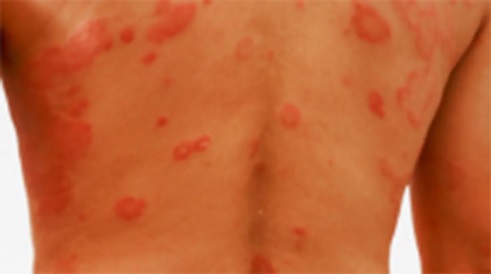
Disease Overview
AIBDs are a group of rare autoimmune bullous disorders affecting the skin and mucous membranes.
The immune system mistakenly attacks healthy skin tissues and structural proteins.
This abnormal immune response leads to blister formation and tissue damage.
Clinical Features
Blisters may appear on the skin, mouth, nose, eyes and genital regions.
The blisters are often painful and may be associated with severe itching.
Ruptured blisters frequently leave ulcers and exposed skin surfaces.
The location of lesions varies depending on the specific disease subtype.
Health Consequences
Severe cases may lead to extensive skin loss resembling burn injuries.
Patients face a higher risk of secondary bacterial infections.
Long-term disease can result in nutritional deficiencies and eye complications.
Untreated cases may become life-threatening.
Treatment Approaches
Corticosteroids remain the primary treatment option for controlling inflammation.
Immunosuppressive drugs help reduce abnormal immune activity.
Biological agents such as Rituximab are increasingly being used.
Proper wound care and infection prevention are critical components of treatment.



