
- UPSC Exam
- State PCS
- One Day Exam
- Current Affairs
- PT Quiz
- Downlaods
- About Coaching
- Blog
- Videos

| Prelims: (Geography + CA) Mains: (GS 3 – Infrastructure, Disaster Management, Energy Security; GS 1 – Physical Geography) |
Operations at the 450 MW Stage-I of the Baglihar Hydropower Project were recently suspended after flooding affected the project site on the Chenab River in Jammu & Kashmir.
The incident has raised concerns about the vulnerability of hydropower infrastructure to extreme weather and river flow fluctuations.
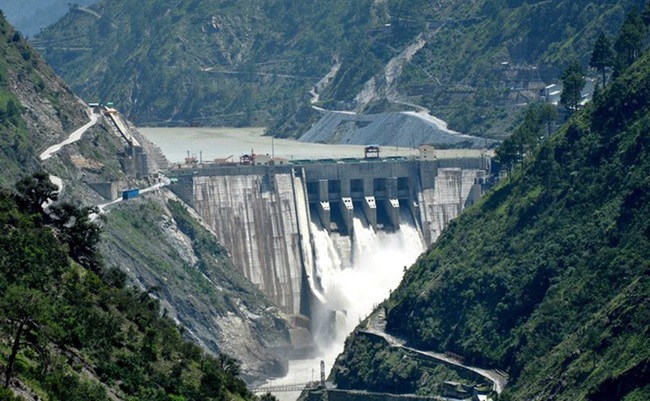
The Chenab River basin is prone to heavy rainfall, glacial melt, and flash floods, particularly during monsoon and extreme weather events. Hydropower projects located in Himalayan river systems face increasing climate variability risks.
The temporary shutdown of a major generating unit highlights the need for improved flood management, dam safety protocols, and climate-resilient infrastructure planning.
The Baglihar Hydropower Project is a 900 MW run-of-the-river power project located on the Chenab River in Ramban district of Jammu and Kashmir.
The project is a major contributor to northern India’s power supply and plays a role in regional energy security.
The Chenab valley is a structural trough formed between the Great Himalayan and Pir Panjal ranges.
Left Bank Tributaries:
Right Bank Tributaries:
1. Energy Security
2. Strategic Importance
Although primarily a run-of-the-river project, dam infrastructure helps moderate river flows to some extent.
Temporary suspension of operations underscores the need for:
Infrastructure Resilience: Hydropower projects in fragile Himalayan terrain must integrate disaster risk reduction measures.
Environmental Concerns: Run-of-the-river projects, though less storage-intensive, remain vulnerable to flash floods and glacial lake outburst floods (GLOFs).
Policy Perspective: The incident highlights the importance of balancing renewable energy expansion with ecological sensitivity and safety planning.
FAQs1. What is the capacity of the Baglihar project? It has a total installed capacity of 900 MW, with two stages of 450 MW each. 2. On which river is it located? It is located on the Chenab River in Jammu & Kashmir. 3. What type of dam is constructed? It is a concrete gravity dam under a run-of-the-river scheme. 4. Why were operations suspended? Due to flooding that affected Stage-I operations. 5. Why is the Chenab River important? It is the largest tributary of the Indus River and holds hydrological and strategic significance. |



Our support team will be happy to assist you!


 Contact Us
  New Batch : 9555124124/ 7428085757
  Tech Support : 9555124124/ 7428085757