
New
Hindi Medium: (Delhi) - GS Foundation (P+M) : 8th June 2026, 6:30 PM Hindi Medium: (Prayagraj) - GS Foundation (P+M) : 1st June 2026, 5:30 PM English Medium: (Prayagraj) - GS Foundation (P+M) : 7th June 2026, 8:00 AM Hindi Medium: (Delhi) - GS Foundation (P+M) : 8th June 2026, 6:30 PM Hindi Medium: (Prayagraj) - GS Foundation (P+M) : 1st June 2026, 5:30 PM English Medium: (Prayagraj) - GS Foundation (P+M) : 7th June 2026, 8:00 AM

Dark Patterns: Meaning, Types, Concerns and Regulatory Framework

Why in News?

A recent report estimates that Indian consumers lose nearly ₹25,000–28,000 crore annually due to the use of dark patterns on digital platforms. The growing prevalence of these deceptive practices has raised concerns about consumer rights, transparency, and ethical business conduct in the digital economy.
Concept and Origin

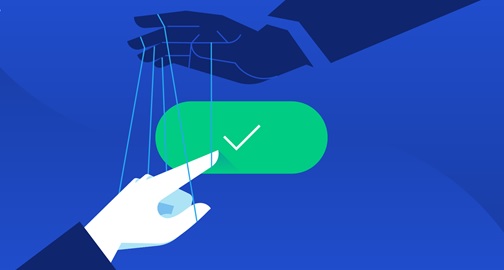
Dark patterns are deceptive user interface (UI) and user experience (UX) design practices that manipulate, mislead or coerce users into making decisions that they might not have made voluntarily. These practices exploit human psychology and cognitive biases to influence consumer behavior.

The term “Dark Patterns” was coined in 2010 by web usability expert Harry Brignull. Since then, the concept has gained global attention as online platforms increasingly employ design techniques to maximize profits, collect personal data, or increase user engagement.

Regulatory Framework in India

To safeguard consumer interests, the Central Consumer Protection Authority (CCPA) issued the Guidelines for Prevention and Regulation of Dark Patterns, 2023. These guidelines identify and prohibit 13 specific dark patterns that are considered unfair trade practices.

The regulations are backed by the provisions of the Consumer Protection Act, 2019, which aims to ensure transparency, informed consent, and fair treatment of consumers in digital marketplaces.

Major Types of Dark Patterns

  1. False Urgency Creating artificial scarcity or countdown timers to pressure users into making quick purchases. 
  2. Basket SneakingAdding products, services, or donations to a shopping cart without the user's explicit consent. 
  3. Subscription Trap Making it easy to subscribe but difficult to cancel a service or membership. 
  4. Drip Pricing Revealing additional charges such as taxes, convenience fees, or service charges only at the final stage of payment. 
  5. Bait and Switch Advertising one product or offer but replacing it with a different, often less favorable, alternative after user engagement. 
  6. Confirm Shaming Using guilt-inducing language to discourage users from declining an offer. 
  7. Forced Action Requiring users to perform unrelated actions, such as sharing personal data, to access a service. 

Governance and Consumer Protection Concerns

  • Dark patterns undermine the principle of informed consumer consent
  • They reduce transparency and trust in digital commerce. 
  • Such practices can lead to financial losses, privacy violations, and poor consumer experiences. 
  • Vulnerable groups, including children and elderly users, are particularly susceptible to manipulation. 
  • The widespread use of dark patterns raises concerns about ethical technology design and corporate accountability. 

Way Forward

  • Strengthen monitoring and enforcement mechanisms by regulatory authorities. 
  • Increase consumer awareness regarding deceptive online practices. 
  • Encourage platforms to adopt ethical and transparent design standards. 
  • Promote digital literacy to help users identify and avoid manipulative interfaces. 
  • Impose stricter penalties on companies that repeatedly engage in prohibited dark patterns. 

Conclusion

Dark patterns represent a significant challenge in the digital economy by compromising consumer autonomy and informed decision-making. Effective regulation, stronger enforcement, and greater public awareness are essential to ensure a fair, transparent and consumer-friendly digital marketplace.


Have any Query?

Our support team will be happy to assist you!

OR
