New
GS Foundation (P+M) - Delhi : 19th Jan. 2026, 11:30 AM GS Foundation (P+M) - Prayagraj : 09th Jan. 2026, 11:00 AM GS Foundation (P+M) - Delhi : 19th Jan. 2026, 11:30 AM GS Foundation (P+M) - Prayagraj : 09th Jan. 2026, 11:00 AM

Current Affairs for 14 January 2026

Pax Silica Initiative

(Prelims: Current Events of National and International Importance)
(Mains, General Studies Paper 2: Bilateral, regional, and global groups and agreements related to and/or affecting India's interests; important international institutions and forums—their structure, mandate)

Context

  • The United States has indicated that India will be invited to join the US-led Pax Silica initiative next month.
  • This initiative is a step toward strengthening India-US strategic and trade relations and providing them long-term stability.
  • In essence, Pax Silica aims to ensure secure and reliable supply chains related to silicon, semiconductors, and artificial intelligence in an era of increasing geopolitical and technological competition.

About the Pax Silica Initiative

  • What it is: A U.S.-led economic, security, and technology partnership
  • Objective: Develop secure, resilient, and innovation-focused global supply chains in the areas of silicon, semiconductors, AI, critical minerals, and advanced manufacturing
  • Operation: The United States through the U.S. Department of State
  • Summit: The first summit will be held in December 2025
  • Partner countries: Japan, South Korea, Singapore, the Netherlands, the United Kingdom, Israel, the United Arab Emirates, and Australia
  • Guest partners: Taiwan, the European Union, Canada, and the Organization for Economic Co-operation and Development (OECD)

Key features

  • Focus on the entire technology supply chain: Prevent potential disruptions by ensuring security at every stage, from raw resources to advanced AI chips and data infrastructure
  • Trusted technology ecosystem: Collaborate only with trusted partner countries to mitigate risks such as data theft, sabotage, and espionage
  • Long-term supply and capacity expansion: Encourage stable investment and the establishment of new fabs and processing facilities Emphasis
  • Anti-dumping and anti-coercion coordination: Preventing disruptions to the supply of critical technologies through unfair supply chains or political pressure in the market.
  • Convergence of economic and national security: Control over chips and AI is a cornerstone of strategic power in today's global order.

Significance

  • US-led AI-chip alliance: Formation of an influential technology group that influences a large portion of the advanced global semiconductor ecosystem.
  • Reducing strategic dependencies: Reducing reliance on unstable suppliers reduces risks, especially in critical electronics and defense technologies.
  • Opportunities for India: India will gain better access to high-end chips, international investment, and AI supply chains, which could boost its digital and defense capabilities.

Rajasthan's First Organic Panchayat

The Bamanwas Kankar Panchayat in Rajasthan has achieved a significant local milestone in the pursuit of chemical-free and sustainable agriculture. It is the first Panchayat in the state to be fully certified organic.

Rajasthan Panchayat Organic Pledge

  • The Bamanwas Kankar Panchayat, comprising seven settlements in the Kotputli-Behror district, has formally committed to adopting 100% organic farming and ecologically safe animal husbandry.
  • Under this initiative, the use of any chemical fertilizers, pesticides, and synthetic inputs in agriculture and animal husbandry has been completely eliminated.

Key Features

  • Chemical-free farming: All crops will be grown without synthetic fertilizers or pesticides.
  • Ecological animal husbandry: Animal husbandry will be maintained in accordance with health and environmental standards.
  • Community leadership: This change has come about through the Panchayat's collective decisions, not from orders imposed from above.
  • Institutional support: COFED (Cofarmin Federation of Organic Societies and Producer Companies) assists with certification, data collection, and market access.
  • Market linkage: Organic certification provides farmers with access to premium markets and reduced input costs.

Significance

  • Soil and water conservation: Helps improve declining soil quality and groundwater levels
  • Farmer welfare: Increases income through reduced input costs and better prices
  • Public health: Protects farmers and consumers from harmful chemical products
  • Biodiversity: Increases the number of soil microorganisms and beneficial insects

Indeed, this initiative by the Bamanwas Kankar Panchayat is emerging as an inspiring model for chemical-free and sustainable agriculture in Rajasthan.

National Environmental Standards Laboratory (NESL)

Air pollution is a serious environmental and public health challenge in India. In many cities, the levels of pollutants such as PM2.5, PM10, NO₂, SO₂, and O₃ are found to be above prescribed standards. To effectively monitor air quality, automated monitoring stations, low-cost sensors, and smart city–based networks are being rapidly deployed.

However, there was a lack of a national-level standard laboratory to ensure the accuracy, standardization, and reliability of these instruments. To address this critical gap, the CSIR–National Physical Laboratory (NPL) has established the National Environmental Standards Laboratory (NESL).
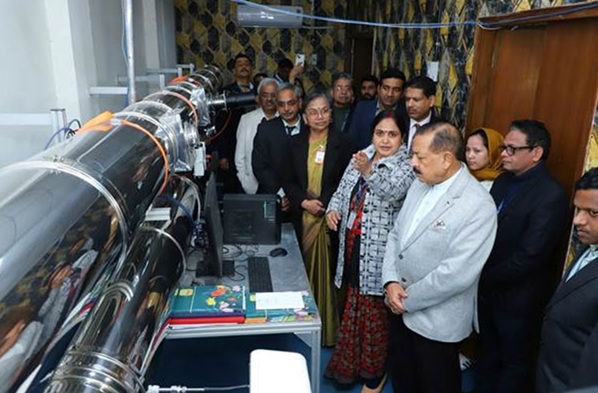
National Environmental Standards Laboratory

The National Environmental Standards Laboratory (NESL) is a national reference laboratory aimed at testing, validating, and recalibrating air pollution monitoring systems and environmental sensors used in India. Its objective is to ensure accurate and comparable data under Indian environmental conditions.

Location: CSIR–National Physical Laboratory (NPL), New Delhi

Objectives of Establishing NESL

  • Testing and calibration of air quality monitoring instruments in line with Indian climatic conditions
  • Ensuring measurement accuracy and reliability of environmental sensors
  • Providing authentic and standardized data for the National Clean Air Programme (NCAP)
  • Reducing dependence on imported testing facilities and developing an indigenous standards ecosystem

Key Features

(a) Instrument Testing and Validation

  • Ambient air quality monitors
  • Low-cost air sensors
  • Industrial emission measurement instruments
  • Smart city–based monitoring networks

(b) Reference Gas Protocols

  • Performance evaluation of sensors using standard gas mixtures
  • Ensuring inter-comparability of data across different monitoring systems

(c) Industrial and Urban Applications

  • Industrial emission audits
  • Technical support to municipal bodies and pollution control boards
  • Validation of urban air quality monitoring systems

(d) Domestic Facility

  • Eliminates the need to send instruments abroad for testing
  • Significant reduction in time and cost

Linkage with the National Clean Air Programme (NCAP)

The National Clean Air Programme (2019) aims to reduce PM2.5 and PM10 concentrations by 20–30% compared to 2017 levels.

Role of NESL:

  • Enhancing the reliability of air quality data
  • Accurate identification of pollution sources
  • Supporting evidence-based policymaking
  • Enabling fair assessment of state and city-level performance

Significance

(a) Environmental Governance

  • Improved data quality leads to more effective policy decisions
  • Greater accountability and transparency of regulatory institutions

(b) Economic and Industrial Importance

  • Affordable quality certification for MSMEs, start-ups, and indigenous manufacturers
  • Boost to Atmanirbhar Bharat and Make in India initiatives
  • Growth of the domestic environmental instrumentation industry

(c) Health and Social Impact

  • Better assessment of pollution-related health risks
  • Identification of vulnerable regions and population groups

Role of CSIR–National Physical Laboratory (NPL)

CSIR–NPL is India’s National Metrology Institute, which—

  • Maintains national standards of SI units
  • Provides technical leadership in measurement science (Metrology)
  • Offers facilities for testing and calibration of scientific instruments

The National Environmental Standards Laboratory (NESL) is an extension of NPL’s core measurement expertise into the environmental domain.

Council of Scientific & Industrial Research (CSIR)

The Council of Scientific & Industrial Research (CSIR) is India’s largest and most prominent national Research and Development (R&D) organization. It plays a vital role in the country’s industrial, economic, and social development through science, technology, and innovation.

Establishment and Administration

  • Established: 26 September 1942
  • Headquarters: New Delhi
  • Founder: Dr. Shanti Swarup Bhatnagar
  • Administrative Ministry: Ministry of Science & Technology, Government of India
  • Nature: Autonomous body

Objectives

The primary objective of CSIR is to promote scientific research in the country and link it with industrial and societal applications. Its key objectives include:

  • Solving industrial and scientific problems
  • Development of indigenous technologies
  • Promotion of innovation and patents
  • Strengthening the role of science in national development

What is a Context Window in AI? - Importance, Benefits, Limitations, and Challenges

In recent years, the field of Artificial Intelligence (AI) has witnessed remarkable progress with the development of Large Language Models (LLMs) such as GPT-5, Claude, Gemini, and others. These models are capable of understanding, analyzing, and generating human-like language. To understand how these models function effectively, the concept of the Context Window is extremely important, as it determines the model’s effective “memory limit.”

Definition of Context Window

In AI, a Context Window refers to the maximum amount of text that an AI model can consider at one time while generating a response. In other words, it is the limit within which the model can “remember” and analyze the input to produce an appropriate output.
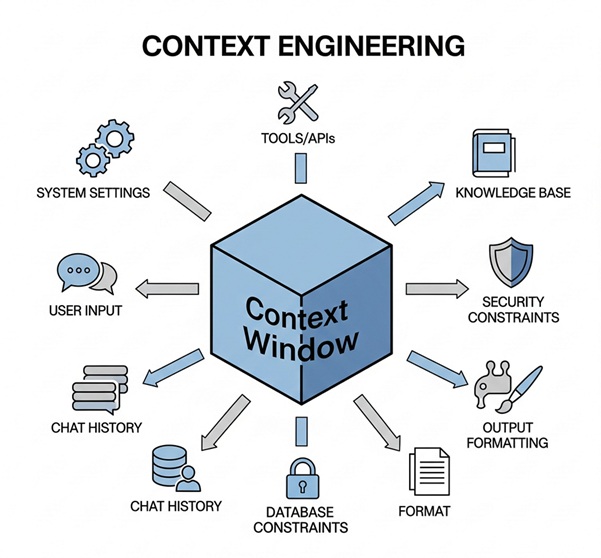
Context Window and the Role of Tokens

  • AI models do not read words directly; instead, they process text in the form of tokens.
  • Tokens can be characters, parts of words (sub-words), or entire words.
  • The context window is measured in terms of tokens, not characters or sentences.

Thus, the context window determines how many tokens of information a model can consider simultaneously while generating a response.

Context Window as Working Memory

The context window of a Large Language Model (LLM) can be compared to its working memory.

  • It functions similarly to short-term memory in humans.
  • It determines:
    • How well the model can remember earlier parts of a conversation
    • How long it can maintain meaningful and coherent dialogue without losing important details

Practical Importance of the Context Window

A larger context window significantly enhances the capabilities of an AI model:

  • Ability to understand long inputs such as articles, reports, legal documents, or code
  • More context-aware and coherent responses
  • Better retention of earlier instructions during conversations
  • One-time analysis of large documents or entire codebases

In essence, the context window determines the maximum size of documents or code samples a model can process at once.

When Input Exceeds the Context Window

When a prompt, conversation, document, or codebase exceeds the model’s context window limit:

  • The model must:
    • Truncate (cut off) part of the text, or
    • Summarize the content to fit within the limit

In such cases, loss of early context can negatively affect the quality and accuracy of the response.

Benefits of Increasing the Context Window

Generally, increasing the size of an LLM’s context window leads to:

  • Improved accuracy of responses
  • Reduction in hallucinations (fabricated or incorrect outputs)
  • Better logical continuity and reasoning
  • Longer and more meaningful conversations
  • Improved analysis of large and complex data sequences

As the context window grows, AI models appear more “intelligent” and capable of deeper understanding.

Limitations and Challenges of the Context Window

Despite its advantages, a larger context window also presents challenges:-

  • Higher computational requirements
  • Increased GPU/CPU memory consumption
  • Higher operational costs
  • Potentially greater vulnerability to adversarial attacks

Therefore, expanding the context window requires a careful balance between technical feasibility and economic efficiency.

Bhadrakali Inscription: Medieval Epigraphy Illuminates Somnath’s Sacred Legacy

Prelims: (History + CA)
Mains: (GS 1 – Indian Culture, Temple Architecture, Medieval History)

Why in News ?

The Bhadrakali inscription, a significant 12th-century epigraphic record, has drawn attention for confirming the historical continuity, reconstruction narrative, and royal patronage associated with the Somnath Temple, particularly under the Solanki dynasty.
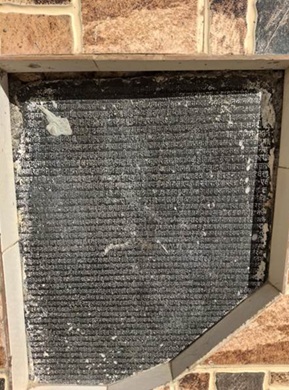
What is the Bhadrakali Inscription ?

The Bhadrakali inscription is a eulogistic Sanskrit inscription dating back to 1169 CE, offering valuable insights into medieval religious, political, and cultural history.

  • It is engraved on the wall of the Bhadrakali Temple at Prabhas Patan, Gujarat.
  • The inscription serves as an important source for understanding the religious patronage and temple-building traditions of the Solanki period.
  • It reinforces the historical centrality of Somnath as a major Shaivite centre.

Historical Context and Authorship

  • The inscription eulogises Param Pashupata Acharya Shriman Bhavabrihaspati, a revered Shaivite scholar.
  • Bhavabrihaspati served as the spiritual preceptor of Maharajadhiraj Kumarapala, the powerful Solanki ruler of Anhilwad Patan.
  • The reference highlights the close link between royal authority and religious institutions in medieval western India.

Information Contained in the Bhadrakali Inscription

  • The inscription mentions the construction and restoration of the Somnath Temple across all four yugas, emphasising its eternal and sacred character.
  • It reflects the deep devotional ethos of Solanki rulers toward Shaivism.
  • The text underlines the role of learned acharyas in shaping temple culture and legitimising royal patronage.
  • It contributes to the broader historical narrative of Somnath’s resilience and repeated revival.

Significance for Somnath Temple History

  • Acts as a primary epigraphic source validating medieval accounts of Somnath’s reconstruction.
  • Demonstrates the cultural and religious continuity of the site despite political upheavals.
  • Highlights the Solanki dynasty’s contribution to temple patronage, art, and religious scholarship.
  • Strengthens the historiography of temple architecture and Shaivite traditions in western India.

Protection and Conservation

  • The Bhadrakali inscription is currently protected by the State Department of Archaeology, Gujarat.
  • Conservation ensures the preservation of this crucial epigraphic evidence for future historical and archaeological research.

FAQs

1. What is the Bhadrakali inscription ?

It is a 12th-century Sanskrit inscription carved in 1169 CE that provides historical information about Somnath Temple and Solanki patronage.

2. Where is the Bhadrakali inscription located ?

On the wall of the Bhadrakali Temple at Prabhas Patan, Gujarat.

3. Who is mentioned in the inscription ?

Param Pashupata Acharya Shriman Bhavabrihaspati, the spiritual preceptor of Solanki ruler Kumarapala.

4. Why is the inscription important for Somnath Temple history ?

It confirms the temple’s reconstruction narrative, religious continuity, and royal support during the Solanki period.

5. Which authority protects the Bhadrakali inscription ?

The State Department of Archaeology, Gujarat.

Man Portable Anti-tank Guided Missile Weapon System

Prelims: (Science & Technology + CA)
Mains: (GS 3 – Defence Technology, Indigenisation, Internal Security)

Why in News ?

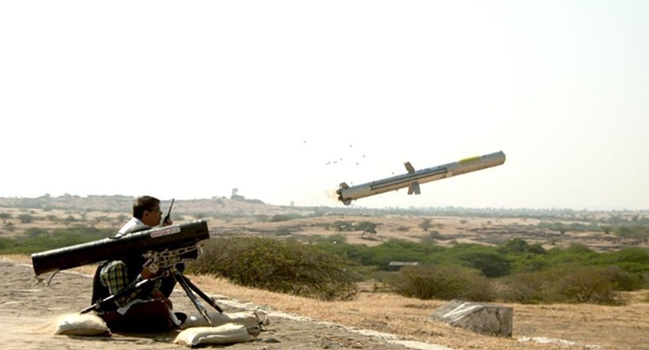
Recently, the Defence Research and Development Organisation (DRDO), in collaboration with the Indian Army, conducted successful trials of the indigenously developed Man Portable Anti-tank Guided Missile Weapon System (MPATGM), marking a major step forward in India’s anti-tank warfare capability.
What is the Man Portable Anti-tank Guided Missile Weapon System ?

The Man Portable Anti-tank Guided Missile (MPATGM) Weapon System is an indigenously designed and developed third-generation anti-tank missile system.

  • Developed by DRDO, it is intended to meet the Indian Army’s requirement for a modern, lightweight, and highly accurate anti-armour weapon.
  • As a third-generation “fire and forget” missile, it enables operators to disengage immediately after launch, reducing exposure to enemy fire.

Components of the MPATGM System

The complete MPATGM weapon system consists of:

  • MPATGM missile
  • Launcher system
  • Target Acquisition System (TAS)
  • Fire Control Unit (FCU)

These integrated components ensure rapid target detection, locking, launch, and engagement in diverse battlefield conditions.

Key Features and Indigenous Technologies

The MPATGM incorporates several cutting-edge indigenous technologies:

  • Imaging Infrared (IIR) Homing Seeker:  Enables high precision targeting with robust day-and-night and all-weather capability.
  • Fire-and-Forget Capability: Once launched, the missile autonomously tracks and destroys the target without further operator guidance.
  • Tandem Warhead: Designed to defeat modern main battle tanks equipped with explosive reactive armour and advanced composite protection.
  • All-Electric Control Actuation System: Enhances reliability, response time, and maintainability.
  • Advanced Fire Control and Sighting System: Provides high accuracy and situational awareness to the operator.
  • Flexible Launch Options: Can be launched from a tripod-mounted system as well as vehicle-based launchers, enhancing tactical versatility.

Operational Significance for the Indian Army

  • Enhances infantry anti-tank firepower, particularly in high-threat armoured warfare scenarios.
  • Improves survivability of soldiers by reducing exposure time during engagements.
  • Strengthens India’s preparedness along diverse terrains, including plains, deserts, and mountainous regions.
  • Reduces dependence on imported anti-tank guided missile systems, supporting defence self-reliance.

Role of Indian Defence Industry

  • Bharat Dynamics Limited (BDL) and Bharat Electronics Limited (BEL) are the Development-cum-Production Partners (DcPP) for the MPATGM.
  • Their involvement ensures indigenous production, lifecycle support, and future upgrades, aligning with the Atmanirbhar Bharat initiative in defence manufacturing.

FAQs

1. What is the MPATGM Weapon System ?

It is an indigenously developed third-generation man-portable anti-tank guided missile system.

2. Which organisation developed the MPATGM ?

The system has been developed by DRDO.

3. What does “fire and forget” mean in missile systems ?

After launch, the missile autonomously guides itself to the target without further operator input.

4. What type of warhead does the MPATGM use ?

It uses a tandem warhead capable of defeating modern armoured protection.

5. Which PSUs are involved in production of the MPATGM ?

Bharat Dynamics Limited (BDL) and Bharat Electronics Limited (BEL).

Shield or Safeguard? Supreme Court’s Split Verdict on Section 17A of the Prevention of Corruption Act

Prelims: (Polity & Governance + CA)
Mains: (GS 2 – Constitution, Governance, Accountability; GS 4 – Ethics in Public Administration)

Why in News ?

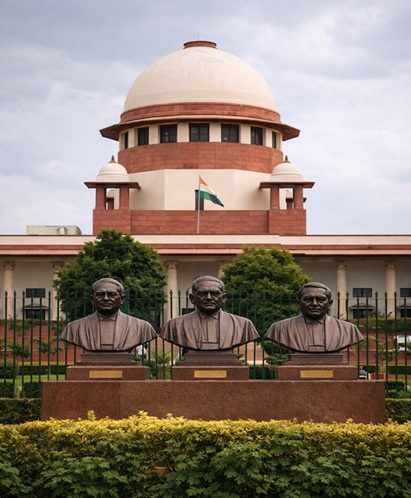
The Supreme Court of India delivered a split verdict on the constitutional validity of Section 17A of the Prevention of Corruption Act, 1988, a provision introduced through the 2018 Amendment. Section 17A mandates prior approval/sanction before initiating any inquiry or investigation against public servants for decisions taken in the discharge of official duties.

The challenge was filed by the Centre for Public Interest Litigation (CPIL), which argued that the provision shields corruption and undermines accountability. Owing to divergent judicial opinions, the matter has now been referred to the Chief Justice of India (CJI) for constitution of a larger Bench.
Background: Balancing Anti-Corruption and Administrative Autonomy

The Prevention of Corruption Act is India’s principal anti-graft legislation, aimed at:

  • Detecting corruption
  • Punishing misuse of public office
  • Ensuring probity in governance

However, concerns over:

  • Frivolous complaints
  • Harassment of honest officials
  • Policy paralysis

led to the insertion of Section 17A in 2018. The provision reflects an attempt to strike a balance between effective governance and vigorous anti-corruption enforcement, a balance that now lies at the heart of constitutional scrutiny.

What is Section 17A of the Prevention of Corruption Act ?

Section 17A requires prior approval of the competent authority before conducting any inquiry or investigation against a public servant for actions taken in official capacity.

Government’s stated objectives:

  • Protect honest officers from malicious prosecution
  • Prevent vexatious and politically motivated complaints
  • Avoid administrative and policy paralysis

The provision applies primarily to decision-making public servants, often at higher levels of bureaucracy.

Divergent Judicial Opinions in the Supreme Court

Justice B.V. Nagarathna: Section 17A is Unconstitutional

Justice Nagarathna struck down Section 17A as illegal, arbitrary, and violative of constitutional principles.

Key reasoning:

  • Violation of Article 14 (Equality Before Law): The protection effectively extends only to higher officials involved in policy decisions, while lower-level officials face immediate investigation. This classification lacks a rational nexus with the objective of preventing corruption.
  • Arbitrariness and Rule of Law Concerns: By barring even a preliminary enquiry without approval, the provision prevents discovery of truth and places executive discretion above criminal investigation.
  • Contrary to the Object of the PC Act: Anti-corruption law exists to expose and punish corruption, not delay or obstruct investigations. Section 17A, according to this view, “protects the corrupt rather than the honest.”
  • Policy Paralysis Argument Rejected: Honest officials do not require statutory insulation. Instead, such protection may embolden mala fide decision-making.

Justice K.V. Viswanathan: Section 17A is Constitutionally Valid (With Safeguards)

Justice Viswanathan upheld the provision, emphasising institutional balance.

Key reasoning:

  • Misuse ≠ Unconstitutionality: The possibility of misuse cannot justify striking down a law. Doing so would be akin to “throwing the baby out with the bathwater.”
  • Preventing Policy Paralysis: Fear of instant FIRs and coercive investigations can induce a “play-it-safe syndrome,” discouraging bold administrative decisions.
  • Need for a Balanced Approach: Governance requires protection from mala fide prosecution, alongside accountability.
  • Danger of Unfiltered Investigations: Without prior screening, even frivolous complaints could lead to FIRs and arrests, which would be regressive.

Suggested Safeguards:

  • Sanction decisions based on recommendations of independent bodies such as:
    • Lokpal (Centre)
    • Lokayukta (States)
  • Independent fact-finding before granting approval

Key Constitutional and Governance Issues Involved

  • Article 14 – Equality Before Law: Does selective protection to higher officials amount to hostile discrimination?
  • Rule of Law: Does prior approval subordinate criminal investigation to executive discretion?
  • Separation of Powers: How far can the executive control initiation of criminal investigations?
  • Accountability vs Administrative Autonomy: The tension between fearless governance and effective anti-corruption enforcement.

Challenges Highlighted and Way Ahead

Shielding Corruption

  • Delays or denial of approval may stall investigations indefinitely
  • Need for statutory timelines for sanction decisions

Executive Interference

  • Sanctioning authority may be influenced by political or bureaucratic interests
  • Formal role for Lokpal/Lokayukta in sanctioning process

Unequal Protection

  • Lower officials face immediate scrutiny while higher officials enjoy insulation
  • Authoritative constitutional ruling needed to resolve inconsistency

Erosion of Public Trust

  • Perception that anti-corruption law favours the powerful
  • Parliament may need to revisit Section 17A to align it with constitutional values

FAQs

1. What is Section 17A of the Prevention of Corruption Act ?

It requires prior approval before initiating inquiry or investigation against public servants for official decisions.

2. Why is Section 17A controversial ?

Critics argue it shields corruption and delays investigation, while supporters say it protects honest officials from harassment.

3. What did the Supreme Court decide ?

The Court delivered a split verdict and referred the matter to the CJI for a larger Bench.

4. Which constitutional provisions are involved ?

Article 14 (Equality before Law), Rule of Law, and principles of separation of powers.

5. What could be the way forward ?

Independent screening by Lokpal/Lokayukta, time-bound sanctions, and legislative review to balance accountability and governance. 

Beyond Megacities: How Small Towns Are Reshaping India’s Urbanisation Trajectory

Prelims: (Social Issues + CA)
Mains: (GS 1 – Urbanisation; GS 2 – Governance; GS 3 – Inclusive Growth, Infrastructure)

Why in News ?

Recent analysis indicates that India’s urban growth is increasingly being driven by small towns rather than large metropolitan cities, marking a significant shift in the country’s urbanisation pattern. While megacities such as Delhi, Mumbai, Bengaluru, and Chennai continue to dominate policy discourse, it is smaller towns—often with populations below one lakh—that are emerging as key centres of economic activity, employment, and migration.

Background: India’s Urbanisation Pattern Beyond Megacities

India has nearly 9,000 census and statutory towns, yet only about 500 qualify as large cities. The vast majority are small towns, many of which have historically received limited policy attention.

Traditionally, India’s urbanisation was viewed as:

  • Metro-centric
  • Industry-driven
  • Concentrated around a few large urban agglomerations

However, a quieter transformation is underway. Small towns across different regions are increasingly absorbing population growth, economic activities, and migrant labour, indicating a structural shift in India’s economic geography.

Structural Drivers of Small Town Growth

The expansion of small towns is closely linked to changes in India’s development model.

1. Saturation of Large Metros

From the 1970s to the 1990s, large cities functioned as hubs of:

  • Industrial production
  • Infrastructure investment
  • Labour absorption

Over time, these metros began experiencing over-accumulation, reflected in:

  • Rising land and housing prices
  • Infrastructure congestion
  • Escalating living costs

This reduced their ability to absorb new economic activity and labour.

2. Dispersal of Economic Activities

As costs rose in large cities, economic activities increasingly moved to smaller towns, which offer:

  • Cheaper land
  • Lower regulatory barriers
  • Flexible labour markets

Small towns are emerging as:

  • Logistics and warehousing hubs
  • Agro-processing centres
  • Construction and real estate markets
  • Service-sector nodes

3. Migration and Labour Absorption

Small towns absorb:

  • Migrant workers pushed out of metros
  • Rural youth facing declining agricultural livelihoods

These populations are integrated into urban economies, but often under precarious and informal conditions.

Nature of Urbanisation in Small Towns

Urbanisation in small towns is not merely an extension of rural life but a deepening of urban processes under distinct conditions.

Key characteristics include:

  • Dominance of informal employment
  • Construction labourers, home-based workers, and platform economy workers forming the economic backbone
  • Weak regulation and limited political oversight

Rather than inclusive growth, this pattern often results in the urbanisation of rural poverty.

At the same time, new local elites—such as:

  • Real estate intermediaries
  • Contractors
  • Micro-financiers
  • Political brokers

gain control over land and labour, reinforcing socio-economic hierarchies while leaving workers vulnerable.

Policy and Governance Challenges

The rise of small towns exposes a growing mismatch between urban policy design and on-ground realities.

1. Metro-Centric Urban Programmes

  • Flagship urban missions continue to prioritise large cities
  • Small towns depend on fragmented schemes and short-term infrastructure funding

2. Inadequate Basic Services

  • Poor water supply and sanitation
  • Heavy dependence on groundwater and tanker-based water systems
  • Limited public transport
  • Growing ecological stress

3. Weak Local Governance

  • Underfunded municipalities
  • Limited technical and planning capacity
  • Planning outsourced to consultants with minimal local participation

Implications for India’s Urban Future

Small towns now represent the primary frontier of India’s urban expansion.

Their trajectory will shape:

  • Employment generation
  • Migration patterns
  • Environmental sustainability
  • Social equity

If current trends continue unchecked, small towns risk reproducing the inequalities and ecological stresses of megacities, but without comparable institutional capacity.

At the same time, they offer an opportunity to reimagine urban development through:

  • Integrated town-level planning
  • Linking housing, livelihoods, transport, and ecology
  • Strengthening municipal finances and participatory governance
  • Regulating platform-based and informal economies

Way Forward

  • Move beyond a megacity-centric urban strategy
  • Recognise small towns as central to India’s urban future
  • Empower local governments with finances and planning authority
  • Promote context-specific, inclusive urban planning
  • Strengthen regulatory oversight to protect workers and ecosystems

A reoriented urban policy can transform small towns into engines of equitable and sustainable development, rather than sites of deepening inequality.

FAQs

1. Why are small towns becoming important in India’s urbanisation ?

Due to rising costs and congestion in metros, economic activities and migration are increasingly shifting to smaller towns.

2. How do small towns differ from megacities in their urbanisation pattern ?

They rely heavily on informal employment, flexible labour markets, and weaker regulation, often leading to precarious livelihoods.

3. What challenges do small towns face ?

Inadequate infrastructure, weak local governance, ecological stress, and limited policy attention.

4. Why is current urban policy inadequate for small towns ?

Because most flagship programmes are metro-centric and do not address the specific needs of smaller urban centres.

5. What is the way forward for sustainable small-town growth ?

Empowered municipalities, integrated planning, inclusive economic regulation, and political recognition of small towns’ importance.

National Environmental Benchmarking Gets a Boost with NESL

Prelims: (Science & Technology + CA)
Mains: (GS 3 – Environment, Pollution, Science & Technology)

Why in News ?

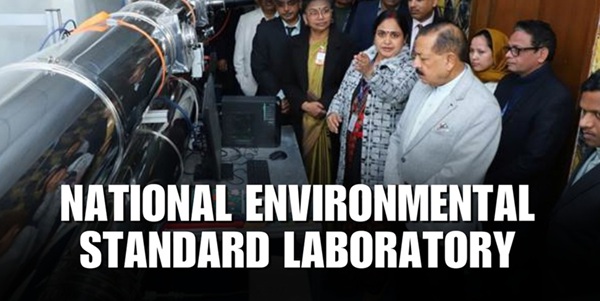
Recently, the CSIR–National Physical Laboratory (NPL) established the National Environmental Standard Laboratory (NESL), a specialised national facility to test and recalibrate air pollution monitoring instruments and environmental sensors under Indian conditions.
What is the National Environmental Standard Laboratory (NESL) ?

The National Environmental Standard Laboratory (NESL) is a newly established national facility designed to test, validate, and recalibrate instruments used in air pollution monitoring systems and environmental sensing networks.

  • It aims to ensure the accuracy, reliability, and credibility of environmental data generated across India.
  • The laboratory supports evidence-based policymaking by strengthening the measurement backbone of India’s environmental governance framework.
  • NESL plays a crucial role in ensuring high-quality data for the National Clean Air Programme (NCAP).

Location:

  • CSIR–National Physical Laboratory (NPL), New Delhi

Objectives and Key Features of NESL

Core Objectives

  • To establish national reference standards for environmental monitoring instruments.
  • To reduce dependence on foreign laboratories for testing and calibration.
  • To improve transparency and trust in pollution data used by regulators and courts.

Key Features

  • Instrument Testing and Recalibration: NESL tests and recalibrates air quality monitors, emission analysers, and environmental sensors under Indian climatic and pollution conditions.
  • Reference Gases and Protocols: Provides standard reference gases, calibration protocols, and testing methodologies aligned with global benchmarks.
  • Industrial Emission Audits: Supports validation and audit of industrial emission monitoring systems.
  • Smart City Monitoring Support: Assists in validating sensor networks used in smart city air quality monitoring and municipal surveillance systems.
  • Domestic Validation Ecosystem: Enables manufacturers, industries, and urban local bodies to certify instrument performance within the country.

Significance for Air Quality Governance

  • Strengthening NCAP: Reliable data is critical for identifying pollution hotspots, tracking progress, and evaluating mitigation measures under the National Clean Air Programme.
  • Boost to MSMEs and Start-ups: Indigenous manufacturers can demonstrate product quality at lower cost, improving market access and competitiveness.
  • Regulatory Compliance and Transparency: Supports tightening regulatory norms on emission monitoring, reducing disputes over data credibility.
  • Atmanirbhar Bharat in Environmental Technology: Encourages domestic innovation and reduces reliance on imported calibration services.

Role of CSIR–National Physical Laboratory

The CSIR–National Physical Laboratory (NPL) functions as India’s premier institution for measurement science and standards.

Key Facts about the Council of Scientific and Industrial Research (CSIR)

  • CSIR is a cutting-edge R&D organisation working across diverse scientific and technological domains.
  • It undertakes research, design, and development of scientific and industrial instruments and systems.
  • Provides testing, calibration, maintenance, and technical services to industry.
  • Promotes human resource development in instrumentation and applied sciences.
  • Acts as an ecosystem enabler for innovation and industrial growth.
  • Headquarters: New Delhi

Way Forward

  • Integration of NESL services with State Pollution Control Boards and urban local bodies can significantly enhance data-driven environmental regulation.
  • Expansion of similar standard laboratories across regions can decentralise environmental monitoring capacity.
  • NESL can strengthen India’s credibility in global environmental reporting and climate commitments by ensuring internationally comparable datasets.

FAQs

1. What is the primary purpose of NESL ?

To test, recalibrate, and standardise air pollution monitoring instruments under Indian conditions.

2. Which national programme does NESL support ?

The National Clean Air Programme (NCAP).

3. Where is the National Environmental Standard Laboratory located ?

At CSIR–National Physical Laboratory, New Delhi.

4. How does NESL help MSMEs and start-ups ?

By providing affordable, domestic testing and validation facilities.

5. Why is calibration of pollution monitoring instruments important ?

Because inaccurate instruments lead to unreliable data, flawed policy decisions, and weak enforcement.

« »
  • SUN
  • MON
  • TUE
  • WED
  • THU
  • FRI
  • SAT
Have any Query?

Our support team will be happy to assist you!

OR