New
GS Foundation (P+M) - Delhi : 23rd March 2026, 11:30 AM GS Foundation (P+M) - Prayagraj : 15th March 2026 GS Foundation (P+M) - Delhi : 23rd March 2026, 11:30 AM GS Foundation (P+M) - Prayagraj : 15th March 2026

Current Affairs for 16 February 2026

Semaglutide: Mechanism, Uses, Significance, Side-effects & Challenges

Why in News ?

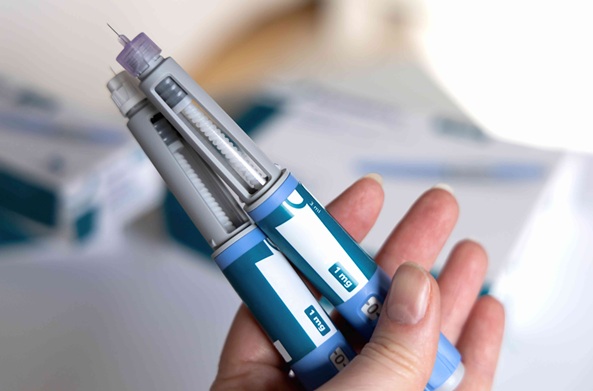
  • Hyderabad-based Natco Pharma has recently received approval from the Central Drugs Standard Control Organization (CDSCO) to manufacture and market a generic Semaglutide injection in India.
  • Earlier, the drug was extremely expensive and accessible only to a limited population.
  • Generic availability may significantly transform diabetes and obesity management in India.


What is Semaglutide ?

Semaglutide is an anti-diabetic and anti-obesity medication belonging to the class of drugs called GLP-1 Receptor Agonists (GLP-1 RA).

What is GLP-1 ?

GLP-1 (Glucagon-Like Peptide-1) is a hormone released from the intestine after eating.
It helps regulate blood sugar, appetite, and metabolism.

Mechanism of Action

Semaglutide mimics the natural GLP-1 hormone in the body:

Action

Effect

Increases insulin secretion from pancreas

Lowers blood sugar

Suppresses glucagon

Reduces glucose production

Slows gastric emptying

Reduces hunger

Acts on brain appetite centers

Causes weight loss

Therefore, it is considered a metabolic disease drug, not just a sugar-control medicine.

Therapeutic Uses (Indications)

(A) Type-2 Diabetes

  • Controls blood glucose
  • Reduces insulin resistance
  • Effective in long-term HbA1c reduction

(B) Cardiovascular Risk Reduction

In adults with diabetes + heart disease:

  • Reduces heart attack risk
  • Reduces stroke risk
  • Lowers cardiovascular mortality

(C) Kidney Disease

In Type-2 diabetes with kidney involvement:

  • Slows kidney failure progression
  • Reduces death risk

(D) Obesity Treatment

WHO recognizes obesity as a chronic metabolic disease.

Semaglutide:

  • Suppresses appetite
  • Reduces calorie intake
  • Produces 10–20% weight loss in clinical trials

 Often called a “medical weight-loss revolution therapy.”

Global Significance

Semaglutide is termed a “weight-loss revolution drug” due to:

  • Global obesity epidemic
  • Rising diabetes burden
  • Increasing lifestyle diseases

Importance for India

  • India is often called the diabetes capital of the world (International Diabetes Federation estimates)
  • Rising obesity & cardiovascular diseases make this drug highly relevant.

Available Forms

  • Weekly injection
  • Oral tablet (available in some countries)

Side Effects

Common

Serious (Rare)

Nausea, vomiting

Pancreatitis

Constipation

Gallbladder disease

Abdominal pain

Possible thyroid tumor risk (animal studies)

Importance for India

1. Generic Availability

Approval for Natco Pharma may:

  • Reduce cost
  • Improve middle-class access
  • Enable public health program use

2. Role in NCD Control

Helps control:

  • Diabetes
  • Obesity
  • Cardiovascular diseases

Challenges

  • Not a substitute for lifestyle modification
  • Long-term safety data still evolving
  • Risk of misuse for cosmetic weight loss
  • Dependence on expensive chronic therapy

What is Quorum Sensing and Working Process

Reference

The communication system between bacteria is called 'quorum sensing'. It could prove to be extremely revolutionary for modern medical science. It also offers new opportunities for developing anti-quorum sensing-based treatments, reducing the dependence on traditional antibiotics.

About Quorum Sensing

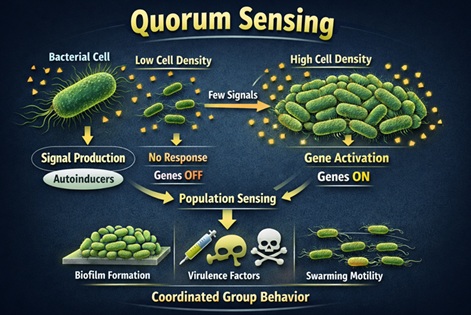
  • Quorum sensing is a biological (chemical) process through which bacteria regulate gene activity according to their cell density. They produce and secrete specific signal molecules.
  • In this process, bacteria release tiny molecules called 'autoinducers' that collectively control gene expression and work together when a certain number is reached.
  • This mechanism allows bacteria to 'communicate' with each other and collectively determine their behavior. Disease-causing microorganisms often use this mechanism to spread infection and increase their virulence.
  • The first scientific observation of this phenomenon was made in the 1960s by Hungarian microbiologist Alexander Tomasz. While researching Streptococcus pneumoniae, he discovered that the bacterium is capable of absorbing free DNA present in its surroundings.

Working Process

  • The quorum sensing mechanism is primarily based on three components:
    • Bacterial population
    • Signal molecules
    • Genes that control behavior
  • Signal molecules are called autoinducers. These molecules are released by bacteria, and their quantity increases as the number of cells increases.
  • When the concentration of these molecules reaches a certain level, the bacteria recognize them and activate specific genes. As a result, many important biological processes are initiated, such as:
    • Development of virulence
    • Horizontal gene transfer
    • Biofilm formation
    • Competence (the ability to assimilate DNA)
  • These activities are generally effective only when bacterial numbers are sufficient. Therefore, quorum sensing is considered a key means of collective coordination in microorganisms.

Variation in Individual Bacteria

  • Although this mechanism is found in many bacteria, its structure and the types of signal molecules used can vary between species.
  • For example, Pseudomonas aeruginosa, a bacterium that causes pneumonia and blood infections, uses quorum sensing to control its pathogenic activities.
  • In contrast, in some bacteria, this process is linked to symbiotic relationships and growth. For example, nitrogen fixation in Rhizobium leguminosarum is influenced by this mechanism.

Conclusion

Thus, quorum sensing is not merely a strategy for disease transmission, but is a crucial basis for the collective survival, adaptation, and evolution of bacteria. Future therapeutics targeting this mechanism may offer new possibilities for infection control.

Architecture of Chennakeshava Temple

The architecture of the Prime Minister's new office complex, 'Seva Teertha', is designed in the Indian architectural tradition, inspired by the features of the 12th-century Chennakeshava Temple.

Introduction to the Chennakeshava Temple

  • The Chennakeshava Temple in Belur, also known as the Keshava or Vijayanarayana Temple, is a prominent 12th-century Hindu temple located in Karnataka. The temple is dedicated to Lord Vishnu.
  • The temple was commissioned by King Vishnuvardhana in 1117 AD, following a major military victory over the Cholas in the Great Battle of Talakad (1116 AD), located on the banks of the Yagachi River in Belur. The area was formerly known as Velapura.
  • The temple was built over three generations and took approximately 103 years to complete. The temple is also listed as a UNESCO World Heritage Site.

Architecture of the Chennakeshava Temple

  • The temple is an excellent example of the Hoysala architectural style. The Hoysalas used soft soapstone, which was suitable for intricate carvings.
  • It is surrounded by a parapet with a gopura (wall). It stands on a platform (jagati) and resembles a giant coffin in shape. The temple's outer walls are intricately carved, depicting various deities and mythological creatures.
  • It houses approximately 80 Madanika sculptures, depicting poses such as dancing, hunting, or standing under a tree canopy. A unique feature of the temple complex is the stepwell, which exemplifies architectural innovation.

Vande Mataram Controversy: Mandating All Six Stanzas and the Constitutional Debate

Prelims: (History & Culture + CA)
Mains: (GS 1 – Freedom Movement; GS 2 – Fundamental Rights, Secularism, Constitutional Values)

Why in News ?

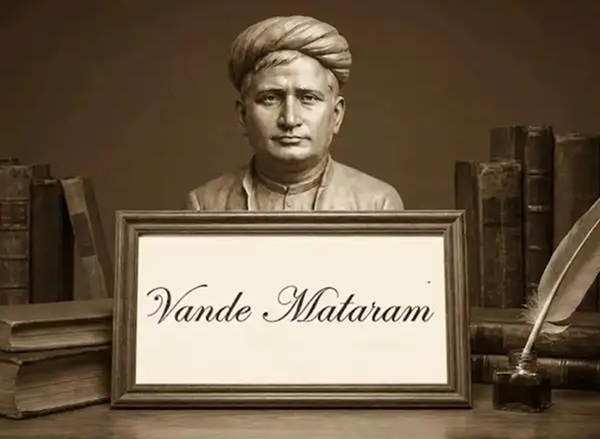
The Union government’s January 28 directive mandating the singing of all six stanzas of Vande Mataram at official functions has sparked objections from several organisations.

The notification requires:
  • The full 3-minute-10-second version to be played,
  • It to precede Jana Gana Mana when both are included,
  • The audience to stand in attention.

Traditionally, only the first two stanzas have been sung at public functions. The directive comes amid commemorations marking 150 years of the song, reviving debates about its later verses and their religious imagery.

Origins and Evolution of Vande Mataram

Composition and Literary Context

  • Composed in 1875 by Bankim Chandra Chattopadhyay.
  • Written in Sanskritised Bengali.
  • Incorporated into his 1882 novel Anandamath, which depicted the late-18th century Sanyasi Rebellion against colonial rule.

Role in Freedom Movement

  • The song became a powerful nationalist slogan during the Swadeshi Movement (1905–08), symbolising resistance to British rule.
  • However, concerns about religious undertones emerged early in the 20th century.

Congress Compromise (1937)

In October 1937:

  • The Congress Working Committee recommended singing only the first two stanzas at national gatherings.
  • These verses celebrated the natural beauty of the motherland and were considered free of objectionable imagery.

Correspondence between Jawaharlal Nehru and Subhas Chandra Bose acknowledged apprehensions among sections of the Muslim community.

National Song Status

In 1950:

  • The first two stanzas were formally adopted as India’s National Song.
  • The Constituent Assembly accorded it equal honour with the National Anthem.
  • No mandatory recital protocol was prescribed.

The recent directive marks a shift towards formalising performance requirements.

Religious and Constitutional Objections

1. Theological Concerns

Some Muslim scholars object to:

  • The depiction of “Mother India” as a goddess.
  • The invocation of Hindu deities such as Durga, Lakshmi, and Saraswati in later stanzas.

Islam’s principle of strict monotheism prohibits worship of entities other than Allah, making compulsory recitation problematic for adherents.

2. Content of Later Stanzas

The third to sixth stanzas include:

  • References to battle imagery,
  • Identification of the nation with temples and shrines,
  • Explicit comparisons with Hindu goddesses.

Critics argue these verses may alienate non-Hindu communities.

3. Constitutional Dimension

Opponents argue that mandatory singing may:

  • Violate Article 25 (Freedom of Religion),
  • Conflict with secular principles of the Constitution.

Supporters maintain that the song is a patriotic expression rather than a religious invocation.

Political Flashpoint

The controversy intensified during Parliament’s 150-year commemoration of Vande Mataram.

  • Prime Minister Narendra Modi criticised historical decisions to limit the song to two stanzas.
  • Opposition leaders cited Nehru’s letters suggesting the controversy was amplified by communal elements.

The debate reflects broader ideological differences over nationalism and secularism.

Significance of the Current Directive

1. Reinterpretation of National Symbols

The move signals an effort to revisit historical compromises concerning national symbols.

2. Secularism and Constitutional Values

Raises questions about:

  • The balance between cultural heritage and religious neutrality,
  • Limits of state-mandated patriotic expression.

3. Social Cohesion

Public controversy over national symbols may impact communal harmony.

4. Historical Reassessment

The debate revives discussions about the role of freedom movement leaders and past political compromises.

5. Institutional Protocol and Precedent

Formalising recital requirements may influence future norms regarding national symbols.

FAQs

1. What is Vande Mataram ?

It is India’s National Song, composed by Bankim Chandra Chattopadhyay and adopted in 1950 (first two stanzas).

2. Why is the full version controversial ?

The later stanzas contain explicit religious imagery invoking Hindu goddesses, leading to objections from some communities.

3. What did the 1937 Congress decision state ?

It recommended that only the first two stanzas be sung at public functions to avoid religious controversy.

4. Is singing Vande Mataram constitutionally mandatory ?

There is no constitutional provision mandating its recital; the recent directive formalises protocol at official functions.

5. Why is this issue politically sensitive ?

It intersects with debates on nationalism, secularism, religious freedom, and historical interpretation of the freedom movement.

U.S.–India Interim Trade Pact: Opportunities, Asymmetries and Sovereignty Debates

Prelims: (International Relations + CA)
Mains: (GS 2 – India and Bilateral Relations; GS 3 – External Sector, Agriculture, Industrial Policy)

Why in News ?

India and the United States have signed an interim trade agreement aimed at restoring trade flows after a period of tariff escalation. While presented as a breakthrough in bilateral ties, the pact has triggered debates over its economic impact, agricultural implications, and concerns regarding strategic autonomy.
Background of U.S.–India Trade Relations

India and the United States share a deep strategic partnership spanning defence, technology, and trade.

  • The U.S. is among India’s largest trading partners.
  • India traditionally runs a trade surplus, exporting pharmaceuticals, IT services, textiles, and engineering goods.
  • Imports from the U.S. include energy, aircraft, defence equipment, and advanced technologies.

Escalation of Trade Tensions

In August 2025, the U.S. administration imposed:

  • 25% tariffs on Indian imports,
  • An additional 25% penalty linked to India’s continued import of Russian crude oil.

These measures strained ties and disrupted trade flows. Nearly a year later, both sides agreed to an interim arrangement as a precursor to a broader bilateral trade agreement.

Key Provisions of the Interim Agreement

1. Tariff Reduction by the U.S.

  • U.S. tariffs on Indian imports reduced from 50% to 18%.
  • However, this remains significantly higher than the earlier average tariff of around 2.5%.

2. India’s Market Access Concessions

India will:

  • Eliminate or significantly reduce tariffs,
  • Lower non-tariff barriers on industrial goods and a wide range of agricultural and food products.

3. Energy and Strategic Commitments

India has expressed intent to purchase approximately $500 billion worth of:

  • U.S. energy products,
  • Aircraft and parts,
  • Technology products,
  • Coking coal and precious metals over five years.

4. Russian Oil Clause

  • An Executive Order accompanying the Joint Statement suggests India would stop directly or indirectly importing Russian oil.
  • The U.S. administration has indicated that tariffs may be reimposed if such imports resume — a clause that has raised sovereignty concerns.

Potential Benefits of the Agreement

1. Export Boost in Labour-Intensive Sectors

Reduced tariffs may benefit:

  • Textiles and clothing,
  • Engineering goods,
  • Pharmaceuticals.

An 18% tariff may provide limited competitive advantage compared to countries facing higher duties.

2. Strategic Stability

The agreement:

  • Restores predictability in trade flows,
  • Signals strengthening of economic ties between two major democracies.

3. Investor Confidence

A stabilised trade environment may:

  • Improve investor sentiment,
  • Enhance India’s position in global supply chains.

Concerns Regarding the Agricultural Sector

1. Impact on Farmers

The agreement does not explicitly safeguard tariff protection for sensitive products such as cereals.

If tariffs are lowered:

  • Indian farmers could face competition from highly subsidised American agribusiness,
  • Farm incomes may decline,
  • Food security concerns may intensify.

2. Genetically Modified (GM) Products

The U.S. has historically objected to India’s restrictions on GM food imports.

References to resolving “long-standing concerns” raise fears that India may ease restrictions, potentially affecting:

  • Biosafety regulations,
  • Public health safeguards,
  • Regulatory autonomy.

Unequal Tariff Structure

A central concern is asymmetry:

  • India is reducing tariffs significantly,
  • The U.S. retains an 18% tariff on Indian goods.

Compared to the pre-dispute 2.5% average, the current structure represents higher protectionism against Indian exports.

This raises questions about negotiating leverage and fairness.

Sovereignty and Strategic Autonomy

The Russian oil clause introduces geopolitical implications:

  • Potential external monitoring of India’s energy imports,
  • Conditional tariff relief linked to foreign policy decisions.

Critics argue this could constrain India’s independent foreign policy tradition.

Broader Economic and Political Implications

The interim pact is a precursor to a full-fledged trade agreement. Its final shape will determine:

  • The balance between export gains and domestic protection,
  • The trajectory of agricultural reforms,
  • The degree of policy autonomy India retains,
  • The depth of strategic alignment between the two countries.

The government faces the challenge of ensuring economic gains do not undermine farmer livelihoods or sovereign decision-making.

Significance of the Interim Trade Deal

1. Resets Bilateral Economic Engagement

Helps restore trade stability after tariff disputes.

2. Influences India’s Agricultural Policy

May shape future tariff protection strategies and GM regulation policies.

3. Impacts Make in India and Industrial Policy

Could affect domestic manufacturing competitiveness depending on tariff structures.

4. Signals Strategic Alignment

Demonstrates closer economic coordination between India and the U.S.

5. Raises Questions of Economic Sovereignty

Conditional trade concessions linked to geopolitical commitments may redefine India’s external economic diplomacy.

FAQs

1. What is the U.S.–India interim trade agreement ?

It is a temporary trade arrangement reducing tariffs and expanding market access, serving as a step toward a comprehensive bilateral trade deal.

2. Why was the agreement necessary ?

It followed tariff escalations imposed by the U.S., including penalties linked to India’s Russian oil imports.

3. How does it affect Indian farmers ?

Reduced agricultural tariffs may expose farmers to competition from subsidised U.S. agribusiness products.

4. What is the controversy regarding Russian oil ?

The agreement reportedly links tariff relief to India limiting Russian oil imports, raising concerns about strategic autonomy.

5. Is the agreement final ?

No, it is an interim arrangement and a precursor to a broader bilateral trade agreement.

Regulating Refurbished Medical Devices in India: Balancing Healthcare Access and Industrial Policy

Prelims: (Science & Technology + CA)
Mains: (GS 2 – Health Policy; GS 3 – Industrial Policy, Make in India, Regulatory Governance)

Why in News ?

The Department of Pharmaceuticals recently informed the Rajya Sabha that the Ministry of Health and Family Welfare (MoHFW) has constituted a committee to draft a policy framework for regulating refurbished medical devices in India.
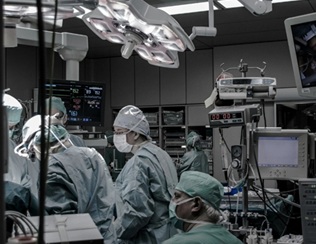
The proposed policy will:

  • Define the scope of refurbished devices,
  • Establish safety and performance assessment mechanisms,
  • Determine standards for remaining useful life,
  • Recommend disposal and waste management protocols.

The debate now centres not on whether refurbished devices should be allowed, but on how to regulate them effectively while balancing affordability and domestic manufacturing interests.

Background and Context

India’s healthcare sector is expanding rapidly, yet access to advanced diagnostic equipment remains uneven across regions.

High-end medical devices such as:

  • MRI machines,
  • CT scanners,
  • PET-CT systems,
  • Robotic surgical systems,

are capital-intensive and often unaffordable for smaller hospitals.

Refurbished devices — previously used equipment restored to original operating standards — have emerged as a cost-effective alternative.

However, regulatory ambiguity and policy contradictions have created uncertainty regarding their import, licensing, and safety oversight.

About Refurbished Medical Devices

Refurbished medical devices are:

  • Pre-owned equipment,
  • Restored to meet original manufacturer specifications,
  • Resold at lower prices compared to new equipment.

Cost Advantage

Refurbished devices offer substantial savings:

  • 1.5T MRI: New ₹4–8 crore | Refurbished ₹1–3.5 crore
  • PET-CT: New ₹20 crore+ | Refurbished ₹60 lakh–3.5 crore
  • CT scanner: New ₹2–4 crore | Refurbished ₹20 lakh–2.5 crore

These price differences significantly improve access in Tier-2 and Tier-3 cities.

Dependence on Imports

India remains dependent on imports for advanced imaging systems due to:

  • Technological complexity,
  • Global supply chain dominance.

Refurbished equipment is typically sourced from:

  • United States,
  • Germany,
  • Japan,
  • Netherlands,

where hospitals upgrade systems before the end of their functional life.

Current Regulatory Framework

1. Absence of Specific Licensing Pathway

India does not have a separate regulatory framework for refurbished devices under the Medical Devices Rules, 2017.

All medical devices were notified as “drugs” under the Drugs and Cosmetics Act in 2020, but refurbished products lack a dedicated licensing mechanism.

2. Import Regulation via Waste Rules

Currently, imports are regulated under the Hazardous and Other Wastes (Management and Transboundary Movement) Rules, 2016.

Import approvals require:

  • No-objection certificate from expert committees under the Ministry of Environment, Forest and Climate Change,
  • Technical inputs from the Central Drugs Standard Control Organisation,
  • Authorisation from the Directorate General of Foreign Trade.

3. Regulatory Inconsistency

  • In November 2025, MoEFCC approved certain refurbished devices for reuse.
  • In January 2025, CDSCO stated such imports cannot be sold due to absence of licensing provisions.

This created regulatory contradiction between environmental and medical regulators.

Industry Divide and Policy Debate

International Manufacturers’ View

The Medical Technology Association of India argues:

  • Refurbished devices are regulated globally, not banned.
  • They enhance affordability and healthcare access.
  • They support skill training and service industries.

Domestic Manufacturers’ View

The Association of Indian Medical Device Industry contends:

  • Lack of usage history clarity may pose safety risks.
  • Shorter lifespan and performance variability.
  • May undermine domestic manufacturing under Make in India.

Industry estimates suggest the refurbished segment is worth around ₹1,500 crore — nearly 10% of India’s medical equipment market.

Significance of the Proposed Regulatory Policy

1. Improving Healthcare Access

Refurbished devices reduce capital costs, enabling advanced diagnostics in smaller cities.

2. Strengthening Patient Safety

A dedicated framework can:

  • Define performance standards,
  • Ensure traceability,
  • Mandate certification and testing.

3. Promoting Regulatory Clarity

Clear definitions distinguishing “used,” “refurbished,” “reconditioned,” and “remanufactured” devices will reduce compliance ambiguity.

4. Balancing Industrial Policy

Regulation must reconcile:

  • Affordable healthcare access,
  • Promotion of indigenous manufacturing under Make in India.

5. Supporting Sustainable Waste Management

Guidelines on disposal and end-of-life management prevent India from becoming a dumping ground for obsolete equipment.

Broader Policy Questions

  • Should India prioritise affordability in the short term?
  • Or focus on long-term technological self-reliance?
  • How can regulation ensure safety without discouraging domestic innovation?

The committee’s recommendations will shape the future trajectory of India’s medical device ecosystem.

FAQs

1. What are refurbished medical devices ?

Previously used medical equipment restored to original operating standards and resold at lower prices.

2. Why are they controversial in India ?

Due to regulatory ambiguity, safety concerns, and potential impact on domestic manufacturing.

3. Which rules currently govern their import ?

Primarily the Hazardous and Other Wastes (Management and Transboundary Movement) Rules, 2016.

4. What is the core policy debate ?

How to regulate refurbished devices effectively while balancing affordability and industrial growth.

5. Why is a new regulatory framework important ?

It will ensure patient safety, reduce compliance confusion, support healthcare access, and align with industrial policy goals.

Papikonda National Park: Reintroduction of Tiger ‘Explorer’ Under Operation Stripes

Prelims: (Environment & Ecology + CA)
Mains: (GS 3 – Biodiversity Conservation, Wildlife Protection, Environmental Governance)

Why in News ?

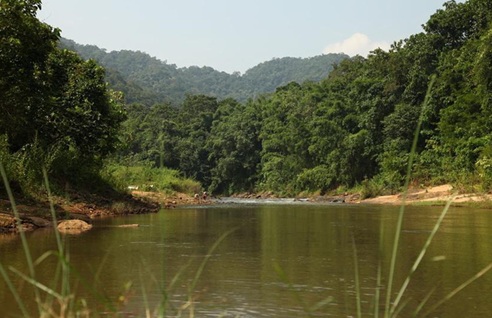
An adult male tiger named ‘Explorer’ has been reintroduced into the wild in Papikonda National Park as part of Operation Stripes, a wildlife management initiative aimed at strengthening tiger conservation and habitat restoration.

The move is seen as a step towards reinforcing predator presence and ensuring ecological balance in the Eastern Ghats landscape.
Background and Context

India is home to nearly 75% of the world’s wild tiger population and has made significant progress under Project Tiger.

However, challenges persist:

  • Habitat fragmentation,
  • Human-wildlife conflict,
  • Decline in prey base,
  • Encroachment and illegal activities.

Reintroduction and translocation of tigers are increasingly used as conservation tools to:

  • Restore viable populations in underpopulated reserves,
  • Improve genetic diversity,
  • Strengthen landscape-level connectivity.

Operation Stripes reflects these broader conservation strategies aimed at ensuring long-term sustainability of tiger habitats.

About Papikonda National Park

  • Location: Andhra Pradesh.
  • Geographical Setting: Along the banks of the Godavari River in the Eastern Ghats.
  • Biodiversity Status: Recognised as an Important Bird and Biodiversity Area (IBA) by BirdLife International.

The park forms a critical ecological corridor in southern India.

Vegetation Profile

Papikonda National Park is characterised by:

  • Tropical moist deciduous forests,
  • Patches of semi-evergreen forests,
  • Dry deciduous forest tracts.

Major Flora:

  • Teak,
  • Rosewood,
  • Sandalwood,
  • Bamboo,
  • Sal,
  • Mahua,
  • Eucalyptus.

These diverse forest types support rich faunal biodiversity.

Faunal Diversity

The park supports several important species:

  • Bengal tiger,
  • Indian leopard,
  • Sloth bear,
  • Indian wild dog (dhole),
  • Various endemic bird species.

It is also known for a unique dwarf goat breed called “kanchu mekha,” native to the region.

Significance of Tiger Reintroduction

1. Strengthening Predator Presence

Reintroducing a dominant male tiger helps:

  • Establish territorial stability,
  • Improve breeding potential,
  • Enhance prey-predator dynamics.

2. Ecological Balance

Tigers are apex predators and keystone species. Their presence:

  • Regulates herbivore populations,
  • Prevents overgrazing,
  • Maintains forest regeneration cycles.

3. Landscape Connectivity in Eastern Ghats

Papikonda plays a crucial role in:

  • Linking fragmented habitats,
  • Supporting dispersal corridors between protected areas.

4. Boosting Conservation Confidence

Successful reintroduction under Operation Stripes demonstrates:

  • Institutional capacity in wildlife management,
  • Science-based conservation planning.

5. Enhancing Eco-Tourism Potential

Improved tiger presence can:

  • Attract eco-tourism,
  • Generate livelihood opportunities for local communities.

Broader Conservation Context

Tiger reintroductions align with India’s:

  • National Tiger Conservation Strategy,
  • Landscape-level conservation planning,
  • International commitments under biodiversity conventions.

It highlights the shift from mere protection to active ecological restoration.

FAQs

1. Where is Papikonda National Park located ?

It is located in Andhra Pradesh along the banks of the Godavari River in the Eastern Ghats.

2. What is Operation Stripes ?

It is a wildlife management initiative aimed at strengthening tiger conservation and habitat restoration.

3. Why was the tiger ‘Explorer’ reintroduced ?

To enhance predator presence, restore ecological balance, and strengthen tiger population dynamics in the park.

4. What makes Papikonda ecologically significant ?

It is recognised as an Important Bird and Biodiversity Area and supports diverse forest types and wildlife species.

5. How does tiger conservation benefit ecosystems ?

Tigers regulate prey populations, maintain ecological balance, and serve as indicators of forest health.

PM-DAKSH Scheme: Evaluating Skill Development Outcomes for Marginalised Communities

Prelims: (Polity & Governance + CA)
Mains: (GS 2 – Welfare Schemes for Vulnerable Sections; GS 3 – Employment, Skill Development, Inclusive Growth)

Why in News ? 

Recent data tabled in the Lok Sabha revealed that less than half of the candidates trained under the PM-DAKSH Yojana between 2021 and 2024 were successfully placed in jobs, raising concerns about the effectiveness of post-training employment linkages.

Background and Context

India faces a dual challenge:

  • High youth unemployment,
  • Skill mismatch between training and industry demand.

To address these structural gaps, the government has launched multiple skill development initiatives, including:

  • Pradhan Mantri Kaushal Vikas Yojana,
  • Sector Skill Councils under the Skill India Mission.

However, marginalised communities such as:

  • Scheduled Castes (SCs),
  • Other Backward Classes (OBCs),
  • Economically Weaker Sections (EWS),
  • De-notified Tribes (DNTs),
  • Safai Karamcharis and waste pickers,

continue to face barriers in accessing formal employment due to social disadvantage, limited education, and lack of institutional support.

The PM-DAKSH Scheme was launched to provide focused, high-quality skill training to these vulnerable groups and enhance their employability.

What is PM-DAKSH Scheme ?

  • Full Form: Pradhan Mantri Dakshata Aur Kushalata Sampanna Hitgrahi Yojana.
  • Nature: Central Sector Scheme.
  • Aim: To provide quality skill training through recognised institutions to improve employment prospects of marginalised communities.

The scheme has now been merged with the Pradhan Mantri Kaushal Vikas Yojana to streamline implementation and improve outcomes.

Target Beneficiaries

The scheme covers:

  • Scheduled Castes (SCs),
  • Other Backward Classes (OBCs),
  • Economically Weaker Sections (EWS),
  • De-notified Tribes (DNTs),
  • Safai Karamcharis / Waste Pickers.

Eligibility Criteria

  • Age: 18–45 years.
  • Income Limit:
    • OBC & EWS: Family income below ₹3 lakh per annum.
    • No income limit for SC, DNT, or Safai Mitras/Waste Pickers.

Types of Skill Development Programmes

1. Up-skilling / Re-skilling

Enhancing skills of already employed or semi-skilled individuals.

2. Short-Term Training Programmes

Focused vocational training for quick employability.

3. Long-Term Training Programmes

Comprehensive skill courses for higher competency.

4. Entrepreneurship Development Programmes

Encouraging self-employment and micro-enterprise creation.

Key Issues Highlighted by Recent Data

1. Low Placement Rate

Less than 50% placement suggests:

  • Weak industry linkage,
  • Skill-job mismatch,
  • Limited local employment opportunities.

2. Quality of Training Concerns

Variation in:

  • Institutional capacity,
  • Trainer expertise,
  • Infrastructure quality.

3. Post-Training Support Gaps

Insufficient:

  • Career counselling,
  • Placement tracking,
  • Market integration mechanisms.

Significance of PM-DAKSH Scheme

1. Promoting Social Justice

The scheme directly targets historically marginalised communities, promoting inclusive growth.

2. Enhancing Employability

Skill certification can:

  • Improve formal sector entry,
  • Increase wage potential,
  • Reduce vulnerability.

3. Reducing Poverty and Social Exclusion

Employment generation among disadvantaged groups contributes to:

  • Economic mobility,
  • Reduction in intergenerational poverty.

4. Encouraging Entrepreneurship

By promoting entrepreneurship training, the scheme supports:

  • Self-reliance,
  • Micro and small enterprise development.

5. Strengthening Human Capital Formation

Investment in skill development enhances:

  • Productivity,
  • National competitiveness,
  • Demographic dividend realisation.

Broader Policy Context

The scheme aligns with:

  • Skill India Mission,
  • Inclusive development goals,
  • Social equity frameworks under constitutional mandates.

Its merger with PMKVY aims to improve:

  • Administrative efficiency,
  • Resource optimisation,
  • Standardisation of training modules.

Way Forward

  • Strengthen industry partnerships for assured placements,
  • Improve quality monitoring of training institutions,
  • Introduce apprenticeship-based models,
  • Provide post-placement support and mentoring,
  • Enhance real-time labour market analytics.

FAQs

1. What is the objective of the PM-DAKSH Scheme ?

To provide quality skill development training to marginalised communities to improve their employability and income opportunities.

2. Who are the beneficiaries under PM-DAKSH ?

SCs, OBCs, EWS, De-notified Tribes, and Safai Karamcharis/Waste Pickers aged 18–45 years.

3. What types of training are offered under the scheme ?

Up-skilling, short-term and long-term training programmes, and entrepreneurship development programmes.

4. Why is the scheme in news recently ?

Data presented in the Lok Sabha showed that less than half of the trained candidates between 2021 and 2024 secured placements.

5. How does PM-DAKSH contribute to inclusive growth ?

By equipping disadvantaged communities with market-relevant skills, it enhances social mobility and economic empowerment.

« »
  • SUN
  • MON
  • TUE
  • WED
  • THU
  • FRI
  • SAT
Have any Query?

Our support team will be happy to assist you!

OR
X