- UPSC Exam
- State PCS
- One Day Exam
- Current Affairs
- PT Quiz
- Downlaods
- About Coaching
- Blog
- Videos

Recent laboratory experiments combined with orbital data from Mars have led scientists to identify an unusual iron sulfate mineral called Ferric Hydroxysulfate in layered deposits near the Valles Marineris canyon system.
Key implications of this discovery :
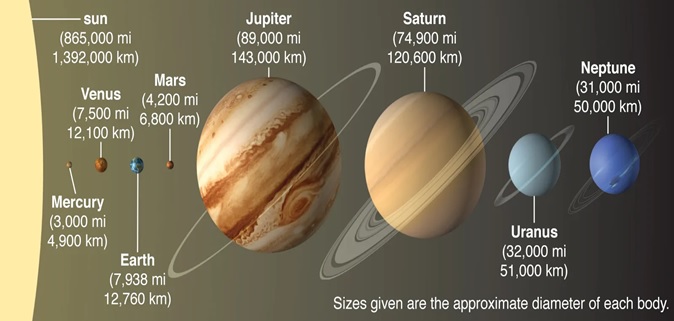
The structure of Valles Marineris provides important clues about the geological history of Mars.
Valles Marineris is extremely significant for the study of Mars because :
| Prelims : (Economics + CA) Mains : (GS 2 – Governance and Public Policy; GS 3 – Energy Security, Economic Regulation) |
Amid disruptions in global energy supply routes near the Strait of Hormuz, the Government of India invoked the Essential Commodities Act to ensure the availability of cooking gas in the country.
The Act enables the government to regulate the production, supply, and distribution of essential goods, allowing authorities to prioritise domestic LPG supply, increase local production, and allocate natural gas to essential sectors during emergencies.
Global geopolitical tensions in West Asia have raised concerns about disruptions in energy shipments passing through the Strait of Hormuz.
This narrow maritime passage is one of the world’s most critical oil and gas transit routes, handling a large share of global energy trade.
India imports a significant portion of its Liquefied Petroleum Gas (LPG) and Liquefied Natural Gas (LNG) through this route. Any disruption in supply could create shortages in domestic cooking gas availability.
The government therefore used emergency provisions under the Essential Commodities Act to ensure adequate supply and prevent panic buying or hoarding.
The Essential Commodities Act is a law enacted by the Indian Parliament to ensure the availability of essential goods at fair prices.
The Act empowers the government to regulate the production, storage, distribution, and pricing of certain commodities considered essential for the public.
Under Section 3 of the Act, the government can take several measures to maintain adequate supply of essential commodities.
The Act can be invoked during emergencies such as shortages, natural disasters, or geopolitical disruptions.
The Act has historically been used to address shortages in commodities such as :
It was also invoked during the COVID-19 lockdown to curb hoarding and black marketing of essential goods and medical supplies.
Escalating tensions in West Asia and disruptions near the Strait of Hormuz have affected global energy shipments.
A large share of India’s energy imports passes through this chokepoint, making the country vulnerable to supply disruptions.
Concerns about disruptions to LPG shipments triggered fears of possible shortages among households and businesses.
Cooking gas is an essential household energy source across India.
The expansion of the Pradhan Mantri Ujjwala Yojana significantly increased LPG coverage from about 62% of households in 2016 to nearly universal coverage today.
As a result, national demand for LPG has risen sharply.
India’s domestic LPG production remains insufficient to meet demand.
Nearly 90% of LPG imports pass through the Strait of Hormuz, highlighting India’s vulnerability to geopolitical disruptions.
The government directed oil refineries to divert hydrocarbon streams such as propane and butane toward LPG production instead of petrochemical manufacturing.
The directive was expanded to include Special Economic Zone (SEZ) refineries and petrochemical complexes, requiring additional hydrocarbon streams such as propylene and butene (C3 and C4 streams) to be used for LPG production.
The directive applies to major public and private sector refiners, including :
According to government estimates, these measures have increased domestic LPG production by around 25%, helping mitigate immediate supply risks.
The government has instructed oil marketing companies to prioritise LPG supply for households.
Commercial users such as restaurants, hotels, and hostels may face reduced supply temporarily.
The government has introduced a priority-based natural gas allocation system, overriding existing contracts to ensure essential sectors receive adequate supply.
The top priority sectors include :
These sectors will receive 100% of their average consumption over the past six months, subject to availability.
Fertiliser manufacturers will receive around 70% of their normal gas supply, although allocations may be adjusted during the kharif agricultural season.
Gas supplies for other sectors have been reduced :
Some petrochemical facilities operated by companies such as Oil and Natural Gas Corporation, GAIL Limited, and Reliance Industries Limited may experience partial or full LNG supply cuts.
1. Protecting Household Energy Security
Ensuring uninterrupted LPG supply is critical for millions of households that rely on cooking gas.
2. Managing Energy Supply Disruptions
The Act allows the government to respond quickly to global supply shocks.
3. Preventing Hoarding and Price Manipulation
Regulatory powers under the Act help prevent black marketing and price spikes during shortages.
4. Ensuring Strategic Resource Allocation
Priority allocation ensures essential sectors such as transport, households, and agriculture receive energy supplies first.
India may need to adopt long-term strategies to reduce vulnerability to energy supply disruptions, including :
Such measures can enhance energy security and resilience in the face of geopolitical uncertainties.
FAQs1. What is the Essential Commodities Act, 1955 ? It is a law that empowers the government to regulate the production, supply, and pricing of essential goods to ensure their availability at fair prices. 2. Why was the Act recently invoked ? The government invoked it to manage LPG supply disruptions caused by geopolitical tensions near the Strait of Hormuz. 3. What commodities can be regulated under the Act ? Essential goods such as food grains, edible oils, fuels, fertilizers, drugs, and seeds can be regulated. 4. How does the Act prevent hoarding and black marketing ? It allows the government to impose stock limits, price controls, and distribution regulations. 5. Which sectors receive priority in natural gas allocation during shortages ? Priority is given to household piped gas, CNG for transport, LPG production, and pipeline compressor fuel. |
| Prelims : (Environment & Ecology + CA) Mains : (GS 3 – Biodiversity Conservation, Environmental Governance, River Ecosystems) |
The Supreme Court of India recently took suo motu cognisance of media reports highlighting the ecological threats posed by illegal sand mining in the eco-sensitive zone of the National Chambal Sanctuary.
The Court expressed concern over the damage caused to the sanctuary’s fragile river ecosystem and the habitat of several endangered aquatic species, particularly the Gharial and the Ganges River Dolphin.

Illegal sand mining has emerged as a major environmental challenge in many river systems across India. River sand is widely used in the construction industry, leading to intense extraction pressure.
In ecologically sensitive river habitats like the National Chambal Sanctuary, sand mining can cause :
Recognising the ecological importance of the Chambal River ecosystem, the Supreme Court intervened to examine the issue and ensure stronger protection of the sanctuary.
The National Chambal Sanctuary is a unique riverine protected area established to conserve endangered aquatic wildlife.
It is also popularly known as the National Chambal Gharial Wildlife Sanctuary due to its importance in conserving the Gharial, one of the most endangered crocodilian species in the world.
The sanctuary lies at the tri-junction of three Indian states :
It stretches along the Chambal River, forming a long protected corridor along the river and its surrounding ravines.
The sanctuary was created primarily to protect rare and endangered aquatic species inhabiting the Chambal River ecosystem.
The sanctuary supports the largest population of wild gharials in the world, making it globally significant for crocodilian conservation.
The sanctuary has also been recognised as an Important Bird Area (IBA) due to its importance for bird conservation.
The riverine habitat provides nesting and feeding grounds for several migratory and resident bird species.
The landscape of the sanctuary is characterised by a distinctive ravine ecosystem.
Major Features
These landforms are created through long-term erosion by the Chambal River and its tributaries.
The region falls within the Kathiar-Gir Dry Deciduous Forest.
Vegetation mainly includes :
These habitats support diverse wildlife adapted to semi-arid conditions.
Apart from gharials and dolphins, the sanctuary hosts a rich diversity of aquatic and terrestrial fauna.
These species depend on the riverine and ravine ecosystems for survival.
Sand mining in and around the National Chambal Sanctuary poses several ecological risks.
Habitat Destruction : Sand extraction destroys nesting beaches used by gharials and turtles.
Disturbance to Breeding Sites : Mining activities disturb breeding and egg-laying areas.
River Morphology Changes : Excessive sand removal alters river flow patterns and increases erosion.
Threat to Aquatic Biodiversity : Noise and pollution from mining operations disrupt aquatic species.
The involvement of the Supreme Court of India highlights the seriousness of environmental degradation in protected areas.
Key Implications
1. Strengthening Environmental Governance
Judicial oversight ensures stricter enforcement of environmental laws.
2. Protection of Endangered Species
The sanctuary is critical for species like the gharial and river dolphin.
3. Conservation of River Ecosystems
Protecting riverine habitats helps maintain ecological balance.
4. Sustainable Resource Use
The case highlights the need to regulate sand mining while balancing economic demands.
To ensure long-term protection of the sanctuary, experts recommend :
Such measures can help safeguard the fragile ecosystem of the Chambal River.
FAQs1. Where is the National Chambal Sanctuary located ? It lies at the tri-junction of Madhya Pradesh, Uttar Pradesh, and Rajasthan along the Chambal River. 2. Which species is the sanctuary primarily known for protecting ? It is especially known for conserving the Gharial, a critically endangered crocodilian. 3. Why is the Chambal River ecosystem important ? It supports rare aquatic species such as the Ganges River Dolphin and several endangered turtles. 4. What is the main environmental threat to the sanctuary ? Illegal sand mining threatens the habitat of aquatic wildlife and disrupts the river ecosystem. 5. Why did the Supreme Court take cognisance of the issue ? The Court acted on media reports highlighting the ecological damage caused by sand mining in the sanctuary’s eco-sensitive zone. |
| Prelims : (Economy + CA) Mains : (GS 2 – Governance, Digital India, Rural Development) |
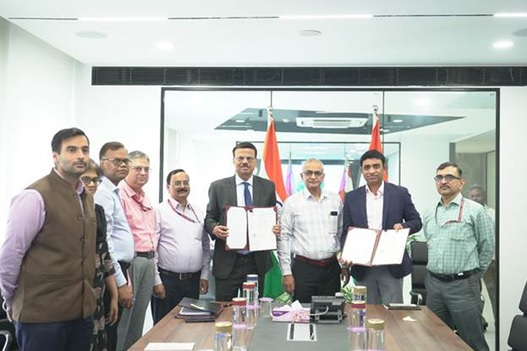
The Jyotiraditya Scindia recently inaugurated a Samriddhi Kendra in Umri Village under the Samriddh Gram Phygital Services Pilot Initiative.
The initiative aims to transform rural service delivery by combining physical infrastructure with digital platforms, creating a “phygital” model that enhances access to education, healthcare, agriculture services, governance, and financial inclusion in villages.
India’s digital transformation has accelerated under programmes like Digital India and BharatNet.
Despite improvements in connectivity, rural areas often face challenges such as :
To address these gaps, the government has proposed phygital service models that integrate on-ground service delivery with digital platforms, ensuring inclusive access to essential services in rural areas.
The Samriddh Gram Phygital Services Pilot Initiative is designed as a pioneering “phygital” model, combining physical service centres with digital infrastructure.
The initiative seeks to empower rural citizens by providing integrated access to multiple public and private services through a single digital hub in villages.
It also leverages high-speed broadband connectivity through BharatNet to ensure reliable service delivery.
The programme aims to :
Through this model, the government seeks to build self-reliant and digitally empowered villages.
Under the pilot phase, three villages across different states have been selected :
Each of these villages will host a Samriddhi Kendra, serving as an integrated digital service hub.
The Samriddhi Kendra acts as the central physical facility for delivering digital services to rural communities.
These centres will enable citizens to access multiple services without travelling to urban centres.
1. Education and Skilling
Samriddhi Kendras will support :
This will help improve education quality and employability in rural areas.
Farmers will receive access to advanced technologies such as :
These tools can improve farm productivity and sustainable agriculture practices.
3. Healthcare Services
The initiative will provide digital healthcare services including :
Such services can significantly improve healthcare access in remote villages.
4. e-Governance Services
The centres will provide assisted access to government services such as :
This will simplify citizens’ interaction with the government.
5. E-Commerce Opportunities
The initiative will integrate rural producers with digital marketplaces such as Open Network for Digital Commerce (ONDC).
This can enable :
6. Financial Inclusion
Samriddhi Kendras will support :
These measures aim to expand formal financial access in rural communities.
The digital services under the initiative rely on strong connectivity through BharatNet.
Key connectivity features include :
This ensures reliable internet access for rural citizens.
The initiative is implemented by the Department of Telecommunications (DoT) under the Ministry of Communications.
1. Digital Inclusion
The initiative bridges the urban-rural digital divide by bringing advanced digital services to villages.
2. Rural Empowerment
Integrated service hubs can empower citizens by improving access to education, healthcare, financial services, and government schemes.
3. Economic Opportunities
Linking rural entrepreneurs with digital commerce platforms can boost income generation and local employment.
4. Strengthening Digital India
The initiative complements broader government programmes aimed at building a digitally empowered society and knowledge economy.
If the pilot project proves successful, the government may consider expanding Samriddhi Kendras across thousands of villages, creating a nationwide network of phygital service centres.
Such initiatives could significantly accelerate rural digital transformation and inclusive development.
FAQs1. What is the Samriddh Gram Phygital Services Pilot Initiative ? It is a government initiative designed to integrate physical service centres with digital platforms to provide multiple services in rural areas. 2. What is a Samriddhi Kendra ? A Samriddhi Kendra is a village-level digital service hub that provides education, healthcare, agricultural support, e-governance, and financial services. 3. Which technology backbone supports the initiative ? The initiative relies on BharatNet broadband connectivity along with public Wi-Fi and village area networks. 4. Which ministry is implementing the programme ? The initiative is implemented by the Department of Telecommunications under the Ministry of Communications. 5. How does the initiative benefit rural communities ? It improves access to digital services, government schemes, healthcare, education, and financial services, helping promote rural development and digital inclusion. |
| Prelims : (Economics + CA) Mains : (GS 3 – Energy Security, Renewable Energy Integration, Power Sector Reforms) |
India’s rapid growth in renewable energy capacity—now exceeding 262 GW and accounting for over 51% of total installed power capacity—is creating operational challenges for the national power grid.
According to the Central Electricity Authority (CEA), the operational inflexibility of coal-fired power plants is making it difficult to integrate variable renewable energy sources like solar and wind efficiently.
To address this issue, the CEA has proposed incentives to encourage thermal power plants to operate more flexibly. However, power producers—including NTPC Limited—have raised concerns that running coal plants at lower loads may increase equipment wear, maintenance costs, and reduce plant lifespan.
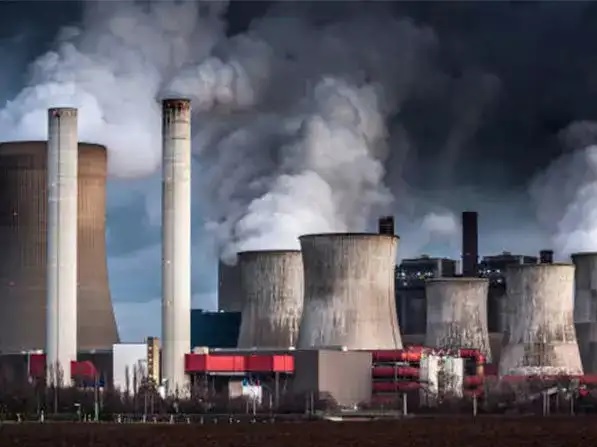
India is rapidly expanding renewable energy capacity as part of its climate and energy security goals. The country has set an ambitious target of achieving 500 GW of non-fossil fuel electricity capacity by 2030.
However, renewable energy sources such as solar and wind are intermittent and variable, meaning their output changes depending on weather conditions and time of day.
This variability requires flexible backup generation sources that can quickly ramp up or reduce electricity production to maintain grid stability.
Coal-fired thermal plants, which currently provide a large share of India’s electricity, were originally designed to operate at steady output levels rather than fluctuating loads. This design limitation has created integration challenges as renewable energy capacity expands.
Coal-fired power plants are expected to reduce generation during peak solar hours and increase output after sunset when renewable generation declines.
However, many thermal plants in India lack the flexibility required to adjust output rapidly.
Due to the operational limitations of coal plants, renewable electricity—especially solar power—is increasingly curtailed (reduced or stopped) during periods of peak generation.
Curtailment occurs when the grid cannot absorb additional electricity due to system constraints.
Between May and December 2025, India reportedly lost about 2.3 terawatt-hours (TWh) of solar energy due to curtailment.
This amount of electricity could have powered approximately 14 lakh households for an entire year, highlighting the scale of inefficiency.
Renewable energy developers are compensated when their generation is curtailed due to grid management requirements.
These compensation payments amounted to ₹5.75–6.9 billion, adding financial costs to the power system.
A major reason behind coal plant inflexibility is the Minimum Technical Load (MTL) requirement.
MTL refers to the lowest stable generation level at which a thermal plant can operate safely without shutting down.
Most coal-fired plants in India cannot operate below 55% of their capacity without risking technical problems.
Power producers are hesitant to reduce MTL from 55% to around 40%, as this can lead to :
These concerns make plant operators reluctant to adopt flexible operation models.
India’s power system operates through a unified national grid, which connects power generators, transmission networks, and distribution utilities.
Maintaining the grid frequency within the safe band of 49.9–50.05 Hz is essential for stable electricity supply.
According to the Central Electricity Authority, system frequency exceeded the permissible range for nearly 20% of the time during May 2025, mainly during periods of high solar generation.
On May 25, 2025 :
Despite these measures, grid frequency rose to 50.48 Hz, raising concerns about grid safety and stability.
This situation occurred because many thermal plants could not reduce output below the 55% MTL threshold.
Power companies have raised technical and economic concerns about operating coal plants at lower loads.
Operating plants below optimal capacity can create thermal and mechanical stress on critical components such as :
Repeated ramping up and down of power generation accelerates equipment degradation.
NTPC Limited has expressed reservations regarding two-shift operations and lowering load levels to 40%.
The company noted that :
The operational rigidity of coal plants has significant implications for India’s energy transition.
Coal plant inflexibility makes it harder to integrate renewable energy into the grid, slowing progress toward the 500 GW non-fossil capacity target by 2030.
Under the Tertiary Reserve Ancillary Services (TRAS) mechanism, renewable energy producers are compensated when their generation is curtailed.
These compensation costs are ultimately passed on to electricity consumers through tariffs, meaning consumers pay for electricity that was generated but not used.
Curtailing renewable power prevents the grid from replacing fossil-fuel generation with clean energy, leading to higher carbon emissions and reduced environmental benefits.
1. Need for Flexible Power Systems
As renewable capacity grows, power systems must adapt to more flexible generation and storage solutions.
2. Grid Modernisation
Upgrading transmission networks and improving grid management technologies can help integrate variable renewable energy more effectively.
3. Role of Energy Storage
Technologies such as battery storage, pumped hydro, and green hydrogen could help balance supply and demand.
4. Policy and Market Reforms
New incentives and market mechanisms may be required to encourage thermal plants to operate flexibly without compromising financial viability.
To successfully integrate large-scale renewable energy, India needs to :
These measures will help ensure a reliable and sustainable energy transition.
FAQs1. What is renewable energy curtailment ? Curtailment occurs when renewable electricity generation is reduced or stopped because the power grid cannot absorb additional energy. 2. What is Minimum Technical Load (MTL) ? MTL is the lowest level at which a thermal power plant can safely operate without shutting down. 3. Why are coal plants inflexible ? Coal plants are designed for steady base-load generation, making it difficult to rapidly increase or decrease output. 4. What role does the Central Electricity Authority play ? The Central Electricity Authority is responsible for planning, regulating, and ensuring the stability of India’s power sector. 5. How does renewable curtailment affect consumers ? Consumers may indirectly pay higher tariffs because renewable energy generators receive compensation for curtailed electricity. |
| Prelims : (Economics + CA) Mains : (GS 3 – Energy Security, Nuclear Energy Policy, Clean Energy Transition) |
The recently proposed SHANTI Act 2025 aims to expand India’s nuclear energy sector by allowing wider participation from public and private players, academia, and industry, while strengthening the regulatory ecosystem.
At the same time, India’s ambitious plan to achieve 100 GWe nuclear power capacity by 2047 faces a major challenge : limited domestic uranium reserves. Achieving this capacity may require 18,000–20,000 tonnes of uranium annually, which would largely depend on imports.
This has renewed policy attention on thorium-based nuclear fuel cycles, where India possesses some of the largest reserves in the world.
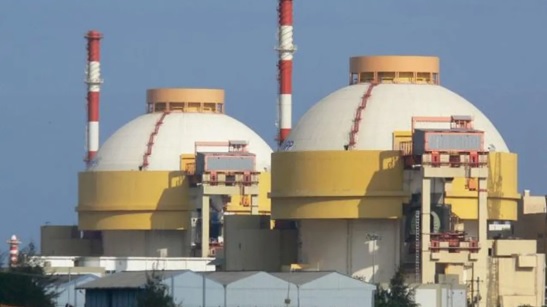
Nuclear power is expected to remain a reliable low-carbon energy source in the coming decades, especially as countries aim to reduce dependence on fossil fuels.
However, conventional nuclear power largely relies on uranium-based fuel cycles, which pose long-term sustainability concerns due to :
In this context, India’s long-standing nuclear strategy—designed by Homi Jehangir Bhabha — focuses on utilising abundant thorium reserves to ensure long-term energy security.
Thorium offers a potential alternative to uranium-based nuclear fuel cycles.
Unlike uranium, thorium itself is not directly fissile, but it can be converted into uranium-233, a fissile material capable of sustaining nuclear reactions.
Advantages of Thorium-Based Fuel
Through nuclear fuel recycling, the energy extracted from nuclear fuel can increase 50–100 times compared to once-through cycles, improving resource efficiency.
India’s nuclear strategy is structured around a three-stage programme designed to gradually transition toward thorium-based energy generation.
The first stage relies on Pressurised Heavy Water Reactor technology.
Fuel : Natural uranium (U-238)
PHWRs currently form the backbone of India’s nuclear power generation.
The second stage involves Fast Breeder Reactor (FBRs).
Fuel : Plutonium-239 and uranium-238.
FBRs breed more fissile material than they consume, generating the fuel inventory needed for the third stage.
India’s 500 MWe Prototype Fast Breeder Reactor (PFBR) is nearing completion and is a crucial step toward scaling this technology.
The final stage aims to fully utilise thorium.
Fuel : Thorium-232 and plutonium-239.
Thorium-232 is converted into uranium-233, which then acts as the fissile fuel for electricity generation.
This stage is designed to enable long-term sustainable nuclear power generation in India.
Fast breeder reactors are essential for producing the fissile materials required for thorium utilisation.
They help :
However, widespread deployment of FBRs is expected only in the coming decades, as the technology is complex and capital-intensive.
India’s immediate nuclear expansion strategy focuses largely on Pressurised Heavy Water Reactors.
These reactors :
At the same time, PHWRs could be used to irradiate thorium, helping generate uranium-233 earlier and accelerating the transition to the third stage.
Another emerging pathway involves combining thorium with High-Assay Low-Enriched Uranium (HALEU).
However, India currently lacks adequate irradiation testing facilities for such advanced fuels. International collaboration could accelerate technology development.
India is also exploring advanced nuclear technologies such as :
Small Modular Reactor (SMRs) offer :
These reactors could also support green hydrogen production, contributing to the clean energy transition.
India is researching Thorium Molten Salt Reactors (TMSRs) that can :
1. Energy Security
Thorium utilisation can significantly reduce dependence on imported uranium, strengthening India’s strategic autonomy.
2. Clean Energy Transition
Nuclear energy provides stable low-carbon power, helping India meet climate commitments.
3. Technological Leadership
India’s expertise in thorium fuel cycles could make it a global leader in advanced nuclear technology.
4. Long-Term Sustainability
Thorium reserves can potentially sustain India’s energy needs for centuries, ensuring long-term power security.
To realise the 100 GWe nuclear power vision by 2047, India needs to :
Such measures can help India move toward energy independence and sustainable nuclear power generation.
FAQs1. Why is thorium important for India’s nuclear programme ? Thorium is abundant in India and can be converted into uranium-233, enabling long-term sustainable nuclear energy generation. 2. What is India’s target for nuclear power capacity ? India aims to achieve 100 GWe of nuclear power capacity by 2047. 3. What are Fast Breeder Reactors (FBRs) ? Fast breeder reactors are nuclear reactors that produce more fissile fuel than they consume, enabling efficient fuel utilisation. 4. What is HALEU fuel ? HALEU (High-Assay Low-Enriched Uranium) is uranium enriched between 5% and 20% U-235, used in advanced nuclear reactors. 5. What is the three-stage nuclear programme of India ? India’s nuclear programme consists of PHWRs using uranium, Fast Breeder Reactors using plutonium, and thorium-based reactors using uranium-233. |

Our support team will be happy to assist you!

 Contact Us
  New Batch : 9555124124/ 7428085757
  Tech Support : 9555124124/ 7428085757