Why in News?
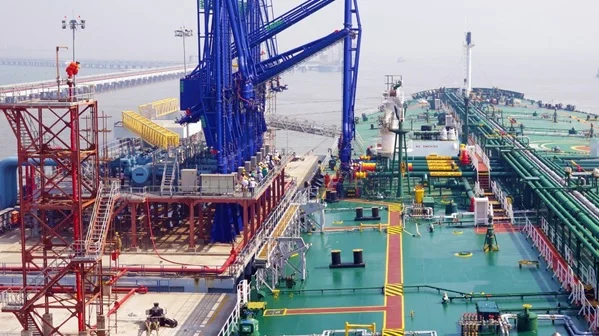
- The Mumbai Port Authority (MbPA) has declared Jawahar Dweep Marine Oil Terminal a plastic-free facility, making it the first plastic-free oil terminal in India.
- The declaration was made during Swachhata Abhiyan 2026, organised at Grey Gate, Indira Dock, Mumbai, to mark the birth anniversary of Mahatma Gandhi.
- Union Minister of Ports, Shipping and Waterways Sarbananda Sonowal led the event. Mumbai Port Authority Chairperson Dr. M. Angamuthu and Deputy Chairman Ravish Kumar Singh were also present.
Key Objectives
The initiative aims to:
- Reduce the use of single-use plastic at the port.
- Promote clean and sustainable port operations.
- Improve waste management at port facilities.
- Encourage similar plastic-reduction measures across docks, residential colonies and coastal areas.
- Support the objectives of the Swachh Bharat Mission.
About Jawahar Dweep
- Jawahar Dweep is one of the important marine oil terminals of Mumbai Port. It handles oil-related port operations and is an important part of the port’s infrastructure.
- Its declaration as a plastic-free facility is part of Mumbai Port’s wider efforts to promote environmentally responsible and sustainable operations.
Swachhata Abhiyan 2026
- The programme began with a lamp-lighting ceremony and floral tribute to Mahatma Gandhi, followed by the Swachhata Pledge.
- A short film highlighting the port’s cleanliness and Swachh Bharat initiatives over the previous year was also screened.
- During the event, Minister Sarbananda Sonowal felicitated the port’s Safai Karmis for their contribution to maintaining cleanliness and supporting port operations.
Oil Spill Response Facilities
- During the programme, the Union Minister also dedicated the port’s Oil Spill Response (OSR) facilities to the nation.
- These facilities are important for responding to and managing oil spills in the marine environment, helping to reduce their impact on coastal and marine ecosystems.
Cleanliness Drive
A cleanliness drive was conducted at several locations of Mumbai Port, including:
- Area south of 18ID
- Oil Spill Response facilities
- BPX North Area wharf
- Sea-cleaning areas
- Mooring staff toilet facility
The activities demonstrated the port’s focus on cleanliness, waste management and environmental sustainability.
Importance
- The plastic-free status of Jawahar Dweep highlights the growing focus on sustainable port development in India.
- Mumbai Port Authority has stated that it will continue to reduce plastic use and improve waste management across its docks, residential colonies and coastal areas.
Challenges
- Complete elimination of plastic use can be difficult in large port operations.
- Proper segregation, collection and disposal of waste requires continuous monitoring.
- Oil terminals handle hazardous materials, making waste management more complex.
- Sustaining a plastic-free status requires regular compliance by workers, contractors and visitors.
- Marine plastic waste can move from port areas to surrounding coastal and marine ecosystems.
Way Forward
- Promote reusable and eco-friendly alternatives to single-use plastic.
- Strengthen waste segregation and recycling systems at ports.
- Conduct regular environmental audits and monitoring.
- Train port workers and contractors on sustainable waste management.
- Develop similar plastic-free initiatives at other ports.
- Integrate plastic reduction with broader sustainable and green port development.
Conclusion
The declaration of Jawahar Dweep as a plastic-free oil terminal represents an important step towards cleaner and more sustainable port operations. Expanding such initiatives, along with effective waste management and regular monitoring, can help reduce plastic pollution and support the development of environmentally responsible ports in India.
Prelims practice question
Jawahar Dweep, which was recently declared plastic-free, is associated with which of the following?
A. Mumbai Port
B. Kandla Port
C. Paradip Port
D. Visakhapatnam Port
Mains Practice Question
Q. Sustainable port development is essential for balancing India’s economic growth with environmental protection. Discuss the challenges and suggest measures to promote sustainable port operations in India.
|
FAQs
1. What is Jawahar Dweep?
Jawahar Dweep is an important marine oil terminal of Mumbai Port.
2. Why is Jawahar Dweep in the news?
It has been declared India’s first plastic-free oil terminal.
3. Which organisation declared Jawahar Dweep plastic-free?
The Mumbai Port Authority (MbPA).
4. What is the main objective of the initiative?
The main objective is to reduce single-use plastic and promote sustainable port operations.
5. What are Oil Spill Response (OSR) facilities?
OSR facilities are used to respond to and manage oil spills and reduce their impact on marine and coastal ecosystems.
|




 Contact Us
  New Batch : 9555124124/ 7428085757
  Tech Support : 9555124124/ 7428085757