
- UPSC Exam
- State PCS
- One Day Exam
- Current Affairs
- PT Quiz
- Downlaods
- About Coaching
- Blog
- Videos

| Prelims: (Science & Technology + CA) Mains: (GS 2: Issues Relating to Development & Management of Social Sector/Health; GS 3: Science & Technology in Health, Human Development) |
The Union government is preparing to launch a nationwide 90-day single-dose HPV vaccination campaign targeting 14-year-old girls to reduce the burden of cervical cancer in India. The initiative marks a major preventive public health intervention aimed at tackling one of the leading causes of cancer-related deaths among Indian women.
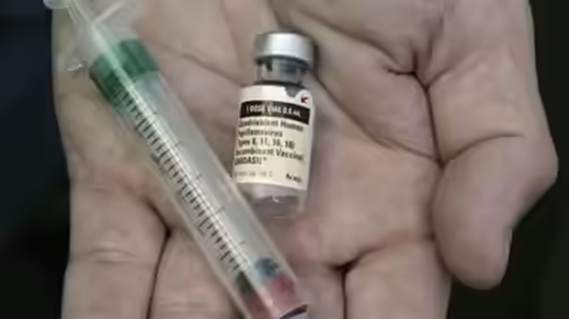
Cervical cancer is primarily caused by persistent infection with high-risk strains of the Human Papillomavirus (HPV), a common sexually transmitted infection. Nearly 90% of cervical cancer cases are linked to HPV infection, especially types 16 and 18.
India accounts for nearly one-fifth of the global cervical cancer burden. Despite screening and treatment efforts, late diagnosis remains common due to low awareness, limited screening coverage, and social stigma.
Globally, HPV vaccines have demonstrated strong effectiveness in preventing pre-cancerous lesions and cervical cancer. In 2022, the World Health Organization endorsed a single-dose HPV vaccine schedule for girls aged 9–14 years, significantly strengthening the case for mass immunisation in low- and middle-income countries like India.
The current campaign aligns with India’s broader goal of reducing preventable cancers and improving women’s health outcomes.
The strategy focuses on age-based cohort vaccination rather than school-based targeting alone, ensuring wider inclusion.
The campaign will use Gardasil, manufactured by MSD Pharmaceuticals, due to its established global efficacy and safety record.
India has developed its own HPV vaccine, Cervavac, produced by the Serum Institute of India.
However, it is not being used in the current drive because:
A transition to Cervavac may occur in the coming years once regulatory processes are completed.
The GAVI, The Vaccine Alliance will supply 2.6 crore doses over two years.
In 2022, the WHO’s Strategic Advisory Group of Experts recommended a single-dose schedule for girls and women up to 20 years, citing strong immune response and sustained protection.
Guidelines:
This simplified schedule enhances feasibility and reduces programmatic costs.
India contributes nearly 20% of global cervical cancer cases, making preventive action urgent.
Global evidence shows significant reduction in HPV infection rates and pre-cancerous lesions following vaccination.
Vaccinating girls reduces HPV transmission to boys, lowering risks of other HPV-related cancers and strengthening community-level protection.
Countries like Australia introduced HPV vaccination in 2007 and extended it to boys in 2013. Within a decade:
Australia is now on track to nearly eliminate cervical cancer as a public health problem.
No. Several states have piloted HPV vaccination drives earlier:
State-Level Initiatives
The current initiative marks the first nationwide, centrally coordinated HPV immunisation campaign.
Strategic Public Health Intervention
Shifts policy focus from cancer treatment to prevention — aligning with global best practices.
Women-Centric Healthcare Reform
Strengthens reproductive and preventive health systems targeting adolescent girls.
Digital Health Integration
Leverages digital platforms like U-Win, improving tracking, transparency, and coverage.
Alignment with Global Health Goals
Supports WHO’s global strategy to eliminate cervical cancer as a public health problem by 2030.
Economic and Social Impact
Prevention reduces catastrophic health expenditure for families and enhances long-term human capital formation.
FAQsQ1. Why is the HPV vaccine targeted at 14-year-old girls ? Vaccination before sexual debut ensures stronger immune response and maximum preventive benefit against HPV infection. Q2. Is a single dose scientifically validated ? Yes. WHO recommendations in 2022 endorsed a single-dose schedule for girls up to 20 years based on strong evidence of long-term protection. Q3. Why is India not using its indigenous vaccine yet ? Cervavac is awaiting WHO prequalification, and studies are ongoing to confirm its efficacy under a single-dose schedule. Q4. Can HPV vaccination eliminate cervical cancer completely ? While vaccination significantly reduces incidence, elimination requires a combination of vaccination, screening, and early treatment. Q5. How does this campaign fit into India’s broader health policy ? It strengthens preventive healthcare, reduces cancer burden, promotes women’s health, and aligns with long-term public health and human development goals. |



Our support team will be happy to assist you!

 Contact Us
  New Batch : 9555124124/ 7428085757
  Tech Support : 9555124124/ 7428085757