Why in the news ?
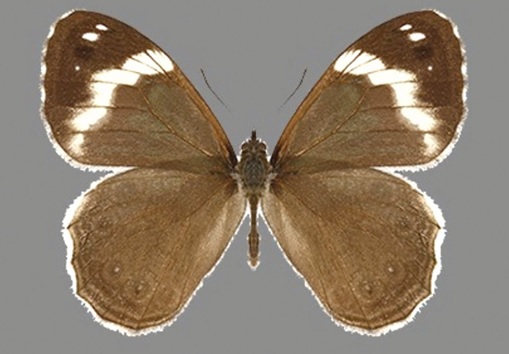
The biodiversity of Northeast India is once again in the headlines. Scientists have discovered a new species of butterfly, Chonala albistricta, in the high altitude region of Arunachal Pradesh. This discovery is being considered a significant achievement for lepidopterology globally.
Where was this new species found ?
- This new butterfly species was discovered in the Mayodia Pass in Arunachal Pradesh, known for its high altitude and harsh geographical conditions. This area
- is part of the Lower Dibang Valley district and is considered an important hub of rich biodiversity in the Eastern Himalayas.
Scientific Discovery and Research Team
-
The formal description of this new species was published in the international journal Zootaxa on June 10, 2026, by a team led by Dr. Krishnamegh Kunte, Fahim Khan, and Ujjwala Pawar, affiliated with the National Centre for Biological Sciences.
What is Chonala albistricta ?
- This butterfly is a new species in the Chonala genus.
- Its common name is "Narrow-banded Wall."
- The name is based on the narrow and irregular white band on its wings.
- According to scientists, this genus has only 10 known species in the world, and this is the second species in India.
Identification and Characteristics
- Researchers reported that this butterfly resembles Chonala masoni (Chumbi Wall), but detailed study revealed several differences, such as:
- A clear variation in wing pattern
- Differences in morphology
- Differences in the structure of the male reproductive organs
- On these grounds, it was recognized as an independent species.
Biodiversity Significance
- Scientists believe that the Eastern Himalayan region remains underexplored, and may harbor many more unknown species.
- Isolated mountain regions act as natural "evolutionary laboratories," where organisms evolve into different forms over long periods of time.
- This discovery highlights that India's northeastern region is a vitally important hub of global biodiversity.
Conclusion
The discovery of Chonala albistricta is not only significant for butterfly science, but also highlights the rich and still-mysterious biodiversity of the Eastern Himalayas. This discovery could open new avenues for future conservation and biodiversity studies.






 Contact Us
  New Batch : 9555124124/ 7428085757
  Tech Support : 9555124124/ 7428085757